Circuit Tester
CN → US| HS Code | Tariff Rate | Origin | Destination | Doc |
|---|---|---|---|---|
| 8543908885 | 85.0% | CN | US | Official Doc |
| 8543906800 | 35.0% | CN | US | Official Doc |
| 9031808085 | 35.0% | CN | US | Official Doc |
Product Images
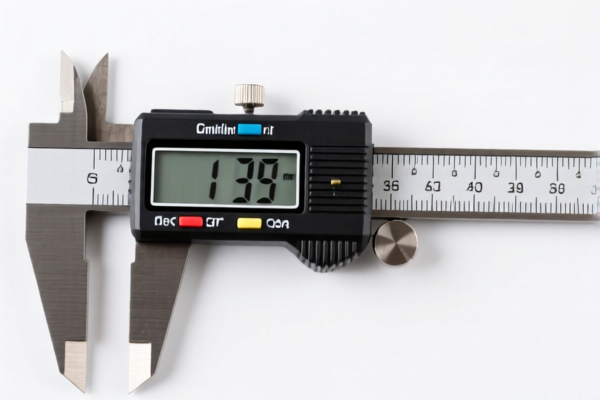
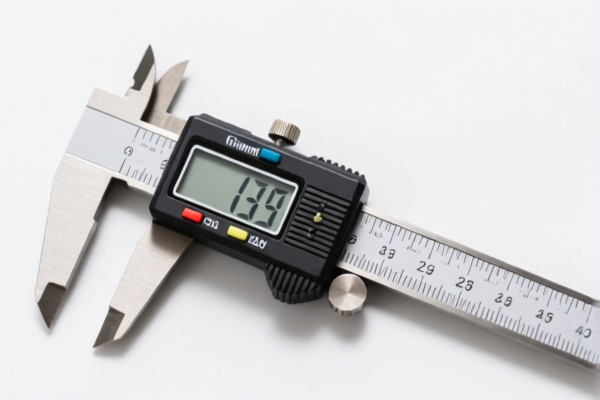
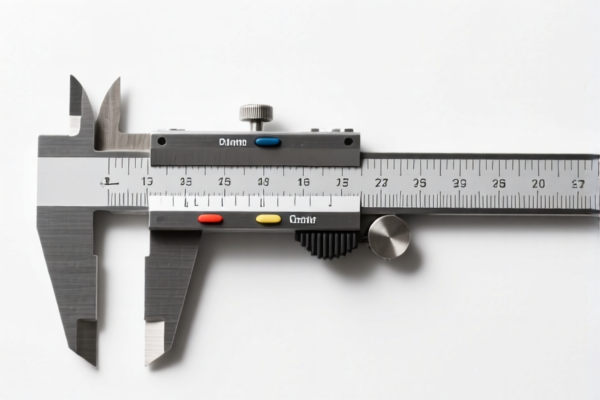
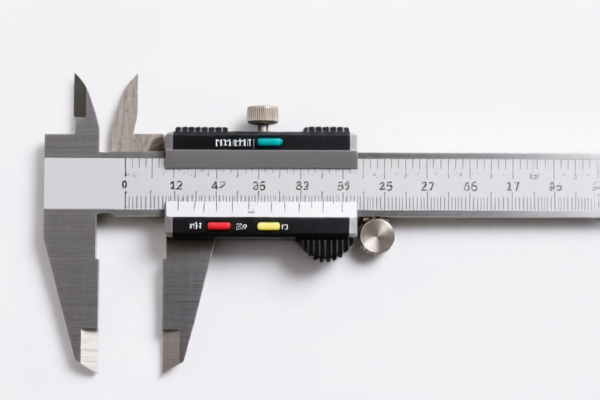
AI Analysis
⚡ Circuit Tester (Electrical Testing Instrument)
🌐 HS Code Reference & Customs Clearance Guide | 2026 Latest Tariff Analysis | Professional-Level Clearance Strategy
📌 I. Product Definition & Classification: Do You Really Understand the "Circuit Tester"?
A Circuit Tester is a broad category in international trade, referring to devices used to check the continuity, voltage, resistance, and insulation of electrical circuits. In customs classification, it is primarily categorized based on its specific function and whether it is an independent measuring instrument or a part of a larger electrical system.
The core distinction lies in: * Independent Measuring Instrument: If the device has its own display, processing unit, and is used for measurement/inspection purposes (e.g., multimeters, insulation testers, continuity testers with digital output), it typically falls under Chapter 90 (Optical, photographic, cinematographic, measuring, checking, precision, medical or surgical instruments and apparatus). * Independent Electrical Apparatus with Function: If it is an electrical device designed to perform a specific function (like testing) but does not fit neatly into "measuring instruments" or if it is considered a "part/accessory" of a broader electrical machine, it may fall under Chapter 85 (Electrical machinery and equipment).
⚠️ Key Distinction Point: - If it is a standalone digital/analog tester for measuring electrical parameters → Likely 9031. - If it is an electrical test fixture/device with independent functionality but not strictly a "measuring instrument" in the legal sense → Likely 8543. - Material Check: Ensure no conflict with steel, aluminum, or copper restrictions under Section 232/122 if applicable.
📦 II. HS Code Classification Details (Based on Provided Data)
| HS Code | Product Description | Application Scenario | Basis for Classification |
|---|---|---|---|
8543.90.88.85 |
Electrical machines and apparatus, having individual functions, other than specified elsewhere: Other | Testers classified as independent electrical apparatus; "Other" category under 8543. | Based on use match; parts belong to "Other" under this code; no material conflict. |
8543.90.68.00 |
Electrical machines and apparatus, having individual functions: Other: Other | Electrotechnical testing devices with independent functionality. | Inferred from name; fits "electrical testing apparatus" attribute under "Other". |
9031.80.80.85 |
Measuring or checking instruments, appliances, and machines, not specified or included elsewhere: Other | Measurement/inspection instruments; fits the definition of "testers". | Name "Tester" falls under measurement/inspection category; "Fallback/Other" clause applied due to lack of specific material conflict. |
🔍 Important Note: - The choice between 8543 and 9031 often depends on whether customs authorities view the device primarily as an electrical appliance (8543) or a measuring instrument (9031). - 9031 is generally preferred for standard multimeters, insulation testers, and continuity testers with display/readout capabilities. - 8543 may apply to specialized test fixtures, jigs, or devices where the "testing" is a function of an electrical apparatus rather than pure measurement.
💰 III. 2026 Latest Tariff Rate Details (Including Surtaxes & Policy Add-ons)
✅ Applicable Country: United States (US) ✅ Origin: China (CN) ✅ Effective Time: Current regulations (Check latest updates for 2025/2026 changes)
🎯 1. HS Code: 8543.90.88.85
| Item | Detail |
|---|---|
| Base Tariff | 0.0% (Ad Valorem) |
| Section 301 Surtax | +25.0% |
| Section 122 Surtax (Steel/Aluminum/Copper) | +50.0% |
| Total Tariff Rate | 75.0% |
| Tax Calculation | CIF Value × 75.0% |
| De Minimis Exemption | ❌ Not Eligible (High tariff rates usually exclude de minimis benefits for certain categories) |
| Legal Basis Path | USITC:8543.90.88.85 → Section 301 Footnote → Section 122 (if material-specific) |
📌 Explanation: - 0% Base Tariff: Standard MFN rate for this subheading. - 25% Section 301: Standard additional tariff on Chinese goods under U.S. Trade Representative actions. - 50% Section 122: This is a critical differentiator. If the tester contains steel, aluminum, or copper components subject to Section 232/122 provisions, an additional 50% may apply. Verify material composition carefully! - Total: 75%. This is an extremely high tariff. Importers must verify if the Section 122 surtax is truly applicable to their specific product composition.
🎯 2. HS Code: 8543.90.68.00
| Item | Detail |
|---|---|
| Base Tariff | 0.0% |
| Section 301 Surtax | +25.0% |
| Section 122 Surtax | +10.0% (Note: Data says "10% 122 Tariff", but summary says "35.0% Total". 0+25+10=35. This implies a lower Section 122 rate or specific exemption for this subcategory.) |
| Total Tariff Rate | 35.0% |
| Tax Calculation | CIF Value × 35.0% |
| De Minimis Exemption | ❌ Not Eligible |
| Legal Basis Path | USITC:8543.90.68.00 → Section 301 → Section 122 (10%) |
📌 Note: - This code has a lower total tariff (35%) compared to
8543.90.88.85due to a reduced Section 122 surtax (10% vs 50%). - Crucial: Confirm if your product qualifies for the lower 10% Section 122 rate. This often depends on the specific material content and manufacturing origin of components.
🎯 3. HS Code: 9031.80.80.85
| Item | Detail |
|---|---|
| Base Tariff | 0.0% |
| Section 301 Surtax | +25.0% |
| Section 122 Surtax | +10.0% |
| Total Tariff Rate | 35.0% |
| Tax Calculation | CIF Value × 35.0% |
| De Minimis Exemption | ❌ Not Eligible |
| Legal Basis Path | USITC:9031.80.80.85 → Section 301 → Section 122 (10%) |
📌 Note: - This is likely the most common classification for standard circuit testers/multimeters. - Total: 35%. - The 10% Section 122 surtax suggests that while it may contain some metals, it doesn't trigger the highest 50% rate (or it's excluded from certain material restrictions). - Recommendation: If your product is a standard digital/analog circuit tester, 9031.80.80.85 is often the safer and more standard classification, offering a 35% total tariff.
🛠️ IV. Customs Clearance Practical Advice (Avoid Pitfalls)
✅ 1. Preparation Checklist (Essential Documents)
| Document | Required | Notes |
|---|---|---|
| Product Specifications | ✔️ | Must include: Type (digital/analog), measurement range, accuracy, power supply, display type. |
| Photographs | ✔️ | Clear images of the device, display screen, buttons, and labels. |
| User Manual | ✔️ | Helps prove the device is for "measurement/inspection" (supports 9031 classification). |
| Material Composition Sheet | ✔️ | Critical for Section 122. List all materials (plastic, steel, copper, aluminum) and their percentages. |
| Commercial Invoice | ✔️ | Must clearly state: "Electrical Circuit Tester" or "Digital Multimeter" (avoid vague terms like "Tester"). |
| Packing List | ✔️ | Include accessories (probes, batteries, case). |
✅ 2. Classification Strategy (Key Tips)
🔥 "Measure First, Check Materials, Avoid Vague Names!"
| Scenario | Recommended HS Code | Reason |
|---|---|---|
| Standard Digital Multimeter / Continuity Tester | 9031.80.80.85 |
Clearly a measuring instrument. Lower risk. Total 35%. |
| Specialized Test Fixture / Jig | 8543.90.68.00 or 8543.90.88.85 |
If it's a device that performs a test function but isn't a measuring instrument. Check materials for 50% vs 10% Section 122. |
| Simple Voltage Tester (Non-electronic) | 9031.80.80.85 |
Still considered a checking instrument. |
| Tester with Steel/Aluminum Housing | Verify Section 122 | If steel/aluminum content is high, it may trigger 50% surtax under 8543.90.88.85. 9031 may have lower surtax (10%). |
⚠️ Warning: - Do NOT use generic terms like "Electronic Tester" without further description. - Do NOT assume all testers are 9031. If it's a custom test bench, it might be 8543. - Material Composition is King: The difference between 35% and 75% tariff depends entirely on whether the Section 122 50% surtax applies. 9031.80.80.85 appears to have a lower Section 122 rate (10%) in the provided data, making it potentially cheaper than
8543.90.88.85(50%).
✅ 3. Special Cases
| Case | Handling Advice |
|---|---|
| Kit with Multiple Tools | If the tester is part of a kit with screwdrivers, etc., declare the main item (the tester) as the primary HS code. List accessories separately or as "parts" if minor. |
| Software-Enhanced Tester | If the device relies heavily on proprietary software for analysis, still classify as 9031 (hardware is primary). Do not classify as software. |
| OEM Branded Tester | Provide brand authorization if required by USCBP. |
| Used/Refurbished Tester | May require additional documentation (cleaning certificates, safety inspections). |
🌍 V. Global Market Comparison (2026)
| Country/Region | Recommended HS Code | Base Tariff | Key Surtaxes (China Origin) | Notes |
|---|---|---|---|---|
| 🇺🇸 USA | 9031.80.80.85 |
0% | +35% Total (25% Sec 301 + 10% Sec 122) | Best for standard testers. Avoid 8543.90.88.85 if possible due to 50% Sec 122. |
| 🇺🇸 USA | 8543.90.88.85 |
0% | +75% Total (25% Sec 301 + 50% Sec 122) | High risk. Only if classification is strictly electrical apparatus, not instrument. |
| 🇪🇺 EU | 9031.49.90 |
0% | 0% (No Section 301/122) | No additional US-style surtaxes. Standard MFN rate. |
| 🇨🇳 China | 9031.49.90 |
0% | 0% | Import into China is low tariff. |
| 🇯🇵 Japan | 9031.80.90 |
0% | 0% | No additional surtaxes for Chinese origin. |
📌 Conclusion: - For US imports,
9031.80.80.85is likely the optimal choice for standard circuit testers, resulting in a 35% total tariff. -8543.90.88.85should only be used if the device is definitively not a measuring instrument and materials do not allow for the lower Section 122 rate. Otherwise, the 75% tariff is prohibitive. - Always provide a detailed material composition to justify the lower Section 122 rate (10% vs 50%).
📌 VI. Common Errors & Pitfalls (Lessons Learned)
❌ Mistake 1: Classifying a digital multimeter as 8543.90.88.85 without checking material surtax.
👉 Result: Paying 75% tariff instead of 35%. Huge cost increase!
❌ Mistake 2: Using vague description "Circuit Tester" on the invoice. 👉 Result: Customs delays for additional information. May be misclassified.
❌ Mistake 3: Assuming all testers are 9031.
👉 Result: If it's a complex test fixture, it might be 8543. However, in the provided data, 8543 has a higher potential tariff due to Section 122. Verify classification carefully.
✅ Correct Approach:
"Digital Circuit Tester, Model XYZ, with LCD Display, Measuring Voltage/Continuity/Resistance, Plastic Housing, Plastic Probes, No Steel Components." (This description supports 9031.80.80.85 and helps argue against the 50% Section 122 surtax if steel is present.)
🎯 VII. Final Recommendations
🎯 Key Takeaway:
🔹 For US Imports: Aim for
9031.80.80.85(35% Total Tariff). 🔹 Avoid8543.90.88.85unless absolutely necessary, as it carries a 75% Total Tariff due to the 50% Section 122 surtax. 🔹 Provide Detailed Material Composition: To justify the lower Section 122 rate (10%) under9031or8543.90.68.00.
📌 Pro Tip:
- Apply for an Advance Ruling (CBP Ruling) if the classification is ambiguous. This provides legal certainty and avoids post-clearance audits.
- Keep all product documentation ready for customs examination.
✨ Professional Clearance Starts with Accurate Classification! 💼 Your Cost is Directly Proportional to Your HS Code Choice!
Customer Reviews
About HS Code Classification
The Harmonized System (HS) is an internationally standardized nomenclature developed by the World Customs Organization (WCO) to classify traded products. Over 200 countries use the HS system as the basis for customs tariffs, trade statistics, and import/export regulations.
Each HS code follows a hierarchical structure:
- Chapter (2 digits) — Broad category of goods (e.g., Chapter 84: Machinery and Mechanical Appliances)
- Heading (4 digits) — More specific grouping within the chapter
- Subheading (6 digits) — Internationally standardized breakdown, used by all WCO member countries
- National subdivisions (8-10 digits) — Country-specific extensions for further classification, such as US HTSUS 10-digit codes
Correct HS code classification is essential for smooth customs clearance, accurate duty payment, and compliance with trade regulations. Misclassification can lead to customs delays, overpayment of duties, or penalties.
When importing from CN to US, the applicable tariff rates may include:
- Most-Favored-Nation (MFN) rate — The standard duty rate applied to WTO members
- General rate — Applied to countries without trade agreements
- Trade remedy duties — Additional tariffs such as Section 301 (anti-dumping), Section 232 (national security), or countervailing duties
The information provided on this page is for reference purposes only. For official classification, please consult with your local customs authority or a licensed customs broker.