Circular Yarn for Sweaters
CN → US| HS Code | Tariff Rate | Origin | Destination | Doc |
|---|---|---|---|---|
| 5106100090 | 41.0% | CN | US | Official Doc |
| 5207100000 | 35.0% | CN | US | Official Doc |
| 5106100010 | 41.0% | CN | US | Official Doc |
| 5207900000 | 40.0% | CN | US | Official Doc |
| 5511100060 | 42.5% | CN | US | Official Doc |
Product Images

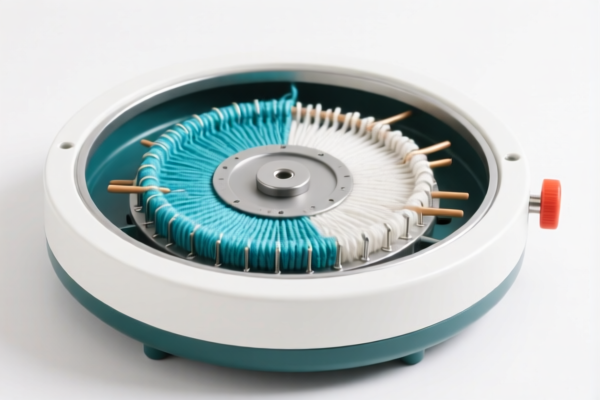
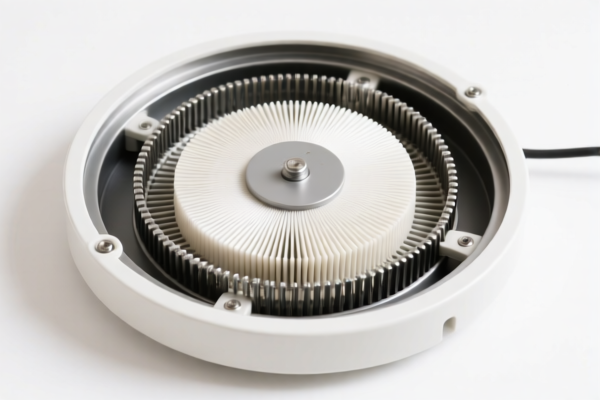
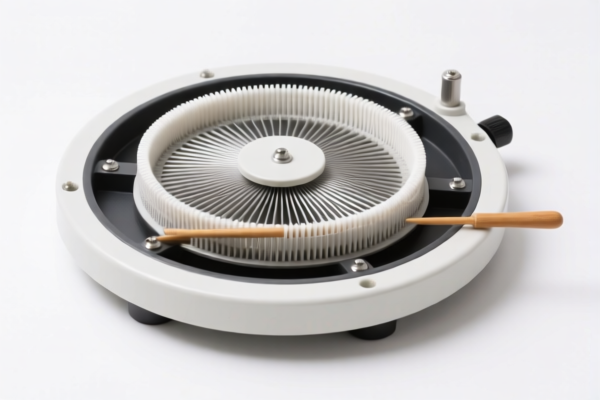
AI Analysis
🧶 Circular Yarn for Sweaters: HS Code Classification & US Import Duty Analysis (2026)
🌐 HS Code Reference & Customs Clearance Guide | Latest 2026 Tariff Structure | Professional Entry Strategy
📌 One: Product Definition and Classification: Do You Really Understand "Circular Yarn"?
Circular yarn (often referred to as looped yarn or pile yarn) is a specific type of textured yarn formed by looping fibers or filaments, widely used in sweater manufacturing for its volume, softness, and structural integrity. In international trade, its classification depends strictly on material composition and physical form.
Key Distinction Points: * Wool-Based (Hs 5106): If the yarn contains wool or fine animal hair, it falls under Chapter 51. * Cotton-Based (HS 5207): If the yarn is made of cotton, it falls under Chapter 52. * Synthetic/Mixed/Undefined (HS 5511): If the material is synthetic, vegetable, or unclear, it falls under Chapter 55.
⚠️ Critical Note for Importers:
Misclassification between wool, cotton, and synthetic yarns can lead to significant tariff discrepancies and customs delays. You must declare the exact fiber content.
📦 Two: Detailed HS Code Breakdown (Based on Provided Data)
The following table maps the specific HS Codes from your data to their corresponding tax profiles. All items are Circular Yarn for Sweaters.
| HS Code | Product Description (Summary) | Material Focus | Tax Detail (Breakdown) | Total Tax Rate |
|---|---|---|---|---|
5106.10.00.90 |
Circular yarn for sweaters; Material: Wool or wool-containing fibers. | Wool | Base: 6.0%, Section 301: 25.0%, Section 122: 10% | 41.0% |
5207.10.00.00 |
Circular yarn for sweaters; Material: Cotton. | Cotton | Base: 0.0%, Section 301: 25.0%, Section 122: 10% | 35.0% |
5106.10.00.10 |
Circular yarn for sweaters; Material: Wool or related fibers (Carded). | Wool | Base: 6.0%, Section 301: 25.0%, Section 122: 10% | 41.0% |
5207.90.00.00 |
Circular yarn for sweaters; Material: Cotton or cotton-containing fibers (Other). | Cotton | Base: 5.0%, Section 301: 25.0%, Section 122: 10% | 40.0% |
5511.10.00.60 |
Circular yarn for sweaters; Long filaments/fibers; Other/Undefined material. | Synthetic/Mixed | Base: 7.5%, Section 301: 25.0%, Section 122: 10% | 42.5% |
🔍 Key Insight:
Wool yarn (5106) and Synthetic/Mixed yarn (5511) face the highest total duties (41% - 42.5%) due to higher base rates. * Pure Cotton yarn (5207.10) benefits from the lowest base rate (0%), resulting in the lowest total duty (35%). * Section 122 Tariff: A consistent 10%* additional duty applies across all categories in this dataset.
💰 Three: 2026 Latest Tariff Rate Breakdown (Including Surtaxes & Policy Add-ons)
✅ Applicable Country: United States (US)
✅ Origin: China (CN) (Implied by "Section 301" and "Section 122" context)
✅ Effective Time: Current Tariff Schedule
🎯 1. 5106.10.00.90 & 5106.10.00.10 —— Wool-Based Circular Yarn
| Item | Content |
|---|---|
| Base Duty Rate | 6.0% (Ad Valorem) |
| Section 301 Surcharge | +25.0% (Trade Action against China) |
| Section 122 Surcharge | +10.0% (Specific trade remedy/penalty) |
| Total Duty Rate | 41.0% |
| Tax Calculation | CIF Value × 41% |
| De Minimis Exemption | ❌ Not Applicable (High duty items excluded from Section 321) |
| Legal Basis Path | HTSUS:5106.10.00 → USITC:Section 301 → Section 122 |
📌 Explanation:
- The 6% base rate reflects the standard MFN (Most Favored Nation) treatment for wool yarns.
- The 25% Section 301 tariff is the standard punitive duty on Chinese textile imports.
- The 10% Section 122 tariff is an additional levy often applied to specific textile categories or as a remedy for trade violations.
- Total Cost Impact: For a $10,000 shipment, you will pay $4,100 in duties alone.
🎯 2. 5207.10.00.00 —— Cotton Circular Yarn (Lowest Duty Option)
| Item | Content |
|---|---|
| Base Duty Rate | 0.0% (Ad Valorem) |
| Section 301 Surcharge | +25.0% |
| Section 122 Surcharge | +10.0% |
| Total Duty Rate | 35.0% |
| Tax Calculation | CIF Value × 35% |
| De Minimis Exemption | ❌ Not Applicable |
| Legal Basis Path | HTSUS:5207.10.00 → USITC:Section 301 → Section 122 |
📌 Explanation:
- Cotton yarn enjoys a 0% base rate, making it the most tax-efficient option among the listed codes.
- However, the 35% total rate is still significant due to the mandatory surcharges.
🎯 3. 5207.90.00.00 —— Other Cotton-Containing Yarn
| Item | Content |
|---|---|
| Base Duty Rate | 5.0% |
| Section 301 Surcharge | +25.0% |
| Section 122 Surcharge | +10.0% |
| Total Duty Rate | 40.0% |
| Tax Calculation | CIF Value × 40% |
| De Minimis Exemption | ❌ Not Applicable |
🎯 4. 5511.10.00.60 —— Synthetic/Mixed/Undefined Fiber Yarn
| Item | Content |
|---|---|
| Base Duty Rate | 7.5% |
| Section 301 Surcharge | +25.0% |
| Section 122 Surcharge | +10.0% |
| Total Duty Rate | 42.5% |
| Tax Calculation | CIF Value × 42.5% |
| De Minimis Exemption | ❌ Not Applicable |
📌 Warning:
- This category carries the highest total tax rate (42.5%).
- It applies when the material is not explicitly wool or cotton, or is a synthetic blend (e.g., acrylic, polyester) not specified further.
- Avoid this code if possible by accurately declaring natural fiber content.
🛠️ Four: Customs Clearance Practical Advice (Pitfall Avoidance Guide)
✅ 1. Required Documentation Checklist
| Document | Mandatory? | Notes |
|---|---|---|
| ✅ Commercial Invoice | ✔️ | Must clearly state "Circular Yarn for Sweaters" and exact fiber composition (e.g., "100% Wool"). |
| ✅ Packing List | ✔️ | Detailed weight, dimensions, and package count. |
| ✅ Certificate of Origin | ✔️ | Crucial for verifying Chinese origin (triggers 301/122 duties). |
| ✅ Fiber Content Declaration | ✔️ | Critical! Must match the HS Code. Discrepancies cause seizures. |
| ✅ Product Photos | ✔️ | Show the looped/looped structure to prove it is "circular yarn" and not regular twisted yarn. |
| ✅ Bill of Lading (B/L) | ✔️ | Consistent with invoice data. |
✅ 2. Classification Strategy (Key Mantra)
🔥 "Material Dictates Code, Surcharge Adds Cost, Accuracy Saves Money!"
| Scenario | Correct HS Code | Risk of Misclassification |
|---|---|---|
| 100% Wool Circular Yarn | 5106.10.00.10 or .90 |
Misclassifying as cotton saves ~6%, but risks heavy penalties for false declaration. |
| 100% Cotton Circular Yarn | 5207.10.00.00 |
Best option for duty minimization. |
| Acrylic/Polyester Blend | 5511.10.00.60 |
Highest duty. Ensure no natural fibers are present to avoid "mixed material" disputes. |
| Wool + Cotton Blend | Depends on Weight% | Generally, the material that gives the yarn its essential character or majority weight determines the chapter. Consult a broker. |
✅ 3. Special Situations
| Situation | Handling Advice |
|---|---|
| Mixed Material Yarn | If the yarn is a blend (e.g., 50% Wool, 50% Cotton), you must determine the primary material. If wool, use 5106. If cotton, use 5207. Ambiguity leads to 5511 (highest tax). |
| Private Label/OEM | Ensure the invoice lists the actual manufacturer, not just the brand. Customs may investigate if the name doesn't match the origin. |
| Small Sample Shipments | Even small shipments are subject to 35%-42.5% duties. No de minimis exemption for these HS codes from China. |
🌍 Five: Global Market Comparison (2026)
| Country/Region | Recommended HS Code (Wool) | Estimated Duty (China Origin) | Key Certification | Notes |
|---|---|---|---|---|
| 🇺🇸 USA | 5106.10.00.90 |
41.0% | None specific for yarn | High duties due to 301/122. |
| 🇨🇳 China | 5106.10.00.90 |
~10-12% | None | Lower base duty, no 301/122. |
| 🇪🇺 EU | 5106.10.00 |
~6-9% | OEKO-TEX (Voluntary) | No Section 122 equivalent. |
| 🇬🇧 UK | 5106.10.00 |
~6-9% | Post-Brexit rules apply | Similar to EU structure. |
| 🇯🇵 Japan | 5106.10.00 |
~8-10% | JIS Standards | Competitive rates. |
📌 Conclusion:
The USA market is the most expensive for circular yarn from China due to the叠加 (stacked) tariffs (Base + 301 + 122). Importers must factor this into their cost structure.
📌 Six: Common Mistakes & Pitfall Guide (Lessons Learned)
❌ Mistake 1: Declaring "Wool Yarn" when it is actually Acrylic.
👉 Consequence: Customs reclassifies to 5511.10.00.60 (42.5% tax) and issues fines for misdeclaration.
❌ Mistake 2: Ignoring the "Section 122" tariff.
👉 Consequence: Underpayment of duties by 10%, leading to back-taxes, interest, and potential penalties at the port of entry.
❌ Mistake 3: Using vague descriptions like "Knitting Yarn."
👉 Consequence: Customs may request additional information, causing delays. Always use "Circular Yarn for Sweaters" and specify material.
✅ Correct Practice:
"Circular Yarn, Loop Structure, 100% New Wool, For Sweater Manufacturing, HS Code 5106.10.00.10, Origin: China"
🎯 Seven: Conclusion: Professional Declaration, Time & Cost Savings!
🎯 Key Takeaways:
🔹 Material is King: Choose Cotton (
5207) for the lowest duty (35%).
🔹 Beware of Wool/Synthetic: Wool (5106) and Synthetics (5511) carry higher base rates (41%-42.5%).
🔹 No Free Pass: Section 301 (25%) and Section 122 (10%) apply to all Chinese-origin yarns.
🔹 Declare Precisely: Vague descriptions lead to audits and delays.
📌 Pro Tip:
If you are sourcing from Vietnam, Bangladesh, or India, the Section 301 and 122 tariffs do NOT apply. You may only pay the Base Rate (6%, 0%, or 7.5%).
✅ Strategic Advice: Consider sourcing circular yarn from non-China origins to reduce total duty from ~40% to ~0-7.5%.
📣 Immediate Action:
📞 Consult a licensed customs broker for a Pre-Ruling on fiber content.
📄 Ensure your Commercial Invoice explicitly states "Circular Yarn" and "Section 301/122 Applicable."
🚀 Optimize your supply chain to mitigate the 35-42.5% duty burden!
✨ Professional Customs Clearance Starts with Accurate Classification!
💼 Every Percent in Duty is Real Money – Know Your Code!
Customer Reviews
About HS Code Classification
The Harmonized System (HS) is an internationally standardized nomenclature developed by the World Customs Organization (WCO) to classify traded products. Over 200 countries use the HS system as the basis for customs tariffs, trade statistics, and import/export regulations.
Each HS code follows a hierarchical structure:
- Chapter (2 digits) — Broad category of goods (e.g., Chapter 84: Machinery and Mechanical Appliances)
- Heading (4 digits) — More specific grouping within the chapter
- Subheading (6 digits) — Internationally standardized breakdown, used by all WCO member countries
- National subdivisions (8-10 digits) — Country-specific extensions for further classification, such as US HTSUS 10-digit codes
Correct HS code classification is essential for smooth customs clearance, accurate duty payment, and compliance with trade regulations. Misclassification can lead to customs delays, overpayment of duties, or penalties.
When importing from CN to US, the applicable tariff rates may include:
- Most-Favored-Nation (MFN) rate — The standard duty rate applied to WTO members
- General rate — Applied to countries without trade agreements
- Trade remedy duties — Additional tariffs such as Section 301 (anti-dumping), Section 232 (national security), or countervailing duties
The information provided on this page is for reference purposes only. For official classification, please consult with your local customs authority or a licensed customs broker.