City Garbage Sweeper
CN → US| HS Code | Tariff Rate | Origin | Destination | Doc |
|---|---|---|---|---|
| 3825100100 | 17.5% | CN | US | Official Doc |
| 3825900100 | 35.0% | CN | US | Official Doc |
| 2621100000 | 17.5% | CN | US | Official Doc |
| 2621900000 | 35.0% | CN | US | Official Doc |
Product Images
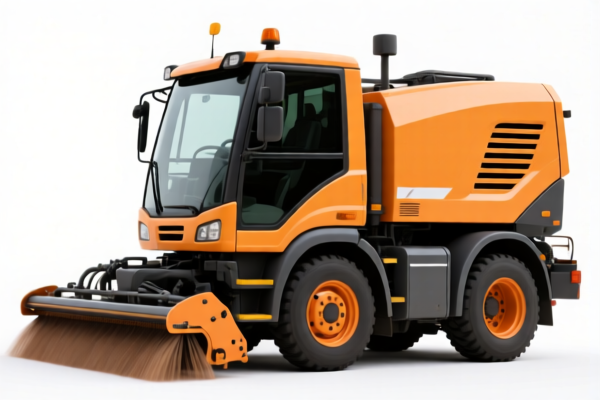
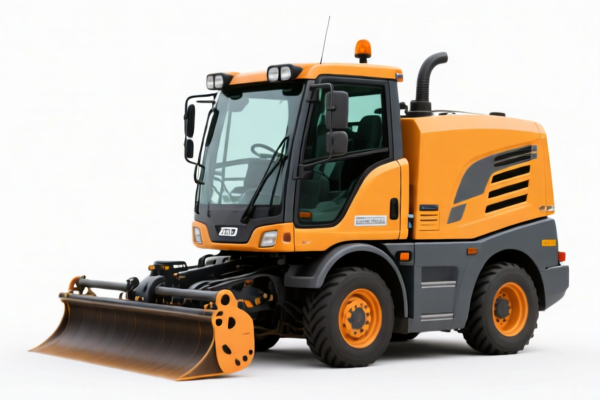
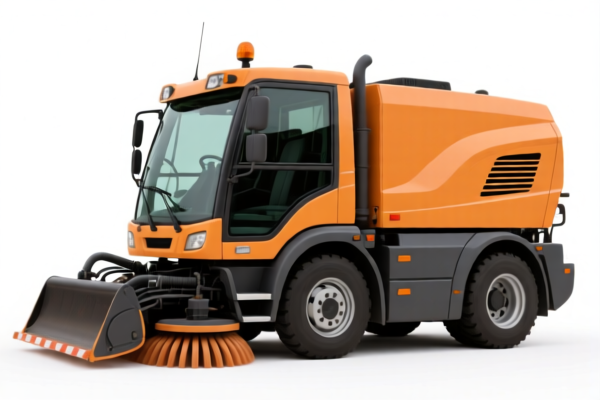
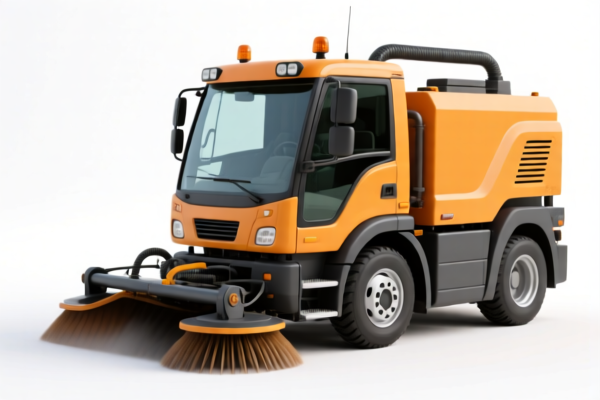
AI Analysis
🗑️ City Garbage Sweeper (Municipal Waste & Residues)
🌐 HS Code Reference & Customs Clearance Guide | 2026 Latest Tariff Analysis | Professional-Level Clearance Strategy
📌 I. Product Definition & Classification: Understanding "City Garbage Sweeper"
In international trade, the term "City Garbage Sweeper" can be ambiguous. It generally refers to: 1. The Waste Itself: Municipal solid waste collected by sweepers (street cleaning waste). 2. The Machinery: The vehicle/equipment used to sweep.
However, based on the provided <DATA> context, this guide focuses strictly on the classification of the waste material (municipal waste/residues) as defined by the provided HS codes. If you are importing the equipment, please note that these HS codes (2621/3825) do not apply to machinery (which would fall under Chapter 84). This guide assumes the context is about the cargo type: Municipal Waste/Residues.
⚠️ Key Distinction:
- If the cargo is raw municipal waste (street sweepings), it falls under 3825.10 or 2621.10.
- If the cargo is incineration residue (ash/slag from burning city waste), it falls under 3825.90 or 2621.90.
- Crucial: Do not misdeclare machinery as waste, or waste as machinery. The tax implications are vastly different.
📦 II. HS Code Classification Details (2026 Latest Tariff Authority Comparison)
| HS Code | Product Description | Application Scenario | Tax Rate (Total) |
|---|---|---|---|
3825.10.01.00 |
Municipal waste, specifically street sweepings (city cleaning waste) | Waste collected from street sweeping operations | 17.5% |
3825.90.01.00 |
Municipal waste, other (not street sweepings, e.g., sludge, other residues) | Other municipal waste residues not classified as street sweepings | 35.0% |
2621.10.00.00 |
Slag and residues (specifically those consistent with municipal waste in origin/use) | Residues from municipal waste processing, consistent with slag/residue category | 17.5% |
2621.90.00.00 |
Other slag and residues (including ash and residues from city waste incineration) | Ashes and residues from burning city waste, consistent with incineration byproducts | 35.0% |
🔍 Key Reminder:
-3825.10is the primary code for street sweepings.
-2621.10is an alternative for residues that fit the "slag/residue" definition but share the same origin/use as municipal waste.
-3825.90and2621.90apply to other municipal wastes or incineration residues, attracting a higher tax burden.
- Essence vs. Use: Both2621and3825codes rely on the nature (residue/ash) or use/origin (municipal) of the material.
💰 III. 2026 Latest Tariff Rate Details (Including Surcharges & Policy Add-ons)
✅ Applicable Country: United States (US)
✅ Country of Origin: China (CN)
✅ Effective Date: From November 10, 2025 (inclusive of subsequent imports)
🎯 1. 3825.10.01.00 & 2621.10.00.00 —— Municipal Waste / Consistent Residues (Street Sweepings)
| Item | Details |
|---|---|
| Base Tariff Rate | 0% (ad valorem) |
| Section 301 Tariff | +7.5% (Additional Tariff) |
| Section 122 Tariff | +10% (Specific US Trade Clause) |
| Total Tax Rate | 17.5% |
| Tax Calculation | CIF Value × 17.5% |
| De Minimis Exemption | ❌ Not Eligible (deny_de_minimis) |
| Legal Basis Path | USITC:3825.10.01.00 → Section 301: 7.5% + Section 122: 10% |
📌 Explanation:
- The base tariff is 0%, but two additional levies apply to Chinese-origin municipal waste/residues.
- Section 301 (7.5%): Standard additional tariff for certain Chinese goods.
- Section 122 (10%): Specific additional tariff clause applicable to this category.
- Total 17.5%: Moderate risk level compared to other hazardous wastes.
🎯 2. 3825.90.01.00 & 2621.90.00.00 —— Other Municipal Waste / Incineration Residues
| Item | Details |
|---|---|
| Base Tariff Rate | 0% (ad valorem) |
| Section 301 Tariff | +25% (Additional Tariff) |
| Section 122 Tariff | +10% (Specific US Trade Clause) |
| Total Tax Rate | 35.0% |
| Tax Calculation | CIF Value × 35.0% |
| De Minimis Exemption | ❌ Not Eligible (deny_de_minimis) |
| Legal Basis Path | USITC:3825.90.01.00 / USITC:2621.90.00.00 → Section 301: 25% + Section 122: 10% |
📌 Note:
- These codes apply to incineration ashes or other municipal residues not classified as street sweepings.
- Section 301 Tariff is higher (25%) for this category compared to street sweepings (7.5%).
- Total 35.0%: Significant cost impact. Must be factored into landed cost calculations.
🛠️ IV. Customs Clearance Practical Advice (Battle-Tested Pitfall Avoidance)
✅ 1. Required Document Checklist (All Mandatory)
| Document | Required? | Explanation |
|---|---|---|
| ✅ Product Specification Sheet | ✔️ | Must clearly state: Origin (Municipal/Street), Type (Sweeping/Incineration), Composition. |
| ✅ Safety Data Sheet (SDS) | ✔️ | Even if non-hazardous, SDS helps customs assess risk. |
| ✅ Certificate of Origin | ✔️ | Proves CN origin, triggering Section 301/122. |
| ✅ Commercial Invoice | ✔️ | Must explicitly state: "Municipal Waste - Street Sweepings" or "Incineration Ash". Do NOT use vague terms like "Garbage". |
| ✅ Packing List | ✔️ | Detail packaging type to ensure no contamination risks. |
| ✅ Environmental Compliance Certificate | ✔️ | If required by destination state/local regulations for waste import. |
✅ 2. Declaration Tips (Key Mnemonic)
🔥 "Be Specific: Street vs. Ash, Name Matters, Tax Varies!"
| Scenario | Correct Declaration | Wrong Practice |
|---|---|---|
| Street Sweepings | 3825.10.01.00 or 2621.10.00.00 |
Declaring as "General Waste" → May be rejected or reclassified to 3825.90 (35%) |
| Incineration Ash | 2621.90.00.00 or 3825.90.01.00 |
Declaring as "Street Sweepings" → Misclassification Risk, potential fines |
| Mixed Waste | Separate by type if possible | Mixing street sweepings and ash → Higher risk of audit and reclassification |
| Machinery Import | N/A (Chapter 84) | Declaring machinery as waste → Severe Penalties, seizure |
✅ 3. Special Situation Handling
| Situation | Handling Advice |
|---|---|
| Mixed Loads | If cargo contains both street sweepings and incineration ash, declare separately if possible. If mixed, customs may apply the higher rate (35%) to the entire lot. |
| Hazardous Components | If waste contains hazardous materials, additional EPA/USCG regulations apply. Ensure compliance beyond HS Code. |
| Destination Restrictions | Some US states or localities ban municipal waste import. Verify local laws before shipping. |
| Recycling Intent | If intended for recycling, ensure the product meets "recyclable material" standards to avoid waste classification if possible (though given the data, these codes are for waste). |
🌍 V. Global Market Comparison (2026 Latest)
| Country/Region | Recommended HS Code | Tariff (China Origin) | Certification Requirements | Notes |
|---|---|---|---|---|
| 🇺🇸 USA | 3825.10.01.00 / 2621.10.00.00 |
17.5% | SDS, CO | Higher rate for incineration ash (35%) |
| 🇺🇸 USA | 3825.90.01.00 / 2621.90.00.00 |
35.0% | SDS, CO, EPA Compliance | Strict environmental controls |
| 🇨🇳 China | N/A (Export) | Varies | Export License (if regulated) | Check China's export control list for waste |
| 🇪🇺 EU | Varies by Material | Varies | REACH, Waste Shipment Reg. | EU has strict waste import bans |
| 🇦🇺 Australia | Varies | Varies | Biosecurity Clearance | Strict biosecurity checks |
📌 Conclusion:
- USA has specific high tariffs for Chinese-origin municipal waste/residues due to trade policies (Section 301/122).
- Environmental compliance is critical. Non-compliance can lead to detention or return of cargo.
📌 VI. Common Errors & Pitfalls (Lessons Learned)
❌ Error 1: Using vague descriptions like "Trash" or "Dump Waste"
👉 Consequence: Customs ambiguity → Delay, inspection, potential reclassification to higher tax bracket (35%).
❌ Error 2: Confusing Street Sweepings with Incineration Ash
👉 Consequence: Wrong HS code → Underpayment of duty (17.5% vs 35%) → Back taxes + Penalties.
❌ Error 3: Ignoring Section 122 Tariff
👉 Consequence: Omitting the 10% add-on → Underpayment → Audit risk.
❌ Error 4: Importing Machinery under Waste Codes
👉 Consequence: Severe Penalty, seizure, and potential criminal charges for misdeclaration.
✅ Correct Practice:
"Municipal Waste - Street Sweepings, Source: City Cleaning Department, Composition: Organic/Inorganic Residue, HS Code: 3825.10.01.00"
OR
"Incineration Residue - Municipal Waste Ash, HS Code: 2621.90.00.00"
🎯 VII. Conclusion: Professional Declaration, Save Time, Reduce Costs!
🎯 Remember the Mnemonic:
🔹 "Street Sweepings: 17.5% (7.5+10)"
🔹 "Ash/Other Waste: 35.0% (25+10)"
🔹 "De Minimis: NO for Waste!"
🔹 "Name Precisely, Avoid 35% Trap!"
📌 Tip:
- If your waste is non-Chinese origin, tariffs may be lower (verify USITC schedules for other countries).
- Advance Ruling: Consider applying for an Advance Ruling (Ruling Letter) from US CBP to confirm the correct HS Code and tax rate before shipment.
📣 Immediate Action:
📞 Contact a licensed customs broker + Provide detailed product composition + Apply for CBP Advance Ruling
🚀 Ensure smooth clearance, compliance, and cost control for your municipal waste imports!
✨ Professional Clearance Starts with Accurate Classification!
💼 Every Percent of Duty Counts!
Customer Reviews
About HS Code Classification
The Harmonized System (HS) is an internationally standardized nomenclature developed by the World Customs Organization (WCO) to classify traded products. Over 200 countries use the HS system as the basis for customs tariffs, trade statistics, and import/export regulations.
Each HS code follows a hierarchical structure:
- Chapter (2 digits) — Broad category of goods (e.g., Chapter 84: Machinery and Mechanical Appliances)
- Heading (4 digits) — More specific grouping within the chapter
- Subheading (6 digits) — Internationally standardized breakdown, used by all WCO member countries
- National subdivisions (8-10 digits) — Country-specific extensions for further classification, such as US HTSUS 10-digit codes
Correct HS code classification is essential for smooth customs clearance, accurate duty payment, and compliance with trade regulations. Misclassification can lead to customs delays, overpayment of duties, or penalties.
When importing from CN to US, the applicable tariff rates may include:
- Most-Favored-Nation (MFN) rate — The standard duty rate applied to WTO members
- General rate — Applied to countries without trade agreements
- Trade remedy duties — Additional tariffs such as Section 301 (anti-dumping), Section 232 (national security), or countervailing duties
The information provided on this page is for reference purposes only. For official classification, please consult with your local customs authority or a licensed customs broker.