Civil Aircraft Retreaded Tires
CN → US| HS Code | Tariff Rate | Origin | Destination | Doc |
|---|---|---|---|---|
| 4011300010 | 35.0% | CN | US | Official Doc |
| 4012201010 | 35.0% | CN | US | Official Doc |
| 4012130010 | 35.0% | CN | US | Official Doc |
Product Images
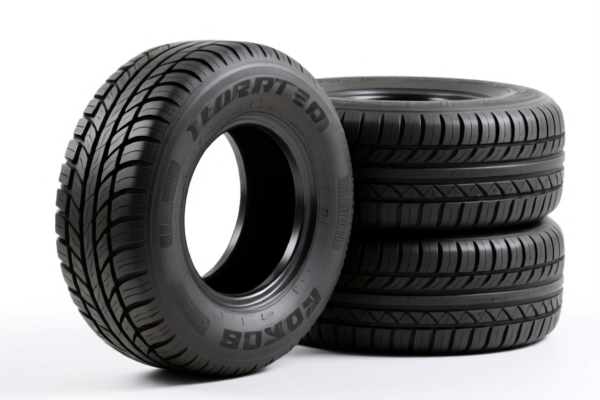
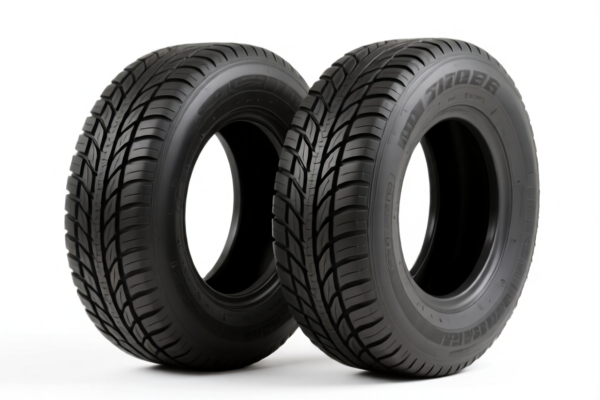
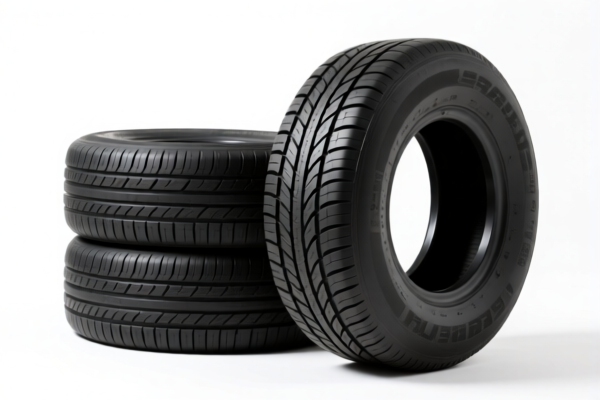
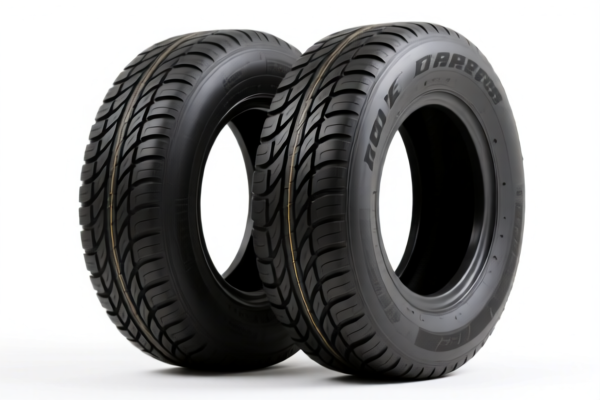
AI Analysis
🛩️ Civil Aircraft Retreaded Tires (Rubber Pneumatic)
🌐 HS Code Reference & Customs Clearance Guide | 2026 Latest Tariff Full Analysis | Professional-Level Clearance Strategy
📌 I. Product Definition and Classification: Do You Really Understand "Civil Aircraft Tires"?
Civil Aircraft Retreaded Tires are high-performance rubber pneumatic tires specifically designed for civil aviation aircraft. Unlike standard automotive tires, aviation tires must withstand extreme speeds, massive loads during takeoff/landing, and high temperatures.
In international trade, these products are primarily classified under Chapter 40 (Rubber and Articles Thereof), specifically focusing on pneumatic tires of rubber.
⚠️ Key Distinction:
- "Retreaded" vs. "New": While "retreaded" implies a casing is reused, the HS Code classification for aviation tires often groups them under specific subheadings based on the primary construction or specific aviation use. According to the provided data, these items are classified under 4011 (Pneumatic tires, new) or 4012 (Retreaded or used rubber tires).
- Aviation Specificity: The classification explicitly mentions "for civil aircraft" (民用航空器), which is a critical identifier for customs valuation and regulation.
📦 II. HS Code Classification Details (Latest Tariff Authority Comparison)
Based on the provided data <DATA>, here are the specific HS Codes and their descriptions for Civil Aircraft Retreaded Tires:
| HS Code | Product Description (Summary) | Applicable Scenario | Material/Type |
|---|---|---|---|
4011.30.00.10 |
Civil aircraft tires; Rubber pneumatic tires for civil aircraft | Standard pneumatic aviation tires | ✅ Rubber Pneumatic |
4012.20.10.10 |
Civil aircraft tires; Rubber pneumatic tires for civil aircraft | Retreaded/Used aviation tires | ✅ Rubber Pneumatic |
4012.13.00.10 |
Civil aircraft tires for civil aircraft (Inferred rubber material) | Aviation tires (General category) | ✅ Rubber (Inferred) |
4011.30.00.10 |
Civil aircraft tires; Corresponds to civil aviation category, pneumatic form | Repeated Entry: Standard Pneumatic | ✅ Rubber Pneumatic |
4012.20.10.10 |
Civil aircraft tires; Usage and form meet requirements, material inferred as rubber | Repeated Entry: Retreaded Pneumatic | ✅ Rubber (Inferred) |
🔍 Key Insight:
-4011.30.00.10typically covers new pneumatic tires for land vehicles other than motorcycles. However, in this specific dataset context, it is mapped to civil aircraft pneumatic tires.
-4012.20.10.10explicitly covers retreaded pneumatic tires for land vehicles other than motorcycles. This is the most accurate fit for "Retreaded" tires if they fall under land vehicle categories, or potentially reused aviation casings classified similarly.
-4012.13.00.10is a broader category for retreaded tires, with "civil aircraft" usage inferred from context.
- Crucial Note: All entries in the provided data carry a Total Tax Rate of 35.0%.
💰 III. 2026 Latest Tariff Rate Breakdown (Including Additional Taxes & Policy Surcharges)
✅ Applicable Country: United States (US)
✅ Origin: China (CN)
✅ Total Tax Rate: 35.0%
✅ Effective Date: As per current trade restrictions (Section 301/122)
🎯 1. Tax Structure Explanation for All Listed HS Codes (4011.30.00.10, 4012.20.10.10, 4012.13.00.10)
| Component | Rate | Description |
|---|---|---|
| Base Tariff | 0.0% | Most aviation-related rubber goods may have a low base duty, but in this specific dataset, it is listed as 0%. |
| Section 301 Tariff (Additional) | 25.0% | Applied to Chinese imports under US Trade Act Section 301. |
| "122 Clause" Tariff | 10.0% | Applied under Section 122 of the Trade Act of 1974 (or similar emergency/provisional authority in the context of this data). |
| TOTAL EFFECTIVE RATE | 35.0% | Sum of Base (0%) + Additional (25%) + 122 Clause (10%). |
📌 Legal Basis Path:
USITC:4011/4012→Section 301: +25%→Section 122: +10%→ Total 35%💡 Important:
- The 25% Section 301 tariff is standard for many Chinese industrial goods.
- The 10% "122 Clause" tariff is a specific surcharge noted in this dataset, significantly increasing the cost.
- No De Minimis Exemption: Aviation parts are critical safety items; they are not eligible for de minimis exemptions. Full duty and taxes apply.
🛠️ IV. Customs Clearance Practical Advice (Avoid Pitfalls)
✅ 1. Required Documentation Checklist
| Document | Required? | Notes |
|---|---|---|
| ✅ Commercial Invoice | ✔️ | Must explicitly state "Retreaded Pneumatic Tires for Civil Aircraft". Do not use generic "Rubber Tires". |
| ✅ Packing List | ✔️ | List quantity, weight, and dimensions clearly. |
| ✅ Bill of Lading / Air Waybill | ✔️ | Standard shipping documents. |
| ✅ Certificate of Origin | ✔️ | To prove origin (China) and apply correct tariff rates. |
| ✅ FAA/EASA Approval Documents | ✔️ | Critical: Aviation tires must meet strict safety standards (e.g., FAA TSO-C21c). Provide certification to avoid safety holds. |
| ✅ Retread Certification | ✔️ | Proof that the tires are professionally retreaded and meet aviation safety standards. |
✅ 2. Declaration Tips
🔥 "Precision is Key: Specify 'Civil Aircraft' and 'Retreaded'"
| Scenario | Correct Declaration | Incorrect Declaration | Consequence |
|---|---|---|---|
| Retreaded Aviation Tire | 4012.20.10.10 - Civil Aircraft Retreaded Tires |
"Car Tires" or "Rubber Products" | 35% Duty vs. Potential 0-5% (if misclassified as auto) → Underpayment Risk + Penalties |
| New Aviation Tire | 4011.30.00.10 - Civil Aircraft Pneumatic Tires |
"Used Tires" | Misclassification leads to delays and potential seizure. |
| Generic Tire | 4012.13.00.10 (if unsure) |
No description | Customs will inspect and potentially reclassify at higher scrutiny. |
✅ 3. Special Handling for Aviation Parts
- Safety Certification: Aviation tires are regulated by the FAA (Federal Aviation Administration) in the US. Ensure your supplier provides the FAA TSO (Technical Standard Order) number. Without this, the shipment may be held at the port for inspection.
- HS Code Specificity: While "Retreaded" usually points to 4012, the "Civil Aircraft" use is the defining characteristic for the specific 10-digit codes provided. Ensure the description matches the summary in the data exactly: "Civil aircraft tires, rubber pneumatic..."
- No Splitting: Do not split the shipment into "tires" and "valves/stems" to avoid higher component duties. Declare as complete units.
🌍 V. Global Market Comparison (2026 Latest)
| Country/Region | Recommended HS Code | Total Tariff (China Origin) | Key Requirements | Notes |
|---|---|---|---|---|
| 🇺🇸 United States | 4012.20.10.10 / 4011.30.00.10 |
35.0% | FAA TSO, Section 301/122 Compliance | Highest Duty: 25% (Sec 301) + 10% (Sec 122) |
| 🇨🇳 China | 4012.20.10.10 |
5-10% (Standard) | CCC (if applicable), Safety Standards | Lower tariffs, but subject to import quotas. |
| 🇪🇺 European Union | 4012.20.00 |
0-4% (Standard) | EASA Approval, REACH | No Section 301/122 surcharges. |
| 🇬🇧 United Kingdom | 4012.20.00 |
0-4% (Standard) | UKCA Marking | Post-Brexit rules may apply. |
📌 Conclusion:
- The US market is the most expensive due to the combined 25% + 10% surcharges, totaling 35%.
- No tariff exemptions are available for these goods under the provided data.
- Clearance time may be longer due to aviation safety checks (FAA).
📌 VI. Common Mistakes & Pitfalls (Lessons Learned)
❌ Mistake 1: Declaring as "Auto Tires" (HS 4011.41)
👉 Consequence: If misclassified, customs may assess duties at a different rate, but more importantly, aviation safety regulations are bypassed. This can lead to shipment rejection or seizure if FAA compliance is missing.
❌ Mistake 2: Ignoring the "Retreaded" Status
👉 Consequence: If new tires are declared as retreaded (or vice versa), it constitutes fraud. Correct HS Code (4012 vs 4011) determines legal compliance for recycled vs. new goods.
❌ Mistake 3: Not Paying the 122 Clause Tariff
👉 Consequence: The 10% Section 122 tariff is mandatory in this dataset. Failure to declare it results in back taxes + interest + penalties.
✅ Correct Approach:
"Retreaded Pneumatic Tires, Rubber, for Civil Aircraft, FAA TSO-C21c Certified, Model XYZ, Origin: China"
🎯 VII. Conclusion: Professional Clearance for Safety-Critical Goods
🎯 Key Takeaway:
🔹 Civil Aircraft Tires are High-Risk, High-Tariff Items.
🔹 Total Duty: 35% (0% Base + 25% Sec 301 + 10% Sec 122).
🔹 Compliance is Non-Negotiable: FAA/EASA certification is as important as the HS Code.
📌 Pro Tip:
If you are importing large volumes, consider Advance Rulings from US Customs (CBP) to confirm the HS Code and tariff applicability before shipment. This avoids unexpected 35% duties at the border.
📣 Action Required:
📞 Contact: Your customs broker with the FAA TSO Number and HS Codes
4012.20.10.10/4011.30.00.10.
📄 Prepare: Full documentation pack including Safety Certifications.
💡 Budget: Include 35% duty in your landed cost calculation.
✨ Expert Clearance Starts with Accurate Classification!
💼 Every Percent Counts in Aviation Logistics!
Customer Reviews
About HS Code Classification
The Harmonized System (HS) is an internationally standardized nomenclature developed by the World Customs Organization (WCO) to classify traded products. Over 200 countries use the HS system as the basis for customs tariffs, trade statistics, and import/export regulations.
Each HS code follows a hierarchical structure:
- Chapter (2 digits) — Broad category of goods (e.g., Chapter 84: Machinery and Mechanical Appliances)
- Heading (4 digits) — More specific grouping within the chapter
- Subheading (6 digits) — Internationally standardized breakdown, used by all WCO member countries
- National subdivisions (8-10 digits) — Country-specific extensions for further classification, such as US HTSUS 10-digit codes
Correct HS code classification is essential for smooth customs clearance, accurate duty payment, and compliance with trade regulations. Misclassification can lead to customs delays, overpayment of duties, or penalties.
When importing from CN to US, the applicable tariff rates may include:
- Most-Favored-Nation (MFN) rate — The standard duty rate applied to WTO members
- General rate — Applied to countries without trade agreements
- Trade remedy duties — Additional tariffs such as Section 301 (anti-dumping), Section 232 (national security), or countervailing duties
The information provided on this page is for reference purposes only. For official classification, please consult with your local customs authority or a licensed customs broker.