Cleaning Machine
CN → US| HS Code | Tariff Rate | Origin | Destination | Doc |
|---|---|---|---|---|
| 8424309000 | 35.0% | CN | US | Official Doc |
| 8479899585 | 37.5% | CN | US | Official Doc |
| 8509801000 | 10.0% | CN | US | Official Doc |
| 8509805095 | 14.2% | CN | US | Official Doc |
| 8424301000 | 35.0% | CN | US | Official Doc |
Product Images
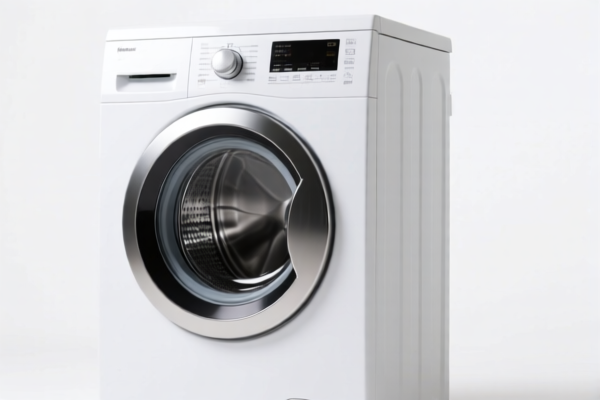
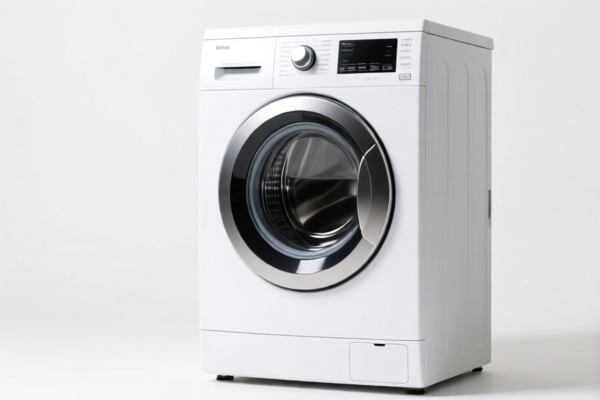
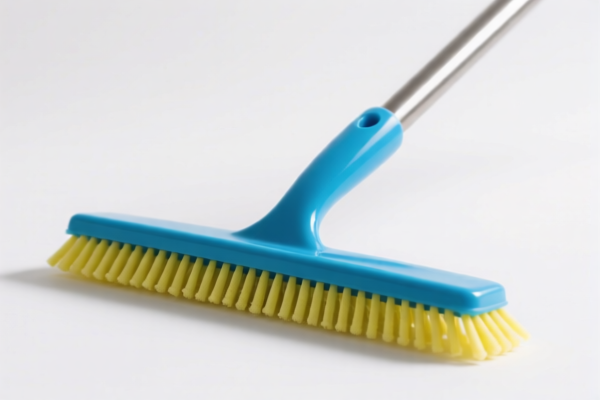
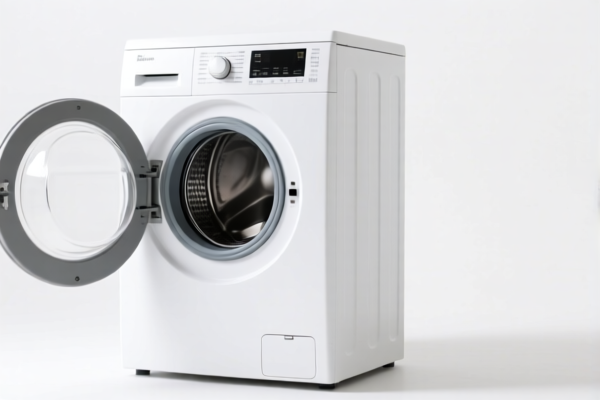
AI Analysis
🧼 Cleaning Machine (Industrial & Household)
🌐 HS Code Classification & Tariff Analysis | 2026 Customs Strategy | High-Stakes Import Guide
📌 One: What "Is" a Cleaning Machine? It's All About Function!
"Cleaning Machine" is a functional term, not a specific product definition. In international trade, its HS Code classification depends entirely on HOW it cleans (Spray/Ultrasonic) and WHERE it is used (Industrial vs. Household).
⚠️ The Critical Split: * Mechanical Sprayers (High Pressure/Steam): Look for codes in Chapter 84. * Electric Household Appliances: Look for codes in Chapter 85. * Ultrasonic Technology: Often grouped under general machinery if not specific enough.
💡 Key Insight: Misclassifying an industrial sprayer as a home appliance can save you money or trigger a customs audit depending on the specific tariff structure (Base vs. Additional Duties).
📦 Two: HS Code Breakdown & Taxation (Based on Provided Data)
| HS Code | Product Logic | Usage Scenario | Total Tax Rate | Key Tariff Components |
|---|---|---|---|---|
| 8424.30.90.00 | Steam/Sand Blasting Machines Used for jetting, dispersing liquids/powders. |
Industrial cleaning, pressure washing, steam cleaning. | 35.0% | Base: 0% + Additional: 25% + Section 301 (122条款): 10% |
| 8479.89.95.85 | Ultrasonic Cleaning Equipment Matches "machinery for cleaning" broadly. |
Industrial parts cleaning, medical equipment cleaning. | 37.5% | Base: 2.5% + Additional: 25% + Section 301 (122条款): 10% |
| 8509.80.10.00 | Electrical Appliances (General) "Other" category for electrical mechanical devices. |
General electric cleaning tools, non-home specific. | 10.0% | Base: 0% + Additional: 0% + Section 301 (122条款): 10% |
| 8509.80.50.95 | Household Electric Appliances Assumed to have a self-contained electric motor. |
Countertop cleaners, small household cleaning units. | 14.2% | Base: 4.2% + Additional: 0% + Section 301 (122条款): 10% |
| 8424.30.10.00 | Functional Liquid/Powder Sprayers Matches "jetting/dispersing" logic. |
Industrial spray cleaning, chemical dispersing. | 35.0% | Base: 0% + Additional: 25% + Section 301 (122条款): 10% |
🔍 Tariff Logic Explanation: * Base Tariff: The standard duty for general imports (ranges from 0% to 4.2% here). * Additional Tariff (加征关税): Often 25% (Section 301) for industrial machinery/sprayers from China to the US. * "122 Clause" Tariff (Section 301): An additional 10% surcharge applied to specific goods. * Total Tax: Sum of all above components.
🎯 Three: Detailed Tariff Breakdown & Legal Basis
🚨 Scenario A: High-Cost Industrial Sprayers (8424.30.90.00 & 8424.30.10.00)
Total Tax: 35.0% * Base Duty: 0.0% * Section 301 (Additional): 25.0% * Section 122 Clause: 10.0% * 💰 Cost Impact: High. If your CIF value is $10,000, you pay $3,500 in duties. * 📜 Legal Path: These codes are targeted under Section 301 due to their classification as industrial "machinery for jetting/dispersing." The 10% is likely a specific add-on for Chinese-origin goods under the "122 Clause" (often associated with specific trade remedy lists).
🚨 Scenario B: The Most Expensive Option (8479.89.95.85)
Total Tax: 37.5% * Base Duty: 2.5% * Section 301 (Additional): 25.0% * Section 122 Clause: 10.0% * 💰 Cost Impact: Highest. This applies to Ultrasonic Cleaners. * 📜 Legal Path: The "8479" series is a "catch-all" for machinery not specified elsewhere. The higher base (2.5%) combined with the 35% surcharges makes this the most expensive classification for ultrasonic units.
✅ Scenario C: The Cheapest Option (8509.80.10.00)
Total Tax: 10.0% * Base Duty: 0.0% * Section 301 (Additional): 0.0% * Section 122 Clause: 10.0% * 💰 Cost Impact: Lowest. Savings of 25-27.5% compared to industrial codes! * 📜 Legal Path: This code treats the item as a generic "Electrical Appliance" without specific industrial function restrictions, avoiding the 25% Section 301 surcharge. This is the "Golden Route" if the product fits.
✅ Scenario D: Household Appliance (8509.80.50.95)
Total Tax: 14.2% * Base Duty: 4.2% * Section 301 (Additional): 0.0% * Section 122 Clause: 10.0% * 💰 Cost Impact: Moderate. * 📜 Legal Path: Valid only if the machine has a self-contained electric motor and is clearly for home use.
🛠️ Four: Customs Clearance Strategy (Practical Tips)
✅ 1. Product Description & Declaration
- Do Not Just Say "Cleaning Machine": This triggers manual inspection.
- Recommended Description:
- If Industrial: "Industrial Steam Jetting Machine, for cleaning factory parts, Model XYZ, Voltage 220V, Not for Household Use." (Expect 35% tax).
- If Electric/General: "Electrical Cleaning Appliance, Household Type, Self-Contained Motor, Model ABC." (Aim for 10% or 14.2% tax).
- If Ultrasonic: "Ultrasonic Cleaning Device, Industrial Grade, Frequency 40kHz." (Expect 37.5% tax).
✅ 2. The "122 Clause" Warning
- What is it?: This refers to a specific Section 301 list (often linked to US Trade Representative decisions).
- Impact: It adds a flat 10% on top of everything else for Chinese-origin goods.
- Strategy: You cannot avoid this 10% unless the product is excluded or you have a specific exemption. Focus your strategy on avoiding the 25% Additional Tax by choosing the right Code (e.g., 8509 instead of 8424).
✅ 3. Documentation Checklist
| Document | Requirement | Why? |
|---|---|---|
| Technical Spec Sheet | Must clearly state "Electric Motor" vs "Compressed Air/Steam". | Distinguishes between 8509 (Home) and 8424 (Industrial). |
| Product Photos | Show the motor, housing, and usage context. | Prevents misclassification by CBP officers. |
| Function Statement | Explicitly state "Household Use" or "Industrial Use". | Crucial for 8509.80.50.95 vs 8424.30.x. |
| Bill of Lading | Ensure HS Code matches Invoice. | Mismatch = Audit. |
✅ 4. Smart Declaration Tactics
🔥 The "Golden Rule" for Savings: "If your cleaning machine has a self-contained electric motor and is not a high-pressure steam jetting system, aggressively argue for 8509.80.10.00 (10% tax) or 8509.80.50.95 (14.2% tax) over the 35%+ industrial codes."
🌍 Five: Global Market Comparison (2026 Outlook)
| Market | Best Code for Savings | Tax Rate | Notes |
|---|---|---|---|
| 🇺🇸 USA | 8509.80.10.00 |
10.0% | Avoid 8424 codes to skip the 25% Section 301 hit. |
| 🇪🇺 EU | 8424.30 |
~0-14% | EU generally has lower Section 301 impact but different CE rules. |
| 🇨🇳 China | 8424.30 |
0-2.5% | Exporting from China to itself (domestic) is free; Import to China varies. |
📌 Six: Common Pitfalls (Avoid These!)
❌ Pitfall 1: Calling an Industrial Sprayer "Cleaning Machine" to hide the 25% tax.
👉 Consequence: CBP will reclassify to 8424.30.90.00 → 35% Tax + Penalties.
❌ Pitfall 2: Failing to mention the "Electric Motor".
👉 Consequence: Missed opportunity for 8509 codes → Higher Tax.
❌ Pitfall 3: Ignoring the "122 Clause". 👉 Consequence: Budget miscalculation. You will always pay that extra 10%.
🎯 Seven: Conclusion & Action Plan
🎯 Remember the Formula:
Total Tax = Base + (25% for Industrial Machinery) + (10% for 122 Clause) OR Total Tax = Base + (0% Industrial Surcharge) + (10% for 122 Clause)
✅ Action Plan:
1. Audit your machine: Does it have an electric motor? Is it for home or factory?
2. Select the lowest code: If possible, target 8509.80.10.00 (10% total).
3. Prepare the "Electric Appliance" story: Document the motor and domestic function.
4. Budget for the 122 Clause: Plan for the unavoidable 10% surcharge.
🚀 Pro Tip: Don't just import "Cleaning Machines." Import "Electric Household Cleaning Appliances" (if applicable) to slash your duty from 35% to 10%!
✨ Customs Success Starts with the Right HS Code!
💼 Save thousands by choosing the correct classification today!
Customer Reviews
About HS Code Classification
The Harmonized System (HS) is an internationally standardized nomenclature developed by the World Customs Organization (WCO) to classify traded products. Over 200 countries use the HS system as the basis for customs tariffs, trade statistics, and import/export regulations.
Each HS code follows a hierarchical structure:
- Chapter (2 digits) — Broad category of goods (e.g., Chapter 84: Machinery and Mechanical Appliances)
- Heading (4 digits) — More specific grouping within the chapter
- Subheading (6 digits) — Internationally standardized breakdown, used by all WCO member countries
- National subdivisions (8-10 digits) — Country-specific extensions for further classification, such as US HTSUS 10-digit codes
Correct HS code classification is essential for smooth customs clearance, accurate duty payment, and compliance with trade regulations. Misclassification can lead to customs delays, overpayment of duties, or penalties.
When importing from CN to US, the applicable tariff rates may include:
- Most-Favored-Nation (MFN) rate — The standard duty rate applied to WTO members
- General rate — Applied to countries without trade agreements
- Trade remedy duties — Additional tariffs such as Section 301 (anti-dumping), Section 232 (national security), or countervailing duties
The information provided on this page is for reference purposes only. For official classification, please consult with your local customs authority or a licensed customs broker.