Cleaning Pump
CN → US| HS Code | Tariff Rate | Origin | Destination | Doc |
|---|---|---|---|---|
| 8413702090 | 35.0% | CN | US | Official Doc |
| 8413810040 | 35.0% | CN | US | Official Doc |
| 8509801000 | 10.0% | CN | US | Official Doc |
| 8509805095 | 14.2% | CN | US | Official Doc |
| 8424301000 | 35.0% | CN | US | Official Doc |
Product Images
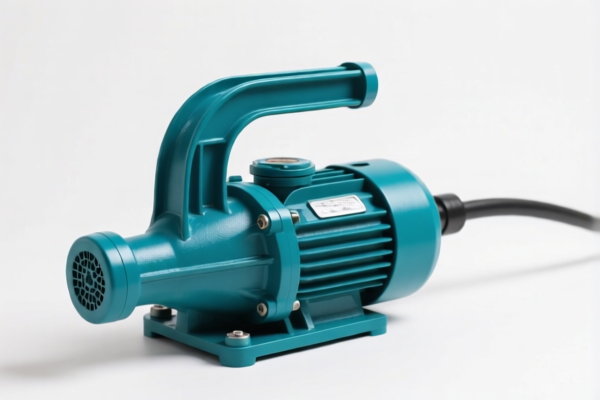
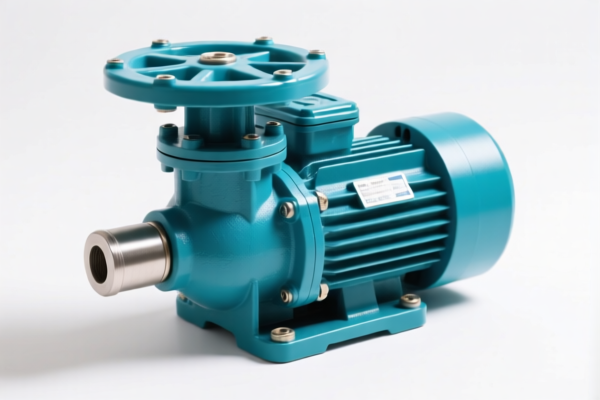
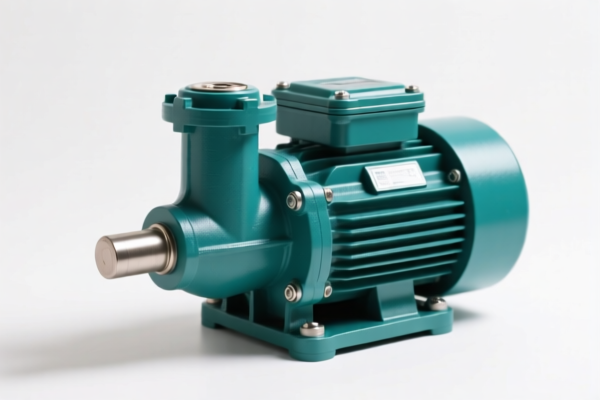
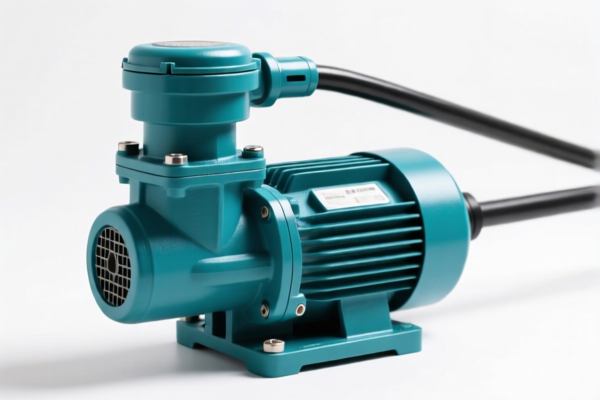
AI Analysis
🚿 Cleaning Pump (Washing Pumps & Cleaners)
🌐 HS Code Reference & Customs Clearance Guide | 2026 Latest Tariff Analysis | Professional Clearance Strategy
📌 I. Product Definition & Classification: What is a "Cleaning Pump"?
In international trade, the term "Cleaning Pump" is ambiguous and can refer to two distinct types of machinery depending on its structure and function. Proper classification is critical because the tariff rates vary significantly between mechanical pumps (Chapter 84) and electrical household appliances (Chapter 85).
1. Mechanical Washing Pumps (Centrifugal/Mechanical Pumps):
These are purely mechanical devices used to move water or cleaning fluids. They are often components of larger cleaning systems or industrial washers.
- Key Feature: Relies on mechanical rotation (centrifugal force) to pressurize liquid.
- Classification Logic: Falls under Pumps (8413).
2. Electrical Cleaning Machines/Appliances:
These are complete units, often handheld or stationary, that use electricity to generate pressure or suction for cleaning.
- Key Feature: Self-contained electric motor, designed for household or light commercial use.
- Classification Logic: Falls under Electrical Appliances (8509) or Functional Mechanical Appliances (8424).
⚠️ Key Distinction Point:
- If the item is a standalone pump unit without external cleaning nozzles/heads specifically designed as an appliance → Consider 8413.
- If the item is a complete cleaner (e.g., pressure washer, wet/dry vac) intended for end-user cleaning tasks → Consider 8509 or 8424.
📦 II. HS Code Classification Details (2026 Latest Tariff Authority Comparison)
Based on the provided data, here are the five most likely HS Codes for "Cleaning Pump" products, along with their rationale.
| HS Code | Product Description | Matching Logic / Summary | Tax Category |
|---|---|---|---|
8413.70.20.90 |
Washing Pump (Centrifugal Type) | Matches "Centrifugal Pumps" under Chapter 84. "Washing" use is not an exclusion. Follows logic for "Other Centrifugal Pumps." | High Tax (35%) |
8413.81.00.40 |
Washing Pump (Other Pumps) | Matches "Pumps" for general use. Falls under "Other Pumps" (fallback category). No material conflict. | High Tax (35%) |
8509.80.10.00 |
Cleaning Machine (Electrical Appliance) | Classified as an electric mechanical appliance. Fits under "Other Appliances" (fallback logic for electrical machines). | Medium Tax (10%) |
8509.80.50.95 |
Cleaning Machine (Household Appliance) | Inferred as a household appliance with a self-contained electric motor. Not excluded from this category. | Medium Tax (14.2%) |
8424.30.10.00 |
Cleaning Machine (Functional Mechanical) | Classified as a functional mechanical apparatus. Matches logic for "Machinery for projecting, dispersing, or spraying liquids/powders." | High Tax (35%) |
🔍 Key Reminder:
- 8413 Codes are for the pump itself (the motor/mechanism).
- 8509/8424 Codes are for the complete cleaning device/appliance.
- Misclassification between "Pump" (8413) and "Appliance" (8509) can lead to significant duty discrepancies and customs delays.
💰 III. 2026 Latest Tariff Rate Breakdown (Including Surcharges & Policy Add-ons)
✅ Applicable Country: United States (US)
✅ Origin: China (CN)
✅ Effective Date: 2025/2026 Import Period
🎯 1. 8413.70.20.90 & 8413.81.00.40 —— Mechanical Pumps (Centrifugal & Other)
| Item | Content |
|---|---|
| Base Tariff | 0.0% (ad valorem) |
| Section 301 / USITC Surcharge | +25.0% (Additional duty under US Trade Law Section 301) |
| Section 122 Tariff | +10.0% (Specific tariff provision 122) |
| Total Effective Rate | 35.0% |
| Tax Calculation | CIF Value × 35% |
| De Minimis Exemption? | ❌ No (Not eligible for de minimis exemption) |
| Legal Basis Path | Base: 0% → USITC Footnote: +25% → Section 122: +10% |
📌 Explanation:
- These pumps are classified under Chapter 84 (Nuclear Reactors, Boilers, Machinery).
- They attract the 25% Section 301 tariff (commonly known as the "Trade War tariff") due to Chinese origin.
- Additionally, 10% Section 122 tariff applies.
- Total: 35%. This is a high-duty category. Importers must budget accordingly.
🎯 2. 8509.80.10.00 —— Electrical Mechanical Appliances (General)
| Item | Content |
|---|---|
| Base Tariff | 0.0% |
| Section 301 / USITC Surcharge | 0.0% (Many household electrical appliances may be exempt or have lower rates depending on specific subheadings, but here listed as 0%) |
| Section 122 Tariff | +10.0% |
| Total Effective Rate | 10.0% |
| Tax Calculation | CIF Value × 10% |
| De Minimis Exemption? | ❌ No (Assuming standard commercial import) |
| Legal Basis Path | Base: 0% → Section 122: +10% |
📌 Explanation:
- This code falls under Chapter 85 (Electrical Machinery and Equipment).
- It benefits from a 0% base rate and 0% Section 301 surcharge (as per the provided data summary).
- Only the 10% Section 122 tariff applies.
- Total: 10%. This is a significantly more cost-effective classification if the product qualifies as a general electrical appliance.
🎯 3. 8509.80.50.95 —— Household Cleaning Appliances (Electric)
| Item | Content |
|---|---|
| Base Tariff | 4.2% |
| Section 301 / USITC Surcharge | 0.0% |
| Section 122 Tariff | +10.0% |
| Total Effective Rate | 14.2% |
| Tax Calculation | CIF Value × 14.2% |
| De Minimis Exemption? | ❌ No |
| Legal Basis Path | Base: 4.2% → Section 122: +10% |
📌 Explanation:
- This code is specifically for household appliances with self-contained electric motors.
- It has a 4.2% base duty.
- Like the previous code, it has 0% Section 301 surcharge.
- Total: 14.2%. This is a competitive rate for household cleaning devices.
🎯 4. 8424.30.10.00 —— Functional Mechanical Cleaning Machines
| Item | Content |
|---|---|
| Base Tariff | 0.0% |
| Section 301 / USITC Surcharge | +25.0% |
| Section 122 Tariff | +10.0% |
| Total Effective Rate | 35.0% |
| Tax Calculation | CIF Value × 35% |
| De Minimis Exemption? | ❌ No |
| Legal Basis Path | Base: 0% → USITC: +25% → Section 122: +10% |
📌 Explanation:
- This code covers machinery for projecting/dispersing liquids (e.g., pressure washers, spray cleaners).
- It is treated similarly to Chapter 84 pumps, attracting the 25% Section 301 and 10% Section 122 tariffs.
- Total: 35%. High duty cost.
🛠️ IV. Customs Clearance Practical Advice (Pitfall Avoidance Guide)
✅ 1. Document Checklist (Must-Haves)
| Document | Required? | Description |
|---|---|---|
| ✅ Product Specifications | ✔️ | Detailed tech specs: flow rate, pressure, voltage, power, material of impeller/pump body. |
| ✅ Photos (Clear & Labeled) | ✔️ | Show the entire unit, nameplate, motor label, and any unique features (e.g., hoses, nozzles). |
| ✅ Bill of Lading / Invoice | ✔️ | Ensure the commercial invoice clearly describes the item. Avoid generic terms like "Part." Use "Cleaning Pump" or "Household Cleaning Appliance." |
| ✅ Certifications | ✔️ | FCC, CE, UL, or ETL certificates. Electrical items must have US safety certification. |
| ✅ Origin Certificate | ✔️ | Proof of Chinese origin (if applicable). |
✅ 2. Declaration Tips (Key Rules)
🔥 "Describe Function, Not Just Name! Electrical vs. Mechanical is Key!"
| Scenario | Correct Declaration | Wrong Practice | Consequence |
|---|---|---|---|
| Standalone Pump (Motor + Impeller, no cleaning head) | 8413.70.20.90 or 8413.81.00.40 |
Declaring as "Cleaning Machine" (8509) | Penalty: Misclassification. High risk of audit. |
| Handheld Vacuum / Pressure Washer (Complete Unit) | 8509.80.10.00 or 8509.80.50.95 |
Declaring as "Pump" (8413) | Result: 10-14.2% instead of 35%. Savings! But must be proven as an appliance. |
| Industrial Sprayer (Mechanical) | 8424.30.10.00 |
Declaring as "Pump" | Risk: If it disperses liquid, 8424 is more accurate. Both carry 35% tax here. |
| OEM Custom Pump | Provide Client PO + Design Docs | Generic description | Risk: Customs may reject vague descriptions. |
✅ 3. Special Considerations
| Situation | Handling Advice |
|---|---|
| Hybrid Devices (Pump + Controller + Nozzles) | If it’s a complete cleaning system (e.g., car washer), argue for 8509 (Household Appliance) to save 20-25% in duties. Provide user manual showing "plug-and-play" usage. |
| Component Parts (Spare Pump) | If sold as a spare part, ensure it’s not usable as a standalone appliance. Use 8413 codes. |
| Certifications | US Customs may withhold release if FCC/UL labels are missing on electrical items (8509 codes). Never ship uncertified electrical goods to the US. |
🌍 V. Global Market Clearance Comparison (2026 Latest)
| Country/Region | Recommended HS Code | Tariff Rate (China Origin) | Certification Required | Remarks |
|---|---|---|---|---|
| 🇺🇸 USA | 8509.80.50.95 (Appliance) or 8413.70.20.90 (Pump) |
14.2% (Appliance) or 35% (Pump) | FCC, UL, ETL | High scrutiny on electrical safety. |
| 🇨🇳 China | 8413.70.20.90 |
5% (Base) | CCC (if electrical) | No Section 301. |
| 🇪🇺 EU | 8413.70 or 8424.30 |
3.7% - 4.5% (Base) | CE, RoHS, ErP | No high surcharges like US. |
| 🇬🇧 UK | 8413.70 |
3.7% - 4.5% | UKCA, CE | Post-Brexit rules apply. |
| 🇦🇺 Australia | 8413.70 |
5% | RCM, C-Tick | Similar to EU standards. |
📌 Conclusion:
- USA is the most costly market due to Section 301 and Section 122 tariffs.
- Strategy: If the product is a complete cleaning device, always strive for classification under Chapter 85 (8509) to reduce duty from 35% to 10-14.2%.
- Evidence: Provide user manuals, photos of plug-in usage, and marketing materials showing it as a "cleaner" rather than just a "pump part."
📌 VI. Common Errors & Pitfall Guide (Lessons Learned)
❌ Mistake 1: Calling a "Pressure Washer" a "Water Pump"
👉 Result: Customs may classify it as 8413 (35% tax) instead of 8509 (14.2%).
👉 Fix: Declare as "Electric Pressure Washer" or "Cleaning Appliance" and provide photos showing the gun/hose assembly.
❌ Mistake 2: Missing FCC/UL Labels
👉 Result: Customs detention, return to origin, or heavy fines.
👉 Fix: Ensure all electrical components (8509) have permanent, legible safety marks.
❌ Mistake 3: Vague Invoice Description ("Pump")
👉 Result: Customs officer has discretion. They may choose the highest duty code (8413 or 8424).
👉 Fix: Be specific. "12V DC Centrifugal Washing Pump for Car Wash System."
✅ Correct Declaration Example:
"Household Electric Cleaning Appliance, Model XYZ, 110V, 60Hz, Self-Contained Motor, Includes Hose and Nozzle, FCC Certified."
(Target HS: 8509.80.50.95 @ 14.2%)
🎯 VII. Conclusion: Smart Classification Saves Money!
🎯 Remember the Rule:
🔹 "If it plugs in and cleans → 8509 (Save 20%+)!"
🔹 "If it’s just a pump motor → 8413 (Pay 35%!)"
🔹 "Check Certs, Check Photos, Check Nameplate!"
📌 Pro Tip:
If you are exporting to the US, apply for an Advance Ruling from CBP (Customs and Border Protection) before shipping. This locks in the HS code and tariff rate, protecting you from unexpected back-taxes.
📣 Immediate Action:
📞 Contact a licensed US Customs Broker.
📤 Submit product photos and specs.
🚀 Optimize your HS Code to reduce tariffs by up to 25%!
✨ Professional Clearance Starts with Accurate Classification!
💼 Every Dollar Saved in Duties is Pure Profit!
Customer Reviews
About HS Code Classification
The Harmonized System (HS) is an internationally standardized nomenclature developed by the World Customs Organization (WCO) to classify traded products. Over 200 countries use the HS system as the basis for customs tariffs, trade statistics, and import/export regulations.
Each HS code follows a hierarchical structure:
- Chapter (2 digits) — Broad category of goods (e.g., Chapter 84: Machinery and Mechanical Appliances)
- Heading (4 digits) — More specific grouping within the chapter
- Subheading (6 digits) — Internationally standardized breakdown, used by all WCO member countries
- National subdivisions (8-10 digits) — Country-specific extensions for further classification, such as US HTSUS 10-digit codes
Correct HS code classification is essential for smooth customs clearance, accurate duty payment, and compliance with trade regulations. Misclassification can lead to customs delays, overpayment of duties, or penalties.
When importing from CN to US, the applicable tariff rates may include:
- Most-Favored-Nation (MFN) rate — The standard duty rate applied to WTO members
- General rate — Applied to countries without trade agreements
- Trade remedy duties — Additional tariffs such as Section 301 (anti-dumping), Section 232 (national security), or countervailing duties
The information provided on this page is for reference purposes only. For official classification, please consult with your local customs authority or a licensed customs broker.