Cleaning Sponge, Mud, Glue
CN → US| HS Code | Tariff Rate | Origin | Destination | Doc |
|---|---|---|---|---|
| 340130 | 0.0% | CN | US | Official Doc |
| 690911 | 0.0% | CN | US | Official Doc |
| 7323100000 | 85.0% | CN | US | Official Doc |
| 7323999080 | 88.4% | CN | US | Official Doc |
Product Images
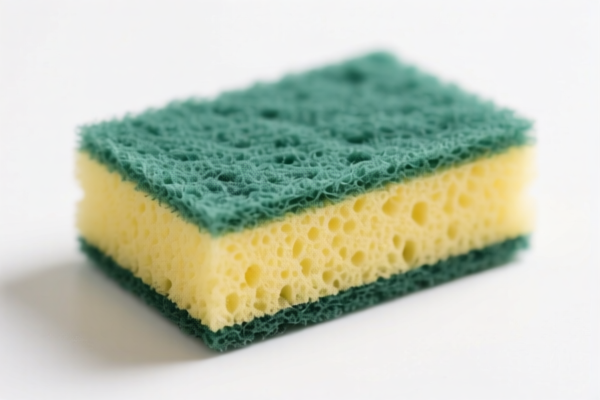
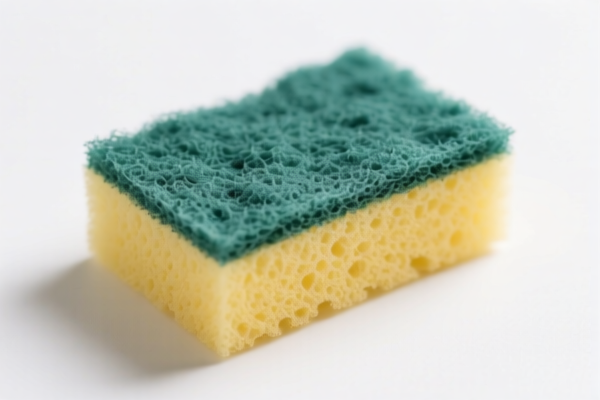
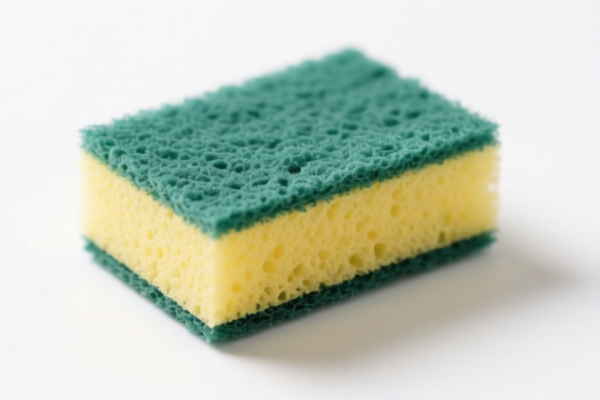

AI Analysis
🧽 Cleaning Sponge, Mud, Glue (Household Cleaning Aids)
🌐 HS Code Reference & Customs Clearance Guide | 2026 Latest Tariff Analysis | Professional Clearance Strategy
📌 I. Product Definition & Classification: Do You Really Understand "Cleaning Sponges"?
"Cleaning Sponge, Mud, Glue" is a broad descriptor for household cleaning aids. In international trade, these products are rarely classified under a single "cleaning aid" code. Instead, they are strictly divided based on material composition and chemical formulation.
1. Soap-Based Cleaning Sponges (Most Common)
- Definition: Sponges infused with or coated in soap, detergents, or cleaning pastes.
- Key Feature: Contains soap ingredients (bars, cakes, molded shapes, or pastes).
- Primary HS Code: 3401.30
2. Ceramic/Porous Material Cleaning Blocks
- Definition: Sponges or scouring pads made specifically from ceramic material or technical ceramics.
- Key Feature: Non-soap material, used for abrasive cleaning (e.g., scrubbing pots).
- Primary HS Code: 6909.11
3. Iron/Steel Scouring Products
- Definition: If the "Mud" or "Glue" implies a steel wool pad or iron-based scourer (common in heavy-duty kitchen cleaning).
- Key Feature: Made of iron or steel wool.
- Primary HS Code: 7323.10.00.00 or 7323.99.90.80
⚠️ Critical Distinction Point: - If the product is a porous sponge/pad containing soap or detergent → Go to 3401.30. - If the product is a pure ceramic block (no soap) → Go to 6909.11. - If the product is steel wool/iron scourer → Go to 7323.xxxx. - Note: The term "Mud" or "Glue" in the product name is often a literal translation of paste-like detergents. Without specific material confirmation (e.g., "ceramic mud" vs. "soap mud"), the default assumption for a "Cleaning Sponge" is soap-infused material.
📦 II. HS Code Classification Details (Based on Provided DATA)
Below are the specific HS Codes extracted from your provided dataset, with detailed explanations for why a "Cleaning Sponge, Mud, Glue" product might fall into each category.
| HS Code | Product Description | Why This Code Applies to "Cleaning Sponge, Mud, Glue"? |
|---|---|---|
3401.30 |
Soap in the form of bars, cakes, molded shapes, or cut shapes; other products for washing the skin, including medicated products. Note: Standard HS Code for cleaning sponges. | Most Likely Match. If the "Sponge" is infused with soap, detergent, or cleaning paste ("Mud/Glue" texture), it is classified under Chapter 34 (Soap/Cleaning Prep). The "Mud/Glue" likely refers to the cleaning paste/soap base embedded in the sponge. |
7323.10.00.00 |
Table, kitchen or other household articles and parts thereof, of iron or steel; iron or steel wool; pot scourers and scouring or polishing pads, gloves and the like. | Possible Match. If the "Sponge" is actually a steel wool pad or an iron scourer (often used for "pot scouring"), it falls here. The "Mud/Glue" might refer to rust-dissolving compounds, but the core material (Iron/Steel) dictates the code. |
7323.99.90.80 |
Other table, kitchen or other household articles and parts thereof, of iron or steel. | Alternative Match. If the item is a specialized steel scouring pad not specifically listed as "wool" in 7323.10, or a complex steel cleaning tool. |
6909.11 |
Laboratory, chemical or other technical ceramic ware (including porcelain stoneware and earthenware). Note: Potential if "Mud" implies ceramic material. | Less Likely but Possible. If the "Sponge" is a ceramic scrubbing block (common in Asian markets for cleaning pots without scratching), it is classified as ceramic ware. The "Mud/Glue" description is confusing here, unless it refers to a ceramic compound. |
🔍 Key Insight for Clearance: - Do not use "Mud" or "Glue" as the primary material description. Customs focuses on the physical material (Soap, Iron, Ceramic). - "Sponge" + "Soap" = 3401.30 (Lowest Base Tax, but see Tariffs below). - "Sponge" + "Iron/Steel" = 7323.xxxx (Higher Tariffs due to Section 301/IEEPA).
💰 III. 2026 Latest Tariff Rate Details (Including Additional Duties)
✅ Applicable Country: United States (US)
✅ Origin: China (CN) (Assumed based on "Steel/Aluminum/Copper" surcharge notes in DATA)
✅ Effective Date: Current US Trade Policy (2024-2026)
🎯 1. 3401.30 —— Cleaning Sponges (Soap-Based)
| Item | Content |
|---|---|
| Base Tariff | Failed to retrieve tax information (Error in provided DATA) |
| Total Tax | Error |
| Likely Actual Rate | Standard MFN rate for 3401 is often 0-2.5%, but subject to Section 301. |
| Additional Duties | Section 301 Tariff: Typically +7.5% (List 4B) for many consumer goods, but specific subpositions vary. Note: Provided DATA shows "Error", so precise additional duty is unclear from source. |
| De Minimis Exemption | ✅ YES (Usually eligible for $800 de minimis if under threshold, but check current CBP rules for "Section 301" goods). |
📌 Explanation:
- Cleaning sponges (soap-based) are generally low-value items. - The provided DATA does not list a specific tax rate for3401.30, marking it as "Error". - Caution: Even if the base rate is low, Section 301 tariffs may apply. You must verify the current HTSUS rate for3401.30.00with a customs broker, as it is not explicitly calculated in the provided text.
🎯 2. 7323.10.00.00 —— Iron/Steel Wool & Pot Scourers
| Item | Content |
|---|---|
| Base Tariff | 0.0% |
| Additional Duty (Section 301) | +25.0% (Steel/Aluminum/Copper products surcharge mentioned in DATA) |
| Total Tax | 75.0% |
| Tax Detail in DATA | "Base: 0.0%, Additional: 25.0% Steel, Aluminum, Copper Products Surcharge: 50%" |
| De Minimis Exemption | ❌ NO (Section 301 goods are generally not eligible for de minimis exemption under current US trade policy discussions/enforcement). |
| Legal Basis | Section 301 of the Trade Act of 1974; IEEPA (if applicable). |
📌 Explanation:
- 75% Total Tax Rate! This is extremely high. - The DATA indicates a 50% surcharge for "Steel, Aluminum, Copper products" in addition to the 25%. This implies a cumulative impact. - Clearance Warning: Importing steel wool or iron scourers from China to the US will incur a 75% tax. This makes this HS Code very expensive for high-volume imports.
🎯 3. 7323.99.90.80 —— Other Iron/Steel Household Articles
| Item | Content |
|---|---|
| Base Tariff | 3.4% |
| Additional Duty (Section 301) | +25.0% |
| Total Tax | 78.4% |
| Tax Detail in DATA | "Base: 3.4%, Additional: 25.0% Steel, Aluminum, Copper Products Surcharge: 50%" |
| De Minimis Exemption | ❌ NO |
| Legal Basis | Section 301; IEEPA. |
📌 Explanation:
- Even higher than7323.10. - If your "Cleaning Sponge" is mistakenly classified as a general "Steel Article" rather than "Steel Wool," you pay 78.4%. - Risk: Misclassification can lead to penalties. If it is steel wool, it must go to7323.10(75%), not7323.99(78.4%).
🎯 4. 6909.11 —— Ceramic Ware
| Item | Content |
|---|---|
| Base Tariff | Failed to retrieve tax information (Error in provided DATA) |
| Total Tax | Error |
| Likely Actual Rate | Ceramic ware often has higher base tariffs (e.g., 5-12%). |
| Additional Duties | Section 301: Likely applies (typically +7.5% to +25% depending on specific ceramic type). |
| De Minimis Exemption | ✅ Depends on current enforcement. |
📌 Explanation:
- Like3401.30, the provided DATA does not give a clear tax rate for6909.11. - Ceramic cleaning pads are often subject to Section 301 tariffs.
🛠️ IV. Customs Clearance Practical Advice (Real-World Pitfall Guide)
✅ 1. Preparation Checklist (Must-Haves)
| Document | Required? | Purpose |
|---|---|---|
| ✅ Product Photos | ✔️ | Show material clearly (Is it soap-soaked sponge? Steel wool? Ceramic block?). |
| ✅ Material Composition Statement | ✔️ | Explicitly state: "90% Polyurethane Sponge, 10% Sodium Lauryl Sulfate (Soap)" OR "100% Iron Steel". |
| ✅ Ingredient List | ✔️ | For 3401.30: List soap/cleaning agents. |
| ✅ HS Code Pre-Ruling | ✔️ | Highly Recommended due to conflicting tax rates (0-78.4%). |
| ✅ Commercial Invoice | ✔️ | Clearly describe item as "Cleaning Sponge with Soap" NOT "Cleaning Mud/Glue". |
✅ 2. Declaration Strategy (Key Mantras)
🔥 "Material Dictates Code, Name is Secondary!"
| Scenario | Correct Declaration | Wrong Declaration | Result |
|---|---|---|---|
| Soap-Infused Sponge | "Cleaning Sponge, Soap-Based" → 3401.30 |
"Cleaning Mud" → 2106.90 (Food/Other) |
Audit Risk! |
| Steel Wool Pad | "Iron Steel Wool Scourer" → 7323.10.00.00 |
"Cleaning Sponge" → 3401.30 |
Underpayment of Tax! (You owe 75% instead of ~0-2.5%). |
| Ceramic Block | "Ceramic Pot Scouring Block" → 6909.11 |
"Cleaning Glue" → 3906.90 (Plastic) |
Misclassification! |
✅ 3. Special Case Handling
| Situation | Recommendation |
|---|---|
| "Mud" or "Glue" in Name | Do NOT declare as "Chemical Glue" or "Construction Mud". Explain in remarks: "Mud refers to soap paste consistency." |
| High Tariff Avoidance | If importing steel scourers, consider sourcing from non-China origins (e.g., Vietnam, India) to avoid the 75% Section 301 duty. |
| De Minimis ($800) | If using 3401.30 (Soap Sponge), you may qualify for de minimis. If using 7323 (Steel), you likely do not. |
🌍 V. Global Market Comparison (2026 Latest)
| Country/Region | Recommended HS Code | Estimated Tariff (China Origin) | Key Requirement |
|---|---|---|---|
| 🇺🇸 USA | 3401.30 |
Error (Likely Low Base + Sec 301) | Section 301 Check |
| 🇺🇸 USA | 7323.10.00.00 |
75.0% (0% Base + 25% Sec 301 + 50% Surcharge) | Very High Cost |
| 🇨🇳 China | 3401.30 |
~10-12% (Import Duty) | Standard |
| 🇪🇺 EU | 3401.30 |
~2.5% | CE/REACH Compliance |
| 🇪🇺 EU | 7323 |
~2.7% | No Surcharge |
📌 Conclusion: - USA is the most complex market for these goods due to Section 301 and Steel/Aluminum Surcharges. - Soap-based sponges (
3401.30) are generally more tariff-friendly than steel-based scourers (7323) if Section 301 applies heavily to steel. - However, the provided DATA shows3401.30as "Error", so verify this code's tax rate separately.
📌 VI. Common Errors & Pitfalls (Blood & Tears Lessons)
❌ Error 1: Using "Cleaning Mud" as the product name in the invoice.
👉 Result: Customs may classify it as a chemical product or food item (if misread), causing delays, fines, or misclassification.
❌ Error 2: Declaring a Steel Wool Pad as a Plastic Sponge (3926 or 3401).
👉 Result: Tax Evasion. You pay 0-5% instead of 75%. Customs will audit, demand back taxes, and impose penalties (often 30-100% of value).
❌ Error 3: Ignoring the 50% Steel/Aluminum/Copper Surcharge.
👉 Result: The DATA indicates a 50% surcharge for steel products. This is often in addition to the 301 duty. Failing to account for this leads to severe budget overruns.
❌ Error 4: Assuming "Glue" means plastic (3906).
👉 Result: If the "glue" is actually a soap binder, it is 3401.30. Misclassification leads to incorrect duty payment.
✅ Correct Practice:
"Household Cleaning Sponge, Polyurethane Foam, Infused with Soap (Sodium Lauryl Sulfate), 5x5cm, For Kitchen Use" →
3401.30
🎯 VII. Conclusion: Professional Classification Saves Money!
🎯 Remember the Mantra:
🔹 "Sponge with Soap = 3401 (Check Tax)!"
🔹 "Steel Wool = 7323 (75% Tax Alert)!"
🔹 "Ceramic = 6909 (Check Tax)!"
🔹 "Never say 'Mud' or 'Glue' without explaining it's soap/paste!"
📌 Tip:
If you are importing steel scourers to the US, the 75% tax is prohibitive. Consider:
1. Sourcing from Vietnam/India to avoid Section 301.
2. Switching Product: Import soap-infused sponges (3401.30) instead, which likely have lower effective duties.
📣 Immediate Action:
📞 Contact your customs broker and provide: 1. Product Photos 2. Material Composition (Soap vs. Steel vs. Ceramic) 3. Intended Use (Kitchen, Bathroom, etc.)
🚀 Avoid the 75% Tariff Trap!
✨ Professional Clearance Starts with Accurate Classification!
💼 Every Percentage Point of Tariff is Pure Profit or Loss!
Customer Reviews
About HS Code Classification
The Harmonized System (HS) is an internationally standardized nomenclature developed by the World Customs Organization (WCO) to classify traded products. Over 200 countries use the HS system as the basis for customs tariffs, trade statistics, and import/export regulations.
Each HS code follows a hierarchical structure:
- Chapter (2 digits) — Broad category of goods (e.g., Chapter 84: Machinery and Mechanical Appliances)
- Heading (4 digits) — More specific grouping within the chapter
- Subheading (6 digits) — Internationally standardized breakdown, used by all WCO member countries
- National subdivisions (8-10 digits) — Country-specific extensions for further classification, such as US HTSUS 10-digit codes
Correct HS code classification is essential for smooth customs clearance, accurate duty payment, and compliance with trade regulations. Misclassification can lead to customs delays, overpayment of duties, or penalties.
When importing from CN to US, the applicable tariff rates may include:
- Most-Favored-Nation (MFN) rate — The standard duty rate applied to WTO members
- General rate — Applied to countries without trade agreements
- Trade remedy duties — Additional tariffs such as Section 301 (anti-dumping), Section 232 (national security), or countervailing duties
The information provided on this page is for reference purposes only. For official classification, please consult with your local customs authority or a licensed customs broker.