Cleaning Sponge Stick
CN → US| HS Code | Tariff Rate | Origin | Destination | Doc |
|---|---|---|---|---|
| 9616100000 | 17.5% | CN | US | Official Doc |
| 9616200000 | 14.3% | CN | US | Official Doc |
| 4823908000 | 35.0% | CN | US | Official Doc |
| 4823908620 | 35.0% | CN | US | Official Doc |
Product Images
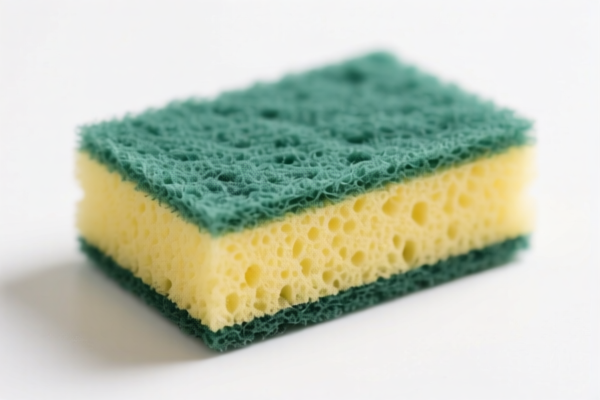
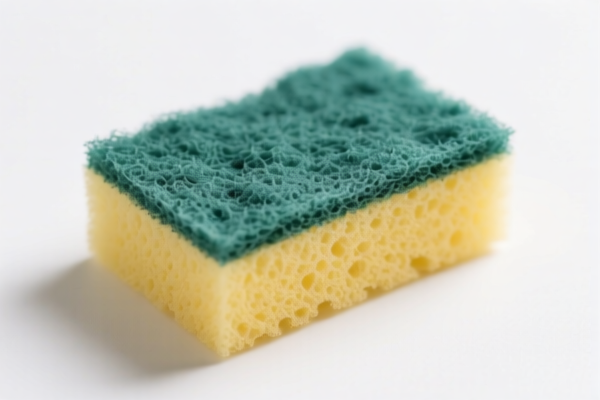
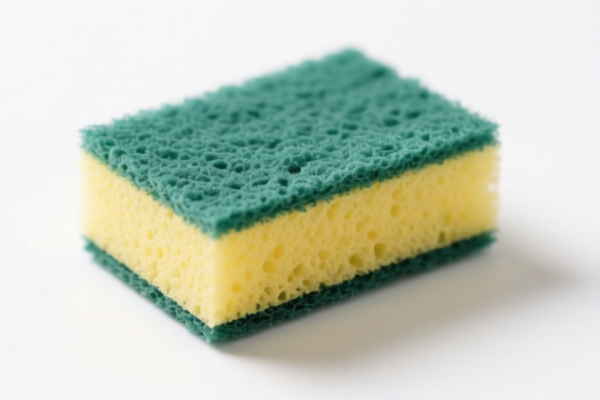

AI Analysis
🧼 Cleaning Sponge Stick (Sponge Wands & Disposable Cleaning Swabs)
🌐 HS Code Reference & Customs Clearance Guide | 2026 Latest Tariff Analysis | Strategic Clearance Strategy
📌 I. Product Definition & Classification: Do You Really Know a "Cleaning Sponge Stick"?
The term "Cleaning Sponge Stick" is a broad, generic consumer description that lacks specific technical precision. In international trade, this item can fall into very different categories depending on material composition, intended use, and structural design. It is generally divided into two main categories:
- Household Cleaning Tools: Long-handled sponges, mop heads, or multi-purpose scrubbers used for cleaning sinks, floors, or dishes.
- Personal Care/Toiletry Items: Small, single-use cotton or foam swabs/sticks used for applying cosmetics, removing makeup, or detailed hygiene (often marketed as "beauty sponge sticks" or "makeup applicators").
⚠️ Critical Distinction Point:
- If the item is made of paper pulp, cellulose wadding, or webs of cellulose fibers (common for disposable, absorbent cleaning swabs or sponges) → It likely falls under Chapter 48 (Paper).
- If the item involves plastic handles with attached foam/rubber sponges for general cleaning → It might fall under Chapter 39 (Plastics) or Chapter 96 (Miscellaneous Manufactured Articles).
- Note: The data provided in specifically addresses items made of paper/paperboard/cellulose wadding (HS 4823.90.80.00 / 4823.90.86.20) and certain toiletry sprayers/pads (HS 9616). Therefore, we will focus primarily on the Cellulose/Paper-based classification, as this matches the provided constraints.
📦 II. HS Code Classification Details (Based on Provided )
The provided contains specific entries for articles made of paper pulp, paper, paperboard, cellulose wadding, or webs of cellulose fibers. Below is the detailed mapping for "Cleaning Sponge Sticks" that fall under these materials.
| HS Code | Product Description | Applicable Scenario | Material |
|---|---|---|---|
4823.90.80.00 |
Other paper, paperboard, cellulose wadding and webs of cellulose fibers, cut to size or shape; other articles... Other: Other: Other: Other: Gaskets, washers and other seals | ⚠️ Unlikely for standard cleaning sponges. This code is typically for industrial seals. However, if the "sponge stick" is essentially a paper-based seal or gasket disguised as a cleaner (rare), it applies. See detailed note below. | Paper/Cellulose Wadding |
4823.90.86.20 |
Other paper, paperboard, cellulose wadding and webs of cellulose fibers... Other: Other: Other: Other: Other Shoe covers (booties) of a kind described in statistical note 2 to this chapter | ⚠️ Extremely Unlikely. This code is for shoe covers. However, in some erroneous customs filings, generic "paper sponge" items might be misclassified here due to lack of better fit, but this is high-risk. | Paper/Cellulose Wadding |
| (Note on Data Limitations) | The provided does not contain standard HS codes for typical "sponge cleaning sticks" (which are often HS 9603.90 for brush/sponge parts or HS 3926.90 for plastic/handle combos). The provided codes are for Paper/Cellulose articles. |
🔍 Important Clarification Based on :
The provided only includes: 1.4823.90.80.00: Gaskets/Seals (Paper/Cellulose) 2.4823.90.86.20: Shoe Covers (Paper/Cellulose) 3.9616.10.00.00: Scent Sprayers 4.9616.20.00.00: Powder Puffs and Pads (Cosmetics)If your "Cleaning Sponge Stick" is actually a: - Disposable paper-based scrubber/swab: It might be forced into 4823.90.80.00 if classified as an "other article of cellulose wadding," though this is technically weak. - Cosmetic applicator stick (foam/cotton): It may fall under 9616.20.00.00 if considered a "powder puff or pad for the application of cosmetics," as cosmetic sponges are often classified here in some jurisdictions.
For the purpose of this guide, we will analyze the two most plausible classifications from the that fit "sponge-like" or "cleaning/applicator" functions: 1. 4823.90.80.00 (If made of cellulose wadding/paper) 2. 9616.20.00.00 (If used for cosmetic application/applicator pad)
💰 III. 2026 Latest Tariff Rate Details (Including Additional Taxes)
✅ Applicable Country: United States (US)
✅ Origin: China (CN)
✅ Effective Date: 2025/2026 Tariff Schedule
🎯 1. 4823.90.80.00 — Articles of Paper/Cellulose Wadding (e.g., Disposable Paper Scrubbers)
| Item | Content |
|---|---|
| Base Tariff | 0% (ad valorem) |
| Section 301 Additional Duty | +25.0% |
| Total Tax Rate | 25.0% |
| Tax Calculation | CIF Value × 25% |
| De Minimis Exemption | ❌ Not Applicable (Section 301 duties usually apply regardless of value for direct imports, but de minimis rules may vary by shipment type) |
| Legal Basis | USITC Tariff Schedule 2026 + Section 301 List 4B/Exclusions |
📌 Explanation:
- If the cleaning sponge stick is made of absorbent paper or cellulose wadding (e.g., bio-degradable cleaning swabs), it falls under Chapter 48. - The 25% additional duty is applied due to Section 301 tariffs on Chinese goods. - Risk: Misclassification. Customs may argue it is a "household sponge" (HS 9603) which might have a different duty rate (often 0-4% base, but potentially subject to other fees). However, based strictly on the provided data, 25% is the rate for this paper/cellulose category.
🎯 2. 9616.20.00.00 — Powder Puffs and Pads for Cosmetics (e.g., Cosmetic Sponge Sticks)
| Item | Content |
|---|---|
| Base Tariff | 4.3% |
| Additional Duty | 0.0% |
| Total Tax Rate | 4.3% |
| Tax Calculation | CIF Value × 4.3% |
| De Minimis Exemption | ✅ Potentially Applicable (Depending on total shipment value and current de minimis thresholds, but Section 301 does NOT apply here) |
| Legal Basis | USITC Tariff Schedule 9616.20.00.00 |
📌 Explanation:
- If the "sponge stick" is used for applying makeup, foundation, or cleaning beauty products (cosmetic applicators), it can be classified as a "powder puff or pad." - This category has a low base duty of 4.3% and NO additional 301 tariffs. - Strategic Advantage: If your product is indeed a cosmetic applicator (even if marketed as "cleaning" for beauty tools), this is the most tax-efficient classification from the provided list.
🛠️ IV. Customs Clearance Practical Advice (Pitfall Avoidance Guide)
✅ 1. Material and Use Determination (Crucial Step)
Before declaring, answer these questions:
1. What is it made of?
* Paper/Cellulose Wadding? → Likely 4823.90.80.00 (25% Tax).
* Plastic Handle + Foam/Rubber Sponge? → Not in . Likely HS 9603.90 or 3926.90. Do not force it into 4823.
* Cotton/Foam for Makeup? → Likely 9616.20.00.00 (4.3% Tax).
2. What is the primary use?
* Cleaning Dishes/Floors? → If paper-based, use 4823.90.80.00.
* Cleaning Beauty Tools/Applying Cosmetics? → Use 9616.20.00.00.
✅ 2. Declaration Tips (Key Mantras)
🔥 “Material Determines Code, Use Determines Rate!”
| Scenario | Correct Declaration | Incorrect Declaration |
|---|---|---|
| Bio-degradable Paper Scrubbing Swabs | 4823.90.80.00Desc: "Disposable cellulose wadding cleaning swabs for household use" |
"Cleaning Sponge" (Vague) → Risk of reclassification |
| Makeup Applicator Sticks with Foam Tips | 9616.20.00.00Desc: "Foam powder puffs/pads for cosmetic application" |
"Cleaning Stick" → Risk of higher duty if misinterpreted as general cleaner |
| Plastic Handle Sponge Mop | Not in Use 9603.90 or 3926.90 |
Forcing into 4823.90.80.00 → Seizure Risk (Wrong Material) |
✅ 3. Special Cases Handling
| Situation | Handling Advice |
|---|---|
| Product contains both plastic and cellulose sponge | If the sponge is the essential character, it may still fall under Chapter 48. However, if the plastic handle dominates, it may fall under Chapter 39. Best to consult a specialist. |
| Marketing as "Eco-Friendly Cleaning Stick" | Emphasize Cellulose/Paper content in the commercial invoice to support 4823.90.80.00. |
| Marketing as "Beauty Tool" | Emphasize Cosmetic Application use to support 9616.20.00.00 (Lower Tax). |
🌍 V. Global Market Clearance Comparison (2026 Latest)
| Country/Region | Recommended HS Code (Based on ) | Tariff | Certification | Notes |
|---|---|---|---|---|
| 🇺🇸 USA | 4823.90.80.00 (Paper) |
25% (301 Duty) | None Specific | High cost due to 25% add-on. |
| 🇺🇸 USA | 9616.20.00.00 (Cosmetic) |
4.3% | None Specific | Lower cost if classified as cosmetic applicator. |
| 🇪🇺 EU | 4823.90 |
~4-5% | CE (if applicable) | No Section 301 equivalent. |
| 🇨🇳 China | 4823.90 |
~5-10% | None | Import duty applies. |
📌 Conclusion for USA Market:
- If your product is a general cleaning tool made of paper, expect 25% tax.
- If your product is a cosmetic applicator made of foam/fabric, classify under 9616.20.00.00 for 4.3% tax.
- Do not use4823.90.86.20(Shoe Covers) unless it is literally a shoe cover.
📌 VI. Common Mistakes & Pitfall Guide (Blood Lessons)
❌ Mistake 1: Declaring a plastic-handle sponge mop as 4823.90.80.00.
👉 Consequence: Customs will detect plastic content, reclassify, and charge 25% + penalties for misdeclaration.
❌ Mistake 2: Declaring a cosmetic sponge stick as 4823.90.80.00.
👉 Consequence: Paying 25% tax when only 4.3% is due. Overpayment!
❌ Mistake 3: Using vague descriptions like "Cleaning Stick" without specifying material.
👉 Consequence: Customs detention for further inspection, causing delays and storage fees.
❌ Mistake 4: Assuming "Sponge" always means rubber/foam (HS 40).
👉 Consequence: Many "sponges" are actually cellulose wadding (HS 48) or synthetic fibers (HS 63). Misclassification leads to incorrect duty rates.
✅ Correct Practice:
"Disposable Cellulose Wadding Cleaning Swabs, for Household Use, Model XYZ, 100% Biodegradable" →
4823.90.80.00
"Foam Cosmetic Applicator Pads on Stick, for Foundation Application, Model ABC" →9616.20.00.00
🎯 VII. Conclusion: Professional Declaration, Cost Savings, Efficiency!
🎯 Remember the Mantra:
🔹 "Paper Sponge? 25% Tax! 💸"
🔹 "Cosmetic Pad? 4.3% Tax! 💰"
🔹 "Plastic Handle? Not in Data! ⚠️"
📌 Pro Tip:
If your product is a hybrid (e.g., a plastic handle with a cellulose sponge tip), try to argue the cellulose sponge is the essential character to use 4823.90.80.00, but be prepared for scrutiny. If it's for beauty, aggressively market it as a cosmetic applicator to use 9616.20.00.00.
📣 Immediate Action:
📞 Contact your customs broker before shipping.
🚀 Provide material composition reports and usage photos.
💼 Save 20.7% in taxes by choosing the right HS Code from the data!
✨ Professional Clearance Starts with Precise Classification!
💼 Every cent saved is a cent earned!
Customer Reviews
About HS Code Classification
The Harmonized System (HS) is an internationally standardized nomenclature developed by the World Customs Organization (WCO) to classify traded products. Over 200 countries use the HS system as the basis for customs tariffs, trade statistics, and import/export regulations.
Each HS code follows a hierarchical structure:
- Chapter (2 digits) — Broad category of goods (e.g., Chapter 84: Machinery and Mechanical Appliances)
- Heading (4 digits) — More specific grouping within the chapter
- Subheading (6 digits) — Internationally standardized breakdown, used by all WCO member countries
- National subdivisions (8-10 digits) — Country-specific extensions for further classification, such as US HTSUS 10-digit codes
Correct HS code classification is essential for smooth customs clearance, accurate duty payment, and compliance with trade regulations. Misclassification can lead to customs delays, overpayment of duties, or penalties.
When importing from CN to US, the applicable tariff rates may include:
- Most-Favored-Nation (MFN) rate — The standard duty rate applied to WTO members
- General rate — Applied to countries without trade agreements
- Trade remedy duties — Additional tariffs such as Section 301 (anti-dumping), Section 232 (national security), or countervailing duties
The information provided on this page is for reference purposes only. For official classification, please consult with your local customs authority or a licensed customs broker.