Cleaning Spray
CN → US| HS Code | Tariff Rate | Origin | Destination | Doc |
|---|---|---|---|---|
| 3402905030 | 38.7% | CN | US | Official Doc |
| 3808945095 | 40.0% | CN | US | Official Doc |
| 3924104000 | 13.4% | CN | US | Official Doc |
| 3924905650 | 20.9% | CN | US | Official Doc |
| 3402505100 | 10.0% | CN | US | Official Doc |
| 3808594000 | 40.0% | CN | US | Official Doc |
Product Images
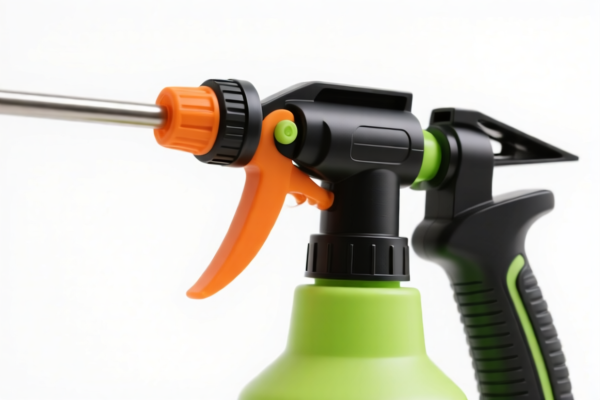
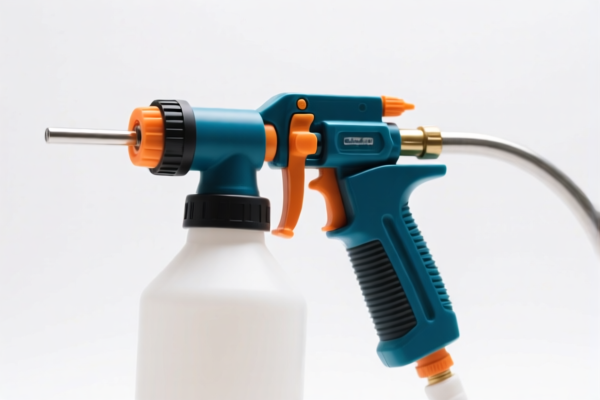
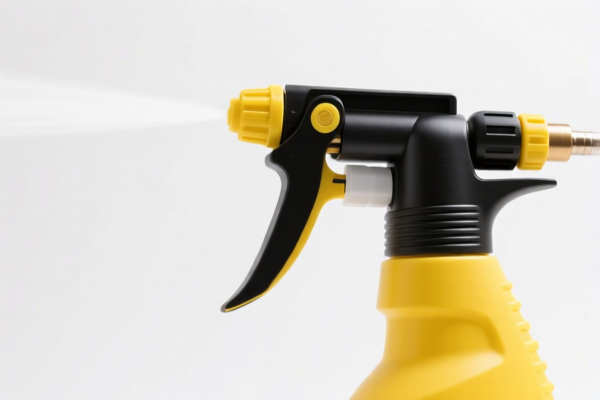
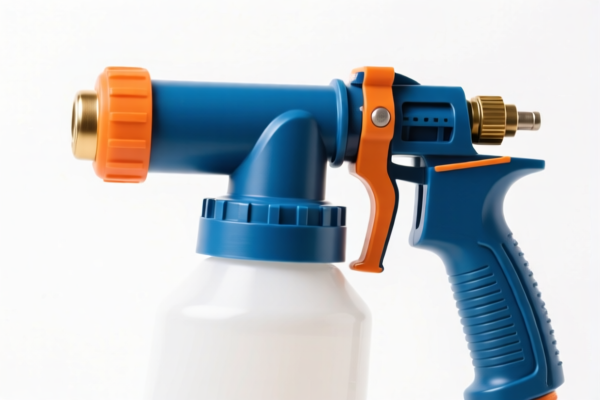
AI Analysis
🧴 Cleaning Spray (Disinfectant & Hygiene Products)
🌐 HS Code Reference & Customs Clearance Guide | 2026 Latest Tariff Analysis | Professional Customs Strategy
📌 I. Product Definition & Classification: What Exactly is "Cleaning Spray"?
"Cleaning Spray" is a broad category in international trade, typically referring to liquid or aerosol formulations used for household hygiene, surface disinfection, or industrial cleaning. In customs classification, the primary function (disinfection vs. cleaning) and packaging material are the key determinants.
1. Chemical Preparations (Cleaning Agents): - Focuses on the chemical composition (e.g., surfactants, oxidizers). - Used for general cleaning, degreasing, or sanitizing surfaces. - Key Indicator: Contains organic surface-active agents or specific chemical disinfectants not classified elsewhere.
2. Disinfectants (Biocidal Products): - Focuses on the biological effect (killing bacteria/viruses). - Often falls under Chapter 38 (Miscellaneous Chemical Products). - Key Indicator: Labeled specifically as "Disinfectant," "Antibacterial," or "Sanitizer."
3. Packaging/Containers: - If importing empty plastic bottles/sprayers, the classification shifts entirely to the material (Plastics, Chapter 39).
⚠️ Critical Distinction:
- If the product kills germs → Disinfectant (Chapter 38).
- If the product cleans dirt/grease → Chemical Preparation (Chapter 34).
- If the product is empty plastic packaging → Plastic Articles (Chapter 39).
📦 II. HS Code Classification Details (2026 Latest Tariff Authority)
| HS Code | Product Description | Application Scenario | Key Classification Logic |
|---|---|---|---|
| 3402.90.50.30 | Chemical preparations for cleaning; disinfecting sprays | General cleaning sprays, multi-surface cleaners | Function aligns with cleaning preparations; chemical composition dominates. |
| 3808.94.50.95 | Disinfectants (other); liquid sanitizers | Hospital-grade disinfectants, household sanitizers | Explicit disinfection purpose; fits liquid preparation logic. |
| 3924.10.40.00 | Tableware, kitchenware, and hygienic/toilet articles of plastic | Empty plastic spray bottles or household hygiene plastic items | Inferred material is plastic; purpose is household hygiene. |
| 3924.90.56.50 | Other plastic household articles | Other plastic-based hygiene or household items | Based on material inference; plastic household goods category. |
| 3402.50.51.00 | Organic surface-active agents; cleaning preparations | Surfactant-based cleaners, liquid detergents | Material inferred as organic surfactants; fits cleaning definition. |
| 3808.59.40.00 | Disinfectants in other forms (preparations) | Liquid disinfectants in spray or other forms | Name explicitly matches disinfection purpose; preparation form. |
🔍 Key Reminder:
- Disinfectants generally fall under 3808 (Chapter 38).
- General Cleaners generally fall under 3402 (Chapter 34).
- Empty Bottles fall under 3924 (Chapter 39).
- Misclassification between "Cleaner" and "Disinfectant" can lead to significant tariff differences due to "Section 301" and "Section 122" tariffs.
💰 III. 2026 Latest Tariff Rate Breakdown (Including Surcharges & Policy Add-ons)
✅ Applicable Country: United States (US)
✅ Origin: China (CN)
✅ Effective Date: From November 10, 2025 (including subsequent imports)
🎯 1. 3402.90.50.30 —— Cleaning Preparations (Chemical Basis)
| Item | Content |
|---|---|
| Base Tariff | 3.7% (Ad valorem) |
| Section 301 Surcharge | +25.0% (25% Additional Duty) |
| Section 122 Tariff | +10.0% (Specific 122 Clause Tariff) |
| Total Tax Rate | 38.7% |
| Tax Calculation | CIF Value × 38.7% |
| De Minimis Eligibility | ❌ Not Eligible (High tariff rate usually excludes de minimis benefits for commercial shipments) |
| Legal Basis Path | HTS:3402.90.50.30 → USITC Footnote 301 → Section 122 Authority |
📌 Explanation:
- The 3.7% is the standard MFN (Most Favored Nation) rate for cleaning preparations.
- The 25% is the standard Section 301 tariff on many Chinese chemical products.
- The 10% is an additional specific tariff clause (Section 122) applied to certain imports.
- Total 38.7% is a significant cost factor.
🎯 2. 3808.94.50.95 —— Liquid Disinfectants
| Item | Content |
|---|---|
| Base Tariff | 5.0% (Ad valorem) |
| Section 301 Surcharge | +25.0% |
| Section 122 Tariff | +10.0% |
| Total Tax Rate | 40.0% |
| Tax Calculation | CIF Value × 40.0% |
| De Minimis Eligibility | ❌ Not Eligible |
| Legal Basis Path | HTS:3808.94.50.95 → USITC Footnote 301 → Section 122 Authority |
📌 Note:
- Disinfectants often have a higher base rate (5%) compared to general cleaners (3.7%).
- The surcharges are identical, leading to a total of 40%.
- If the product is marketed as "Disinfectant," this code is more likely.
🎯 3. 3924.10.40.00 —— Plastic Hygiene Articles (Empty Containers)
| Item | Content |
|---|---|
| Base Tariff | 3.4% (Ad valorem) |
| Section 301 Surcharge | 0.0% (Often exempt or lower for specific plastic items) |
| Section 122 Tariff | +10.0% |
| Total Tax Rate | 13.4% |
| Tax Calculation | CIF Value × 13.4% |
| De Minimis Eligibility | ❌ Not Eligible (for commercial quantities) |
| Legal Basis Path | HTS:3924.10.40.00 → Section 122 Authority |
📌 Explanation:
- This code applies if you are importing empty plastic spray bottles or household plastic hygiene items.
- Significant Savings: The 0% Section 301 surcharge makes this the most cost-effective option if the product is just packaging.
- Warning: Do not misdeclare filled sprays as empty bottles; this is customs fraud.
🎯 4. 3924.90.56.50 —— Other Plastic Household Articles
| Item | Content |
|---|---|
| Base Tariff | 3.4% (Ad valorem) |
| Section 301 Surcharge | +7.5% (Partial surcharge for some plastics) |
| Section 122 Tariff | +10.0% |
| Total Tax Rate | 20.9% |
| Tax Calculation | CIF Value × 20.9% |
| De Minimis Eligibility | ❌ Not Eligible |
| Legal Basis Path | HTS:3924.90.56.50 → Section 301 → Section 122 |
📌 Note:
- A middle-ground option for plastic household items.
- Lower than chemical codes (38.7%-40%) but higher than the exempt plastic code (13.4%).
🎯 5. 3402.50.51.00 —— Organic Surface-Active Agents (Cleaners)
| Item | Content |
|---|---|
| Base Tariff | 0.0% (Ad valorem) |
| Section 301 Surcharge | 0.0% |
| Section 122 Tariff | +10.0% |
| Total Tax Rate | 10.0% |
| Tax Calculation | CIF Value × 10.0% |
| De Minimis Eligibility | ❌ Not Eligible |
| Legal Basis Path | HTS:3402.50.51.00 → Section 122 Authority |
📌 Explanation:
- Lowest Tax Rate Among Chemicals: If the product is purely a surfactant-based cleaner (not a disinfectant), it may qualify for 0% base + 0% Section 301.
- Total 10% is highly competitive.
- Requirement: Must be clearly defined as a cleaning agent/surfactant, not a biocidal disinfectant.
🎯 6. 3808.59.40.00 —— Other Disinfectants (Preparations)
| Item | Content |
|---|---|
| Base Tariff | 5.0% (Ad valorem) |
| Section 301 Surcharge | +25.0% |
| Section 122 Tariff | +10.0% |
| Total Tax Rate | 40.0% |
| Tax Calculation | CIF Value × 40.0% |
| De Minimis Eligibility | ❌ Not Eligible |
| Legal Basis Path | HTS:3808.59.40.00 → USITC Footnote 301 → Section 122 Authority |
📌 Note:
- Similar to3808.94.50.95.
- Applies to disinfectants in other forms (sprays, liquids).
- High Cost: 40% total tax.
🛠️ IV. Customs Clearance Practical Advice (Battle-Tested Pitfall Guide)
✅ 1. Document Checklist (Mandatory)
| Document | Must Provide | Explanation |
|---|---|---|
| ✅ Product Specification Sheet | ✔️ | Detail ingredients: Is it a surfactant (cleaner) or a biocide (disinfectant)? |
| ✅ MSDS (Safety Data Sheet) | ✔️ | Critical for liquid/chemical imports. Shows hazard classification. |
| ✅ Product Photos (Including Label) | ✔️ | Must show "Disinfectant," "Cleaner," or "Surfactant" clearly. |
| ✅ EPA Registration Number | ✔️ | If labeled as a disinfectant in the US, EPA registration is mandatory. |
| ✅ Commercial Invoice | ✔️ | Must specify "Cleaning Spray" or "Disinfectant Solution." |
| ✅ Packing List | ✔️ | Specify if items are empty bottles (Plastic HS) or filled containers (Chemical HS). |
✅ 2. Declaration Tips (Key Mantras)
🔥 "Function Dictates Code, Ingredient Dictates Tax!"
| Scenario | Correct Declaration | Wrong Practice |
|---|---|---|
| Product kills germs | 3808... (Disinfectant) | Declaring as "Cleaner" → Risk of penalty + higher back-dated taxes. |
| Product cleans grease | 3402.50.51.00 (Surfactant) | Declaring as "Disinfectant" → Higher tax (40% vs 10%). |
| Empty plastic bottles | 3924.10.40.00 (Plastic) | Declaring as "Chemical" → 13.4% vs 38.7% (Massive savings). |
| Mixed shipment (Bottles + Liquid) | Split Declaration | Combining into one line → 100% Risk of Seizure. |
✅ 3. Special Situation Handling
| Situation | Handling Advice |
|---|---|
| OEM Private Label | Ensure the supplier provides the MSDS. If it's a "Disinfectant," you need an EPA number. |
| Aerosol vs. Non-Aerosol | Aerosols require additional DOT (Department of Transportation) shipping documents. |
| "Natural" Cleaning Spray | Still classified by function. If it claims "Antibacterial," it's a disinfectant (3808). If just "Grease Cutting," it's a cleaner (3402). |
| Empty Bottles with Pump | Classify as 3924.10.40.00. Do not include the pump mechanism in the chemical weight. |
🌍 V. Global Major Market Comparison (2026 Latest)
| Country/Region | Recommended HS Code | Tariff (China Origin) | Certification Required | Notes |
|---|---|---|---|---|
| 🇺🇸 USA | 3402.50.51.00 (Cleaner) |
10% (Lowest) | EPA (if disinfectant), FDA (if skin contact) | Highest scrutiny on "Disinfectant" claims. |
| 🇺🇸 USA | 3808.94.50.95 (Disinfectant) |
40% | EPA Registration Mandatory | High cost due to Section 301 & 122. |
| 🇨🇳 China | 3402.90.50.30 |
5-10% | None | Lower tariffs for imports. |
| 🇪🇺 EU | 3402 / 3808 |
0-4% (Standard) | REACH, CLP Labeling | No Section 301, but strict chemical regulations. |
| 🇬🇧 UK | 3402 / 3808 |
0-4% | UK REACH | Post-Brexit alignment with EU standards. |
📌 Conclusion:
- USA is the most expensive market due to Section 301 (25%) and Section 122 (10%) tariffs.
- Cheapest Route: If possible, classify as Surfactant/Cleaner (3402.50.51.00) with 0% Section 301.
- Avoid "Disinfectant" unless necessary, as it triggers higher base rates and full surcharges.
📌 VI. Common Errors & Pitfall Guide (Lessons Learned)
❌ Error 1: Declaring filled disinfectant sprays as empty plastic bottles
👉 Consequence: Customs seizure, fines, and blacklisting. 13.4% vs 40% tax risk.
❌ Error 2: Using "All-Purpose Cleaner" label for a product that kills 99.9% of bacteria
👉 Consequence: Classified as Disinfectant (3808) → 40% Tax instead of 10%. EPA violation risk.
❌ Error 3: Missing EPA Registration for Disinfectants
👉 Consequence: Entry Denied. US Customs will not clear products without valid EPA numbers for disinfectant claims.
❌ Error 4: Not separating Aerosol Propellants
👉 Consequence: Additional DOT Hazmat fees and inspections.
✅ Correct Practice:
"Cleaning Spray, Liquid, Surfactant-Based, Non-Disinfectant, Plastic Container, Model XYZ, EPA Exempt (if applicable)"
🎯 VII. Conclusion: Professional Declaration, Save Cost, Avoid Risk!
🎯 Remember the Mantra:
🔹 "Cleaner = 3402 (10%), Disinfectant = 3808 (40%), Bottle = 3924 (13.4%)."
🔹 "Label matters: If you say 'Disinfectant,' you pay the Disinfectant price."
🔹 "Check EPA: No EPA Number = No Entry for Disinfectants."
📌 Pro Tip:
If your product is primarily a grease remover or detergent, emphasize surfactant ingredients in your MSDS to qualify for 3402.50.51.00 (10% Total Tax). Avoid "Antibacterial" claims unless you have EPA registration.
📣 Immediate Action:
📞 Contact a licensed broker + Provide MSDS + Verify EPA Status
🚀 Clear customs smoothly, minimize taxes, and maximize profit!
✨ Professional Customs, Starting with Precise Classification!
💼 Every cent of tariff savings counts!
Customer Reviews
About HS Code Classification
The Harmonized System (HS) is an internationally standardized nomenclature developed by the World Customs Organization (WCO) to classify traded products. Over 200 countries use the HS system as the basis for customs tariffs, trade statistics, and import/export regulations.
Each HS code follows a hierarchical structure:
- Chapter (2 digits) — Broad category of goods (e.g., Chapter 84: Machinery and Mechanical Appliances)
- Heading (4 digits) — More specific grouping within the chapter
- Subheading (6 digits) — Internationally standardized breakdown, used by all WCO member countries
- National subdivisions (8-10 digits) — Country-specific extensions for further classification, such as US HTSUS 10-digit codes
Correct HS code classification is essential for smooth customs clearance, accurate duty payment, and compliance with trade regulations. Misclassification can lead to customs delays, overpayment of duties, or penalties.
When importing from CN to US, the applicable tariff rates may include:
- Most-Favored-Nation (MFN) rate — The standard duty rate applied to WTO members
- General rate — Applied to countries without trade agreements
- Trade remedy duties — Additional tariffs such as Section 301 (anti-dumping), Section 232 (national security), or countervailing duties
The information provided on this page is for reference purposes only. For official classification, please consult with your local customs authority or a licensed customs broker.