Climbing Device
CN → US| HS Code | Tariff Rate | Origin | Destination | Doc |
|---|---|---|---|---|
| 7308400000 | 85.0% | CN | US | Official Doc |
| 9403708031 | 35.0% | CN | US | Official Doc |
| 8428100000 | 17.5% | CN | US | Official Doc |
| 7308909590 | 85.0% | CN | US | Official Doc |
| 9403896003 | 35.0% | CN | US | Official Doc |
Product Images
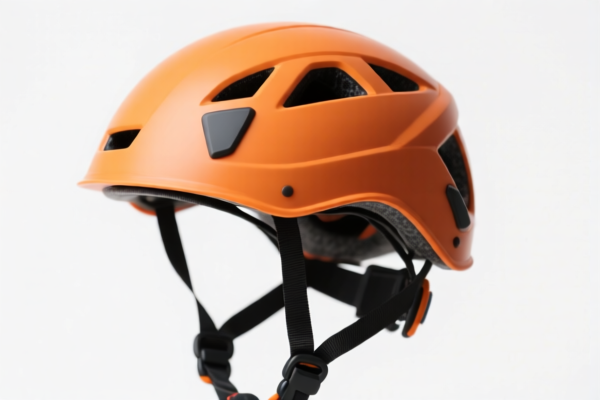
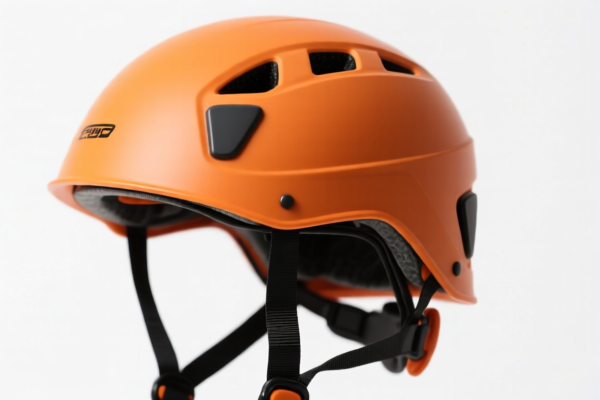
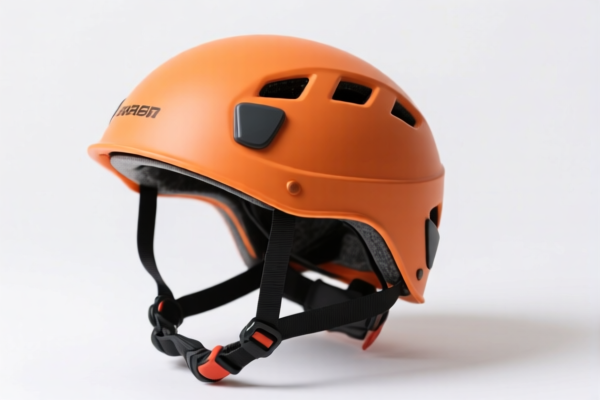
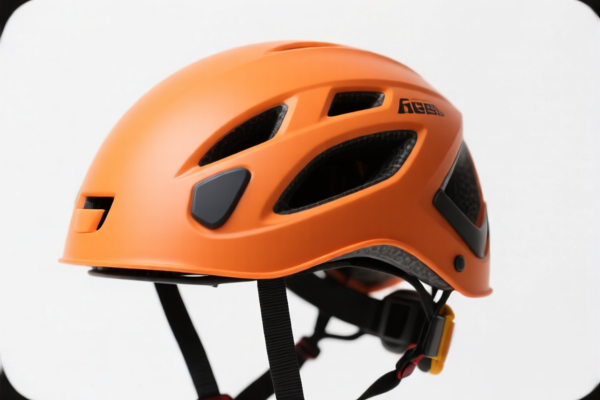
AI Analysis
🧗️ Climbing Device (Climbing Platform/Structure)
🌐 HS Code Reference & Customs Clearance Guide | 2026 Latest Tariff Analysis | Professional Clearance Strategy
📌 I. Product Definition & Classification: What Exactly is a "Climbing Device"?
A "Climbing Device" in the context of international trade typically refers to Climbing Platforms, Play Structures, or Industrial Access Platforms. Its classification is highly volatile because it depends entirely on material composition and intended use.
It falls into three primary categories: 1. Steel/Iron Structures: Industrial supports, frames, or structural components. 2. Plastic Furniture/Play Equipment: Children’s play structures, plastic frames. 3. Mechanical/Lifting Equipment: If it involves mechanical movement for lifting or transporting.
⚠️ Critical Distinction:
- If it is a static steel frame for support → Chapter 73
- If it is a plastic playground structure → Chapter 94
- If it is a mechanical lift/transporter → Chapter 84
📦 II. HS Code Classification Details (2026 Latest Tariff Authoritative Comparison)
| HS Code | Product Description | Applicable Scenario | Material/Function |
|---|---|---|---|
7308.40.00.00 |
Iron/Steel Structures (Supports/Frames) | Industrial climbing frames, steel supports for climbing | ✅ Steel/Iron |
9403.70.80.31 |
Other Plastic Furniture | Climbing platforms made of plastic, playground equipment | ✅ Plastic |
8428.10.00.00 |
Lifting/Handling Machinery | Mechanical climbing platforms, elevators, conveyors | ⚙️ Mechanical |
7308.90.95.90 |
Other Iron/Steel Structures | Iron/steel parts/components not specified elsewhere | ✅ Steel/Iron |
9403.89.60.03 |
Other Furniture (Limiting/Restricting) | Facilities restricting/limiting children's activity range | ✅ Plastic/Mixed |
🔍 Key Reminder:
- Steel vs. Plastic: If the structure is >50% steel by weight/value, it likely falls under 7308. If it is primarily plastic playground gear, it falls under 9403. - Function Matters: If the device has motors/pulleys to lift people, it may be misclassified as furniture when it should be machinery (8428).
💰 III. 2026 Latest Tariff Rate Details (Including Surcharge Policies)
✅ Applicable Country: United States (US)
✅ Origin: China (CN)
✅ Effective Time: 2025/2026 (Based on Section 301 & IEEPA)
🎯 1. 7308.40.00.00 & 7308.90.95.90 —— Iron/Steel Structures
| Item | Content |
|---|---|
| Base Tariff | 0% |
| Section 301 Surcharge | +25% (USITC Footnote) |
| Section 232 / IEEPA Surcharge | +50% (Steel/Aluminum/Copper specific tariffs) |
| Additional IEEPA Surcharge | +10% (Targeting China/HK products) |
| Total Tariff | 85.0% |
| De Minimis Exemption | ❌ NOT AVAILABLE |
| Legal Path | Section 232 + Section 301 + IEEPA:9903 |
📌 Explanation:
- Steel climbing platforms are subject to the highest tier of tariffs. - The 50% steel-specific tariff is added on top of the base and 301 duties. - Total 85% makes this category extremely expensive.
🎯 2. 9403.70.80.31 & 9403.89.60.03 —— Plastic Furniture/Play Equipment
| Item | Content |
|---|---|
| Base Tariff | 0% |
| Section 301 Surcharge | +25% |
| Additional IEEPA Surcharge | +10% |
| Total Tariff | 35.0% |
| De Minimis Exemption | ❌ NOT AVAILABLE |
| Legal Path | Section 301 + IEEPA:9903 |
📌 Explanation:
- Plastic climbing structures (e.g., toddler play centers) are significantly cheaper to import. - Avoid steel components if possible to remain in this lower tariff bracket.
🎯 3. 8428.10.00.00 —— Mechanical Lifting/Handling Equipment
| Item | Content |
|---|---|
| Base Tariff | 0% |
| Section 301 Surcharge | +7.5% |
| Additional IEEPA Surcharge | +10% |
| Total Tariff | 17.5% |
| De Minimis Exemption | ❌ NOT AVAILABLE |
| Legal Path | Section 301 + IEEPA:9903 |
📌 Explanation:
- If your "climbing device" is actually a mechanical lift or conveyor system, it may qualify for this lower rate. - Warning: Misclassifying a steel structure as machinery to avoid the 85% steel tariff is a major customs fraud risk. Only use this if the device actually performs mechanical lifting/transport.
🛠️ IV. Customs Clearance Practical Advice (Battle-Tested Pitfall Guide)
✅ 1. Documentation Checklist (Mandatory)
| Document | Required | Notes |
|---|---|---|
| ✅ Product Specifications | ✔️ | Must clearly state material (Steel vs. Plastic) and weight ratio. |
| ✅ Detailed Photos | ✔️ | Show all angles, labels, and any moving parts (mechanical vs. static). |
| ✅ Bill of Materials (BOM) | ✔️ | Critical to prove if >50% is steel or plastic. |
| ✅ Commercial Invoice | ✔️ | Must match HS Code description exactly (e.g., "Plastic Playground Climber" vs. "Steel Support Frame"). |
| ✅ Proof of Non-Mechanical | ✔️ | If claiming 9403 or 7308, provide a statement that the device has NO motors/engines. |
✅ 2. Declaration Strategy (Key Mantra)
🔥 "Material Dictates Code, Function Dictates Duty!"
| Scenario | Correct HS Code | Error to Avoid |
|---|---|---|
| Steel Frame (Static) | 7308.40.00.00 |
Avoid 9403 → Saves 50% but risky if audited. |
| Plastic Play Structure | 9403.70.80.31 |
Avoid 8428 → No motors, don't claim machinery. |
| Mechanical Elevator/Lift | 8428.10.00.00 |
Avoid 7308 → Only use if it lifts people/goods. |
| Mixed Material (Steel + Plastic) | 7308 (Usually) |
Check essential character → Steel often dominates. |
✅ 3. Special Case Handling
| Situation | Handling Advice |
|---|---|
| OEM Playground Equipment | Ensure "Plastic" is the primary material. Use 9403 to save 50% vs. Steel. |
| Industrial Access Platform | If static steel, accept the 85% tariff or look for duty drawback options. |
| Mechanical Climbing Wall | If it has winches/motors, classify as 8428 (17.5%) to save costs. |
| Parts Only | Steel parts → 7308.90.95.90 (85%). Plastic parts → 9403 (35%). |
🌍 V. Global Market Clearance Comparison (2026)
| Country/Region | Recommended HS Code | Tariff Rate | Certification | Notes |
|---|---|---|---|---|
| 🇺🇸 USA | 9403.70.80.31 (Plastic) |
35% | ASTM F1487 (Playground Safety) | Steel items hit 85%. |
| 🇨🇳 China | 9403.70.80.31 |
0-5% | CCC (if applicable) | Lower base tariff. |
| 🇪🇺 EU | 9503.00.95 (Toys/Play) |
0-6.5% | EN 71 (Safety) | EU classifies playground equipment under Toys/Play. |
| 🇬🇧 UK | 9403.89.60.03 |
0-5% | UKCA | Post-Brexit rules apply. |
📌 Conclusion:
- USA is the highest-cost market for climbing devices due to aggressive tariffs. - Plastic > Steel for tariff purposes. If designing a new product, prioritize plastic components to reduce duty burden. - Mechanical features can lower tariffs (17.5%) but require strict adherence to machinery definitions.
📌 VI. Common Mistakes & Pitfall Guide (Blood Lessons)
❌ Mistake 1: Classifying a Steel Climbing Wall as Plastic Furniture (9403)
👉 Consequence: 85% vs 35%. Customs audit will catch material mismatch. Heavy fines and back taxes.
❌ Mistake 2: Classifying a Static Steel Frame as Machinery (8428)
👉 Consequence: 17.5% vs 85%. Misdeclaration of function. Seizure of goods.
❌ Mistake 3: Ignoring the Steel Tariff (50%)
👉 Consequence: Unexpected cost surge. Profit margin wiped out by 50% extra duty.
❌ Mistake 4: Splitting Shipment (Steel Parts + Plastic Parts)
👉 Consequence: Higher total tariff if not consolidated correctly. Ensure "Essential Character" is defined.
✅ Correct Practice:
"Plastic Children's Climbing Frame, No Motors, ASTM Certified, Model XYZ" →
9403.70.80.31(35%) "Steel Industrial Support Frame, Static, No Mechanical Parts" →7308.40.00.00(85%) "Mechanical Personnel Lift Platform" →8428.10.00.00(17.5%)
🎯 VII. Conclusion: Professional Declaration, Cost Optimization!
🎯 Remember the Mantra:
🔹 "Plastic Wins: 35%. Steel Loses: 85%. Mechanical Lifts: 17.5%."
🔹 "Check Material First, Function Second, Declare Accurately."
📌 Pro Tip:
If your climbing device is origined in Vietnam, Mexico, or Thailand, you may apply for IEEPA Exemption, reducing tariffs to 0%~5%.
Recommend Advance Ruling (Pre-classification) with US CBP to avoid post-clearance adjustments.
📣 Immediate Action:
📞 Contact a licensed customs broker + Provide BOM + Apply for Advance Ruling
🚀 Let your climbing devices pass customs smoothly, boost profits, and scale globally!
✨ Professional Customs Clearance Starts with Accurate Classification!
💼 Every Cent Saved is a Cent Earned!
Customer Reviews
About HS Code Classification
The Harmonized System (HS) is an internationally standardized nomenclature developed by the World Customs Organization (WCO) to classify traded products. Over 200 countries use the HS system as the basis for customs tariffs, trade statistics, and import/export regulations.
Each HS code follows a hierarchical structure:
- Chapter (2 digits) — Broad category of goods (e.g., Chapter 84: Machinery and Mechanical Appliances)
- Heading (4 digits) — More specific grouping within the chapter
- Subheading (6 digits) — Internationally standardized breakdown, used by all WCO member countries
- National subdivisions (8-10 digits) — Country-specific extensions for further classification, such as US HTSUS 10-digit codes
Correct HS code classification is essential for smooth customs clearance, accurate duty payment, and compliance with trade regulations. Misclassification can lead to customs delays, overpayment of duties, or penalties.
When importing from CN to US, the applicable tariff rates may include:
- Most-Favored-Nation (MFN) rate — The standard duty rate applied to WTO members
- General rate — Applied to countries without trade agreements
- Trade remedy duties — Additional tariffs such as Section 301 (anti-dumping), Section 232 (national security), or countervailing duties
The information provided on this page is for reference purposes only. For official classification, please consult with your local customs authority or a licensed customs broker.