Cling Film Dispenser
CN → US| HS Code | Tariff Rate | Origin | Destination | Doc |
|---|---|---|---|---|
| 7323999030 | 88.4% | CN | US | Official Doc |
| 3926100000 | 15.3% | CN | US | Official Doc |
| 3926901000 | 20.9% | CN | US | Official Doc |
Product Images
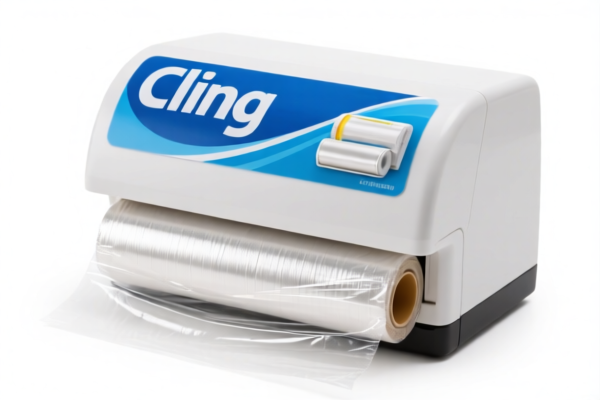
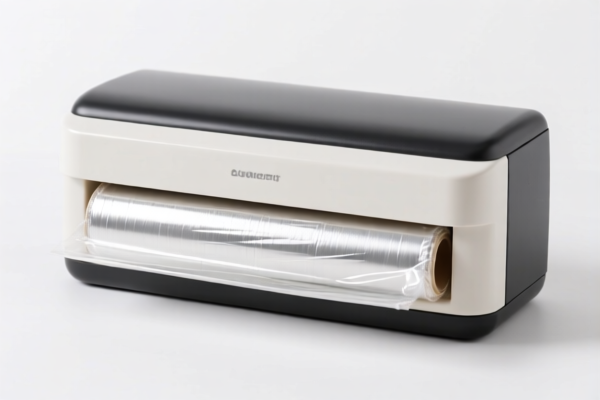
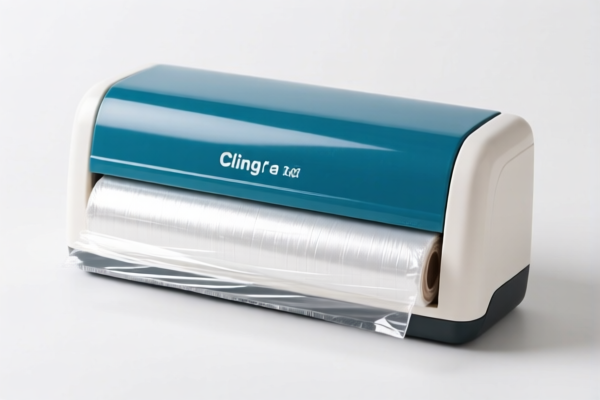
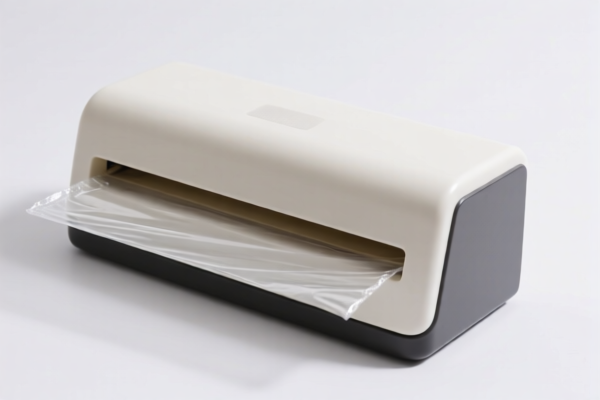
AI Analysis
🧻 Cling Film Dispenser (Plastic/Metal Container)
🌐 HS Code Reference & Customs Clearance Guide | 2026 Latest Tariff Analysis | Professional Clearance Strategy
📌 I. Product Definition & Classification: What Exactly is a "Cling Film Dispenser"?
A Cling Film Dispenser is a household or commercial utility device used to store, cut, and dispense plastic wrap (cling film). In international trade, its classification depends heavily on the material composition and primary function.
Key Distinctions: 1. Metal/Aluminum Dispensers: Often classified as tableware/kitchenware items if they are rigid containers for table use. 2. Plastic Dispensers: Classified as "Other Plastic Articles" or "Plastic Containers," depending on whether they are considered specific office/school supplies or general plastic goods.
⚠️ Critical Determinant:
- If the dispenser is made of metal and used as a kitchen/container item → Potential 7323.99.90.30.
- If made of plastic for general office/school use → Potential 3926.10.00.00.
- If made of plastic as a general other plastic container → Potential 3926.90.10.00.
📦 II. HS Code Classification Details (2026 Latest Tariff Authority Comparison)
Based on the provided data, here are the three potential classifications for Cling Film Dispensers:
| HS Code | Product Description | Material Inference | Usage Category |
|---|---|---|---|
7323.99.90.30 |
Table/Lesserwares of Iron/Steel (Other) | Metal/Plastic (Inferred) | Tableware / Kitchen Container |
3926.10.00.00 |
Office/School Supplies of Plastic | Plastic | Office/School Supply Container |
3926.90.10.00 |
Other Plastic Articles | Plastic | General Plastic Container |
🔍 Key Reminder:
- Metal Dispensers: If the dispenser is rigid and used for storing kitchen items, it may fall under 7323.99.90.30.
- Plastic Dispensers: If it is a simple plastic box for office/school use, it falls under 3926.10.00.00. If it is a generic plastic container, it falls under 3926.90.10.00.
- Do not mix classifications: Ensure the material matches the HS Code description.
💰 III. 2026 Latest Tariff Rate Breakdown (Including Additional Duties)
✅ Applicable Country: United States (US)
✅ Origin: China (CN)
✅ Effective Date: Current rates apply for imports from China.
🎯 1. 7323.99.90.30 —— Table/Lesserwares of Iron/Steel (Metal/Plastic Dispenser)
| Item | Detail |
|---|---|
| Base Tariff | 3.4% |
| Additional Tariff (Section 301) | 25.0% |
| Section 122 Tariff (Steel/Aluminum/Copper) | 50.0% |
| Total Tax Rate | 88.4% |
| Tax Calculation | CIF Value × 88.4% |
| De Minimis Exemption | ❌ Not Eligible |
| Legal Basis Path | Base: 3.4% + 301: 25.0% + Sec 122: 50.0% |
📌 Explanation:
- This classification incurs the highest tax burden due to the cumulative effect of base tariffs, Section 301 additional tariffs, and Section 122 tariffs on steel/aluminum products.
- Total 88.4% makes this classification extremely costly. Only choose this if the product is definitively classified as metal tableware.
🎯 2. 3926.10.00.00 —— Office/School Supplies of Plastic (Plastic Dispenser)
| Item | Detail |
|---|---|
| Base Tariff | 5.3% |
| Additional Tariff (Section 301) | 0.0% |
| Section 122 Tariff | 10.0% |
| Total Tax Rate | 15.3% |
| Tax Calculation | CIF Value × 15.3% |
| De Minimis Exemption | ❌ Not Eligible |
| Legal Basis Path | Base: 5.3% + Sec 122: 10.0% |
📌 Note:
- This is the most favorable classification for plastic clifm film dispensers intended for office/school use.
- Only 15.3% total tax significantly reduces customs costs compared to other options.
- Ensure the product description clearly states "Office/School Supply" to justify this code.
🎯 3. 3926.90.10.00 —— Other Plastic Articles (Generic Plastic Dispenser)
| Item | Detail |
|---|---|
| Base Tariff | 3.4% |
| Additional Tariff (Section 301) | 7.5% |
| Section 122 Tariff | 10.0% |
| Total Tax Rate | 20.9% |
| Tax Calculation | CIF Value × 20.9% |
| De Minimis Exemption | ❌ Not Eligible |
| Legal Basis Path | Base: 3.4% + 301: 7.5% + Sec 122: 10.0% |
📌 Note:
- This is the second-best option for plastic dispensers if they cannot be classified as office/school supplies.
- 20.9% total tax is still significantly lower than the metal classification (88.4%).
- Use this code if the dispenser is a general-purpose plastic container not specifically for office/school use.
🛠️ IV. Customs Clearance Practical Advice (Pitfall Avoidance Guide)
✅ 1. Required Documentation List
| Document | Mandatory | Explanation |
|---|---|---|
| ✅ Product Specifications | ✔️ | Material (Plastic/Metal), Dimensions, Weight |
| ✅ Product Photos (with Label) | ✔️ | Clear view of the dispenser and any branding |
| ✅ Commercial Invoice | ✔️ | Must clearly state "Cling Film Dispenser" and material |
| ✅ Packing List | ✔️ | Itemize quantity and weight |
| ✅ Certificate of Origin (CO) | ✔️ | If applicable for preferential treatment (rare for China) |
✅ 2. Declaration Tips (Key Mantras)
🔥 “Material Matters, Usage Defines, Avoid Metal if Possible!”
| Scenario | Correct Declaration | Wrong Practice |
|---|---|---|
| Plastic Dispenser (Office Use) | 3926.10.00.00 |
Misdeclare as Metal → 88.4% Tax |
| Plastic Dispenser (General Use) | 3926.90.10.00 |
Misdeclare as Office Supply → 15.3% vs 20.9% |
| Metal Dispenser | 7323.99.90.30 |
Misdeclare as Plastic → 15.3% vs 88.4% |
✅ 3. Special Situations
| Situation | Handling Advice |
|---|---|
| Mixed Materials | If the dispenser has plastic parts and metal parts, classify based on the essential character (usually the frame/material). If metal is dominant, risk 88.4% tax. |
| OEM/Custom Branding | Provide client order and design specs to avoid being labeled as "generic" and ensure correct use-case description. |
| Small Quantity Samples | Still subject to duties; no de minimis exemption for China origin. |
🌍 V. Global Market Customs Comparison (2026 Latest)
| Country/Region | Recommended HS Code | Tariff Rate | Certification Required | Notes |
|---|---|---|---|---|
| 🇺🇸 USA | 3926.10.00.00 (Plastic) |
15.3% | No specific | Avoid 7323.99.90.30 (88.4%) |
| 🇨🇳 China | 3926.10.00.00 |
5% | None | Lower import duty |
| 🇪🇺 EU | 3926.10.00.00 |
0-4% | CE (if electrical, but none here) | No additional tariffs |
| 🇦🇺 Australia | 3926.10.00.00 |
5% | None | Standard tariff |
| 🇯🇵 Japan | 3926.10.00.00 |
0-5% | PSE (if electrical, but none here) | Low tariff |
📌 Conclusion:
- USA imposes high tariffs on Chinese plastic products, but3926.10.00.00is the most cost-effective.
- EU, Australia, and Japan have much lower or zero tariffs, making export easier.
- Avoid Metal Classification (7323.99.90.30) for US exports due to the prohibitive 88.4% tax rate.
📌 VI. Common Errors & Pitfall Guide (Lessons Learned)
❌ Error 1: Declaring a Plastic Dispenser as Metal Tableware
👉 Consequence: Tax jumps from 15.3% to 88.4% → Overpayment by 73.1%!
❌ Error 2: Declaring a Plastic Dispenser as Office Supplies when it is General Use
👉 Consequence: Tax increases from 15.3% to 20.9% → Unnecessary 5.6% extra cost.
❌ Error 3: Using vague terms like "Container" without specifying Material
👉 Consequence: Customs may reclassify based on inspection, leading to delays and potential penalties.
❌ Error 4: Ignoring Section 122 Tariffs on Plastic Goods
👉 Consequence: Even plastic goods face a 10% Section 122 tariff. Ensure this is included in cost calculations.
✅ Correct Practice:
"Plastic Cling Film Dispenser, for Office/School Use, Material: PP Plastic, Model XYZ, No Electrical Components"
🎯 VII. Conclusion: Professional Declaration, Cost Savings, Efficiency!
🎯 Remember the Mantra:
🔹 "Plastic for Office: 15.3%! Plastic for General: 20.9%! Metal for Kitchen: 88.4%! Choose Wisely!"
🔹 "HS Code determines tax; a small mistake costs huge money!"
📌 Pro Tip:
- For US exports, prioritize 3926.10.00.00 for plastic dispensers.
- If the dispenser is metal, consider redesigning to use plastic to save ~73% in tariffs.
- Apply for Advance Ruling if unsure about the classification to avoid clearance risks.
📣 Take Action Now:
📞 Contact a professional customs broker + Provide product photos + Apply for HS Code Advance Ruling
🚀 Ensure smooth clearance, efficient export, and maximized profit!
✨ Professional Clearance Starts with Accurate Classification!
💼 Every cent of your cost deserves precise calculation!
Customer Reviews
About HS Code Classification
The Harmonized System (HS) is an internationally standardized nomenclature developed by the World Customs Organization (WCO) to classify traded products. Over 200 countries use the HS system as the basis for customs tariffs, trade statistics, and import/export regulations.
Each HS code follows a hierarchical structure:
- Chapter (2 digits) — Broad category of goods (e.g., Chapter 84: Machinery and Mechanical Appliances)
- Heading (4 digits) — More specific grouping within the chapter
- Subheading (6 digits) — Internationally standardized breakdown, used by all WCO member countries
- National subdivisions (8-10 digits) — Country-specific extensions for further classification, such as US HTSUS 10-digit codes
Correct HS code classification is essential for smooth customs clearance, accurate duty payment, and compliance with trade regulations. Misclassification can lead to customs delays, overpayment of duties, or penalties.
When importing from CN to US, the applicable tariff rates may include:
- Most-Favored-Nation (MFN) rate — The standard duty rate applied to WTO members
- General rate — Applied to countries without trade agreements
- Trade remedy duties — Additional tariffs such as Section 301 (anti-dumping), Section 232 (national security), or countervailing duties
The information provided on this page is for reference purposes only. For official classification, please consult with your local customs authority or a licensed customs broker.