Cloth Hanger Connector
CN → US| HS Code | Tariff Rate | Origin | Destination | Doc |
|---|---|---|---|---|
| 3926909989 | 22.8% | CN | US | Official Doc |
| 3926902500 | 24.0% | CN | US | Official Doc |
| 7326200020 | 88.9% | CN | US | Official Doc |
Product Images
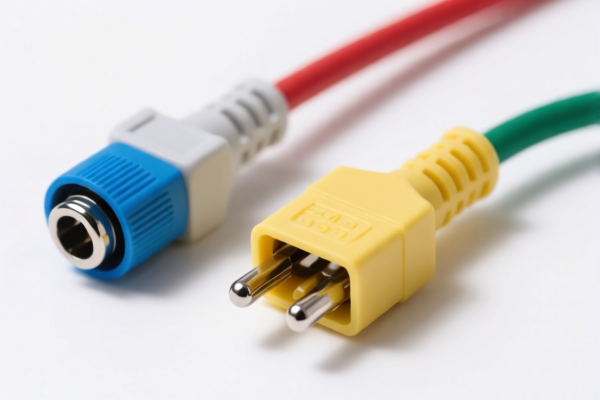
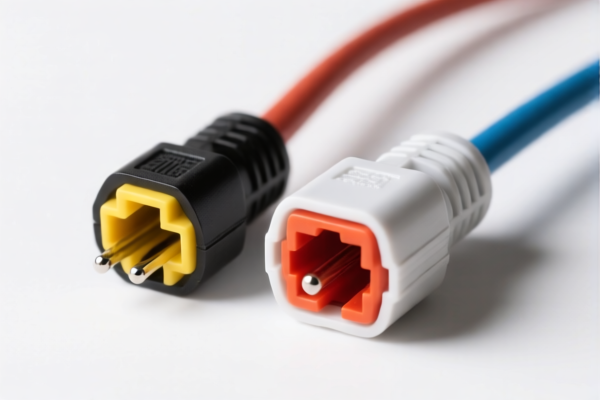


AI Analysis
🧵 Cloth Hanger Connector
(Note: Based on the provided data, this component likely refers to parts used in assembling hangers, typically made of Plastic or Metal/Steel)
🌐 HS Code Reference & Clearance Guide | 2026 Latest Tariff Analysis | Professional Customs Strategy
📌 Part 1: Product Definition & Classification: Do You Know "Hanger Connectors"?
A Cloth Hanger Connector is a small component used to join hanger arms, attach hooks, or secure clips on clothing racks. In international trade, its classification hinges entirely on the material composition (Plastic vs. Metal) and whether it is considered a "finished article" or a "part."
Key Classification Logic:
- Plastic Connectors: Generally fall under "Other Articles of Plastic" (Chapter 39).
- Metal (Steel/Iron) Connectors: Generally fall under "Other Articles of Iron or Steel" (Chapter 73).
⚠️ Critical Distinction:
- If the connector is Plastic → It is a generic plastic article → HS Code 3926.90 series.
- If the connector is Steel/Iron → It is a generic metal article → HS Code 7326.20 series.
- Warning: Misclassifying a metal part as plastic (or vice versa) triggers massive tariff discrepancies (e.g., 88.9% vs. 22.8%).
📦 Part 2: HS Code Classification Details (2026 Tariff Reference)
Based on the provided data, here is the authoritative classification for Cloth Hanger Connectors:
| HS Code | Material Inference | Classification Logic | Total Tax Rate |
|---|---|---|---|
3926.90.99.89 |
Plastic (Generic) | "Other Plastic & Other Materials" Catch-all: Plastics hangers (or their parts) are classified here when no specific plastic subheading exists. Fits the "catch-all" category for plastic articles. | 22.8% |
3926.90.25.00 |
Plastic (Specific) | "Other Plastic Articles": Specifically for plastic items not covered elsewhere. Fits the "reasonable scope" of plastic hanger components. | 24.0% |
7326.20.00.20 |
Steel/Iron | "Other Articles of Iron or Steel": Based on common sense, if the connector is metallic, it is inferred to be steel/iron. Matches the usage and form requirements for metal accessories. | 88.9% |
🔍 Key Observation:
- Plastic (3926): Moderate tax burden (~22.8% - 24.0%).
- Metal (7326): Extremely High tax burden (88.9%) due to specific steel tariffs.
- Material Proof is Mandatory: You must prove the material composition. If you claim "Plastic" but the customs inspector finds "Steel," you face the 88.9% rate retroactively.
💰 Part 3: 2026 Tariff Rate Breakdown (Detailed Policy)
✅ Applicable Country: United States (US)
✅ Origin: China (CN)
✅ Effective Date: Current/2026 Regime (Section 301, 122 Tariffs)
🎯 1. 3926.90.99.89 — Plastic Hanger Connector (Catch-all)
| Item | Content |
|---|---|
| Base Duty | 5.3% (Ad valorem) |
| Section 301 (Add-on) | 7.5% |
| Section 122 (Specific) | 10.0% |
| Total Tax | 22.8% |
| Calculation | CIF Value × 22.8% |
| De Minimis Exemption? | ❌ NO (High value threshold) |
| Legal Path | HTS:3926.90.99.89 + 301:7.5% + 122:10% |
📌 Explanation:
- Base Duty: Standard Most-Favored-Nation (MFN) rate for general plastic goods.
- Section 301 (7.5%): The "China Trade War" additional tariff.
- Section 122 (10%): A specific punitive tariff added to certain Chinese goods (often related to supply chain security).
🎯 2. 3926.90.25.00 — Plastic Hanger Connector (Specific Plastic)
| Item | Content |
|---|---|
| Base Duty | 6.5% |
| Section 301 (Add-on) | 7.5% |
| Section 122 (Specific) | 10.0% |
| Total Tax | 24.0% |
| Calculation | CIF Value × 24.0% |
| De Minimis Exemption? | ❌ NO |
| Legal Path | HTS:3926.90.25.00 + 301:7.5% + 122:10% |
📌 Note:
- Slightly higher base rate (6.5% vs 5.3%) than the catch-all, resulting in a 24.0% total.
- Still significantly cheaper than the metal alternative (88.9%).
🎯 3. 7326.20.00.20 — Steel/Iron Hanger Connector
| Item | Content |
|---|---|
| Base Duty | 3.9% |
| Section 301 (Add-on) | 25.0% |
| Section 122 (Specific) | 10.0% |
| Steel/Alu/Copper Add-on | +50% (Specific heavy tariff for steel products) |
| Total Tax | 88.9% |
| Calculation | CIF Value × 88.9% |
| De Minimis Exemption? | ❌ NO (Extreme penalty) |
| Legal Path | HTS:7326.20.00.20 + 301:25% + 122:10% + Steel Penalty:50% |
📌 Critical Warning:
- The 50% Steel Penalty: This is a specific surcharge for steel, aluminum, and copper products under specific trade measures.
- Base 3.9% is negligible; the 25% Section 301 + 10% Section 122 + 50% Steel Penalty = 88.9%.
- Risk: If your "Plastic Connector" actually contains a steel core or is mislabeled, you will be hit with this 88.9% rate.
🛠️ Part 4: Customs Clearance Practical Advice
✅ 1. Documentation Checklist (Must-Haves)
| Document | Required? | Reason |
|---|---|---|
| Material Certificate | ✅ YES | Prove if it is Plastic (ABS/PP) or Steel (Iron/Carbon Steel). |
| Product Photo (Close-up) | ✅ YES | Show texture (grainy plastic vs. metallic shine). |
| Bill of Materials (BOM) | ✅ YES | List all components; if "Steel Core" exists, it becomes 7326. |
| Supplier Declaration | ✅ YES | Formal statement on material composition. |
✅ 2. Declaration Strategy (The "Golden Rule")
🔥 "Material Truth, Code Precision, Avoid the Steel Trap!"
| Scenario | Correct Action | Wrong Action (Pitfall) |
|---|---|---|
| Pure Plastic Connector | Declare as 3926.90.99.89 or 25.00 (Tax: ~23%) | Declare as Metal → 88.9% Tax! |
| Plastic with Steel Hook | Split Declaration: Plastic part + Steel part | Declare all as Plastic → Audit Risk + 88.9% on the whole! |
| Steel Connector | Declare as 7326.20.00.20 (Tax: 88.9%) | Try to hide it as "Plastic" → Customs Seizure + Heavy Fine |
| Mixed Materials | Clearly state "Plastic Body, Steel Clasp" | Vague description → Customs Re-evaluation |
✅ 3. Special Handling Cases
| Situation | Recommendation |
|---|---|
| OEM Custom Parts | Provide detailed mold specs showing material thickness. |
| Coated Steel (Painted) | Still Steel (7326). Paint doesn't change the base material. |
| Aluminum Connectors | Also subject to Steel Penalty (50%) if under specific rules? Check data: Data says "Steel, Aluminum, Copper" → Yes, 50% penalty applies! |
| Packaging with Hangers | If the connector is sold as a "Hanger Set," ensure the set is declared by the dominant material. |
🌍 Part 5: Global Market Comparison (2026)
| Market | Preferred HS Code | Est. Tariff (China Origin) | Key Risk |
|---|---|---|---|
| 🇺🇸 USA | 3926.90.99.89 (Plastic) / 7326.20.00.20 (Steel) |
22.8% (Plastic) / 88.9% (Steel) | Steel Penalty (50%) is the killer. |
| 🇪🇺 EU | 3926.90.90 / 7326.90 |
Low Base (~3-5%) | No 301/122 tariffs, but high environmental fees. |
| 🇯🇵 Japan | 3926.90.90 |
Low Base (~3-4%) | Strict material purity testing. |
| 🇨🇦 Canada | 3926.90.90 |
Moderate (~5-8%) | CUSMA exemptions may apply. |
📌 Conclusion:
- USA is the most dangerous market for Steel hanger connectors due to the 88.9% rate.
- Plastic is the preferred material for US export to minimize tax (22.8% vs 88.9%).
- If you must use steel, consider sourcing from Vietnam or Mexico for potential tariff mitigation (if applicable).
📌 Part 6: Common Mistakes & How to Avoid Them
❌ Mistake 1: "It looks like plastic, so it must be 3926."
👉 Result: Customs strips the paint/coating and finds steel underneath → 88.9% Tax!
❌ Mistake 2: "I'm shipping 'Hangers', so I'll use the 'Clothing Hanger' code."
👉 Result: Hanger codes vary (6307, 3926, 7326). If it's a connector (part), it falls under 3926/7326 "Other Articles," not "Finished Hangers."
❌ Mistake 3: Ignoring the "Aluminum/Copper" clause in the 122/Steel tariff.
👉 Result: Aluminum connectors also face the 50% surcharge in the data provided.
✅ Correct Approach:
"Plastic Hanger Connector (ABS), Unpainted, for Retail Display. HS: 3926.90.99.89. Material: 100% Virgin Plastic."
🎯 Part 7: Summary & Call to Action
🎯 Remember:
🔹 "Plastic = 23% | Steel = 89% | Aluminum = 89%" (In the US market).
🔹 "One inch of steel, eighty-nine percent of tax!"
🔹 "Always prove your material, or pay the penalty!"
📌 Pro Tip:
If your design allows for Plastic-only connectors, switch to that immediately to save ~66% in taxes.
If you must use steel, check if your supplier can shift production to a non-China origin (e.g., Vietnam) to bypass the 301/122/Steel Penalties.
📣 Immediate Action:
📞 Contact your customs broker TODAY with the Material Safety Data Sheet (MSDS).
🚀 Re-evaluate your BOM: Can the connector be 100% plastic?
📉 Save your margin: The difference between 22.8% and 88.9% can kill your profit!
✨ Precision Classification = Profit Protection!
💼 Don't let 88.9% tax cost you your business!
Customer Reviews
About HS Code Classification
The Harmonized System (HS) is an internationally standardized nomenclature developed by the World Customs Organization (WCO) to classify traded products. Over 200 countries use the HS system as the basis for customs tariffs, trade statistics, and import/export regulations.
Each HS code follows a hierarchical structure:
- Chapter (2 digits) — Broad category of goods (e.g., Chapter 84: Machinery and Mechanical Appliances)
- Heading (4 digits) — More specific grouping within the chapter
- Subheading (6 digits) — Internationally standardized breakdown, used by all WCO member countries
- National subdivisions (8-10 digits) — Country-specific extensions for further classification, such as US HTSUS 10-digit codes
Correct HS code classification is essential for smooth customs clearance, accurate duty payment, and compliance with trade regulations. Misclassification can lead to customs delays, overpayment of duties, or penalties.
When importing from CN to US, the applicable tariff rates may include:
- Most-Favored-Nation (MFN) rate — The standard duty rate applied to WTO members
- General rate — Applied to countries without trade agreements
- Trade remedy duties — Additional tariffs such as Section 301 (anti-dumping), Section 232 (national security), or countervailing duties
The information provided on this page is for reference purposes only. For official classification, please consult with your local customs authority or a licensed customs broker.