Clothes Cover
CN → US| HS Code | Tariff Rate | Origin | Destination | Doc |
|---|---|---|---|---|
| 3926909989 | 22.8% | CN | US | Official Doc |
| 6217109550 | 32.1% | CN | US | Official Doc |
| 3926909940 | 22.8% | CN | US | Official Doc |
| 6307909891 | 24.5% | CN | US | Official Doc |
| 6217909095 | 32.1% | CN | US | Official Doc |
Product Images
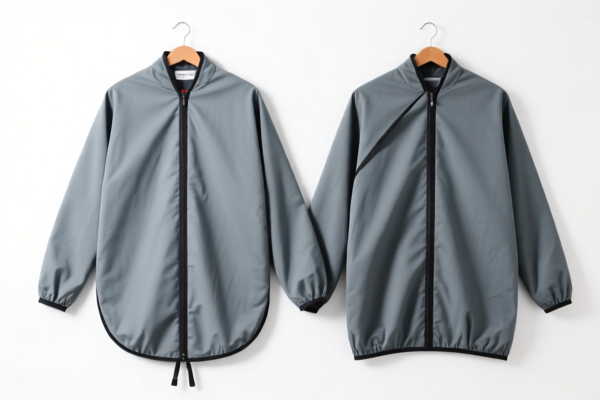
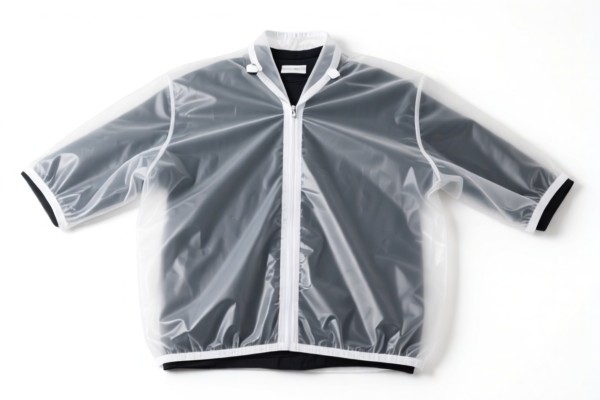
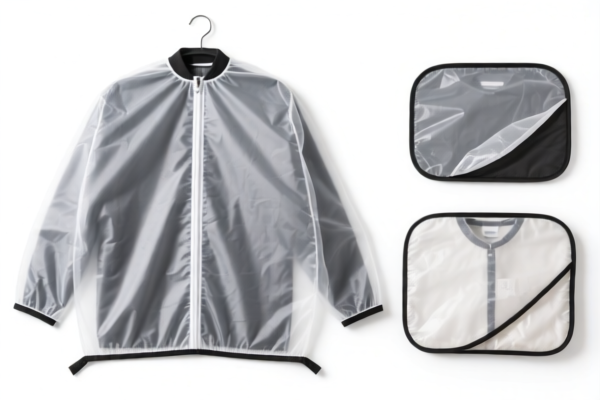

AI Analysis
🛡️ Clothes Cover (Garment Bags / Protective Covers)
🌐 HS Code Reference & Customs Clearance Guide | 2026 Latest Tariff Analysis | Professional Compliance Strategy
📌 I. Product Definition & Classification: What is a "Clothes Cover"?
A Clothes Cover is a protective item used to safeguard garments from dust, moisture, pests, and damage during storage or transit. In international trade, its classification depends heavily on its material composition and function.
It generally falls into two main categories:
- Plastic/Synthetic Covers: Made primarily from PE, PP, or PVC films. These are classified as Other Plastic Articles.
- Fabric/Textile Covers: Made from woven non-woven fabrics, cotton, or polyester blends. These are classified as Made-up Clothing Accessories/Articles.
⚠️ Key Distinction Point:
- If the cover is primarily plastic/film-based (flexible, transparent, non-woven plastic) →归类 to Chapter 39 (Plastics).
- If the cover is textile-based (woven, non-woven fabric, sewn) →归类 to Chapter 62/63 (Textiles/Clothing Accessories).
📦 II. HS Code Classification Details (Based on Provided Data)
The following HS Codes are derived from the specific analysis of "Clothes Cover" based on material and function.
| HS Code | Product Description | Classification Logic | Tax Category |
|---|---|---|---|
3926.90.99.89 |
Other Plastic Articles | The cover is made of plastic or synthetic materials, falling under "Other Plastic Articles." | Plastic Category |
3926.90.99.40 |
Other Plastic Articles | Specifically for plastic or synthetic material covers. | Plastic Category |
6217.10.95.50 |
Other Made-up Clothing Accessories | Classified as a clothing accessory/attachment made from textile materials. | Textile Accessory Category |
6217.90.90.95 |
Other Made-up Clothing Accessories | Classified as a part/accessory of clothing, made from textile materials. | Textile Accessory Category |
6307.90.98.91 |
Other Made-up Articles | Classified as a finished textile article, not specifically a clothing part. | Other Made-up Articles Category |
🔍 Critical Note:
- Plastic Covers (3926...) generally have a lower base tariff (5.3%) but still incur significant additional tariffs.
- Textile Covers (6217...,6307...) have a higher base tariff (7.0% - 14.6%), resulting in a higher total tax burden.
💰 III. 2026 Latest Tariff Rate Breakdown (Including Additional Duties)
✅ Applicable Country: USA (US)
✅ Origin: China (CN)
✅ Effective Date: Current rates apply (2025-2026 period)
🎯 1. Plastic Category: 3926.90.99.89 & 3926.90.99.40
| Item | Content |
|---|---|
| Base Tariff | 5.3% (Ad Valorem) |
| Additional Tariff (Section 301) | +7.5% |
| Section 122 Tariff | +10% |
| Total Tariff Rate | 22.8% |
| Tax Calculation | CIF Value × 22.8% |
| De Minimis Exemption? | ❌ No (Subject to full duty assessment) |
📌 Explanation:
- Although the base tariff is low (5.3%), the addition of Section 301 (7.5%) and Section 122 (10%) brings the total to 22.8%.
- This applies to both3926.90.99.89and3926.90.99.40as they share the same tax structure in the provided data.
🎯 2. Textile Accessory Category: 6217.10.95.50 & 6217.90.90.95
| Item | Content |
|---|---|
| Base Tariff | 14.6% (Ad Valorem) |
| Additional Tariff (Section 301) | +7.5% |
| Section 122 Tariff | +10% |
| Total Tariff Rate | 32.1% |
| Tax Calculation | CIF Value × 32.1% |
| De Minimis Exemption? | ❌ No (Subject to full duty assessment) |
📌 Explanation:
- Textile accessories face a higher base duty (14.6%) compared to plastics.
- Combined with the same additional tariffs, the total rate is 32.1%, making it significantly more expensive to import than plastic covers.
🎯 3. Other Made-up Articles: 6307.90.98.91
| Item | Content |
|---|---|
| Base Tariff | 7.0% (Ad Valorem) |
| Additional Tariff (Section 301) | +7.5% |
| Section 122 Tariff | +10% |
| Total Tariff Rate | 24.5% |
| Tax Calculation | CIF Value × 24.5% |
| De Minimis Exemption? | ❌ No (Subject to full duty assessment) |
📌 Explanation:
- This classification (6307) is for general made-up textile articles that don't fit strictly into clothing accessories.
- The base duty (7.0%) is lower than specific clothing accessories (14.6%), resulting in a 24.5% total rate.
🛠️ IV. Customs Clearance Practical Advice (Avoiding Pitfalls)
✅ 1. Material Declaration is Key
| Material Type | Recommended HS Code | Total Tax | Risk |
|---|---|---|---|
| Plastic/PVC/PE Film | 3926.90.99.89 / 3926.90.99.40 |
22.8% | ✅ Low Risk (if truly plastic) |
| Non-woven Fabric/Polyester | 6217.10.95.50 / 6217.90.90.95 |
32.1% | ⚠️ High Risk (Misclassification penalty) |
| General Textile Article | 6307.90.98.91 |
24.5% | ✅ Medium Risk (Depends on usage) |
🔥 Golden Rule:
"If it’s plastic, go with 3926 (22.8%). If it’s fabric, expect 32.1% or 24.5%. Do NOT misdeclare fabric as plastic to save tax!"
✅ 2. Documentation Requirements
| Document | Must Provide? | Notes |
|---|---|---|
| ✅ Product Photo | ✔️ | Clearly show material (shiny/plastic vs. fibrous/fabric). |
| ✅ Material Composition | ✔️ | e.g., "100% Polyethylene" or "80% Polyester Non-woven". |
| ✅ Function Description | ✔️ | "Garment protection during storage" or "Dust cover for clothes racks". |
| ✅ Commercial Invoice | ✔️ | Must match HS Code description exactly. |
| ✅ Packing List | ✔️ | Include unit weight and dimensions. |
✅ 3. Special Scenarios
| Scenario | Advice |
|---|---|
| Hybrid Materials | If the cover has plastic handles or reinforced edges, consult a customs broker. It may still be classified as plastic if plastic is the principal material. |
| Reusable vs. Disposable | Reusable fabric covers are more likely to be classified under 6217 or 6307. Disposable plastic sheets fall under 3926. |
| Set with Clothes | If sold with clothing as a gift wrap, it may be considered part of the garment set. Ensure separate invoicing to avoid complex classification issues. |
🌍 V. Global Market Comparison (2026)
| Market | Recommended HS Code | Approx. Total Tax | Notes |
|---|---|---|---|
| 🇺🇸 USA | 3926.90.99.89 / 6217.10.95.50 |
22.8% - 32.1% | High due to Section 301 & 122. |
| 🇨🇳 China | Varies | 5% - 10% | Lower base rates, no additional punitive tariffs. |
| 🇪🇺 EU | Varies | 0% - 4% | Often duty-free for plastic/textile accessories if not for specific uses. |
| 🇬🇧 UK | Varies | 0% - 5% | Post-Brexit tariffs vary; check UK Global Tariff. |
📌 Conclusion:
- The USA market is the most challenging due to the high additional tariffs (17.5% extra on top of base).
- Plastic covers (3926) are more cost-effective than textile covers (6217) for US import due to lower base duties.
📌 VI. Common Mistakes & Pitfalls
❌ Mistake 1: Declaring a non-woven fabric cover as plastic (3926) to save tax.
👉 Consequence: Customs inspection will reveal fiber structure → Reclassification + Penalty + Delay.
❌ Mistake 2: Using vague terms like "Garment Bag" without specifying material.
👉 Consequence: CBP may choose the highest applicable duty rate or demand additional evidence.
❌ Mistake 3: Ignoring Section 122 Tariffs (10%).
👉 Consequence: Unexpected cost increase. Always budget for the full 22.8%-32.1% rate.
✅ Correct Declaration Example:
"Plastic Clothes Cover, 100% Polyethylene, Disposable, for Garment Storage, Model: PC-100"
→ HS Code:3926.90.99.89| Rate: 22.8%
🎯 VII. Conclusion: Smart Classification, Smarter Savings!
🎯 Remember:
🔹 "Plastic is Cheaper (22.8%), Textile is Expensive (32.1%)!"
🔹 "Material is King: Photos and Composition are Mandatory!"
🔹 "Don't Guess the HS Code: Get a Pre-Ruling if Unsure!"
📌 Pro Tip:
If you are importing large volumes, consider Advance Rulings from US CBP to lock in the correct HS Code and avoid post-clearance audits.
For textile covers, explore if any FTA (Free Trade Agreement) benefits apply if sourced from eligible countries (though China-origin goods still face high tariffs).
📣 Take Action Now:
📞 Contact a Licensed Customs Broker + Provide Material Samples + Verify HS Code
🚀 Ensure Smooth Clearance, Avoid Surprises, Maximize Profit Margins!
✨ Professional Clearance, Starts with Accurate Classification!
💼 Your Bottom Line Depends on These Decimals!
Customer Reviews
About HS Code Classification
The Harmonized System (HS) is an internationally standardized nomenclature developed by the World Customs Organization (WCO) to classify traded products. Over 200 countries use the HS system as the basis for customs tariffs, trade statistics, and import/export regulations.
Each HS code follows a hierarchical structure:
- Chapter (2 digits) — Broad category of goods (e.g., Chapter 84: Machinery and Mechanical Appliances)
- Heading (4 digits) — More specific grouping within the chapter
- Subheading (6 digits) — Internationally standardized breakdown, used by all WCO member countries
- National subdivisions (8-10 digits) — Country-specific extensions for further classification, such as US HTSUS 10-digit codes
Correct HS code classification is essential for smooth customs clearance, accurate duty payment, and compliance with trade regulations. Misclassification can lead to customs delays, overpayment of duties, or penalties.
When importing from CN to US, the applicable tariff rates may include:
- Most-Favored-Nation (MFN) rate — The standard duty rate applied to WTO members
- General rate — Applied to countries without trade agreements
- Trade remedy duties — Additional tariffs such as Section 301 (anti-dumping), Section 232 (national security), or countervailing duties
The information provided on this page is for reference purposes only. For official classification, please consult with your local customs authority or a licensed customs broker.