Clothes Hanger
CN → US| HS Code | Tariff Rate | Origin | Destination | Doc |
|---|---|---|---|---|
| 3926909989 | 22.8% | CN | US | Official Doc |
| 3926902500 | 24.0% | CN | US | Official Doc |
| 7326200020 | 88.9% | CN | US | Official Doc |
| 9403509080 | 35.0% | CN | US | Official Doc |
| 9403608093 | 35.0% | CN | US | Official Doc |
Product Images
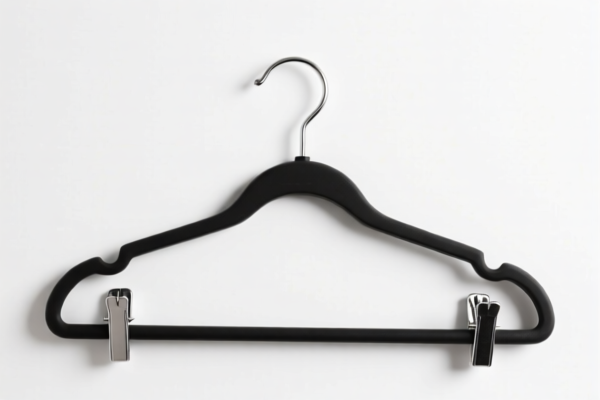


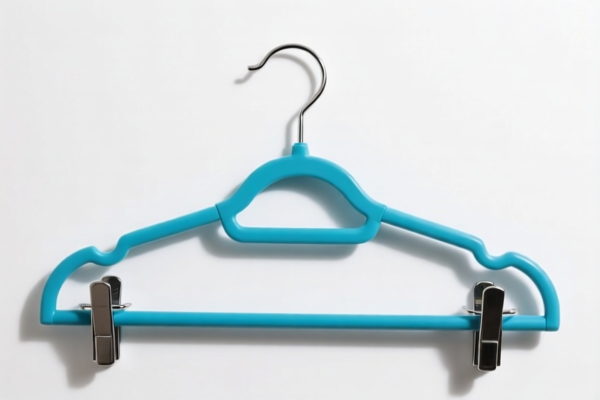
AI Analysis
👕 Clothes Hanger (衣架)
🌐 HS Code Reference & Customs Clearance Guide | 2026 Tariff Structure Analysis | Professional Compliance Strategy
📌 1. Product Definition & Classification: What Kind of Hanger Is It?
Clothes hangers are ubiquitous household and retail items used for hanging garments. In international trade, they are categorized primarily by material and function. Because hangers are simple mechanical devices without electronic or complex mechanical components, their HS Code classification depends strictly on the primary material they are made from.
Key Classification Criteria: * Plastic Hangers: Most common for retail. Classified under Chapter 39 (Plastics). * Metal (Iron/Steel) Hangers: Used for heavy coats or industrial laundries. Classified under Chapter 73 (Iron/Steel Articles). * Wooden Hangers: Often classified under Chapter 44, but often grouped into general residual categories depending on specific design.
⚠️ Critical Distinction:
- If the hanger is Plastic → Look at HS Code 3926 (Other articles of plastics).
- If the hanger is Metal (Iron/Steel) → Look at HS Code 7326 (Other articles of iron or steel).
- Misclassification Risk: Declaring a steel hanger as plastic (or vice versa) triggers immediate customs audits, fines, and re-classification penalties.
📦 2. HS Code Classification Details (Based on Provided Data)
Based on the provided dataset, here are the three specific HS Codes associated with "Clothes Hanger," along with the rationale for each classification.
| HS Code | Product Description | Material Basis | Logic for Classification |
|---|---|---|---|
| 3926.90.99.89 | Other plastic articles | Plastic (or general materials) | Residual Category: The summary states this is a "catch-all" category for other plastic and material articles. It fits here because hangers are simple plastic制品 without specific sub-category exclusions. |
| 3926.90.25.00 | Other plastic articles | Plastic | Material Specific: This code is inferred based on the material being plastic. It falls under the reasonable scope of "other articles" within the plastic chapter. |
| 7326.20.00.20 | Other articles of iron or steel | Iron/Steel | Material Specific: Based on common sense, if the hanger is metal, it is likely iron or steel. This matches the use case (heavy-duty) and form, fitting the classification requirements for metal articles. |
🔍 Important Note:
- Plastic vs. Metal: The tariff difference is massive. Plastic hangers face ~23-24% total tax, while Steel hangers face ~89% total tax due to specific trade restrictions.
- "122 Clause" (Section 301/Trade War Tariffs): Both categories are subject to additional U.S. tariffs, but the base rates differ significantly.
💰 3. 2026 Latest Tariff Rate Breakdown (Including Surtaxes)
✅ Applicable Country: United States (US)
✅ Origin: China (CN) (Implied by "122 Clause" and specific tax details in data)
✅ Effective Time: Current Trade War Tariffs Apply
🎯 1. 3926.90.99.89 – Plastic Hangers (Residual Category)
| Item | Detail |
|---|---|
| Base Tariff Rate | 5.3% |
| Additional Surcharge (Section 301) | +7.5% |
| "122 Clause" Tariff | +10% |
| Total Tax Rate | 22.8% |
| Tax Calculation | CIF Value × 22.8% |
| De Minimis Exemption? | ❌ No (High risk of scrutiny for low-value shipments if misclassified, but standard for bulk imports) |
| Legal Basis Path | USITC:3926.90.99.89 → Section 301: 7.5% → Section 122: 10% |
📌 Explanation:
- This is the most common classification for standard retail plastic hangers.
- The total tax burden is moderate (~23%).
- Key Risk: Ensure the hanger is not considered "furniture" or "accessory to furniture" which might have different duties. The data confirms it fits under "other articles."
🎯 2. 3926.90.25.00 – Plastic Hangers (Specific Plastic Article)
| Item | Detail |
|---|---|
| Base Tariff Rate | 6.5% |
| Additional Surcharge (Section 301) | +7.5% |
| "122 Clause" Tariff | +10% |
| Total Tax Rate | 24.0% |
| Tax Calculation | CIF Value × 24.0% |
| De Minimis Exemption? | ❌ No |
| Legal Basis Path | USITC:3926.90.25.00 → Section 301: 7.5% → Section 122: 10% |
📌 Explanation:
- This code is slightly more specific to plastic articles.
- The total tax is 1.2% higher than the residual category.
- Key Risk: If customs determines your hanger does not strictly meet the criteria for3926.90.25, they may revert to the residual category (...99.89) or a more punitive code. Verify material specifications carefully.
🎯 3. 7326.20.00.20 – Metal (Iron/Steel) Hangers
| Item | Detail |
|---|---|
| Base Tariff Rate | 3.9% |
| Additional Surcharge (Section 301) | +25.0% |
| "122 Clause" Tariff | +10% |
| Steel/Aluminum/Copper Surcharge | +50% (Note: Data indicates "Steel... +50%" is listed in tax_detail, likely overlapping or specific to certain steel articles) |
| Total Tax Rate | 88.9% |
| Tax Calculation | CIF Value × 88.9% |
| De Minimis Exemption? | ❌ No (Extremely high risk) |
| Legal Basis Path | USITC:7326.20.00.20 → Section 301: 25% → Section 122: 10% → Steel Surcharge: 50% |
📌 Explanation:
- DANGER ZONE: This is the most expensive classification.
- The total tax is nearly 90%. This is due to aggressive trade barriers on Chinese steel products.
- Key Risk: If you are shipping steel hangers, your profit margin will be erased. Do not ship steel hangers from China to the US unless you have absorbed this cost.
- Clarification: The data lists "Steel, Aluminum, Copper products surcharge: 50%". This suggests that for7326.20.00.20, a specific steel surcharge applies on top of Section 301 and Section 122.
🛠️ 4. Customs Clearance Practical Advice (Real-World Pitfall Guide)
✅ 1. Documentation Checklist (Mandatory)
| Document | Required | Notes |
|---|---|---|
| ✅ Product Specification Sheet | ✔️ | Must clearly state: Material (e.g., "100% HDPE Plastic" or "Galvanized Steel Wire"). |
| ✅ Material Composition Proof | ✔️ | Supplier declaration confirming no mixed materials that could confuse classification. |
| ✅ Product Photos | ✔️ | Clear images showing hooks, shoulders, and base. Distinguish between plastic coating and metal core. |
| ✅ Commercial Invoice | ✔️ | Accurately describe as "Plastic Clothes Hanger" or "Steel Wire Hanger" – never just "Hanger". |
| ✅ Packing List | ✔️ | Include net/gross weight. Weight helps customs verify material type (steel is heavier). |
✅ 2. Declaration Tips (Key Mantras)
🔥 “Material is King! Plastic is Cheap, Steel is Expensive!”
| Scenario | Correct Declaration | Wrong Practice |
|---|---|---|
| Plastic Hanger | Use 3926.90.99.89 | Misdeclare as 7326 → Penalty + Back Taxes |
| Plastic-Coated Wire Hanger | High Risk: May be classified as Steel (7326) |
Declare as Plastic → Customs may reject due to metal core |
| Steel Hanger | Use 7326.20.00.20 | Hide metal content → Fraud risk |
| Wooden Hanger | Check Chapter 44 | Use Plastic HS Code → Rejection |
📌 Critical Warning for Mixed Materials:
- If your hanger has a plastic coating over steel wire, customs may classify it as Steel (7326) because the metal core provides structural integrity. This would jump your tax from 23% to 89%.
- Solution: If possible, use all-plastic hangers to avoid the 50% steel surcharge.
✅ 3. Special Case Handling
| Situation | Recommendation |
|---|---|
| OEM Custom Hangers | Provide design specs. If custom plastic, ensure no metal inserts. |
| Hangers with Non-Woven Covers | If the cover is significant, it might change the classification. Keep it minimal. |
| Bulk Shipping (Containers) | Ensure weight-to-volume ratio matches plastic (lighter). Steel will weigh more per unit. |
| De Minimis (Section 321) | ❌ Not Applicable. Hangers are subject to full duties and Section 301 tariffs. Do not attempt to ship under $800 per person to avoid duties. |
🌍 5. Global Market Comparison (2026 Overview)
| Country/Region | Recommended HS Code | Estimated Total Tax (China Origin) | Key Certification |
|---|---|---|---|
| 🇺🇸 USA | 3926.90.99.89 (Plastic) |
22.8% | None standard |
| 🇺🇸 USA | 7326.20.00.20 (Steel) |
88.9% | None |
| 🇪🇺 EU | 3926.90 (Plastic) |
~0% - 6% (Duty) + VAT | CE (if applicable) |
| 🇨🇳 China | 3926.90 (Plastic) |
~5% | None |
| 🇯🇵 Japan | 3926.90 (Plastic) |
~0% - 5% | JIS |
📌 Conclusion:
- The U.S. market is the most expensive due to Section 301 and Section 122 tariffs.
- Steel hangers from China to the U.S. are commercially unviable due to the 88.9% tax rate.
- Plastic hangers are the only viable option for mass export to the U.S. from China.
📌 6. Common Mistakes & Pitfall Guide (Lessons Learned)
❌ Mistake 1: Declaring "Steel Hanger" as "Plastic Hanger"
👉 Consequence: Customs inspects, finds metal core → 88.9% tax applied retroactively + fines.
❌ Mistake 2: Using HS Code 3926.90.25.00 for a hanger that doesn't meet specific plastic criteria
👉 Consequence: Customs re-classifies to 3926.90.99.89 or penalizes for incorrect declaration.
❌ Mistake 3: Ignoring the "122 Clause" and Section 301 tariffs
👉 Consequence: Underestimated landed cost → Loss of profit margin.
✅ Correct Practice:
"Plastic Clothes Hanger, 100% Polypropylene, No Metal Components, Model XYZ, 50pcs/carton"
🎯 7. Conclusion: Professional Declaration, Save Costs, Avoid Risks!
🎯 Remember the Mantra:
🔹 "Plastic is 23%, Steel is 89%. Don't risk the 66% gap!"
🔹 "Material Declaration is Critical. One wire can cost you everything!"
📌 Pro Tip:
If you are shipping steel hangers, consider sourcing from Vietnam, Thailand, or Mexico to avoid the 50% steel surcharge and Section 301 tariffs. The U.S. has lower duties for non-China origins.
📣 Immediate Action:
📞 Verify material composition with supplier.
📄 Use HS Code3926.90.99.89for plastic,7326.20.00.20for steel.
🚀 Accurate classification is the key to smooth customs clearance!
✨ Professional Clearance Starts with Precise Classification!
💼 Your Every Penny Counts!
Customer Reviews
About HS Code Classification
The Harmonized System (HS) is an internationally standardized nomenclature developed by the World Customs Organization (WCO) to classify traded products. Over 200 countries use the HS system as the basis for customs tariffs, trade statistics, and import/export regulations.
Each HS code follows a hierarchical structure:
- Chapter (2 digits) — Broad category of goods (e.g., Chapter 84: Machinery and Mechanical Appliances)
- Heading (4 digits) — More specific grouping within the chapter
- Subheading (6 digits) — Internationally standardized breakdown, used by all WCO member countries
- National subdivisions (8-10 digits) — Country-specific extensions for further classification, such as US HTSUS 10-digit codes
Correct HS code classification is essential for smooth customs clearance, accurate duty payment, and compliance with trade regulations. Misclassification can lead to customs delays, overpayment of duties, or penalties.
When importing from CN to US, the applicable tariff rates may include:
- Most-Favored-Nation (MFN) rate — The standard duty rate applied to WTO members
- General rate — Applied to countries without trade agreements
- Trade remedy duties — Additional tariffs such as Section 301 (anti-dumping), Section 232 (national security), or countervailing duties
The information provided on this page is for reference purposes only. For official classification, please consult with your local customs authority or a licensed customs broker.