Clothesline Hook
CN → US| HS Code | Tariff Rate | Origin | Destination | Doc |
|---|---|---|---|---|
| 7326190080 | 87.9% | CN | US | Official Doc |
| 3926902500 | 24.0% | CN | US | Official Doc |
| 7326200090 | 88.9% | CN | US | Official Doc |
| 7326908688 | 87.9% | CN | US | Official Doc |
| 5607493000 | 38.6% | CN | US | Official Doc |
Product Images
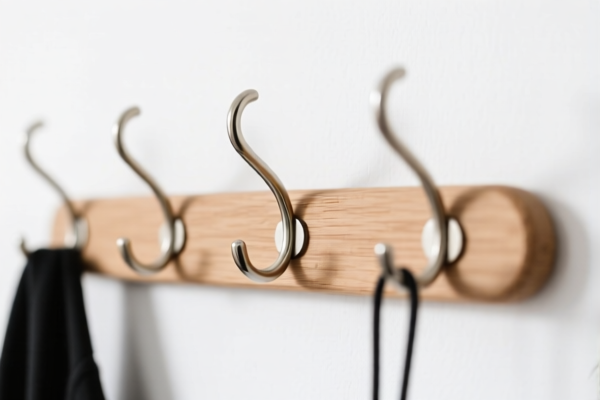
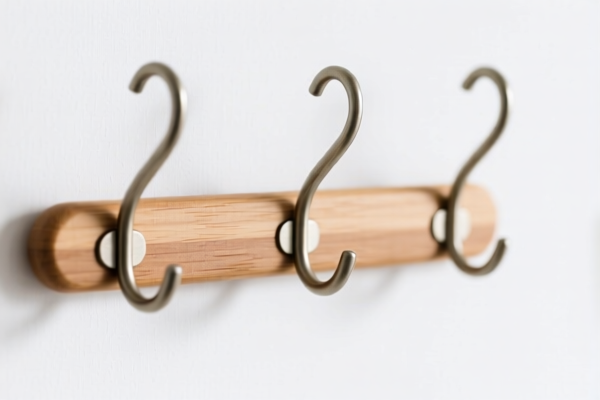
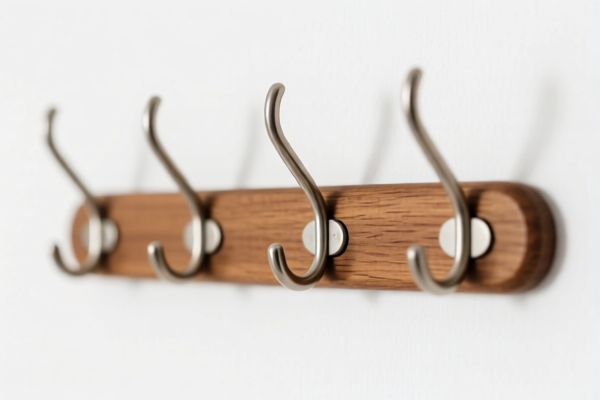
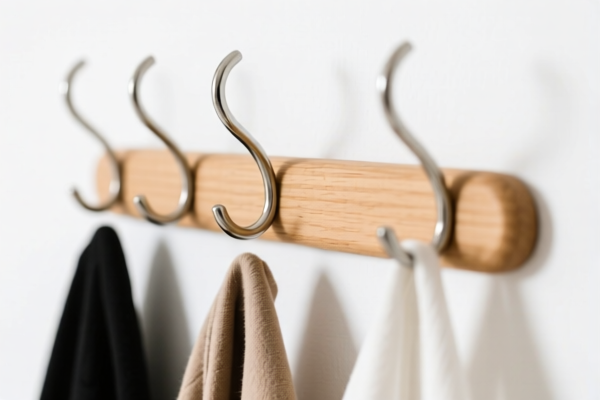
AI Analysis
🏗️ Clothesline Hooks & Lines: HS Code Classification & Customs Clearance Strategy
🌐 HS Code Reference & Customs Guide | 2026 Latest Tariff Analysis | Professional Clearance Strategy
📌 I. Product Definition & Classification: What Exactly Are We Dealing With?
"Clothesline Hooks" and "Clotheslines" are versatile household items, but their classification depends entirely on material composition and structural form. In international trade, confusion often arises between metal fixtures and plastic/polymer accessories.
1. Metal Hooks (Steel/Iron): Usually made of galvanized steel, stainless steel, or iron. They are rigid, durable, and often used for heavy-duty outdoor lines. * Key Characteristic: Rigid metal structure, no elastic components.
2. Plastic/Polymer Hooks: Made from PVC, PP, or other plastics. Often used for lightweight indoor drying or decorative purposes. * Key Characteristic: Lightweight, resistant to rust, non-metallic.
3. Clotheslines (The Rope/Wire Itself): * Metal Wire: Steel or iron wire used as the line itself. * Synthetic Rope: Polyethylene (PE) or Polypropylene (PP) ropes.
⚠️ Critical Distinction:
- If the item is a hook made of metal → It is classified under Chapter 73 (Articles of Iron or Steel).
- If the item is a hook made of plastic → It is classified under Chapter 39 (Plastics and Articles Thereof).
- If the item is the rope/wire → It depends on whether it is metal wire (Ch 73) or synthetic fiber rope (Ch 56).
📦 II. HS Code Classification Details (2026 Latest Tariff Authority)
Based on the provided data, here are the exact HS Codes for "Clothesline Hooks" and "Clotheslines":
| HS Code | Product Description | Material Inference | Form/Function |
|---|---|---|---|
7326.19.00.80 |
Clothesline Hook | Steel/Iron | Other articles of iron or steel |
3926.90.25.00 |
Clothesline Hook | Plastic | Other articles of plastics; accessories for blinds/shutters |
7326.20.00.90 |
Clothesline | Steel/Iron Wire | Other articles of wire (steel/iron wire) |
7326.90.86.88 |
Clothesline | Metal (General) | Other articles of iron or steel |
5607.49.30.00 |
Clothesline | Polyethylene/Polypropylene | Twine, cordage, ropes; of synthetic fibers |
🔍 Key Note:
- Hooks are primarily classified by their fixing mechanism material (Steel vs. Plastic).
- Lines are classified by the fiber/wire material (Metal Wire vs. Synthetic Rope).
- Do not mix: A plastic hook sold with a steel wire line must be declared separately if they are distinct SKUs, or clarified if sold as a kit (though often kits are split for duty optimization).
💰 III. 2026 Latest Tariff Rate Breakdown (Including Add-on Taxes & Policy Surcharges)
✅ Applicable Country: USA (US)
✅ Origin: China (CN)
✅ Effective Date: From November 10, 2025 (including subsequent imports)
🎯 1. 7326.19.00.80 —— Clothesline Hook (Steel/Iron)
| Item | Content |
|---|---|
| Base Tariff | 2.9% |
| Section 301 Surcharge | +25.0% |
| Section 122 Surcharge | +50.0% (Specific to Steel/Aluminum/Copper Articles) |
| Total Tariff | 87.9% |
| Tax Calculation | CIF Value × 87.9% |
| De Minimis Eligibility | ❌ No (High duty rate exceeds exemption thresholds) |
| Legal Basis Path | USITC:7326.19.00.80 → Section 301: Footnote 9903.88.01 → Section 122: Steel Products |
📌 Explanation:
- This is a high-cost classification.
- The 50% Section 122 tariff applies specifically to steel products under certain trade remedies.
- Combined total: 87.9%. This is extremely high. Consider plastic alternatives if volume is high.
🎯 2. 3926.90.25.00 —— Clothesline Hook (Plastic)
| Item | Content |
|---|---|
| Base Tariff | 6.5% |
| Section 301 Surcharge | +7.5% |
| Section 122 Surcharge | +10.0% (Note: Data indicates 10% for this category, likely due to different product specificity) |
| Total Tariff | 24.0% |
| Tax Calculation | CIF Value × 24.0% |
| De Minimis Eligibility | ❌ No (Standard trade enforcement applies) |
| Legal Basis Path | USITC:3926.90.25.00 → Section 301: Footnote 9903.03.02 |
📌 Explanation:
- Significantly lower tax burden compared to steel hooks.
- If your product can be manufactured with plastic hooks, this offers massive cost savings.
- Ensure the plastic is not merely "trim" but a functional accessory.
🎯 3. 7326.20.00.90 —— Clothesline (Steel/Iron Wire)
| Item | Content |
|---|---|
| Base Tariff | 3.9% |
| Section 301 Surcharge | +25.0% |
| Section 122 Surcharge | +50.0% (Steel/Aluminum/Copper Articles) |
| Total Tariff | 88.9% |
| Tax Calculation | CIF Value × 88.9% |
| De Minimis Eligibility | ❌ No |
| Legal Basis Path | USITC:7326.20.00.90 → Section 301 → Section 122 |
📌 Explanation:
- Highest risk category. Steel wires are heavily targeted.
- Avoid shipping pure steel clotheslines to the US unless necessary.
🎯 4. 7326.90.86.88 —— Clothesline (Other Metal Articles)
| Item | Content |
|---|---|
| Base Tariff | 2.9% |
| Section 301 Surcharge | +25.0% |
| Section 122 Surcharge | +50.0% (Steel/Aluminum/Copper Articles) |
| Total Tariff | 87.9% |
| Tax Calculation | CIF Value × 87.9% |
| De Minimis Eligibility | ❌ No |
| Legal Basis Path | USITC:7326.90.86.88 → Section 301 → Section 122 |
📌 Explanation:
- Similar to7326.19.00.80. Even if classified as "other," steel content triggers the 50% surcharge.
🎯 5. 5607.49.30.00 —— Clothesline (Synthetic Rope: PE/PP)
| Item | Content |
|---|---|
| Base Tariff | 3.6% |
| Section 301 Surcharge | +25.0% |
| Section 122 Surcharge | +10.0% |
| Total Tariff | 38.6% |
| Tax Calculation | CIF Value × 38.6% |
| De Minimis Eligibility | ❌ No |
| Legal Basis Path | USITC:5607.49.30.00 → Section 301 → Section 122 |
📌 Explanation:
- Best balance for the "line" component.
- While 38.6% is still high, it is less than half the cost of steel lines (88.9%).
- Recommended: Use plastic-coated steel wire or 100% synthetic rope to avoid the 50% steel surcharge where possible.
🛠️ IV. Customs Clearance Practical Advice (Real-World Pitfall Guide)
✅ 1. Preparation Checklist (Mandatory)
| Document | Required | Explanation |
|---|---|---|
| ✅ Product Specification | ✔️ | Must clearly state material: "Steel," "Plastic," or "Polypropylene." |
| ✅ Material Declaration | ✔️ | Explicitly declare % of steel vs. plastic. Customs may inspect samples. |
| ✅ Product Photos | ✔️ | Show the hook mechanism, the line texture, and any packaging labels. |
| ✅ Commercial Invoice | ✔️ | Clearly list items separately if mixed (e.g., "Plastic Hook - 3926.90.25.00" vs "Steel Line - 7326.20.00.90"). |
| ✅ Packing List | ✔️ | Ensure weights match declarations. |
✅ 2. Declaration Tips (Key Mnemonic)
🔥 "Material is King, Hook vs. Line, Steel Pays Big, Plastic Saves!"
| Scenario | Correct HS Code | Incorrect Practice | Consequence |
|---|---|---|---|
| Plastic Hook + Steel Line | Declare two lines: One for Hook (3926...), One for Line (7326...) |
Combine into one "Set" | Risk of being audited as "Steel Article" → 87.9% |
| Steel Hook + Synthetic Rope | Declare two lines: Hook (7326...), Rope (5607...) |
Mix as "Plastic Set" | High risk of penalty for misclassification |
| Fully Plastic Kit (Hook + Rope) | 3926.90.25.00 (if hook is dominant) |
Use steel code | Underpayment of duty → Back taxes + fines |
| Steel Wire Rope | 7326.20.00.90 or 7326.90.86.88 |
Use synthetic rope code | 87.9% + 50% Surcharge |
✅ 3. Special Situations
| Situation | Handling Advice |
|---|---|
| Mixed Kits (Hook + Line) | Split Declaration is Best. Declare the hook and line separately to apply the correct rate to each part. This can lower the overall weighted average tax if plastic components are used. |
| Plastic-Coated Steel Wire | If the coating is merely for protection, it may still be classified as steel. If the plastic is the primary material, argue for 5607 or 3926. Provide material analysis reports. |
| OEM Custom Hooks | Provide design specs. If the hook shape is unique, ensure the material description is precise. |
| Small Quantity (De Minimis) | ❌ Not Applicable. Due to high tariffs (38%–88%), these goods do not qualify for $800 de minimis exemption. All duties apply. |
🌍 V. Global Market Comparison (2026 Update)
| Country/Region | Recommended HS Code (Plastic Hook) | Tariff Rate | Notes |
|---|---|---|---|
| 🇺🇸 USA | 3926.90.25.00 |
24.0% | Includes 7.5% 301 + 10% 122. Steel hooks face 87.9%. |
| 🇨🇳 China | 3926.90.25.00 |
~2.5% | Low import duty. No US-style surcharges. |
| 🇪🇺 EU | 3926.90.97 |
~4.0% | No Section 301/122 equivalents. Much cheaper than US. |
| 🇬🇧 UK | 3926.90.97 |
~4.0% | Post-Brexit tariff aligns with EU mostly. |
📌 Conclusion:
- USA is the most expensive market for these goods due to Section 301 and Section 122.
- Plastic components offer a 63.9% tax saving compared to steel hooks (24% vs 87.9%).
- Synthetic ropes are significantly cheaper to import than steel wires (38.6% vs 88.9%).
📌 VI. Common Errors & Pitfalls (Lessons Learned)
❌ Error 1: Declaring a Steel Hook as a Plastic Hook
👉 Result: Customs inspection reveals metal content. Fine + Penalty + Back Taxes (87.9%).
❌ Error 2: Combining Steel Wire and Plastic Hook into one line item
👉 Result: Customs may classify the entire set under the highest duty component (Steel: 87.9%).
❌ Error 3: Ignoring Section 122 for Steel Articles
👉 Result: Unexpected 50% surcharge on top of 301 tariffs. Never assume only 301 applies to steel.
❌ Error 4: Assuming De Minimis ($800) applies
👉 Result: Shipment detained. These goods are subject to full duties regardless of value.
✅ Correct Approach:
"Split the kit. Declare material separately. Prefer plastic hooks and synthetic ropes to minimize US duties."
🎯 VII. Conclusion: Smart Classification, Higher Profit!
🎯 Key Takeaway:
🔹 "Plastic Hooks (24%) beat Steel Hooks (87.9%)!"
🔹 "Synthetic Ropes (38.6%) beat Steel Wires (88.9%)!"
🔹 "Separate declarations prevent 'Set' penalties!"
📌 Action Items:
1. Audit your BOM (Bill of Materials): Identify % of steel vs. plastic.
2. Optimize Product Design: Switch to plastic hooks or coated/synthetic lines where possible.
3. Split Invoices: Declare hooks and lines separately to apply the correct HS Code to each part.
4. Consult a Broker: For large shipments, request an Advance Ruling to confirm HS Code classification.
📣 Immediate Action:
📞 Contact your Customs Broker with photos and material specs.
🚀 Re-evaluate supplier choices: Choose suppliers offering plastic-coated or all-synthetic options to save ~50% in duties.
✨ Professional clearance starts with accurate classification!
💼 Your cost structure is only as strong as your HS Code strategy!
Customer Reviews
About HS Code Classification
The Harmonized System (HS) is an internationally standardized nomenclature developed by the World Customs Organization (WCO) to classify traded products. Over 200 countries use the HS system as the basis for customs tariffs, trade statistics, and import/export regulations.
Each HS code follows a hierarchical structure:
- Chapter (2 digits) — Broad category of goods (e.g., Chapter 84: Machinery and Mechanical Appliances)
- Heading (4 digits) — More specific grouping within the chapter
- Subheading (6 digits) — Internationally standardized breakdown, used by all WCO member countries
- National subdivisions (8-10 digits) — Country-specific extensions for further classification, such as US HTSUS 10-digit codes
Correct HS code classification is essential for smooth customs clearance, accurate duty payment, and compliance with trade regulations. Misclassification can lead to customs delays, overpayment of duties, or penalties.
When importing from CN to US, the applicable tariff rates may include:
- Most-Favored-Nation (MFN) rate — The standard duty rate applied to WTO members
- General rate — Applied to countries without trade agreements
- Trade remedy duties — Additional tariffs such as Section 301 (anti-dumping), Section 232 (national security), or countervailing duties
The information provided on this page is for reference purposes only. For official classification, please consult with your local customs authority or a licensed customs broker.