Clothing Accessories (HS Code 6117102010)
CN → US| HS Code | Tariff Rate | Origin | Destination | Doc |
|---|---|---|---|---|
| 6116999510 | 13.8% | CN | US | Official Doc |
| 6117809510 | 32.1% | CN | US | Official Doc |
| 6117809570 | 32.1% | CN | US | Official Doc |
| 6217108500 | 24.6% | CN | US | Official Doc |
| 6217109550 | 32.1% | CN | US | Official Doc |
Product Images
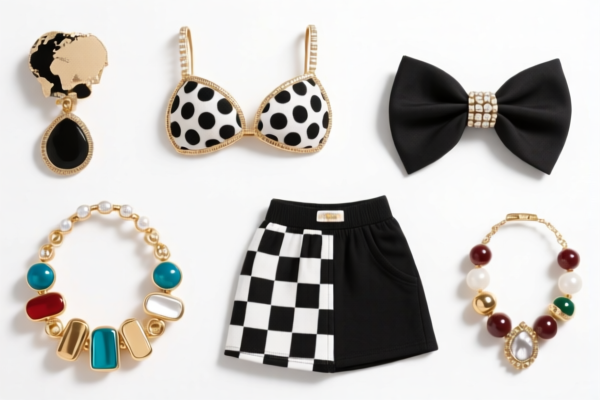
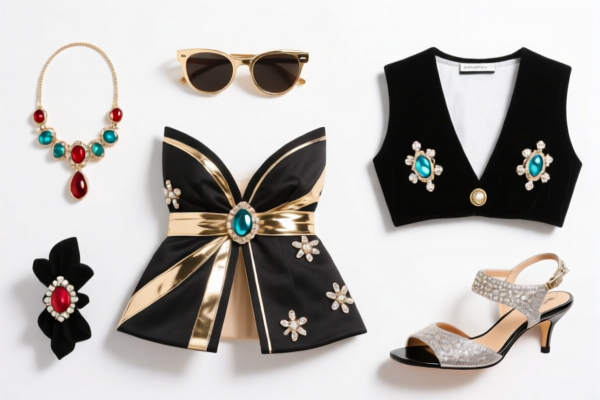
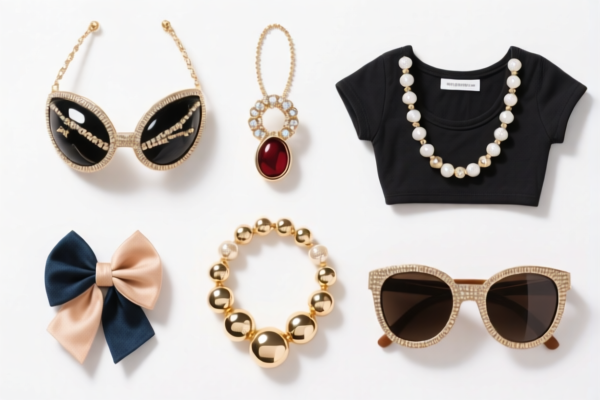

AI Analysis
📌 Overview of HS Code 6117.10.20.10 (Clothing Accessories)
HS Code 6117.10.20.10 is classified under the Harmonized System (HS) for Clothing Accessories. This code specifically refers to Scarves, Shawls, Stoles, Mufflers, and Similar Items.
📦 Key Details:
- Chapter 61:
-
Articles of Apparel and Clothing Accessories, Knitted or Crocheted.
-
Heading 6117:
-
Other made up clothing accessories, knitted or crocheted.
-
Subheading 6117.10:
-
Shawls, scarves, mufflers, mantillas, veils, and the like.
-
National Tariff Breakdown (varies by country):
- 6117.10.20.10: May represent a specific material or type (e.g., silk, wool, synthetic fibers, or cotton). The exact material depends on the country's tariff schedule.
🔍 Common Breakdown:
- Material Classification:
- Silk/Art Silk: Often categorized under 6117.10.20.10 (example: silk scarves).
- Wool/Cashmere: May fall under a different subheading depending on the country.
- Synthetic Fibers: Typically classified under 6117.10.90.00 (other synthetic materials).
🚚 Import/Export Considerations:
- Tariff Rates:
- US: Duty rate depends on material (e.g., 16% ad valorem for silk scarves under HTS 6117.10.20.50).
- EU: Generally 0% duty for many scarves under CENI.
-
India: Basic customs duty ranges from 5%–10% for scarves.
-
Documentation Requirements:
- Bill of Lading/Airway Bill: Shipping details.
- Commercial Invoice: Value of goods.
- Packing List: Quantity and weight.
-
Certificate of Origin: For preferential tariffs (e.g., under FTA agreements).
-
Restrictions:
- Some countries may impose anti-dumping duties on specific materials (e.g., silk or wool).
- Labeling requirements: Fiber content, care instructions, and country of origin may be mandatory.
🌍 Examples of Products under HS 6117.10.20.10:
- Silk Scarves: Luxury fashion items.
- Wool Shawls: Winter wear accessories.
- Synthetic Stoles: Casual or formal fashion.
- Cotton Mufflers: Everyday wear.
💡 Tips for Importers/Exporters:
- Verify Material Classification: Ensure the correct HS code based on the fabric (silk, wool, synthetic, etc.).
- Check Preferential Trade Agreements: Use FTAs (e.g., USMCA, EU-Mercosur) to reduce tariffs.
- Compliance: Follow labeling and safety standards (e.g., CPSIA in the US, REACH in the EU).
📞 Need Further Assistance?
If you need details for a specific country or material type, provide additional context for a precise analysis.
Customer Reviews
About HS Code Classification
The Harmonized System (HS) is an internationally standardized nomenclature developed by the World Customs Organization (WCO) to classify traded products. Over 200 countries use the HS system as the basis for customs tariffs, trade statistics, and import/export regulations.
Each HS code follows a hierarchical structure:
- Chapter (2 digits) — Broad category of goods (e.g., Chapter 84: Machinery and Mechanical Appliances)
- Heading (4 digits) — More specific grouping within the chapter
- Subheading (6 digits) — Internationally standardized breakdown, used by all WCO member countries
- National subdivisions (8-10 digits) — Country-specific extensions for further classification, such as US HTSUS 10-digit codes
Correct HS code classification is essential for smooth customs clearance, accurate duty payment, and compliance with trade regulations. Misclassification can lead to customs delays, overpayment of duties, or penalties.
When importing from CN to US, the applicable tariff rates may include:
- Most-Favored-Nation (MFN) rate — The standard duty rate applied to WTO members
- General rate — Applied to countries without trade agreements
- Trade remedy duties — Additional tariffs such as Section 301 (anti-dumping), Section 232 (national security), or countervailing duties
The information provided on this page is for reference purposes only. For official classification, please consult with your local customs authority or a licensed customs broker.