Clothing Patch
CN → US| HS Code | Tariff Rate | Origin | Destination | Doc |
|---|---|---|---|---|
| 6117909095 | 32.1% | CN | US | Official Doc |
| 6117909090 | 32.1% | CN | US | Official Doc |
| 5807102090 | 38.3% | CN | US | Official Doc |
| 5807902090 | 38.3% | CN | US | Official Doc |
| 5810921000 | 0.0% | CN | US | Official Doc |
| 5810999000 | 0.0% | CN | US | Official Doc |
Product Images
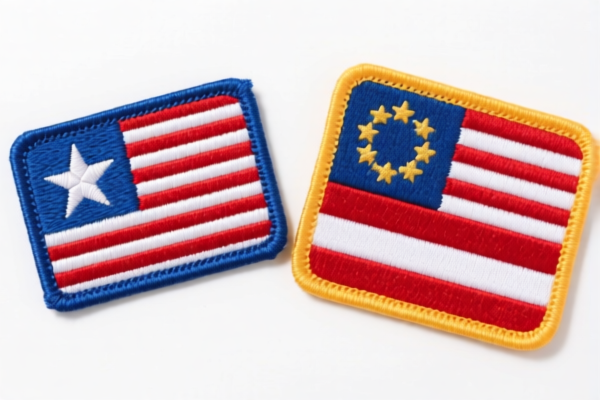
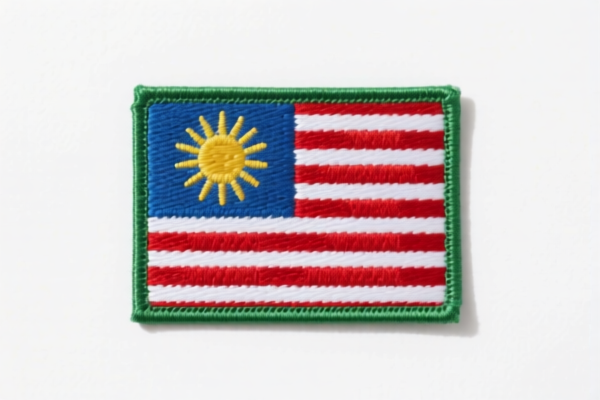
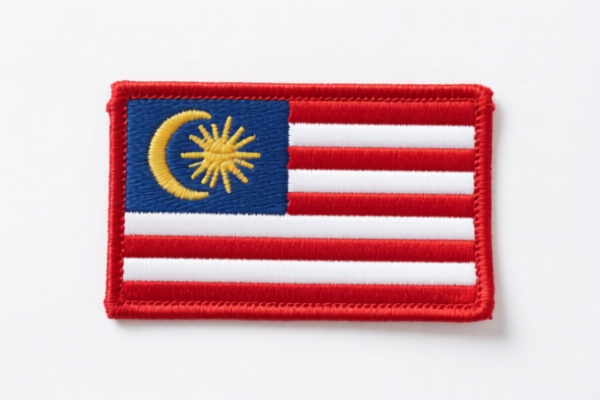
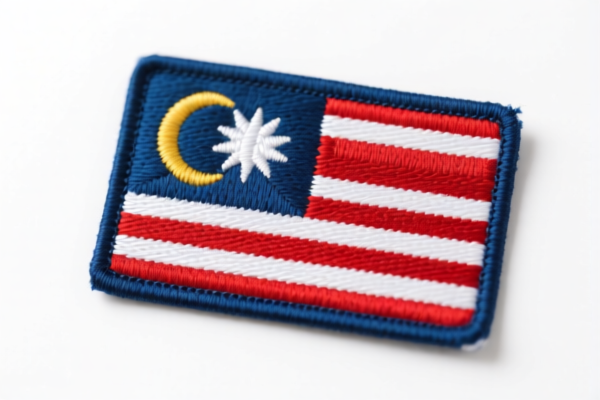
AI Analysis
🧵 Clothing Patches & Embroidery Labels (Textile Accessories)
🌐 HS Code Reference & Customs Clearance Guide | 2026 Latest Tariff Analysis | Professional Clearance Strategy
📌 I. Product Definition & Classification: Do You Really Understand "Clothing Patches"?
Clothing patches are decorative or functional textile items attached to garments, bags, or accessories. In international trade, they are strictly divided based on manufacturing method (embroidered vs. woven/non-embroidered) and material composition (man-made fibers vs. other materials).
Embroidered Patches (Motifs/Strips):
Characterized by thread-based stitching forming designs. If made from man-made fibers, they fall under specific subheadings. If made from other textile materials, they fall under "Other."
Non-Embroidered Labels/Tags (Woven/Knitted):
Includes woven labels, badges, and similar articles. These are not created by embroidery but by weaving or other textile processes.
⚠️ Key Distinction Point:
- If the item is embroidered and made of man-made fibers (nylon, polyester, etc.) →归入 5810.92.10.00
- If the item is embroidered but made of other materials (cotton, silk, wool) → 归入 5810.99.90.00
- If the item is not embroidered (woven label) → 归入 5807.10.20.90 or 5807.90.20.90
- If the item is a knitted/crocheted accessory part (e.g., knitted cuff, elastic band) → 归入 6117.90.90.95 or 6117.90.90.90
📦 II. HS Code Classification Details (2026 Latest Tariff Authority Comparison)
| HS Code | Product Description | Applicable Scenario | Embroidery? | Material |
|---|---|---|---|---|
5810.92.10.00 |
Embroidered badges, emblems, motifs of man-made fibers | Decorative patches, brand logos, military-style patches | ✅ Yes | Man-made (Polyester/Nylon) |
5810.99.90.00 |
Other embroidered articles of other textile materials | Embroidered patches made of Cotton, Silk, Wool, Blends | ✅ Yes | Other (Cotton/etc.) |
5807.10.20.90 |
Woven labels/badges of textile materials, not embroidered | Woven care labels, brand tags, size tags | ❌ No (Woven) | Various |
5807.90.20.90 |
Other labels/badges of textile materials, not embroidered | Knitted labels, printed labels (if not embroidered), other non-embroidered textile tags | ❌ No | Various |
6117.90.90.95 |
Other made up clothing accessories, knitted/crocheted (Parts) | Knitted cuffs, waistbands, decorative knitted trims | ❌ (Knitted Part) | Various |
6117.90.90.90 |
Parts of made up clothing accessories, knitted/crocheted (Man-made fibers) | Knitted parts made specifically from synthetic fibers | ❌ (Knitted Part) | Man-made |
🔍 Key Reminder:
- Embroidery is the critical differentiator: If it has visible stitched threads forming a design, it is likely 5810.
- Woven labels are distinct: If the pattern is formed by interlacing threads (like fabric), it is 5807.
- Accessories vs. Parts: If it is a complete accessory (like a pre-made knitted trim piece), it may fall under 6117.
💰 III. 2026 Latest Tariff Rate Details (Including Additional Taxes, Policy Add-ons)
✅ Applicable Country: United States (US)
✅ Origin: China (CN)
✅ Effective Date: From November 10, 2025 (including subsequent imports)
🎯 1. 5810.92.10.00 —— Embroidered Patches (Man-Made Fibers)
| Item | Content |
|---|---|
| Basic Tariff Rate | 0% (ad valorem) |
| USITC Additional Tax | +25% (from USITC Footnote 9903.88.01) |
| IEEPA Additional Tax | +10% (Targeting China/Hong Kong products, from Nov 10, 2025) |
| Total Tax Rate | 35% |
| Tax Calculation | CIF Value × 35% |
| De Minimis Exemption? | ❌ No (deny_de_minimis) |
| Legal Basis Path | IEEPA:9903.01.25 → IEEPA:9903.01.24 → USITC:5810.92.10.00 → FOOTNOTE:9903.88.01 |
📌 Explanation:
- Although the base tariff is 0%, the 25% USITC and 10% IEEPA surcharges apply.
- Total burden: 35%. This is a significant cost for lightweight textile goods.
- No de minimis exemption: Even small packages are subject to these taxes.
🎯 2. 5810.99.90.00 —— Other Embroidered Patches (Non-Man-Made Fibers)
| Item | Content |
|---|---|
| Basic Tariff Rate | 0% |
| USITC Additional Tax | +25% |
| IEEPA Additional Tax | +10% |
| Total Tax Rate | 35% |
| Tax Calculation | CIF × 35% |
| De Minimis Exemption? | ❌ No |
| Legal Basis Path | IEEPA:9901.25 → IEEPA:9903.01.24 → USITC:5810.99.90.00 → FOOTNOTE:9903.88.01 |
📌 Note:
- Applies to cotton/silk embroidered patches.
- Same high tax burden as man-made fibers.
🎯 3. 5807.10.20.90 & 5807.90.20.90 —— Non-Embroidered Labels/Woven Tags
| Item | Content |
|---|---|
| Basic Tariff Rate | 0% |
| USITC Additional Tax | +25% |
| IEEPA Additional Tax | +10% |
| Total Tax Rate | 35% |
| Tax Calculation | CIF × 35% |
| De Minimis Exemption? | ❌ No |
📌 Note:
- Woven labels are often considered "accessories" or "parts."
- Critical: If the label is attached to a garment, it may be declared as part of the garment. If shipped separately as "labels," it is subject to these taxes.
🎯 4. 6117.90.90.95 & 6117.90.90.90 —— Knitted/Crocheted Parts/Accessories
| Item | Content |
|---|---|
| Basic Tariff Rate | 0% |
| USITC Additional Tax | +25% |
| IEEPA Additional Tax | +10% |
| Total Tax Rate | 35% |
| Tax Calculation | CIF × 35% |
| De Minimis Exemption? | ❌ No |
📌 Note:
- Applies to knitted cuffs, trims, or other made-up accessories.
- Same 35% total rate.
🛠️ IV. Customs Clearance Practical Advice (Battle-Proven Pitfall Avoidance Guide)
✅ 1. Preparation Checklist (Missing Items = Delays)
| Document | Mandatory? | Description |
|---|---|---|
| ✅ Product Specs | ✔️ | Material composition (e.g., 100% Polyester), size, embroidery thread type |
| ✅ Product Photos | ✔️ | Clear images of front/back, showing stitching vs. weaving |
| ✅ Commercial Invoice | ✔️ | Must clearly state "Embroidered Patch" or "Woven Label," not just "Textile Accessory" |
| ✅ Packing List | ✔️ | Separate quantities if shipping patches vs. garments |
| ✅ Origin Certificate | ✔️ | Essential for verifying country of origin (China) |
✅ 2. Declaration Tips (Key Mnemonic)
🔥 "Embroidery is 5810, Woven is 5807, Knitted is 6117. Name it right, avoid fines tonight!"
| Scenario | Correct Declaration | Incorrect Practice |
|---|---|---|
| Embroidered Polyester Patch | 5810.92.10.00 - "Embroidered Motif, Man-Made Fibers" |
Misclassified as "Garment Part" → Risk of higher duty or seizure |
| Woven Cotton Label | 5807.10.20.90 - "Woven Label" |
Misclassified as "Embroidered" → Wrong HS Code, penalty |
| Knitted Cuff | 6117.90.90.90 - "Knitted Accessory Part" |
General "Textile Accessory" → Vague description, audit risk |
| Patch Attached to Shirt | Declare as Shirt (Garment HS Code) | Declare Patch Separately → Double taxation on parts |
✅ 3. Special Cases Handling
| Case | Handling Advice |
|---|---|
| Patches Shipped with Garments | Do NOT declare separately. Include them in the garment's HS Code. Separating them triggers 35% tax on the patches. |
| OEM Custom Patches | Provide design files and material specs. Confirm if "man-made" vs. "natural" fiber changes the subheading. |
| Low-Value Shipments (<$800) | No De Minimis Exemption. Even under $800, these items are subject to the 35% tariff. |
| Blended Materials | If patch is 60% polyester/40% cotton, check primary value or use man-made fiber rule if applicable. Consult HS rules. |
🌍 V. Global Market Comparison (2026 Latest)
| Country/Region | Recommended HS Code | Tariff (China Origin) | Certification | Notes |
|---|---|---|---|---|
| 🇺🇸 USA | 5810.92.10.00 |
35% (25% USITC + 10% IEEPA) | None usually | High tariff, no de minimis |
| 🇨🇳 China | 5810.92.10.00 |
5-8% | None | Standard import duty |
| 🇪🇺 EU | 5810.92.10.00 |
4% | CE (if applicable) | No surcharges |
| 🇬🇧 UK | 5810.92.10.00 |
4% | None | Post-Brexit tariff |
| 🇨🇦 Canada | 5810.92.10.00 |
5% | None | USMCA may apply if Canadian origin |
📌 Conclusion:
- USA is the most expensive market due to the 25% USITC and 10% IEEPA surcharges.
- No de minimis exemption for these textile items means even small samples or low-value shipments incur taxes.
- Strategy: If possible, include patches as part of the garment's packaging or declaration to avoid separate classification.
📌 VI. Common Mistakes & Pitfall Guide (Lessons Learned)
❌ Mistake 1: Declaring "Embroidered Patches" as "Garment Accessories" without specifying material.
👉 Consequence: Customs may classify under general "Other" categories with different duties or request further classification.
❌ Mistake 2: Assuming low-value packages are tax-free.
👉 Consequence: 35% tax applies regardless of value. No de minimis exemption.
❌ Mistake 3: Confusing "Woven" and "Embroidered."
👉 Consequence: Wrong HS Code. Woven (5807) vs. Embroidered (5810) have different regulatory histories, though tariffs are currently similar.
❌ Mistake 4: Shipping patches separately from garments when they are intended for immediate attachment.
👉 Consequence: Patches taxed at 35%, instead of being part of the garment's duty rate (which might be lower or different).
✅ Correct Approach:
"Embroidered Polyester Patch, 2x3 inches, Backed with Adhesive, Model XYZ, 100% Man-Made Fiber"
🎯 VII. Conclusion: Professional Declaration, Cost Efficiency!
🎯 Remember the Mantra:
🔹 "Embroidery is 5810, Woven is 5807. 35% Total Tax, No De Minimis! Include in Garment to Save Cost!"
🔹 "HS Code is King. Misclassify, and you Pay Twice!"
📌 Tip:
If your patches are shipped with garments, declare them as part of the Garment HS Code.
If shipped separately, expect 35% total tax (0% Base + 25% USITC + 10% IEEPA).
For high-volume shipments, consider Advance Ruling from CBP to confirm classification.
📣 Immediate Action:
📞 Contact a licensed customs broker.
📄 Provide clear product photos and material composition.
🚀 Optimize your supply chain to minimize tariff impact!
✨ Professional Clearance Starts with Accurate Classification!
💼 Every Dollar Saved is a Profit Earned!
Customer Reviews
About HS Code Classification
The Harmonized System (HS) is an internationally standardized nomenclature developed by the World Customs Organization (WCO) to classify traded products. Over 200 countries use the HS system as the basis for customs tariffs, trade statistics, and import/export regulations.
Each HS code follows a hierarchical structure:
- Chapter (2 digits) — Broad category of goods (e.g., Chapter 84: Machinery and Mechanical Appliances)
- Heading (4 digits) — More specific grouping within the chapter
- Subheading (6 digits) — Internationally standardized breakdown, used by all WCO member countries
- National subdivisions (8-10 digits) — Country-specific extensions for further classification, such as US HTSUS 10-digit codes
Correct HS code classification is essential for smooth customs clearance, accurate duty payment, and compliance with trade regulations. Misclassification can lead to customs delays, overpayment of duties, or penalties.
When importing from CN to US, the applicable tariff rates may include:
- Most-Favored-Nation (MFN) rate — The standard duty rate applied to WTO members
- General rate — Applied to countries without trade agreements
- Trade remedy duties — Additional tariffs such as Section 301 (anti-dumping), Section 232 (national security), or countervailing duties
The information provided on this page is for reference purposes only. For official classification, please consult with your local customs authority or a licensed customs broker.