Clothing Size Label Paper
CN → US| HS Code | Tariff Rate | Origin | Destination | Doc |
|---|---|---|---|---|
| 4821102000 | 35.0% | CN | US | Official Doc |
| 4821104000 | 35.0% | CN | US | Official Doc |
| 5807100510 | 42.9% | CN | US | Official Doc |
| 5807900510 | 42.9% | CN | US | Official Doc |
| 3926909989 | 22.8% | CN | US | Official Doc |
Product Images
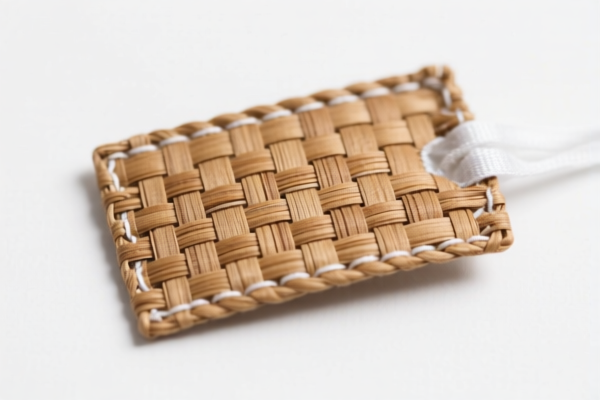
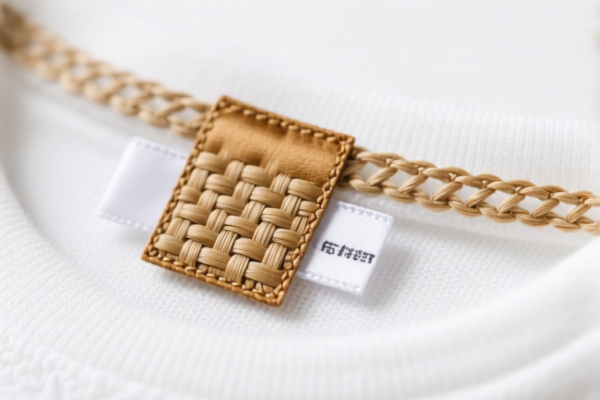
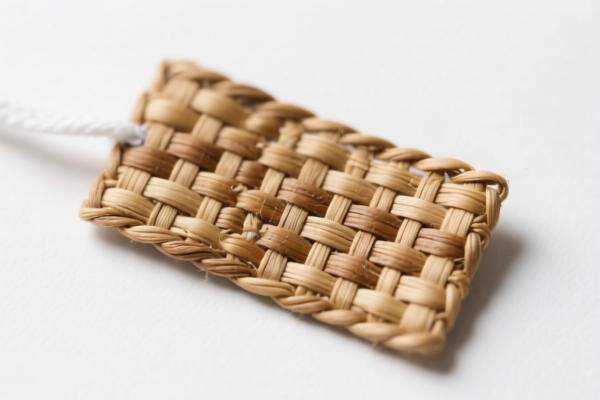

AI Analysis
🏷️ Clothing Size Label Paper (Paper Labels for Apparel)
🌐 HS Code Reference & Customs Clearance Guide | 2026 Latest Tariff Analysis | Professional Clearance Strategy
📌 I. Product Definition & Classification: Do You Truly Understand "Clothing Size Labels"?
Clothing size labels are essential components in the apparel industry, providing critical information such as size, material composition, and care instructions. In international trade, these labels are classified differently based on their material composition and form. This distinction is crucial because it directly impacts the total tax rate and clearance complexity.
⚠️ Key Distinction:
- If the label is made of paper or cardboard → It falls under Chapter 48 (Paper/Paperboard).
- If the label is made of textile materials (cotton, synthetic fibers) → It falls under Chapter 58 (Textile Products).
- If the label is made of plastic (e.g., PP, PET) → It falls under Chapter 39 (Plastics).
📦 II. HS Code Classification Details (2026 Latest Tariff Authority Comparison)
| HS Code | Product Description | Material | Form | Application |
|---|---|---|---|---|
4821.10.20.00 |
Clothing labels, material is paper/cardboard, form is label, meets classification requirements. | Paper/Cardboard | Label | Apparel Size Tags |
4821.10.40.00 |
Clothing labels, material is paper, use is paper/cardboard labels, fits "Other Printed" category. | Paper | Label | Apparel Size Tags |
5807.10.05.10 |
Clothing labels, form is label, use is for apparel, material is likely cotton or man-made fiber. | Textile (Cotton/Synthetic) | Label | Woven Labels |
5807.90.05.10 |
Clothing labels, form is label, use is for apparel, material is likely cotton, man-made fiber, or other textiles. | Textile (Various) | Label | Woven/Printed Labels |
3926.90.99.89 |
Clothing labels, material is likely plastic (PP, PET), falls under "Other Plastic Products" fallback category. | Plastic (PP/PET) | Label | Plastic Hang Tags |
🔍 Critical Reminder:
- Paper/Cardboard Labels (4821.10.xx) generally have lower base tariffs but are still subject to significant additional duties due to US-China trade policies.
- Textile Labels (5807.xx) have a higher base tariff (7.9%) due to the nature of textile imports, plus additional duties.
- Plastic Labels (3926.90.xx) have a moderate base tariff but are subject to different additional duty structures.
💰 III. 2026 Latest Tariff Rate Details (Including Surcharges & Policy Add-ons)
✅ Applicable Country: United States (US)
✅ Country of Origin: China (CN)
✅ Effective Date: November 10, 2025 (and subsequent imports)
🎯 1. 4821.10.20.00 & 4821.10.40.00 —— Paper/Cardboard Clothing Labels
| Item | Content |
|---|---|
| Base Tariff | 0.0% (ad valorem) |
| Section 301 Surcharge (USITC) | +25.0% |
| IEEPA Surcharge (Section 122) | +10.0% |
| Total Tariff Rate | 35.0% |
| Tax Calculation | CIF Value × 35% |
| De Minimis Exemption | ❌ Not Applicable (deny_de_minimis) |
| Legal Basis Path | USITC:4821.10.20.00 → FOOTNOTE:301 → IEEPA:122 |
📌 Explanation:
- Despite a 0% base tariff, paper labels are heavily impacted by Section 301 tariffs (25%) and IEEPA Section 122 tariffs (10%).
- Total effective rate: 35%. This is a high cost for paper-based products.
- Note: Both4821.10.20.00and4821.10.40.00have identical tax structures. The distinction is purely descriptive (specific vs. generic paper labels).
🎯 2. 5807.10.05.10 & 5807.90.05.10 —— Textile Clothing Labels (Cotton/Synthetic)
| Item | Content |
|---|---|
| Base Tariff | 7.9% (ad valorem) |
| Section 301 Surcharge (USITC) | +25.0% |
| IEEPA Surcharge (Section 122) | +10.0% |
| Total Tariff Rate | 42.9% |
| Tax Calculation | CIF Value × 42.9% |
| De Minimis Exemption | ❌ Not Applicable (deny_de_minimis) |
| Legal Basis Path | USITC:5807.10.05.10 → FOOTNOTE:301 → IEEPA:122 |
📌 Explanation:
- Textile labels have a higher base tariff (7.9%) compared to paper labels.
- Adding 25% (Section 301) and 10% (IEEPA 122) results in a total rate of 42.9%.
- Key Takeaway: Textile labels are more expensive to import into the US than paper labels due to the higher base rate.
🎯 3. 3926.90.99.89 —— Plastic Clothing Labels (PP/PET)
| Item | Content |
|---|---|
| Base Tariff | 5.3% (ad valorem) |
| Section 301 Surcharge (USITC) | +7.5% |
| IEEPA Surcharge (Section 122) | +10.0% |
| Total Tariff Rate | 22.8% |
| Tax Calculation | CIF Value × 22.8% |
| De Minimis Exemption | ❌ Not Applicable (deny_de_minimis) |
| Legal Basis Path | USITC:3926.90.99.89 → FOOTNOTE:301 → IEEPA:122 |
📌 Explanation:
- Plastic labels have a moderate base tariff (5.3%).
- The Section 301 surcharge is only 7.5% (not 25%), making this category significantly cheaper than paper or textile labels.
- Total effective rate: 22.8%. This is the most cost-effective option for plastic-based labels.
🛠️ IV. Customs Clearance Practical Advice (Battle-Tested Pitfall Avoidance Guide)
✅ 1. Required Documentation Checklist (Non-Negotiable)
| Document | Must Provide | Description |
|---|---|---|
| ✅ Product Spec Sheet | ✔️ | Material composition (Paper/Cotton/Plastic), dimensions, printing method |
| ✅ Material Certificate | ✔️ | Proof of material (e.g., PP, PET, Cotton, Paper) to determine correct HS Code |
| ✅ Product Photos | ✔️ | Clear images of the label, including any text, barcodes, or hang tags |
| ✅ Commercial Invoice | ✔️ | Clearly state "Clothing Label, Material: [Paper/Cotton/Plastic]" |
| ✅ Packing List | ✔️ | Detail quantity, weight, and packaging type |
| ✅ Original Packaging | ✔️ | If labels are sold in bulk rolls or sheets, specify format |
✅ 2. Declaration Tips (Key Mnemonics)
🔥 “Material is King, HS Code Follows, Don’t Split, Don’t Guess!”
| Scenario | Correct Declaration | Wrong Practice |
|---|---|---|
| Paper/Cardboard Labels | 4821.10.20.00 or 4821.10.40.00 |
Misdeclare as textile → 42.9% |
| Cotton/Woven Labels | 5807.10.05.10 or 5807.90.05.10 |
Misdeclare as paper → 35% |
| Plastic (PP/PET) Labels | 3926.90.99.89 |
Misdeclare as textile → 42.9% |
| Mixed Material Labels | Separate by material | Bundle all → Misclassification risk |
📌 Note:
- If a label has a paper body but a plastic hook or fabric strap, it must be broken down for declaration if possible, or declared based on the principal material.
- Do not use generic terms like "Tag" or "Label" without specifying material.
✅ 3. Special Case Handling
| Case | Handling Advice |
|---|---|
| OEM Custom Labels | Provide customer order + design specs. Avoid vague descriptions like "Printed Paper." |
| Labels with Hang Tags | If the hang tag is paper and the size label is fabric, declare separately. |
| Pre-printed vs. Blank | Pre-printed labels may require additional documentation (e.g., content approval). |
| Bulk Rolls vs. Individual Labels | Specify format. Rolls are often easier to classify under Chapter 48/59/39. |
🌍 V. Global Market Comparison (2026 Latest)
| Country/Region | Recommended HS Code | Tariff Rate (China Origin) | Notes |
|---|---|---|---|
| 🇺🇸 USA | Varies by Material | 22.8% - 42.9% | High additional tariffs (Section 301 + IEEPA 122) |
| 🇨🇳 China | Varies by Material | 0% - 7.9% | Lower base tariffs, no Section 301 |
| 🇪🇺 EU | Varies by Material | 0% - 5% | Generally low tariffs, no Section 301 |
| 🇬🇧 UK | Varies by Material | 0% - 5% | Post-Brexit, aligns with EU in many cases |
| 🇦🇺 Australia | Varies by Material | 5% - 10% | No Section 301 |
📌 Conclusion:
- The US is the most expensive market for clothing labels due to Section 301 and IEEPA 122 tariffs.
- Plastic labels (3926.90.99.89) are the most cost-effective for the US market (22.8% total).
- Paper labels are mid-range (35%), and Textile labels are the most expensive (42.9%).
📌 VI. Common Mistakes & Pitfall Guide (Blood-Teaching Lessons)
❌ Mistake 1: Declaring all labels as "Paper" regardless of material
👉 Consequence: If the label is actually cotton, you face a 42.9% rate instead of 35%. Plus, potential penalties for misdeclaration.
❌ Mistake 2: Using "Generic Label" as the description
👉 Consequence: Customs may assign the highest applicable tariff or hold the shipment for inspection.
❌ Mistake 3: Ignoring the Section 122 IEEPA Surcharge
👉 Consequence: Unexpected 10% additional cost on all Chinese-origin goods, leading to margin erosion.
❌ Mistake 4: Assuming De Minimis (Section 321) applies
👉 Consequence: No exemption for these HS codes. All shipments, regardless of value, are subject to full tariffs.
✅ Correct Approach:
"Clothing Size Label, Material: 100% Paper, Printed, Roll Format, Model XYZ, Origin: China"
🎯 VII. Conclusion: Precise Classification Saves Money!
🎯 Remember the Mnemonic:
🔹 “Paper 35%, Cotton 43%, Plastic 23%, Choose Wisely!”
🔹 “HS Code determines cost, Tariff Difference is Key, Correct Declaration Saves Thousands!”
📌 Pro Tip:
If your labels are produced in Vietnam, Mexico, Thailand, or Malaysia, you may qualify for IEEPA Exemptions or lower tariffs.
Recommendation:
📞 Contact a professional customs broker + Provide material specs + Apply for HS Code Advance Ruling
🚀 Ensure your clothing labels clear customs smoothly, efficiently, and profitably!
✨ Professional clearance starts with accurate classification!
💼 Every cent of your cost deserves precise calculation!
Customer Reviews
About HS Code Classification
The Harmonized System (HS) is an internationally standardized nomenclature developed by the World Customs Organization (WCO) to classify traded products. Over 200 countries use the HS system as the basis for customs tariffs, trade statistics, and import/export regulations.
Each HS code follows a hierarchical structure:
- Chapter (2 digits) — Broad category of goods (e.g., Chapter 84: Machinery and Mechanical Appliances)
- Heading (4 digits) — More specific grouping within the chapter
- Subheading (6 digits) — Internationally standardized breakdown, used by all WCO member countries
- National subdivisions (8-10 digits) — Country-specific extensions for further classification, such as US HTSUS 10-digit codes
Correct HS code classification is essential for smooth customs clearance, accurate duty payment, and compliance with trade regulations. Misclassification can lead to customs delays, overpayment of duties, or penalties.
When importing from CN to US, the applicable tariff rates may include:
- Most-Favored-Nation (MFN) rate — The standard duty rate applied to WTO members
- General rate — Applied to countries without trade agreements
- Trade remedy duties — Additional tariffs such as Section 301 (anti-dumping), Section 232 (national security), or countervailing duties
The information provided on this page is for reference purposes only. For official classification, please consult with your local customs authority or a licensed customs broker.