Clove Powder
CN → US| HS Code | Tariff Rate | Origin | Destination | Doc |
|---|---|---|---|---|
| 2103908000 | 41.4% | CN | US | Official Doc |
| 3301905000 | 17.5% | CN | US | Official Doc |
| 2103907800 | 0.0% | CN | US | Official Doc |
| 3301295113 | 17.5% | CN | US | Official Doc |
| 3301295150 | 17.5% | CN | US | Official Doc |
Product Images
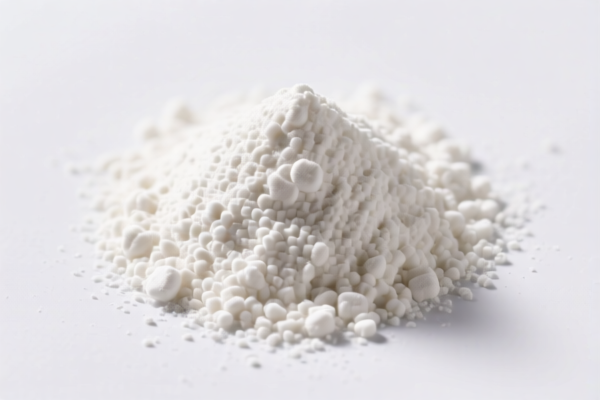
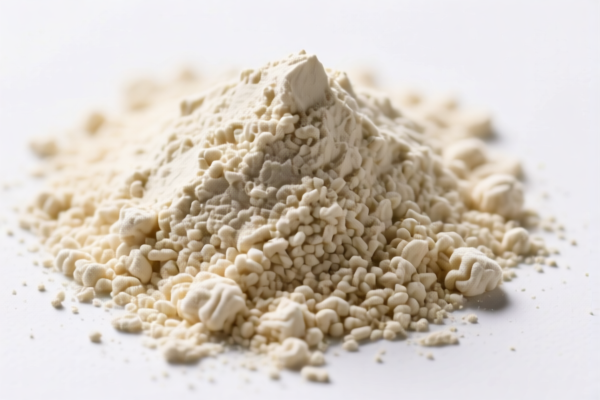
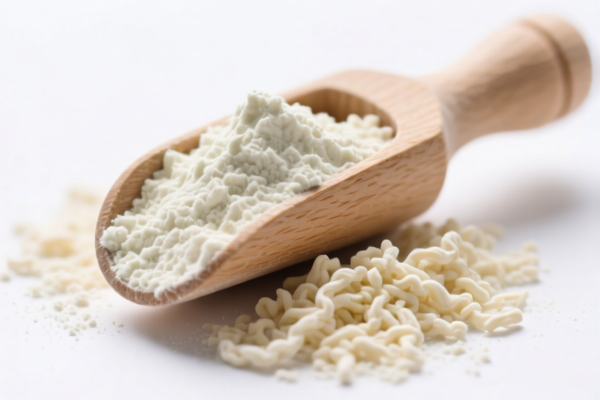
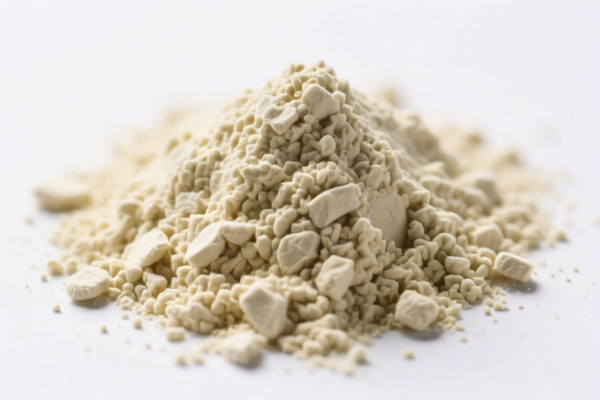
AI Analysis
🌿 Clove Powder & Essential Oils: The Spice of Life & High Tariffs
🌐 HS Code Reference & Clearance Guide | 2026 Latest Tax Rules | Professional Customs Strategy
📌 1. Product Definition: What Exactly Are We Dealing With?
Clove products are generally divided into two distinct categories in international trade, leading to vastly different tax treatments:
1. Clove Powder (Dried Spices/Seasoning):
Used primarily in cooking, food processing, and flavoring. It falls under the category of mixed seasonings and mixed condiments.
2. Clove Essential Oil (Extracts):
Used in perfumery, aromatherapy, and pharmaceutical applications. It falls under the category of plant extracts, essential oils, and water distillates.
⚠️ Key Distinction Point:
- If it is a ground dried spice for culinary use → It is likely a Seasoning/Mixed Condiment (Higher Tariff).
- If it is a liquid oil/extract for non-food/non-culinary industrial use → It is likely an Essential Oil (Lower Base Tariff, but still subject to surcharges).
📦 2. HS Code Classification Details (2026 Latest Authorized Alignment)
| HS Code | Product Description | Applicable Scenario | Total Tax Rate (CN Origin) |
|---|---|---|---|
2103.90.80.00 |
Mixed seasonings and mixed condiments (Clove Powder inferred) | Culinary spice powder, food ingredient | 41.4% |
3301.90.50.00 |
Other essential oils (non-citrus) / Extracts | Clove powder re-classified as botanical extract/category "Other" | 17.5% |
2103.90.78.00 |
Other mixed seasonings and mixed condiments | Clove powder as a specific spice powder within mixed seasonings | 30.5¢/kg + 6.4% + 10.0% |
3301.29.51.13 |
Clove essential oil (Specific category) | Liquid clove oil for perfume/pharma | 17.5% |
3301.29.51.50 |
Other non-citrus essential oils | Liquid clove oil categorized as "Other" | 17.5% |
🔍 Important Reminder:
- The classification heavily depends on the physical state (powder vs. oil) and the intended use (food vs. industrial/pharmaceutical).
- Clove Powder is most commonly classified under 2103 (Seasonings), but some exporters attempt to classify it under 3301 (Extracts) to lower taxes, which requires strict justification.
- Essential Oils generally fall under 3301.29, with specific sub-codes for different origins or processing methods.
💰 3. 2026 Latest Tariff Rate Breakdown (Including Surcharges & Policy Add-ons)
✅ Applicable Country: United States (US)
✅ Country of Origin: China (CN)
✅ Effective Date: From November 10, 2025 (and subsequent imports)
🎯 1. 2103.90.80.00 —— Mixed Seasonings & Condiments (Clove Powder)
| Item | Content |
|---|---|
| Base Tariff | 6.4% (ad valorem) |
| USITC Surcharge | +25.0% (Under Section 301, USITC Footnote 9903.88.01) |
| IEEPA Surcharge | +10.0% (Against China/Hong Kong products, effective Nov 10, 2025) |
| Total Tax Rate | 41.4% |
| Tax Calculation | CIF Value × 41.4% |
| De Minimis Eligibility | ❌ Not Eligible (deny_de_minimis) |
| Legal Basis Path | IEEPA:9903.01.25 → IEEPA:9903.01.24 → USITC:2103.90.80.00 → FOOTNOTE:9903.88.01 |
📌 Explanation:
- This is the standard classification for clove powder used as a seasoning.
- The 41.4% rate is high, combining the base duty with both the 25% Section 301 tariff and the 10% IEEPA surcharge.
- No de minimis exemption applies; even small shipments are subject to these taxes.
🎯 2. 3301.90.50.00 —— Other Essential Oils/Extracts (Clove Powder Re-classified)
| Item | Content |
|---|---|
| Base Tariff | 0.0% |
| USITC Surcharge | +7.5% |
| IEEPA Surcharge | +10.0% |
| Total Tax Rate | 17.5% |
| Tax Calculation | CIF Value × 17.5% |
| De Minimis Eligibility | ❌ Not Eligible (deny_de_minimis) |
| Legal Basis Path | IEEPA:9903.01.25 → IEEPA:9903.01.24 → USITC:3301.90.50.00 → FOOTNOTE:9903.88.01 |
📌 Explanation:
- This classification is risky for clove powder unless it can be proven as a botanical extract rather than a culinary spice.
- If accepted, the tax drops significantly to 17.5% (Base 0% + 7.5% + 10%).
- Customs Warning: Misdeclaring spice powder as an extract may lead to audits, penalties, and back taxes.
🎯 3. 2103.90.78.00 —— Other Mixed Seasonings (Clove Powder Specific)
| Item | Content |
|---|---|
| Base Tariff | 30.5¢/kg + 6.4% (ad valorem) |
| USITC Surcharge | 0.0% |
| IEEPA Surcharge | +10.0% |
| Total Tax Rate | 30.5¢/kg + 6.4% + 10.0% |
| Tax Calculation | (30.5¢ × Weight in kg) + (CIF Value × 16.4%) |
| De Minimis Eligibility | ❌ Not Eligible (deny_de_minimis) |
| Legal Basis Path | IEEPA:9903.01.25 → IEEPA:9903.01.24 → USITC:2103.90.78.00 → FOOTNOTE:9903.88.01 |
📌 Explanation:
- This is a hybrid tax (specific + ad valorem) for certain mixed seasonings.
- The USITC surcharge is 0% here, but the IEEPA 10% still applies.
- Suitable for bulk shipments where the specific fee per kg might be more advantageous than the 25% ad valorem surcharge, depending on the CIF value.
🎯 4. 3301.29.51.13 & 3301.29.51.50 —— Clove Essential Oils
| Item | Content |
|---|---|
| Base Tariff | 0.0% |
| USITC Surcharge | +7.5% |
| IEEPA Surcharge | +10.0% |
| Total Tax Rate | 17.5% |
| Tax Calculation | CIF Value × 17.5% |
| De Minimis Eligibility | ❌ Not Eligible (deny_de_minimis) |
| Legal Basis Path | IEEPA:9903.01.25 → IEEPA:9903.01.24 → USITC:3301.29.51.13/50 → FOOTNOTE:9903.88.01 |
📌 Explanation:
- Applies to liquid clove essential oils.
- 17.5% is the standard rate for non-citrus essential oils from China.
- Requires proof of extraction (steam distillation, etc.) and purity.
- Sub-codes:.13and.50are used for specific types or origins within the non-citrus oil category, but the tax rate is identical.
🛠️ 4. Customs Clearance Practical Advice (Pro Tips to Avoid Pitfalls)
✅ 1. Document Checklist (Non-negotiable)
| Document | Required | Notes |
|---|---|---|
| ✅ Product Specification Sheet | ✔️ | Must clearly state: Form (Powder/Oil), Origin, Processing Method (ground vs. distilled). |
| ✅ Commercial Invoice | ✔️ | Must specify: "Clove Powder (Spice)" or "Clove Essential Oil (Extract)". Do NOT use vague terms like "Spice Extract." |
| ✅ Packing List | ✔️ | Net weight and gross weight must be clear for hybrid tax calculations (2103.90.78.00). |
| ✅ Certificate of Origin (CO) | ✔️ | To prove China origin for surcharge applicability. |
| ✅ FDA Registration (if for food) | ✔️ | Essential for 2103 codes (food additives/seasonings). |
| ✅ SDS (Safety Data Sheet) | ✔️ | Essential for 3301 codes (chemicals/oils) to classify as hazardous/non-hazardous. |
✅ 2. Classification Strategy (Key Mantras)
🔥 “Powder = Seasoning, Oil = Extract. Name it Right, Tax is Lighter!”
| Scenario | Correct HS Code | Incorrect Code | Risk |
|---|---|---|---|
| Clove Powder (Culinary) | 2103.90.80.00 (41.4%) |
3301.90.50.00 |
Audit Risk: Customs may reject "extract" claim for culinary powder. |
| Clove Powder (Bulk/Specific) | 2103.90.78.00 (Hybrid) |
2103.90.80.00 |
Cost Saving: If CIF value is low, hybrid tax may be cheaper than 25% surcharge. |
| Clove Essential Oil | 3301.29.51.13/50 (17.5%) |
2103.90.80.00 |
Compliance: Must prove it's an oil/extract, not a spice. |
| Mixed Spice Blend (with Clove) | 2103.90.80.00 |
3301.90.50.00 |
Compliance: Mixed blends are strictly seasonings, not extracts. |
✅ 3. Special Cases & Mitigation
| Case | Handling Advice |
|---|---|
| OEM Private Label Clove Powder | Provide customer PO + product specs. Declare as "Mixed Seasoning" to avoid misclassification as extract. |
| Clove Oil for Perfumery | Provide SDS and GC-MS Report (purity analysis) to prove it's an essential oil (3301), not a food ingredient. |
| Small Shipments (De Minimis) | ❌ No Exemption! Both 2103 and 3301 codes for China origin are subject to deny_de_minimis. Even $800 shipments are taxed. |
| Re-export from Third Country | If re-shipped from Vietnam/Malaysia, provide Form E/AHK/AUSFTA to claim preferential tariffs (if applicable). |
🌍 5. Global Market Clearance Comparison (2026 Latest)
| Country/Region | Recommended HS Code | Tariff (CN Origin) | Certification Requirements | Notes |
|---|---|---|---|---|
| 🇺🇸 USA | 2103.90.80.00 (Powder) / 3301.29.51 (Oil) |
41.4% (Powder) / 17.5% (Oil) | FDA (for food) / EPA (for oil) | High tariffs due to Section 301 + IEEPA. |
| 🇨🇳 China | 2103.90.80.00 / 3301.29.51 |
5-10% | N/A | No US-style surcharges. |
| 🇪🇺 EU | 0908.20.00 (Clove) / 3301.29 |
0-6.5% | REACH (for oil) | Clove whole/spice has lower EU tariffs. |
| 🇬🇧 UK | 0908.20.00 / 3301.29 |
0-6.5% | UKCA (for oil) | Post-Brexit tariffs similar to EU. |
| 🇦🇺 Australia | 0908.20.00 / 3301.29 |
0-5% | TGA (for oil) | No major surcharges. |
📌 Conclusion:
- The US is the most expensive market for Chinese clove products due to political tariffs (301 + IEEPA).
- Clove Powder faces the highest hit (41.4%).
- Clove Oil is more tax-efficient (17.5%) but requires stricter documentation.
- For non-US markets, tariffs are significantly lower, making Asia/EU/AU more attractive for high-volume exports.
📌 6. Common Mistakes & Pitfalls (Blood & Tears Lessons)
❌ Mistake 1: Declaring Clove Powder as "Essential Oil" to save taxes
👉 Consequence: Customs audit → Back taxes + fines + shipment hold!
💡 Fix: Only declare as oil if it is liquid and extracted.
❌ Mistake 2: Ignoring IEEPA 10% Surcharge for shipments after Nov 10, 2025
👉 Consequence: Underpayment → Penalty of 20-30% on unpaid duties.
💡 Fix: Always calculate Base + 301 + IEEPA for China-origin goods to the US.
❌ Mistake 3: Assuming De Minimis ($800) applies
👉 Consequence: Seizure of small parcels → 100% loss.
💡 Fix: All clove products from China to the US are excluded from de minimis.
✅ Correct Approach:
"Clove Powder, Ground, Dried, For Culinary Use, HS 2103.90.80.00, Origin: China"
OR
"Clove Essential Oil, Steam Distilled, For Perfumery, HS 3301.29.51.50, Origin: China"
🎯 7. Conclusion: Smart Classification Saves Money!
🎯 Remember the Mantra:
🔹 "Powder is Seasoning (41.4%), Oil is Extract (17.5%). Name it right, or pay the price!"
🔹 "No De Minimis for China Cloves in the US. Plan ahead!"
📌 Pro Tip:
If you are shipping essential oils, consider sourcing from Vietnam or Malaysia to potentially leverage FTA agreements and reduce US tariffs.
For powder, pre-calculate the hybrid tax option (2103.90.78.00) if your CIF value is low, as it might save costs compared to the 25% surcharge.
📣 Immediate Action:
📞 Contact a licensed US Customs Broker for Advance Ruling on your specific product form.
🚀 Ensure your Invoice and Packing List match the HS Code exactly to avoid delays.
✨ Professional Clearance Starts with Accurate Classification!
💼 Every Percent Saved is Profit Gained!
Customer Reviews
About HS Code Classification
The Harmonized System (HS) is an internationally standardized nomenclature developed by the World Customs Organization (WCO) to classify traded products. Over 200 countries use the HS system as the basis for customs tariffs, trade statistics, and import/export regulations.
Each HS code follows a hierarchical structure:
- Chapter (2 digits) — Broad category of goods (e.g., Chapter 84: Machinery and Mechanical Appliances)
- Heading (4 digits) — More specific grouping within the chapter
- Subheading (6 digits) — Internationally standardized breakdown, used by all WCO member countries
- National subdivisions (8-10 digits) — Country-specific extensions for further classification, such as US HTSUS 10-digit codes
Correct HS code classification is essential for smooth customs clearance, accurate duty payment, and compliance with trade regulations. Misclassification can lead to customs delays, overpayment of duties, or penalties.
When importing from CN to US, the applicable tariff rates may include:
- Most-Favored-Nation (MFN) rate — The standard duty rate applied to WTO members
- General rate — Applied to countries without trade agreements
- Trade remedy duties — Additional tariffs such as Section 301 (anti-dumping), Section 232 (national security), or countervailing duties
The information provided on this page is for reference purposes only. For official classification, please consult with your local customs authority or a licensed customs broker.