Coarse Sawn Eucalyptus Debarked
CN → US| HS Code | Tariff Rate | Origin | Destination | Doc |
|---|---|---|---|---|
| 4407190093 | 35.0% | CN | US | Official Doc |
| 4401490090 | 35.0% | CN | US | Official Doc |
| 4401394290 | 35.0% | CN | US | Official Doc |
| 4407290296 | 35.0% | CN | US | Official Doc |
| 4403980095 | 35.0% | CN | US | Official Doc |
Product Images
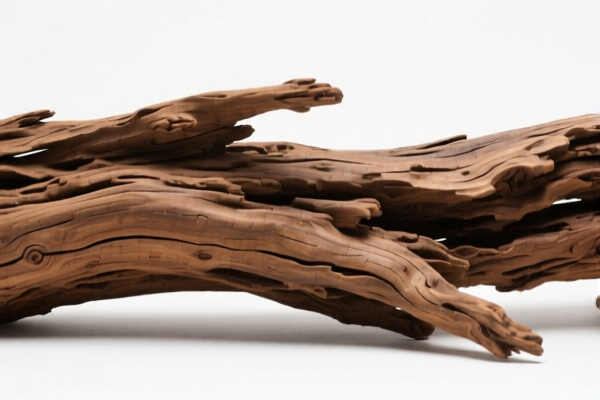
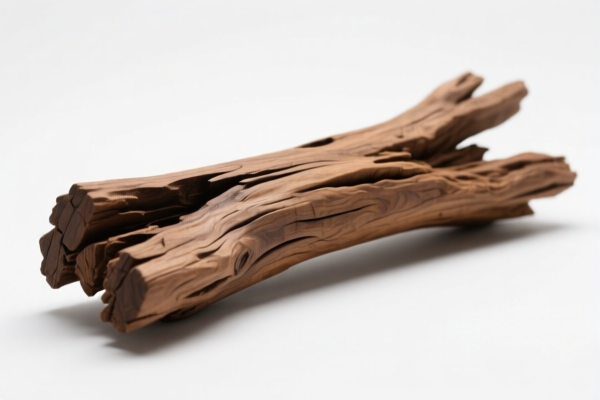
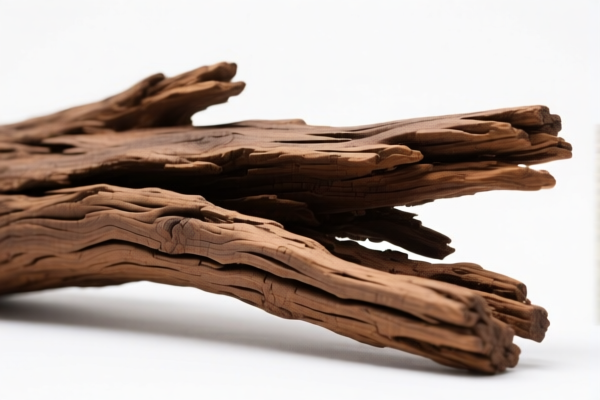
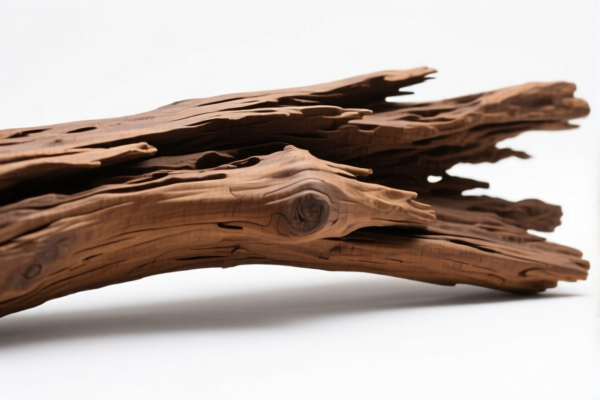
AI Analysis
🌲 Eucalyptus Wood: Debarked & Coarse Sawn (The "Generic" Log Category)
🌐 HS Code Reference & Customs Clearance Guide | 2026 Latest Tariff Analysis | Professional Clearance Strategy for US Imports
📌 I. Product Definition & Classification: What Exactly is "Debarked Eucalyptus"?
Eucalyptus wood, a fast-growing hardwood, is frequently imported into the US in various forms depending on its processing stage. For US Customs, the distinction between "fuel," "waste," "semi-processed lumber," and "raw logs" is critical because it dictates not only the Harmonized Tariff Schedule (HTS) code but also the applicable punitive tariffs.
In this specific dataset, all identified HS Codes share a common origin profile: * Material: Eucalyptus (Broadleaf hardwood). * Condition: Debarked (Bark removed). * Key Constraint: The wood is NOT planed, sanded, or otherwise finely finished. It falls into the "coarse," "raw," or "waste" categories.
⚠️ Critical Distinction:
- If the wood is intact logs/bolts intended for burning → Fuel/Waste Codes (4401)
- If the wood is sawn to length but rough → Lumber Codes (4407/4403)
- If the wood is chips/shavings → Waste Codes (4401/4403)All these categories are subject to aggressive US trade barriers due to Section 301 and IEEPA sanctions against Chinese origin goods.
📦 II. HS Code Classification Details (2026 Latest Tariff Authority Match)
Based on the provided data, ALL potential classifications for "Debarked Coarse Sawn Eucalyptus" result in the same tax burden. This indicates a high-risk commodity for US importers from China.
| HS Code | Product Description (Summary) | Logical Category | Processing State |
|---|---|---|---|
4407.19.00.93 |
Sawn Eucalyptus, >6mm thick, untreated | Semi-processed Lumber | Rough-sawn boards/planks, not planed |
4401.49.00.90 |
Debarked Eucalyptus as fuel (not chips/wood waste) | Solid Wood Fuel | Logs/bolts intended for burning |
4401.39.42.90 |
Debarked Eucalyptus (Wood waste/crushed) | Wood Waste/Fuel | Chips, sawdust, or broken chunks |
4407.29.02.96 |
Debarked Eucalyptus (Tropical Wood "Catch-all") | Other Tropical Wood | Fallback category for unfinished tropical timber |
4403.98.00.95 |
Debarked Eucalyptus (Roughly shaped/processed) | Prepared Wood | Roughly squared or edge-trimmed, not planed |
🔍 Key Insight:
- Whether you import it as lumber (4407), fuel (4401), or waste (4401), the US government applies the same maximum penalty rate.
- "Debarked" does not exempt you from tariffs; it simply changes the sub-heading within the Chapter 44 (Wood and articles of wood) framework.
- The phrase "Coarse Sawn" implies the wood has been cut to dimension but lacks the finishing required for higher-value classifications (like planed lumber under4409).
💰 III. 2026 Latest Tariff Rate Breakdown (Including Surcharges & Policy Add-ons)
✅ Applicable Country: United States (US)
✅ Origin: China (CN)
✅ Effective Date: Ongoing (Section 301 & IEEPA provisions)
🎯 UNIVERSAL RATE FOR ALL LISTED HS CODES
| Item | Content |
|---|---|
| Base Duty Rate | 0.0% (Ad Valorem for most wood products from China under normal MFN) |
| Section 301 Additional Duty | +25.0% (Imposed under US Trade Act of 1974, Section 301) |
| IEEPA Section 122 Duty | +10.0% (Imposed under International Emergency Economic Powers Act, targeting specific Chinese goods) |
| Total Tax Rate | 35.0% |
| Tax Calculation | CIF Value (Cost + Insurance + Freight) × 35% |
| De Minimis Exemption | ❌ NOT ELIGIBLE (Valued shipments >$800 are subject to duties; No low-value exemption for these HS codes) |
| Legal Basis Path | USITC:4407/4401/4403 → Footnote 9903.88.01 (25%) → IEEPA:9903.01.25 (10%) |
📌 Explanation of the 35% Burden:
- 0% Base: Wood products often have low base MFN rates.
- 25% Section 301: This is the primary penalty for Chinese manufactured goods, including timber products.
- 10% IEEPA (122 Clause): An additional emergency surcharge applied to Chinese imports.
- Total 35%: This is a heavy cost. For a $10,000 shipment, you pay $3,500 in duties alone.
🛠️ IV. Customs Clearance Practical Advice (Avoid Pitfalls)
✅ 1. Documentation Checklist (Non-Negotiable)
| Document | Required | Notes |
|---|---|---|
| ✅ Commercial Invoice | ✔️ | Must clearly state: "Debarked Eucalyptus Wood," HS Code, and Country of Origin (China). |
| ✅ Packing List | ✔️ | Detail dimensions (if sawn) or weight/lot size (if fuel/waste). |
| ✅ Phytosanitary Certificate | ✔️ | CRITICAL. Eucalyptus is prone to pests. Must be issued by Chinese Customs/GACC and meet US APHIS requirements. |
| ✅ Fumigation Certificate | ✔️ | If not treated, fumigation proof is mandatory to prevent rejection. |
| ✅ Bill of Lading/Air Waybill | ✔️ | Match invoice details exactly. |
| ✅ ISF (10+2) Filing | ✔️ | Must be filed 24 hours before loading in China. Incorrect HS Code = Penalties. |
✅ 2. Declaration Strategy (Key Mnemonic)
🔥 "Debarked Does Not Mean Duty-Free; Origin Defines the Penalty."
| Scenario | Correct Approach | Common Mistake |
|---|---|---|
| Importing Logs/Bolts for Fuel | Use 4401.49.00.90 |
Misdeclaring as "Lumber" to avoid fuel regulations (risky) |
| Importing Rough Boards | Use 4407.19.00.93 |
Declaring as "Planed Lumber" (would require different treatment) |
| Importing Wood Chips/Waste | Use 4401.39.42.90 |
Not declaring as "Waste" → May be rejected as improper cargo |
| Uncertain Category | Use 4407.29.02.96 (Catch-all) |
Guessing the wrong sub-code → Delay at CBP |
⚠️ Warning:
- Do NOT claim "De Minimis" (Section 321) for these items if the value exceeds $800.
- Do NOT misdeclare as "Non-Chinese Origin" if the wood is processed in China. CBP uses wood ring counting and chemical analysis to verify origin.
✅ 3. Special Circumstances
| Situation | Handling Advice |
|---|---|
| Mixed Shipments | If the container has both Eucalyptus and other woods, declare separately. Mixing can lead to audit of the entire load. |
| Treated Wood | If chemically treated (e.g., for outdoor use), ensure the treatment certificate matches the HS Code description. |
| Sample Shipments | Even samples under $800 may require a phytosanitary certificate if they are raw wood. |
🌍 V. Global Market Comparison (2026 Update)
| Market | Recommended HS Code | Total Duty Rate | Key Requirement |
|---|---|---|---|
| 🇺🇸 USA | 4407.19.00.93 / 4401.49.00.90 / etc. |
35.0% | Phytosanitary Cert + APHIS Permit |
| 🇨🇳 China (Import) | 4407.19.00.00 (Est.) |
~5-10% | GACC Import License |
| 🇪🇺 EU | 4407.10.90 |
~0-6.5% | FLEGT License (if applicable) |
| 🇬🇧 UK | 4407.10.90 |
~0-6.5% | UKCA Marking (if processed) |
📌 Conclusion:
- The US is the most expensive market for Chinese-origin Eucalyptus due to the 35% combined tariff.
- No duty-free options exist for debarked coarse-sawn Eucalyptus from China in the US.
- Phytosanitary compliance is as important as tariff payment. Rejection due to pests can cost more than the 35% duty.
📌 VI. Common Errors & Pitfalls (Lessons Learned)
❌ Error 1: Declaring Eucalyptus as "Hardwood Lumber" without specifying "Debarked" or "Rough"
👉 Consequence: CBP may classify it under a different sub-heading, triggering a Request for Additional Info (RAI) and delaying release.
❌ Error 2: Ignoring the 122 Clause IEEPA Tax
👉 Consequence: Underpaying by 10% → Back taxes + Penalties + Interest.
❌ Error 3: Misclassifying "Waste/Chips" as "Fuel"
👉 Consequence: Environmental regulations differ. Waste wood may require stricter disposal proof upon import.
❌ Error 4: Assuming "Debarked" means "Ready for Use"
👉 Consequence: If the wood is still rough, it cannot be classified as planed/sanded lumber, which has different (sometimes lower) base duties (though still 35% total here).
✅ Correct Approach:
"Debarked Eucalyptus Wood, Rough-Sawn, 8mm Thickness, Unfinished, Origin: China. HS: 4407.19.00.93. Duty: 35%."
🎯 VII. Conclusion: Professional Declaration, Cost Control
🎯 Key Takeaway:
🔹 "Debarked Eucalyptus from China = 35% Duty. No Exceptions."
🔹 "Phytosanitary Cert is as important as the Invoice."
🔹 "Do not guess the HS Code; use the catch-all4407.29.02.96if unsure, but expect 35%."
📌 Pro Tip:
If you are an importer, budget 35% of CIF value strictly for duties.
Consider Pre-Ruling with CBP if your shipment volume is high, to confirm the exact sub-heading and avoid post-clearance audits.
📣 Immediate Action:
📞 Verify your Phytosanitary Certificate with APHIS standards.
💰 Calculate 35% duty in your landed cost model.
📄 Ensure ISF filing is done 24h before cargo departure.
✨ Accurate classification saves money. Accurate phytosanitary clearance saves your shipment.
💼 Every percentage point counts in global trade.
Customer Reviews
About HS Code Classification
The Harmonized System (HS) is an internationally standardized nomenclature developed by the World Customs Organization (WCO) to classify traded products. Over 200 countries use the HS system as the basis for customs tariffs, trade statistics, and import/export regulations.
Each HS code follows a hierarchical structure:
- Chapter (2 digits) — Broad category of goods (e.g., Chapter 84: Machinery and Mechanical Appliances)
- Heading (4 digits) — More specific grouping within the chapter
- Subheading (6 digits) — Internationally standardized breakdown, used by all WCO member countries
- National subdivisions (8-10 digits) — Country-specific extensions for further classification, such as US HTSUS 10-digit codes
Correct HS code classification is essential for smooth customs clearance, accurate duty payment, and compliance with trade regulations. Misclassification can lead to customs delays, overpayment of duties, or penalties.
When importing from CN to US, the applicable tariff rates may include:
- Most-Favored-Nation (MFN) rate — The standard duty rate applied to WTO members
- General rate — Applied to countries without trade agreements
- Trade remedy duties — Additional tariffs such as Section 301 (anti-dumping), Section 232 (national security), or countervailing duties
The information provided on this page is for reference purposes only. For official classification, please consult with your local customs authority or a licensed customs broker.