Coarse wool yarn for furniture upholstery
CN → US| HS Code | Tariff Rate | Origin | Destination | Doc |
|---|---|---|---|---|
| 5109908000 | 41.0% | CN | US | Official Doc |
| 5109909000 | 41.0% | CN | US | Official Doc |
| 5109909000 | 41.0% | CN | US | Official Doc |
| 5109109000 | 41.0% | CN | US | Official Doc |
| 5109908000 | 41.0% | CN | US | Official Doc |
Product Images
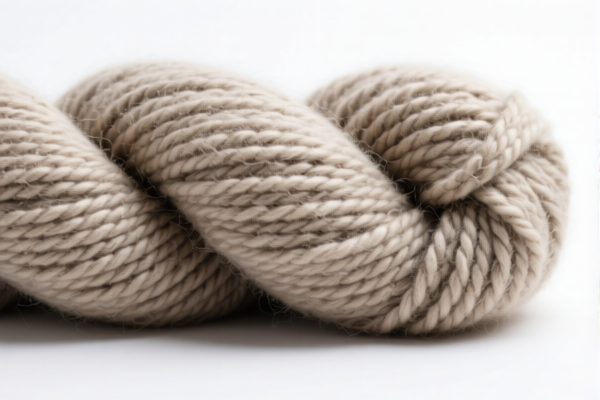
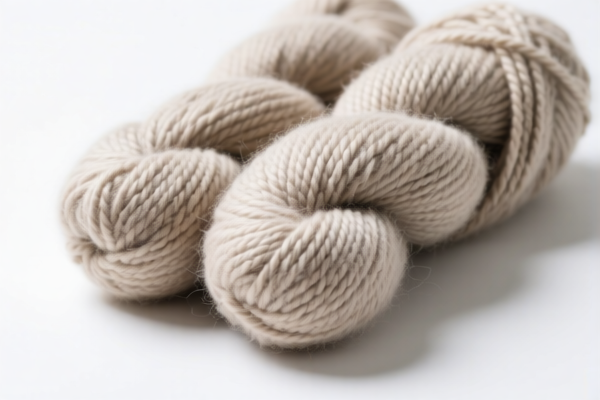

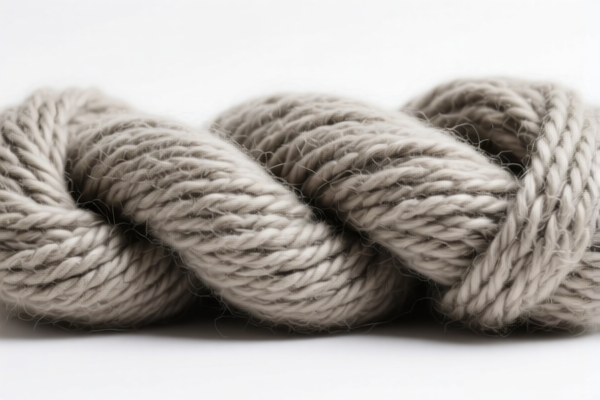
AI Analysis
🧶 Coarse Wool Yarn for Furniture Upholstery
🌐 HS Code Reference & Customs Clearance Guide | 2026 Latest Tariff Full Analysis | Professional Clearance Strategy
📌 I. Product Definition & Classification: Do You Really Understand "Coarse Wool Yarn"?
Coarse wool yarn, specifically sourced from goat hair (such as cashmere or mohair types but categorized as coarse), is a critical textile input for high-end furniture upholstery, decorative weaving, and soft furnishings. In international trade, it is strictly defined by its material composition (coarse animal hair/goat hair) and form (yarn/thread).
International customs authorities distinguish between fine animal hair yarns (like pure cashmere) and coarse animal hair yarns (like coarse goat hair). This distinction directly impacts the HS Code classification and subsequent tariff liabilities.
⚠️ Key Distinction Points:
- If the yarn is made from fine animal hair (e.g., cashmere), it falls under Chapter 51 heading 5109 with different subheading codes.
- If the yarn is made from coarse goat hair or other coarse animal hair, it falls under HS 5109.90 or 5109.10 (depending on specific blend/weight definitions in local nomenclature, but here we focus on the provided data).
- Critical Note: The term "Furniture Upholstery" is the end-use, which does not change the HS Code of the raw yarn itself, but it dictates the correct commercial description for customs declarations to avoid misclassification as "finished textile goods."
📦 II. HS Code Classification Details (2026 Latest Tariff Authority Comparison)
Based on the provided data, the coarse wool yarn for furniture upholstery is classified under two primary HS Codes, depending on the specific granularity and technical definition of the "coarse" fiber.
| HS Code | Product Description | Application/Usage | Tax Rate |
|---|---|---|---|
5109.90.80.00 |
Coarse goat hair yarn; used for furniture upholstery materials | Raw material for furniture fabrics | 41.0% |
5109.90.90.00 |
Coarse goat hair yarn; meets the definition of wool or fine animal hair yarn | Raw material for furniture upholstery | 41.0% |
5109.10.90.00 |
Coarse goat hair yarn; used for decoration/soft packaging | Decorative upholstery and soft furnishings | 41.0% |
🔍 重点提醒 (Key Reminders):
- All listed HS Codes share the same total tax rate of 41.0%.
- The distinction between5109.90.80.00,5109.90.90.00, and5109.10.90.00lies in the specific technical description of the fiber (e.g., whether it is strictly "coarse" or if it falls under a broader "fine animal hair" definition despite being coarse in nature, as noted in the summary for5109.90.90.00).
- Do not confuse this with Chapter 60 or 62 (knitted/woven fabrics). Since this is yarn/thread, it must remain in Chapter 51.
💰 III. 2026 Latest Tariff Rate Details (Including Surcharges & Policy Add-ons)
✅ Applicable Country: United States (US)
✅ Origin: China (CN)
✅ Effective Time: Ongoing (based on existing 301/122 tariffs)
🎯 1. 5109.90.80.00 —— Coarse Goat Hair Yarn (Furniture Fabric)
| Item | Content |
|---|---|
| Base Tariff | 6.0% (Ad Valorem) |
| Additional Tariff (Section 301) | +25.0% |
| Section 122 Tariff | +10.0% |
| Total Tax Rate | 41.0% |
| Tax Calculation | CIF Value × 41% |
| De Minimis Eligibility | ❌ No (Deny De Minimis) |
| Legal Basis Path | Base Tariff (6%) → Section 301 (25%) → Section 122 (10%) = 41% Total |
📌 Explanation:
- Base Tariff (6%): The standard Most Favored Nation (MFN) rate for coarse animal hair yarn.
- Section 301 Tariff (+25%): Imposed on Chinese goods under the Trade Act of 1974, Section 301, targeting unfair trade practices.
- Section 122 Tariff (+10%): Additional duties imposed under the Trade Expansion Act of 1962, Section 122, for specific national security or economic interests.
- Total 41%: This is a high tariff burden. Importers must factor this into landed costs.
🎯 2. 5109.90.90.00 —— Coarse Goat Hair Yarn (Furniture Upholstery)
| Item | Content |
|---|---|
| Base Tariff | 6.0% |
| Additional Tariff (Section 301) | +25.0% |
| Section 122 Tariff | +10.0% |
| Total Tax Rate | 41.0% |
| Tax Calculation | CIF Value × 41% |
| De Minimis Eligibility | ❌ No |
| Legal Basis Path | Base Tariff (6%) → Section 301 (25%) → Section 122 (10%) = 41% Total |
📌 Note:
- The summary for this code mentions it "meets the definition of wool or fine animal hair yarn." Even if technically classified as "coarse," if customs accepts the "fine animal hair" definition for duty purposes, the tariff structure remains identical in this dataset (41%).
- Consistency in declaration is key; do not switch codes arbitrarily without technical justification.
🎯 3. 5109.10.90.00 —— Coarse Goat Hair Yarn (Decoration/Soft Packaging)
| Item | Content |
|---|---|
| Base Tariff | 6.0% |
| Additional Tariff (Section 301) | +25.0% |
| Section 122 Tariff | +10.0% |
| Total Tax Rate | 41.0% |
| Tax Calculation | CIF Value × 41% |
| De Minimis Eligibility | ❌ No |
| Legal Basis Path | Base Tariff (6%) → Section 301 (25%) → Section 122 (10%) = 41% Total |
📌 Note:
- This code is often used for yarn intended for decorative applications or soft furnishings (upholstery).
- The tariff impact is identical, but the commercial description must clearly state "for decoration/soft packaging" to match the HS code definition.
🛠️ IV. Customs Clearance Practical Advice (Combat Pitfall Guide)
✅ 1. Preparation Checklist (Non-negotiable)
| Document | Required | Explanation |
|---|---|---|
| ✅ Product Specification Sheet | ✔️ | Must specify fiber content (e.g., 100% Goat Hair), count, twist, and color. |
| ✅ Commercial Invoice | ✔️ | Must clearly state: "Coarse Goat Hair Yarn, for Furniture Upholstery." Avoid vague terms like "Textile Material." |
| ✅ Packing List | ✔️ | Detail weight, dimensions, and number of spools/bobbins. |
| ✅ Certificate of Origin (CO) | ✔️ | Essential for proving Chinese origin to apply the correct 301/122 tariffs. |
| ✅ Manufacturer’s Declaration | ✔️ | Confirming the fiber is coarse animal hair (goat) and not blended with synthetic fibers (which might change the HS Code to 55xx). |
| ✅ Photos of Product | ✔️ | Show labels, spools, and fiber texture to prove it is yarn, not fabric. |
✅ 2. Declaration Tips (Key Mnemonic)
🔥 "Yarn Not Fabric, Coarse Not Fine, 41% is the Line!"
| Scenario | Correct Declaration | Wrong Practice |
|---|---|---|
| Raw Yarn | 5109.90.80.00 or 5109.90.90.00 |
Misdeclare as "Fabric" (Chapter 60/62) → Higher duty + penalties |
| Blended Yarn | Check if >50% goat hair. If yes, Chapter 51. If no, Chapter 55. | Declare as 100% goat hair if it’s blended → Seizure risk |
| End-Use | "For Furniture Upholstery" | "For Clothing" (if intended for upholstery) → Misuse of tariff preferences? |
| Packaging | "Coarse Goat Hair Yarn" | "Wool Yarn" (too generic) → Customs may reject or reclassify |
✅ 3. Special Situation Handling
| Situation | Handling Advice |
|---|---|
| OEM/Custom Orders | Provide client POs and design specs to prove "Furniture Upholstery" use. |
| Blended Fibers | If mixed with synthetic fibers, the HS Code may shift to 5509 or 5510. Recalculate tariffs accordingly. |
| Small Sample Shipments | Even samples are subject to the 41% tariff. Do not ship as "Gift" to avoid de minimis (which is denied here). |
| Re-export from Mexico/Vietnam | If yarn is processed into fabric abroad, the final product may have different duties. Check Rules of Origin. |
🌍 V. Global Market Comparison (2026 Latest)
| Country/Region | Recommended HS Code | Tariff (China Origin) | Certification Requirements | Notes |
|---|---|---|---|---|
| 🇺🇸 USA | 5109.90.80.00 / 5109.90.90.00 / 5109.10.90.00 |
41.0% (6% Base + 25% 301 + 10% 122) | None specific for yarn | High duty impact |
| 🇨🇳 China | 5109.90.90.00 |
6-10% (Import Duty) | N/A | Lower duty, but export restrictions may apply |
| 🇪🇺 EU | 5109.90.90 (approx.) |
6-8% | OEKO-TEX (recommended) | No 301/122 equivalents |
| 🇬🇧 UK | 5109.90.90 |
6-8% | UKCA (if applicable) | Post-Brexit rates similar to EU |
| 🇦🇺 Australia | 5109.90.90 |
5% | N/A | No major surcharges |
📌 Conclusion:
- The USA imposes the highest burden (41%) due to combined Section 301 and Section 122 tariffs.
- EU, UK, and Australia offer significantly lower tariffs (5-8%), making them more cost-effective for final products if the yarn is imported there.
- Strategy: If the final furniture is sold in the US, consider sourcing yarn from non-China origins (e.g., Italy, UK) to avoid the 41% duty, if feasible.
📌 VI. Common Errors & Pitfall Guide (Blood & Tears Lessons)
❌ Error 1: Declaring "Wool Yarn" without specifying "Coarse Goat Hair"
👉 Consequence: Customs may reclassify under fine wool codes, leading to disputes or misapplication of tariffs.
❌ Error 2: Ignoring the "Section 122" 10% surcharge
👉 Consequence: Underpayment of duties by 10% → Penalties + Interest + Seizure.
❌ Error 3: Declaring as "Furniture Parts" instead of "Raw Material"
👉 Consequence: Wrong HS Code (e.g., 9403) → Different duty rate → Legal Risk for Fraud.
❌ Error 4: Assuming De Minimis ($800) applies
👉 Consequence: Denied. All shipments, regardless of value, are subject to the 41% tariff. Do not split shipments to bypass.
✅ Correct Practice:
"Coarse Goat Hair Yarn, 100% Animal Hair, for Furniture Upholstery, Model: XYZ, HS Code: 5109.90.80.00, Origin: China"
🎯 VII. Conclusion: Professional Declaration, Save Costs, Ensure Smooth Clearance!
🎯 Remember the Mnemonic:
🔹 "Yarn, Not Fabric, 41% is the Law!"
🔹 "301 + 122, Add Them Up, 31% Extra Pain!"
🔹 "Base 6%, Total 41%, Declare Accurately, No Surprises!"
📌 Pro Tip:
- If you are importing large volumes, consider applying for a Tariff Engineering analysis or Section 301 Exclusion (if applicable).
- Work with a licensed customs broker to pre-classify your goods and submit a Binding Ruling with U.S. Customs and Border Protection (CBP) to lock in the HS Code and duty rate.
📣 Immediate Action:
📞 Contact a Customs Broker + Provide Product Specs + Apply for Pre-Ruling
🚀 Ensure Your Coarse Wool Yarn Clears Customs Smoothly, Avoids 41% Shocks, and Maximizes Profit!
✨ Professional Clearance Starts with Accurate Classification!
💼 Every Percent Matters in International Trade!
Customer Reviews
About HS Code Classification
The Harmonized System (HS) is an internationally standardized nomenclature developed by the World Customs Organization (WCO) to classify traded products. Over 200 countries use the HS system as the basis for customs tariffs, trade statistics, and import/export regulations.
Each HS code follows a hierarchical structure:
- Chapter (2 digits) — Broad category of goods (e.g., Chapter 84: Machinery and Mechanical Appliances)
- Heading (4 digits) — More specific grouping within the chapter
- Subheading (6 digits) — Internationally standardized breakdown, used by all WCO member countries
- National subdivisions (8-10 digits) — Country-specific extensions for further classification, such as US HTSUS 10-digit codes
Correct HS code classification is essential for smooth customs clearance, accurate duty payment, and compliance with trade regulations. Misclassification can lead to customs delays, overpayment of duties, or penalties.
When importing from CN to US, the applicable tariff rates may include:
- Most-Favored-Nation (MFN) rate — The standard duty rate applied to WTO members
- General rate — Applied to countries without trade agreements
- Trade remedy duties — Additional tariffs such as Section 301 (anti-dumping), Section 232 (national security), or countervailing duties
The information provided on this page is for reference purposes only. For official classification, please consult with your local customs authority or a licensed customs broker.