Coaster
CN → US| HS Code | Tariff Rate | Origin | Destination | Doc |
|---|---|---|---|---|
| 3924104000 | 13.4% | CN | US | Official Doc |
| 3924901050 | 13.3% | CN | US | Official Doc |
| 6912004810 | 19.8% | CN | US | Official Doc |
| 4420110010 | 13.2% | CN | US | Official Doc |
| 4420110090 | 13.2% | CN | US | Official Doc |
Product Images

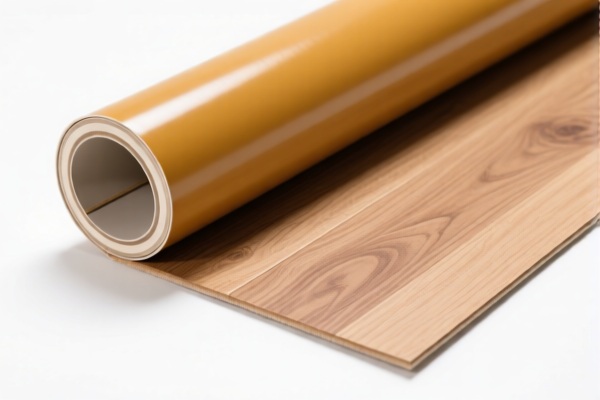
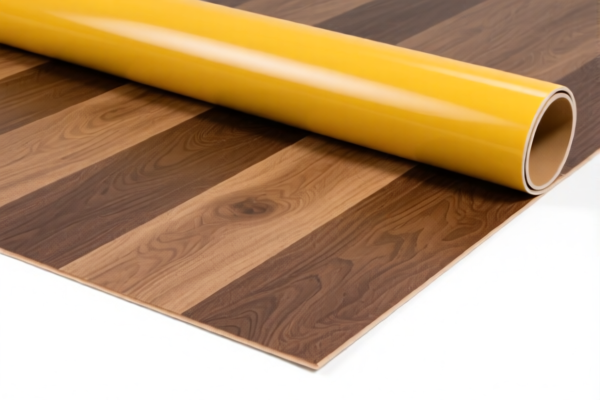

AI Analysis
🥂 Coasters (Drink Mat / Table Mat)
🌐 HS Code Reference & Customs Clearance Guide | 2026 Latest Tariff Analysis | Professional Clearance Strategy
📌 I. Product Definition & Classification: Do You Really Know "Coasters"?
Coasters, often overlooked in global trade, are essential accessories for protecting furniture and enhancing dining aesthetics. In international trade, they are categorized strictly by material composition, which dictates their HS Code and, consequently, the tariff burden. They are generally classified under "Tableware" or "Household Articles."
Key Material Distinctions: * Plastic Coasters: Rigid or flexible sheets, often with silicone or foam backing. * Ceramic/Non-metallic Coasters: Fired clay, porcelain, or stone-based mats. * Wooden/Bamboo Coasters: Natural materials, potentially treated with varnish or lacquer.
⚠️ Critical Classification Point:
- Plastic: Falls under Chapter 39 (Articles of Plastics). Specific code depends on whether they are for "Tableware" (3924.10) or "Other" (3924.90). - Ceramic: Falls under Chapter 69 (Ceramic Products). Code 6912.00 is specific to tableware/kitchenware. - Wood/Bamboo: Falls under Chapter 44 (Wood and Articles of Wood). Code 4420.11 covers "Tableware and Kitchenware."
📦 II. HS Code Classification Details (2026 Latest Tariff Authoritative Comparison)
Based on the provided data, here is the breakdown of Coasters by material:
| HS Code | Product Description | Material Category | Key Feature |
|---|---|---|---|
3924.10.40.00 |
Plastic tableware, specifically Plastic Furniture Coasters | Plastic | Classified as "Tableware/Household Articles"; Standard plastic cup mats. |
3924.90.10.50 |
Other Plastic Coasters (Table Mats) | Plastic | Classified as "Other" plastics; Fits the "Table Mats" category broadly. |
6912.00.48.10 |
Ceramic/Non-metallic Coasters for supporting cups | Ceramic | Fired clay/porcelain; Used specifically for beverage service. |
4420.11.00.10 |
Wooden/Bamboo Coasters (Tableware/Kitchenware) | Wood/Bamboo | Natural wood/bamboo; Classified under specific tableware subheading. |
4420.11.00.90 |
Other Wooden/Bamboo Coasters (Catch-all Rule) | Wood/Bamboo | Wooden/Bamboo items not specified elsewhere; Fills the "Other" gap. |
🔍 Important Reminder:
- Plastic vs. Other: If the coaster is primarily plastic, it must go to Chapter 39. Do not misclassify plastic coasters as "Other" if a specific tableware code (3924.10) exists. - Wood Specificity: For wood, if it fits the definition of tableware/kitchenware, use4420.11.00.10. If it's a decorative wood mat not strictly for table use,4420.11.00.90applies. - Ceramic Precision: Ceramic coasters are strictly "Tableware." Ensure they are not classified as decorative tiles (which might have different rates).
💰 III. 2026 Latest Tariff Rate Breakdown (Including Surcharges & Policy Add-ons)
✅ Applicable Country: United States (US)
✅ Country of Origin: China (CN)
✅ Effective Date: Current rates apply (including Section 301 and 122 tariffs)
🎯 1. 3924.10.40.00 —— Plastic Furniture Coasters (Tableware)
| Item | Content |
|---|---|
| Base Tariff | 3.4% (ad valorem) |
| Surtariff | 0.0% |
| Section 122 Tariff | +10.0% |
| Total Tax Rate | 13.4% |
| Tax Calculation | CIF Value × 13.4% |
| De Minimis Exemption | ❌ Not Eligible (Section 321 de minimis usually does not apply to goods subject to Section 301/122 surcharges in the same way, or is restricted for these categories. Note: Data explicitly states total tax includes the 10%, implying full duty liability.) |
| Legal Basis | Base rate 3.4% + Section 122 (10%) = 13.4% |
📌 Explanation:
- Section 122 Tariff (10%): This is a critical additional cost for Chinese-origin plastic goods. It is applied on top of the base rate. - Total Burden: At 13.4%, this is moderately high. Exporters must ensure the declared value accurately reflects the CIF price to avoid underpayment penalties.
🎯 2. 3924.90.10.50 —— Other Plastic Coasters (Table Mats)
| Item | Content |
|---|---|
| Base Tariff | 3.3% (ad valorem) |
| Surtariff | 0.0% |
| Section 122 Tariff | +10.0% |
| Total Tax Rate | 13.3% |
| Tax Calculation | CIF Value × 13.3% |
| De Minimis Exemption | ❌ Not Eligible |
| Legal Basis | Base rate 3.3% + Section 122 (10%) = 13.3% |
📌 Note:
- Slightly lower base rate (3.3% vs 3.4%) than tableware-specific plastic codes, but the Section 122 tariff remains 10%. - Total effective rate is 13.3%. Minimal difference from3924.10.40.00, but precise classification matters for compliance.
🎯 3. 6912.00.48.10 —— Ceramic/Non-metallic Coasters
| Item | Content |
|---|---|
| Base Tariff | 9.8% (ad valorem) |
| Surtariff | 0.0% |
| Section 122 Tariff | +10.0% |
| Total Tax Rate | 19.8% |
| Tax Calculation | CIF Value × 19.8% |
| De Minimis Exemption | ❌ Not Eligible |
| Legal Basis | Base rate 9.8% + Section 122 (10%) = 19.8% |
📌 Warning:
- Ceramic coasters face the highest base tariff (9.8%) among the listed materials. - Combined with the 10% Section 122 tariff, the total 19.8% is significantly higher than plastic or wood options. - Strategy Consideration: If price-sensitive, ceramic may be less competitive than plastic/wood for the US market due to this high duty burden.
🎯 4. 4420.11.00.10 —— Wooden/Bamboo Coasters (Tableware)
| Item | Content |
|---|---|
| Base Tariff | 3.2% (ad valorem) |
| Surtariff | 0.0% |
| Section 122 Tariff | +10.0% |
| Total Tax Rate | 13.2% |
| Tax Calculation | CIF Value × 13.2% |
| De Minimis Exemption | ❌ Not Eligible |
| Legal Basis | Base rate 3.2% + Section 122 (10%) = 13.2% |
📌 Advantage:
- Wood/Bamboo has the lowest base tariff (3.2%) among all materials listed. - With the 10% Section 122 tariff, the total is 13.2%, the lowest total rate for Chinese-origin coasters. - Eco-friendly Appeal: High demand for sustainable materials, combined with the lowest tariff, makes this a competitive category.
🎯 5. 4420.11.00.90 —— Other Wooden/Bamboo Coasters (Catch-all)
| Item | Content |
|---|---|
| Base Tariff | 3.2% (ad valorem) |
| Surtariff | 0.0% |
| Section 122 Tariff | +10.0% |
| Total Tax Rate | 13.2% |
| Tax Calculation | CIF Value × 13.2% |
| De Minimis Exemption | ❌ Not Eligible |
| Legal Basis | Base rate 3.2% + Section 122 (10%) = 13.2% |
📌 Note:
- Identical tax treatment to4420.11.00.10. The distinction is purely classificatory (specific vs. other). Ensure the description matches the "Other" category if using this code.
🛠️ IV. Customs Clearance Practical Advice (Combat Pitfall Guide)
✅ 1. Document Checklist (Missing items will cause delays)
| Document | Required | Description |
|---|---|---|
| ✅ Product Specification Sheet | ✔️ | Must clearly state material composition (e.g., "100% Polypropylene," "Natural Bamboo," "Porcelain"). Vague descriptions lead to misclassification. |
| ✅ Material Breakdown | ✔️ | For composite items (e.g., wood base with silicone top), specify the primary material. If >50% by weight, it dictates classification. |
| ✅ Product Photos | ✔️ | Clear images showing texture, thickness, and any branding/packaging. |
| ✅ Commercial Invoice | ✔️ | Must match the HS Code description. E.g., for 3924.10.40.00, use "Plastic Coasters for Tableware." |
| ✅ Packing List | ✔️ | Item count, net/gross weight. Essential for duty calculation. |
| ✅ Origin Certificate | ❌ | Not strictly required for US duties unless claiming preferential rates (which do not apply here due to Section 122). |
✅ 2. Declaration Tips (Key Mnemonics)
🔥 "Material is King, Description is Queen!"
| Scenario | Correct Declaration | Wrong Practice |
|---|---|---|
| Plastic Coasters | "Plastic Table Coasters, PP Material, Household Use" | "Decorative Mats" (Vague → Risk of reclassification) |
| Ceramic Coasters | "Ceramic Drink Coasters, Porcelain, Tableware" | "Pottery Items" (Ambiguous → May fall under general ceramics with higher scrutiny) |
| Wooden Coasters | "Bamboo Wooden Coasters, Natural Finish, Tableware" | "Wooden Decor" (Misleading → May trigger anti-dumping checks if misdeclared) |
| Composite Items | Clearly state % of each material. E.g., "60% Wood, 40% Silicone" | "Multi-material Coasters" (Risk: Customs may pick the higher-tariff component) |
✅ 3. Special Circumstances
| Scenario | Handling Advice |
|---|---|
| Set of Coasters with Trays | If sold as a set, the essential character determines the HS Code. If the tray is secondary, the coaster rate (13.2%-19.8%) may apply to the whole set. Consult a broker. |
| Silicone-backed Plastic Coasters | If the plastic is the primary feature, use Chapter 39. If silicone is dominant, it may fall under Chapter 40 (Rubber), which has different tariffs. Check material weight ratio. |
| Gift Sets | Coasters packaged with wine glasses or bottles. The set is usually classified by the item that gives it the essential character. Often, the main vessel dictates the code, but sometimes accessories are valued separately. |
| Section 122 Exemptions? | Currently, no general exemption for Chinese-origin plastic/wood/ceramic coasters under Section 122. Plan for the full 10% surcharge. |
🌍 V. Global Main Market Clearance Comparison (2026 Latest)
| Country/Region | Recommended HS Code (Example) | Tariff (China Origin) | Certification Requirements | Notes |
|---|---|---|---|---|
| 🇺🇸 USA | 3924.10.40.00 / 4420.11.00.10 |
13.2% - 19.8% | FDA (if food-contact), Prop 65 (CA) | High Section 122 Tariff is the key cost driver. |
| 🇨🇳 China | 3924.10.40.00 / 4420.11.00.10 |
0% - 3% (Import Tariff) | CCC (if applicable) | Domestic production benefits; imports are low-cost. |
| 🇪🇺 EU | 3924.10.10 / 4420.11 |
0% - 4.5% | LFGB (Food Contact), REACH | Lower base tariffs than US. No Section 122 equivalent. |
| 🇬🇧 UK | 3924.10.10 / 4420.11 |
0% - 4% | UKCA Marking | Post-Brexit rules apply. Generally competitive. |
| 🇦🇺 Australia | 3924.10.10 / 4420.11 |
5% | Australian Standards (AS/NZS) | Moderate tariffs. No major surcharges. |
📌 Conclusion:
- The US market is the most expensive for importing coasters from China due to the Section 122 Tariff (+10%). - Europe and UK offer significantly lower duty burdens (0-5%), making them more attractive if supply chain allows diversification. - Wood/Bamboo is the most cost-effective material for the US market among the options (13.2%).
📌 VI. Common Errors & Pitfall Guide (Blood & Tears Lessons)
❌ Error 1: Misclassifying Plastic Coasters as "Other Plastic Articles" (3926.90) to avoid Section 122.
👉 Consequence: Customs audit will reclassify to 3924, applying the 10% Section 122 tariff + penalties. Back taxes + fines!
❌ Error 2: Declaring Ceramic Coasters as "Decorative Tiles."
👉 Consequence: Tiles may have different codes and higher scrutiny for construction materials. If deemed tableware, duty applies. Misdeclaration leads to seizure.
❌ Error 3: Ignoring Material Composition for Composite Goods.
👉 Consequence: If a coaster is 60% Wood and 40% Silicone, declaring it as "Plastic" is illegal. Customs will seize or penalize. Accurate material breakdown is mandatory.
❌ Error 4: Not Accounting for Section 122 in Pricing.
👉 Consequence: Profit margins eroded by the unexpected 10% additional duty. Quote prices FOB/CIF correctly to include duties.
✅ Correct Approach:
"Plastic Coasters, PP Material, Food-Grade, For Household Use, Made in China"
"Bamboo Wooden Coasters, Natural Finish, Tableware, Made in China"
🎯 VII. Conclusion: Professional Declaration Saves Money!
🎯 Remember the Mnemonic:
🔹 "Material Defines Code, Section 122 Adds 10%, Wood is Cheapest, Ceramic is Expensive!"
🔹 "HS Code is King, Tariff Difference is 6.6% (19.8% - 13.2%), Don't Lose Profit on Misclassification!"
📌 Pro Tip:
- If you are exporting wood/bamboo coasters to the US, you have the lowest duty rate (13.2%). Leverage this in your pricing strategy.
- For plastic coasters, consider sourcing from non-China origins (e.g., Vietnam, Thailand) to potentially avoid Section 301/122 tariffs if eligible, though Section 122 may still apply depending on specific rules of origin.
- Always apply for an Advance Ruling from US Customs and Border Protection (CBP) if your product is complex or composite, to get a binding classification before shipment.
📣 Immediate Action:
📞 Contact a Professional Customs Broker + Provide Material Specs + Apply for HS Code Advance Ruling
🚀 Ensure Smooth Clearance, Maximize Profit, Minimize Risk!
✨ Professional Clearance Starts with Accurate Classification!
💼 Every Cent of Duty is Worth Calculating Precisely!
Customer Reviews
About HS Code Classification
The Harmonized System (HS) is an internationally standardized nomenclature developed by the World Customs Organization (WCO) to classify traded products. Over 200 countries use the HS system as the basis for customs tariffs, trade statistics, and import/export regulations.
Each HS code follows a hierarchical structure:
- Chapter (2 digits) — Broad category of goods (e.g., Chapter 84: Machinery and Mechanical Appliances)
- Heading (4 digits) — More specific grouping within the chapter
- Subheading (6 digits) — Internationally standardized breakdown, used by all WCO member countries
- National subdivisions (8-10 digits) — Country-specific extensions for further classification, such as US HTSUS 10-digit codes
Correct HS code classification is essential for smooth customs clearance, accurate duty payment, and compliance with trade regulations. Misclassification can lead to customs delays, overpayment of duties, or penalties.
When importing from CN to US, the applicable tariff rates may include:
- Most-Favored-Nation (MFN) rate — The standard duty rate applied to WTO members
- General rate — Applied to countries without trade agreements
- Trade remedy duties — Additional tariffs such as Section 301 (anti-dumping), Section 232 (national security), or countervailing duties
The information provided on this page is for reference purposes only. For official classification, please consult with your local customs authority or a licensed customs broker.