Coated Fishing Line
CN → US| HS Code | Tariff Rate | Origin | Destination | Doc |
|---|---|---|---|---|
| 9507902000 | 21.2% | CN | US | Official Doc |
| 9507908000 | 19.0% | CN | US | Official Doc |
| 3901105020 | 41.5% | CN | US | Official Doc |
| 5607493000 | 38.6% | CN | US | Official Doc |
| 5607491500 | 42.0% | CN | US | Official Doc |
Product Images
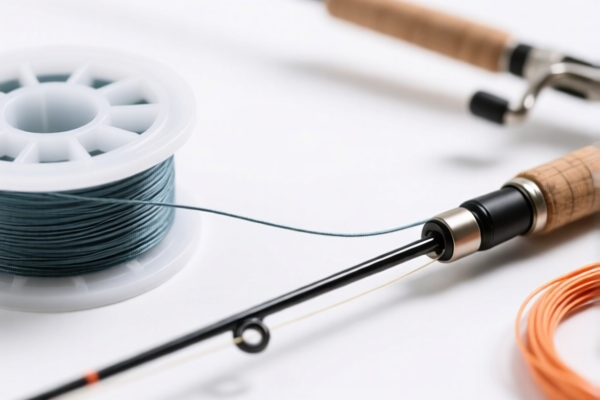
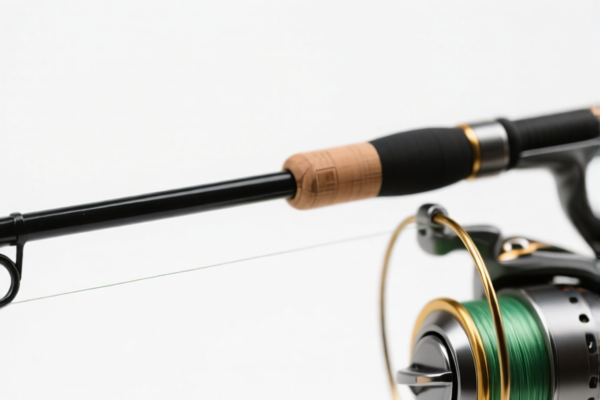
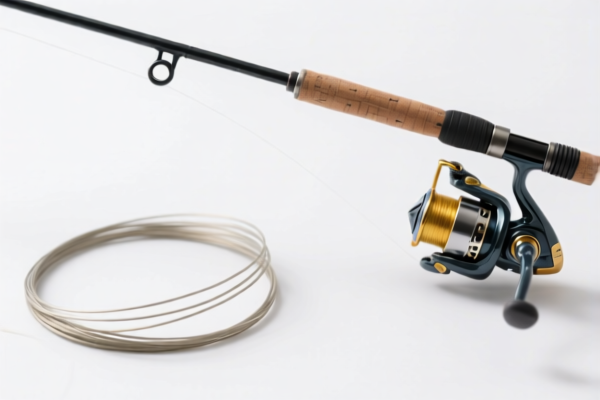

AI Analysis
🎣 Coated Fishing Line (Fishing Gear & Polymer Products)
🌐 HS Code Reference & Customs Clearance Guide | 2026 Latest Tariff Analysis | Professional Clearance Strategy
📌 I. Product Definition & Classification: Do You Really Understand "Coated Fishing Line"?
Coated fishing line is a critical component in the angling industry, designed to enhance visibility, durability, and sensitivity. In international trade, its classification depends heavily on whether it is viewed as a finished sporting good or a raw polymer material. The material is typically inferred as fiber/plastic (e.g., Nylon, Polyethylene, Polypropylene).
⚠️ Key Distinction Point:
- If classified as a finished sporting article (ready for use as a fishing tool) → Classified under Chapter 95 (Toys and Sporting Goods).
- If classified as a polymer/polymer product (raw material or semi-finished cordage) → Classified under Chapter 39 (Plastics) or Chapter 56 (Wadding, Felt and Nonwovens; Special Yarns; Twine, Cordage, Rope and Articles Thereof).
📦 II. HS Code Classification Details (2026 Latest Tariff Authority Comparison)
| HS Code | Product Description | Application Scenario | Classification Logic |
|---|---|---|---|
9507.90.20.00 |
Other Fishing Tackle (Finished Cordage Form) | Finished coated fishing line, ready for angling use. | ✅ Sporting Good: Fits the "finished line" morphology. No material conflict. |
9507.90.80.00 |
Other Fishing Tackle (Fallback Category) | Coated fishing line, categorized as general fishing gear. | ✅ Sporting Good: Material inferred as fiber/plastic; fits the "other"兜底 (catch-all) rule for fishing gear. |
3901.10.50.20 |
Primary Forms of Polyethylene | Coated fishing line inferred as polymer (e.g., PE/Nylon) in semi-finished form. | ❌ Raw Material: Classifies as a polymer product rather than a finished tool. High tariff risk. |
5607.49.30.00 |
Twine, Cordage, Rope of Polyethylene (Non-Braided) | Fishing line treated as "rope/cordage" made of plastic. | ⚠️ Cordage: Shape fits twine/rope category; material is PE/PP. No classification conflict, but higher tax. |
5607.49.15.00 |
Other Twine, Cordage, Rope of Synthetic Fibers | Fishing line as "thin rope" made of synthetic fibers (PE/PP). | ⚠️ Cordage: Fits non-braided/non-twisted rope characteristics. Highest total tax burden. |
🔍 Key Reminder:
- Finished fishing line (with coatings for angling) is best classified under 9507 to minimize tax liability.
- Classifying it under 3901 or 5607 treats it as a raw material or industrial rope, triggering significantly higher tariffs.
- Do not split the coating and the line; the coated product is a single functional article.
💰 III. 2026 Latest Tariff Rate Breakdown (Including Surcharges & Policy Add-ons)
✅ Applicable Country: United States (US)
✅ Origin: China (CN)
✅ Effective Date: Ongoing (Includes Section 301 & Section 122 measures)
🎯 1. 9507.90.20.00 — Other Fishing Tackle (Finished Form)
| Item | Content |
|---|---|
| Base Tariff | 3.7% (Ad Valorem) |
| Section 301 Surcharge | 7.5% (Additional Duty) |
| Section 122 Duty | 10% (Specific Duty on Certain Articles) |
| Total Tax Rate | 21.2% |
| Tax Calculation | CIF Value × 21.2% |
| De Minimis Eligibility | ❌ No (Subject to high tariffs) |
| Legal Basis Path | HTS:9507.90.20.00 → Section 301: 7.5% → Section 122: 10% |
📌 Explanation:
- This is the most favorable classification for coated fishing lines.
- The 7.5% is the Section 301 surcharge on many sporting goods.
- The 10% is the Section 122 duty, which applies to certain imported articles.
- Total 21.2% is significantly lower than polymer classifications.
🎯 2. 9507.90.80.00 — Other Fishing Tackle (Fallback Category)
| Item | Content |
|---|---|
| Base Tariff | 9.0% |
| Section 301 Surcharge | 0.0% |
| Section 122 Duty | 10% |
| Total Tax Rate | 19.0% |
| Tax Calculation | CIF Value × 19.0% |
| De Minimis Eligibility | ❌ No |
| Legal Basis Path | HTS:9507.90.80.00 → Section 301: 0% → Section 122: 10% |
📌 Note:
- Interestingly, this fallback category has a higher base rate (9.0%) but no Section 301 surcharge.
- The 10% Section 122 still applies.
- Total 19.0% is actually lower than9507.90.20.00(21.2%). Note: Verify with customs broker if9507.90.20.00is strictly applicable; if not, this is the best sporting good option.
🎯 3. 3901.10.50.20 — Primary Forms of Polyethylene
| Item | Content |
|---|---|
| Base Tariff | 6.5% |
| Section 301 Surcharge | 25.0% |
| Section 122 Duty | 10% |
| Total Tax Rate | 41.5% |
| Tax Calculation | CIF Value × 41.5% |
| De Minimis Eligibility | ❌ No |
| Legal Basis Path | HTS:3901.10.50.20 → Section 301: 25% → Section 122: 10% |
📌 Explanation:
- Classifying coated fishing line as "polymer" triggers the highest Section 301 rate (25%).
- This is not recommended unless the product is uncoated raw filament.
- Total 41.5% makes this a very costly classification.
🎯 4. 5607.49.30.00 — Twine/Cordage of Polyethylene
| Item | Content |
|---|---|
| Base Tariff | 3.6% |
| Section 301 Surcharge | 25.0% |
| Section 122 Duty | 10% |
| Total Tax Rate | 38.6% |
| Tax Calculation | CIF Value × 38.6% |
| De Minimis Eligibility | ❌ No |
| Legal Basis Path | HTS:5607.49.30.00 → Section 301: 25% → Section 122: 10% |
📌 Note:
- Similar to the polymer classification, this incurs the 25% Section 301 surcharge.
- Total 38.6% is still significantly higher than the sporting goods categories (19-21%).
🎯 5. 5607.49.15.00 — Other Twine/Cordage of Synthetic Fibers
| Item | Content |
|---|---|
| Base Tariff | 7.0% |
| Section 301 Surcharge | 25.0% |
| Section 122 Duty | 10% |
| Total Tax Rate | 42.0% |
| Tax Calculation | CIF Value × 42.0% |
| De Minimis Eligibility | ❌ No |
| Legal Basis Path | HTS:5607.49.15.00 → Section 301: 25% → Section 122: 10% |
📌 Warning:
- This is the highest tax burden at 42.0%.
- Only use if the product is clearly non-fishing specific synthetic rope and fails sporting goods classification.
🛠️ IV. Customs Clearance Practical Advice (Combat Pitfalls Guide)
✅ 1. Preparation Checklist (All Required)
| Document | Mandatory | Description |
|---|---|---|
| ✅ Product Specification Sheet | ✔️ | Must include: Material (Nylon/PE), Coating Type, Diameter, Length, Load Strength. |
| ✅ Product Photos | ✔️ | Clear images of the spool, label, and coating texture. Show it is a fishing line, not industrial rope. |
| ✅ Commercial Invoice | ✔️ | Clearly state "Coated Fishing Line for Sporting/Angling Use." Avoid vague terms like "Polymer Cord." |
| ✅ Packing List | ✔️ | Detail quantity (spools/rolls) and weight. Ensure consistency with Invoice. |
| ✅ Origin Certificate | ✔️ | If applicable, to prove origin for Section 301 exemptions (if any apply to specific origins). |
| ✅ Third-Party Test Report | ✔️ | ASTM/ISO standards for tensile strength and elasticity. |
✅ 2. Declaration Tips (Key Mantra)
🔥 "Finish the Sport, Not the Polymer! Name It Right, Save Big!"
| Scenario | Correct Declaration | Error to Avoid |
|---|---|---|
| Finished Coated Line | 9507.90.20.00 or 9507.90.80.00 |
Misdeclare as "Polymer" → 41.5%+ |
| Raw Filament (Uncoated) | 3901.10.50.20 |
Misdeclare as "Fishing Tackle" → Risk of penalty |
| Industrial Rope (Non-Fishing) | 5607.49.30.00 |
Misdeclare as "Fishing Tackle" → Misclassification |
| Fishing Line + Reel Set | Full Set Declaration | Split declaration → Higher total tax |
✅ 3. Special Circumstances Handling
| Situation | Handling Advice |
|---|---|
| OEM Custom Lines | Provide customer specs to prove "sporting use." |
| Mixed Shipments (Line + Reels) | Declare separately if possible, or as a set if functionally integrated. |
| Section 122 Exemption Check | Verify if the specific type of coated line qualifies for any Section 122 exclusions (rare, but check). |
| Section 301 Exclusion | Check if your specific HS code has any active Section 301 exclusions (currently limited for fishing gear). |
🌍 V. Global Market Comparison (2026 Latest)
| Country/Region | Recommended HS Code | Tariff (China Origin) | Certification | Notes |
|---|---|---|---|---|
| 🇺🇸 USA | 9507.90.20.00 |
21.2% (Best Option) | None Specific | High Section 301/122. Avoid 5607/3901. |
| 🇨🇳 China | 9507.90.90.00 |
~5-10% | None | Lower import duties. |
| 🇪🇺 EU | 9507.90.80 |
2.7% (MFN) | CE (if applicable) | No Section 301. Low base rate. |
| 🇬🇧 UK | 9507.90.00 |
2.7% (MFN) | UKCA | Post-Brexit, MFN rates apply. |
| 🇯🇵 Japan | 9507.90.90 |
3.5% | JIS | Low tariff. |
📌 Conclusion:
- USA is the most challenging market due to Section 301 and Section 122 duties.
- Strictly avoid classifying finished fishing lines under3901or5607in the US to save 20%+ in tariffs.
- Europe/Asia are much more favorable, with low base tariffs and no US-style surcharges.
📌 VI. Common Mistakes & Pitfall Guide (Lessons Learned)
❌ Mistake 1: Classifying finished coated fishing line as "Polyethylene Filament" (3901)
👉 Consequence: Tax jumps from 19-21% to 41.5% → Loss of Profit!
❌ Mistake 2: Classifying as "Industrial Rope" (5607)
👉 Consequence: Tax jumps to 38-42% → Uncompetitive Price!
❌ Mistake 3: Vague Description ("Plastic Line")
👉 Consequence: Customs may reclassify to highest duty category → Delays + Penalties!
❌ Mistake 4: Ignoring Section 122
👉 Consequence: Missing the 10% add-on in calculations → Cash Flow Shock!
✅ Correct Practice:
"Coated Nylon Fishing Line, 10LB Test Strength, Angling Sport Use, Model XYZ, Spool 100m"
🎯 VII. Conclusion: Professional Declaration, Time-Saving, Cost-Efficient!
🎯 Remember the Mantra:
🔹 "Sporting Use, Chapter 95; Polymer Use, Chapter 39/56."
🔹 "21% is Better than 41%; Don't Let 'Plastic' Cost You 20%."
🔹 "HS Code Determines Fate; 2% Difference, Thousands in Savings."
📌 Tips:
- If your fishing line is originated from Vietnam, Mexico, or Thailand, check for IEEPA exemptions or lower Section 301 rates.
- Apply for Advance Rulings if you are unsure between 9507.90.20.00 and 9507.90.80.00.
📣 Act Now:
📞 Contact Professional Customs Brokers + Provide Product Photos + Apply for HS Code Pre-Ruling
🚀 Let your fishing line, Clear Customs Smoothly, Export Efficiently, Double Your Profits!
✨ Professional Clearance Starts with Accurate Classification!
💼 Every Penny of Your Cost Deserves to Be Precisely Calculated!
Customer Reviews
About HS Code Classification
The Harmonized System (HS) is an internationally standardized nomenclature developed by the World Customs Organization (WCO) to classify traded products. Over 200 countries use the HS system as the basis for customs tariffs, trade statistics, and import/export regulations.
Each HS code follows a hierarchical structure:
- Chapter (2 digits) — Broad category of goods (e.g., Chapter 84: Machinery and Mechanical Appliances)
- Heading (4 digits) — More specific grouping within the chapter
- Subheading (6 digits) — Internationally standardized breakdown, used by all WCO member countries
- National subdivisions (8-10 digits) — Country-specific extensions for further classification, such as US HTSUS 10-digit codes
Correct HS code classification is essential for smooth customs clearance, accurate duty payment, and compliance with trade regulations. Misclassification can lead to customs delays, overpayment of duties, or penalties.
When importing from CN to US, the applicable tariff rates may include:
- Most-Favored-Nation (MFN) rate — The standard duty rate applied to WTO members
- General rate — Applied to countries without trade agreements
- Trade remedy duties — Additional tariffs such as Section 301 (anti-dumping), Section 232 (national security), or countervailing duties
The information provided on this page is for reference purposes only. For official classification, please consult with your local customs authority or a licensed customs broker.