Coated Gardening Gloves
CN → US| HS Code | Tariff Rate | Origin | Destination | Doc |
|---|---|---|---|---|
| 6116104400 | 27.4% | CN | US | Official Doc |
| 3926204050 | 16.5% | CN | US | Official Doc |
| 3926201020 | 10.0% | CN | US | Official Doc |
| 6116101300 | 30.0% | CN | US | Official Doc |
| 6116109500 | 24.5% | CN | US | Official Doc |
Product Images
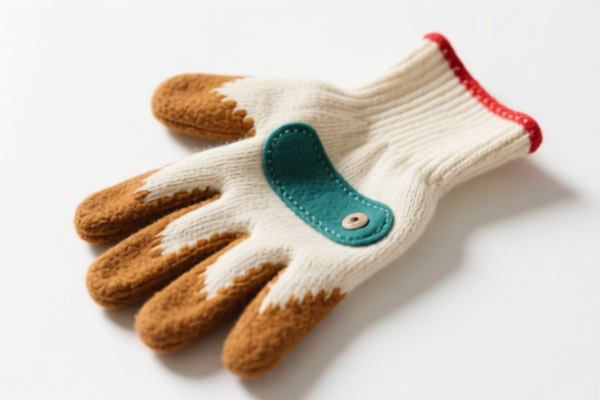
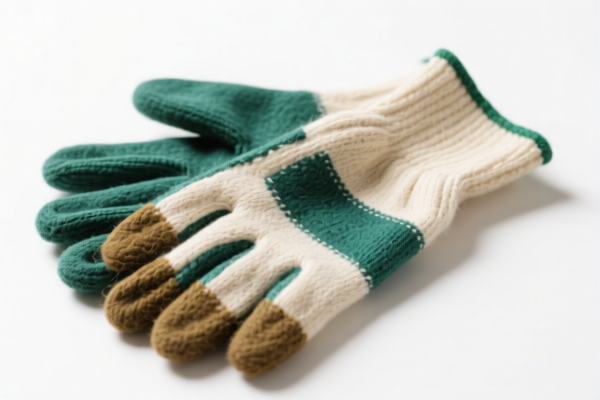
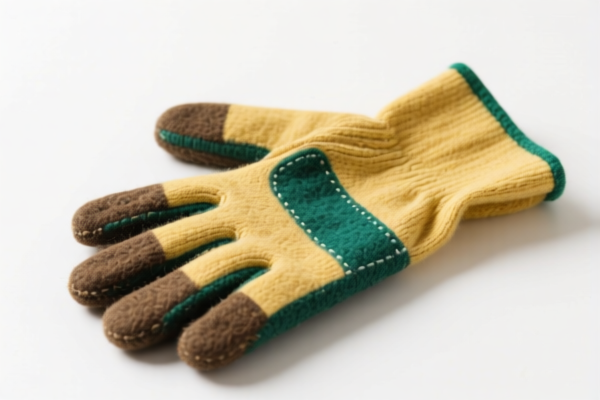

AI Analysis
🧤 Coated Gardening Gloves: HS Code Breakdown & US Customs Clearance Strategy (2026)
🌐 HS Code Reference & Clearance Guide | 2026 Latest Tariff Analysis | Professional Import Strategy
📌 I. Product Definition & Classification: Do You Really Understand "Gardening Gloves"?
Coated gardening gloves are protective gear designed for horticulture, landscaping, and household gardening. They typically consist of a fabric base (knitted, woven, or non-woven) coated with plastic (PVC, PE, etc.) or rubber (latex, nitrile, neoprene) to provide water resistance, grip, and cut/abrasion protection.
In international trade, these gloves are not classified as a single item. Their classification depends strictly on: 1. Base Material: Is the inner glove knitted (Chapter 61) or woven/other textile (Chapter 60)? Note: Most data suggests Chapter 61 for knitted bases. 2. Coating Material: Is it plastic (Chapter 39) or rubber (Chapter 40/61)? 3. Form & Function: Are they "gloves" specifically for hand protection, or do they serve a different purpose?
⚠️ Key Distinction:
- If the glove is knitted and coated with plastic/rubber → Chapter 61.
- If the glove is made of plastic/rubber (e.g., fully dipped, no textile base structure prominent) → Chapter 39 or 40.
- Crucial for US Customs: The distinction between6116(Knitted/Crocheted) and3926(Other Plastic Articles) significantly impacts the Additional Tariff (Section 301) applicability.
📦 II. HS Code Classification Details (2026 Latest Tariff Authority)
Based on the provided data, here are the specific HS Codes for "Plastic-Coated Gloves" with their tax breakdowns.
| HS Code | Product Description | Base Material | Coating Material | Total Tax Rate* |
|---|---|---|---|---|
6116.10.44.00 |
Plastic-coated gloves, material: plastic/rubber impregnated, coated, covered, or laminated. | Textile (Knitted) | Plastic/Rubber | 27.4% |
3926.20.40.50 |
Plastic-coated gloves, material: plastic, form/usage fits "apparel accessory" category. | Plastic (Other) | Plastic | 16.5% |
3926.20.10.20 |
Plastic-coated gloves, material: plastic, usage: gloves, belongs to plastic products category. | Plastic (Other) | Plastic | 10.0% |
6116.10.13.00 |
Plastic-coated gloves, material matches features of plastic impregnation/coating/lamination. | Textile (Knitted) | Plastic | 30.0% |
6116.10.95.00 |
Plastic-coated gloves, material/form fits classification requirements, other category. | Textile (Knitted) | Plastic | 24.5% |
🔍 Key Takeaway:
- Lowest Tax:3926.20.10.20at 10.0% (Plastic-based, specific sub-category).
- Highest Tax:6116.10.13.00at 30.0% (Knitted base, specific sub-category).
- Why the difference?3926codes often have lower Base Tariffs (0%-6.5%) compared to6116(7%-12.5%), but both incur the 10% Section 301 (122 Clause) Additional Tariff. The variation comes from the Base Tariff and Section 301 "Additional" Tariff (7.5% in some cases).
💰 III. 2026 Latest Tariff Rate Breakdown (Including Additional Taxes)
✅ Applicable Country: United States (US)
✅ Origin: China (CN)
✅ Effective Time: 2025/2026 (Current Trade War Context)
🎯 1. 6116.10.44.00 – Knitted Gloves, Plastic Coated
| Item | Content |
|---|---|
| Base Tariff | 9.9% |
| Additional Tariff (Section 301) | 7.5% |
| 122-Clause Tariff | 10.0% |
| Total Tax Rate | 27.4% |
| Tax Calculation | CIF Value × 27.4% |
| De Minimis Exemption | ❌ Not Eligible (Denied) |
| Legal Path | HTSUS:6116.10.44.00 → Section 301 → 122 Clause |
📌 Explanation:
- This is a knitted textile glove coated with plastic/rubber.
- It attracts the highest base tariff among the6116group in this dataset.
- Total 27.4% is significant. Importers must budget for this cost.
🎯 2. 3926.20.40.50 – Other Plastic Articles (Gloves as Apparel Accessory)
| Item | Content |
|---|---|
| Base Tariff | 6.5% |
| Additional Tariff (Section 301) | 0.0% |
| 122-Clause Tariff | 10.0% |
| Total Tax Rate | 16.5% |
| Tax Calculation | CIF Value × 16.5% |
| De Minimis Exemption | ❌ Not Eligible |
| Legal Path | HTSUS:3926.20.40.50 → 122 Clause |
📌 Explanation:
- This code treats the glove as an "Other Plastic Article" rather than a textile garment.
- Key Advantage: No Section 301 Additional Tariff (7.5%).
- Total 16.5% is much more favorable than6116codes.
- Condition: Must prove the glove is primarily a plastic article, not a textile good.
🎯 3. 3926.20.10.20 – Plastic Gloves (Plastic Product Category)
| Item | Content |
|---|---|
| Base Tariff | 0.0% |
| Additional Tariff (Section 301) | 0.0% |
| 122-Clause Tariff | 10.0% |
| Total Tax Rate | 10.0% |
| Tax Calculation | CIF Value × 10.0% |
| De Minimis Exemption | ❌ Not Eligible |
| Legal Path | HTSUS:3926.20.10.20 → 122 Clause |
📌 Explanation:
- Lowest Tax Rate in Dataset.
- Base tariff is 0%, and no Section 301 additional tariff.
- Condition: The glove must be classified strictly as a "plastic product" under this specific sub-heading. This is often used for fully molded plastic gloves or those where the plastic coating is dominant.
🎯 4. 6116.10.13.00 – Knitted Gloves, Plastic Coated (High Tax Category)
| Item | Content |
|---|---|
| Base Tariff | 12.5% |
| Additional Tariff (Section 301) | 7.5% |
| 122-Clause Tariff | 10.0% |
| Total Tax Rate | 30.0% |
| Tax Calculation | CIF Value × 30.0% |
| De Minimis Exemption | ❌ Not Eligible |
| Legal Path | HTSUS:6116.10.13.00 → Section 301 → 122 Clause |
📌 Explanation:
- Highest Tax Rate.
- High base tariff (12.5%) + Section 301 (7.5%) + 122 Clause (10%).
- Avoid if possible unless the product physically cannot be classified under other codes.
🎯 5. 6116.10.95.00 – Other Knitted Gloves, Plastic Coated
| Item | Content |
|---|---|
| Base Tariff | 7.0% |
| Additional Tariff (Section 301) | 7.5% |
| 122-Clause Tariff | 10.0% |
| Total Tax Rate | 24.5% |
| Tax Calculation | CIF Value × 24.5% |
| De Minimis Exemption | ❌ Not Eligible |
| Legal Path | HTSUS:6116.10.95.00 → Section 301 → 122 Clause |
📌 Explanation:
- "Other" category for knitted gloves.
- Moderate tax rate.
- Still suffers from Section 301 Additional Tariff.
🛠️ IV. Customs Clearance Practical Advice (Pitfall Avoidance Guide)
✅ 1. Documentation Checklist (Mandatory)
| Document | Required? | Purpose |
|---|---|---|
| ✅ Product Spec Sheet | ✔️ | Details base material (knitted fabric vs. pure plastic), coating type (PVC, Latex, Nitrile), and thickness. |
| ✅ Material Composition | ✔️ | Crucial for distinguishing between Chapter 61 (Textile) and Chapter 39 (Plastic). |
| ✅ Product Photos | ✔️ | Show coating coverage (full dip vs. partial dip), palm pattern, and cuff type. |
| ✅ Commercial Invoice | ✔️ | Must specify "Plastic Coated Gardening Gloves" with HS Code. |
| ✅ Packing List | ✔️ | Weight and quantity details. |
✅ 2. Declaration Tips (Key Mantra)
🔥 “Base Material Determines Chapter, Coating Determines Duty!”
| Scenario | Correct HS Code | Wrong HS Code | Consequence |
|---|---|---|---|
| Knitted Glove + Plastic Coating | 6116.10.xx.xx |
3926.20.xx.xx |
High Risk: Customs may reclassify, leading to 30% tax instead of 16.5%. |
| Plastic Glove (No Textile Base) | 3926.20.10.20 |
6116.10.xx.xx |
Risk: If misclassified as textile, you pay 27-30% instead of 10%. |
| Latex-Coated Knitted Glove | 6116.10.xx.xx |
4015.11.00.00 (Latex Gloves) |
Risk: 4015 may have different duties. Ensure coating is dominant. |
| Disposable Plastic Glove | 3926.20.10.20 |
6116.10.xx.xx |
Savings: 10% vs. 27.4%. |
📌 Note:
- If the glove is knitted (fabric base), it must go to Chapter 61.
- If the glove is made of plastic (e.g., dipped without a distinct knitted structure, or the plastic is the primary characteristic), it can go to Chapter 39.
- Strategy: For "gardening gloves," if the base is a thin knitted fabric heavily coated, Customs may still insist on6116. However, if the product is fully molded plastic or has a woven/non-knitted base,3926is a stronger case for lower taxes.
✅ 3. Special Circumstances
| Situation | Handling Advice |
|---|---|
| Mixed Materials (Textile + Plastic) | Provide detailed material breakdown. If plastic coating > 50% by weight, argue for 3926. |
| Custom/Patterned Palm | If the pattern is for grip (agricultural use), emphasize "Gardening/Horticultural" purpose to avoid "Specialized Industrial" scrutiny. |
| OEM/Private Label | Ensure invoices match the product description exactly. Avoid vague terms like "Work Gloves" without "Plastic Coated." |
| Pre-Clearance Ruling | Highly Recommended: Apply for an Import Ruling from CBP to confirm if your specific glove design qualifies for 3926.20.10.20 (10%) or 6116 (27%+). |
🌍 V. Global Market Clearance Comparison (2026)
| Country/Region | Recommended HS Code | Tariff Rate | Certification Requirements | Notes |
|---|---|---|---|---|
| 🇺🇸 USA | 3926.20.10.20 |
10% | None Specific | Lowest tax; requires strict plastic material proof. |
| 🇺🇸 USA | 6116.10.13.00 |
30% | None Specific | Highest tax; knitted gloves. |
| 🇪🇺 EU | 6116.10 |
~4-7% | CE Marking (if PPE) | Lower base tariffs, no Section 301. |
| 🇨🇳 China | 6116.10 |
~6-9% | CCC (if applicable) | Import duties for gardening gloves are moderate. |
| 🇬🇧 UK | 6116.10 |
~6-12% | UKCA Marking | Post-Brexit rules apply. |
📌 Conclusion:
- USA is the most challenging market due to Section 301 and 122 Clause tariffs.
- Optimization Strategy: If your glove design allows, classify under3926.20.10.20to achieve the 10% rate. This requires proving the product is primarily a plastic article, not a textile garment.
📌 VI. Common Mistakes & Pitfall Guide (Lessons Learned)
❌ Mistake 1: Classifying Knitted Gloves under 3926 without proof
👉 Result: CBP rejects classification, imposes 27.4% or 30%, plus penalties.
❌ Mistake 2: Using "Work Gloves" as description
👉 Result: Ambiguity leads to audit. Must specify "Plastic Coated" and material composition.
❌ Mistake 3: Ignoring 122 Clause
👉 Result: All these codes incur 10% additional tariff. If you miss this, you face shortage payments.
❌ Mistake 4: Assuming De Minimis applies
👉 Result: No, Section 301 and 122 Clause goods do not qualify for $800 de minimis exemption. Full duties apply.
✅ Correct Practice:
"Plastic-Coated Gardening Gloves, PVC Coated Knitted Cotton Base, Anti-Slip Palm, Model XYZ, For Horticultural Use"
🎯 VII. Conclusion: Precision Classification, Cost Savings!
🎯 Remember the Mantra:
🔹 "Plastic Base = 10% (3926), Knitted Base = 27-30% (6116)."
🔹 "122 Clause adds 10% to ALL, no exceptions."
🔹 "Document everything, classify correctly, save thousands!"
📌 Pro Tip:
If your glove is knitted, you are stuck with Chapter 61. However, if you can switch to a woven fabric base or a non-knitted textile, or if the product is fully molded plastic, you can move to Chapter 39 and save 17.4% in taxes.
📞 Action Item:
- Consult with a Customs Broker to review your product's physical structure.
- If possible, design gloves that qualify for3926.20.10.20to maximize profit margins.
✨ Professional Clearance Starts with Accurate Classification!
💼 Every Percent Saved is Pure Profit!
Customer Reviews
About HS Code Classification
The Harmonized System (HS) is an internationally standardized nomenclature developed by the World Customs Organization (WCO) to classify traded products. Over 200 countries use the HS system as the basis for customs tariffs, trade statistics, and import/export regulations.
Each HS code follows a hierarchical structure:
- Chapter (2 digits) — Broad category of goods (e.g., Chapter 84: Machinery and Mechanical Appliances)
- Heading (4 digits) — More specific grouping within the chapter
- Subheading (6 digits) — Internationally standardized breakdown, used by all WCO member countries
- National subdivisions (8-10 digits) — Country-specific extensions for further classification, such as US HTSUS 10-digit codes
Correct HS code classification is essential for smooth customs clearance, accurate duty payment, and compliance with trade regulations. Misclassification can lead to customs delays, overpayment of duties, or penalties.
When importing from CN to US, the applicable tariff rates may include:
- Most-Favored-Nation (MFN) rate — The standard duty rate applied to WTO members
- General rate — Applied to countries without trade agreements
- Trade remedy duties — Additional tariffs such as Section 301 (anti-dumping), Section 232 (national security), or countervailing duties
The information provided on this page is for reference purposes only. For official classification, please consult with your local customs authority or a licensed customs broker.