Coated Gloves
CN → US| HS Code | Tariff Rate | Origin | Destination | Doc |
|---|---|---|---|---|
| 6216001900 | 0.0% | CN | US | Official Doc |
| 6216001300 | 22.5% | CN | US | Official Doc |
| 6116105510 | 30.7% | CN | US | Official Doc |
| 6116107510 | 23.2% | CN | US | Official Doc |
| 4015191110 | 38.0% | CN | US | Official Doc |
| 4015195100 | 49.0% | CN | US | Official Doc |
Product Images
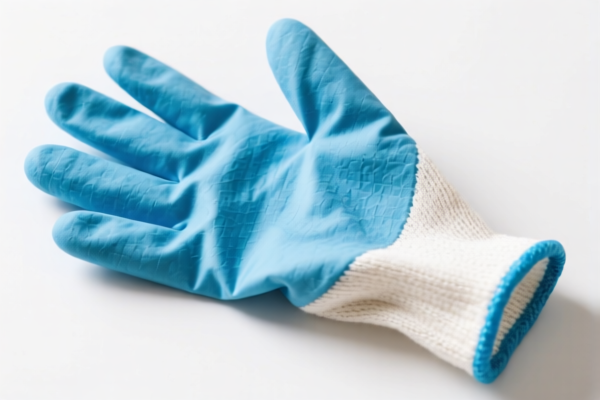
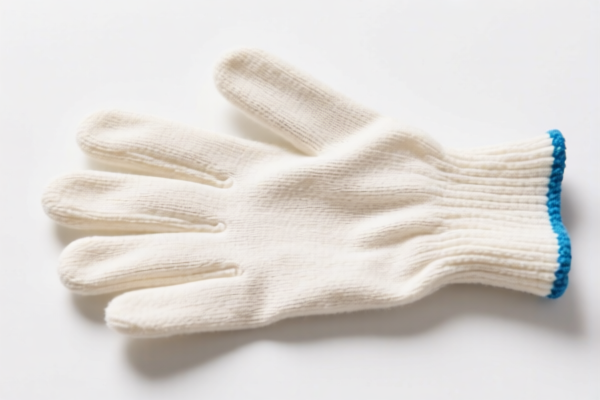
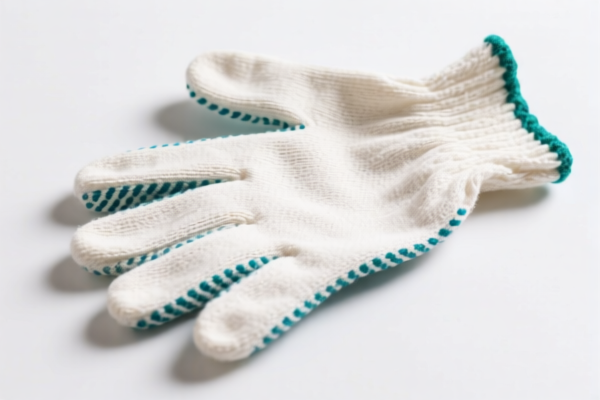
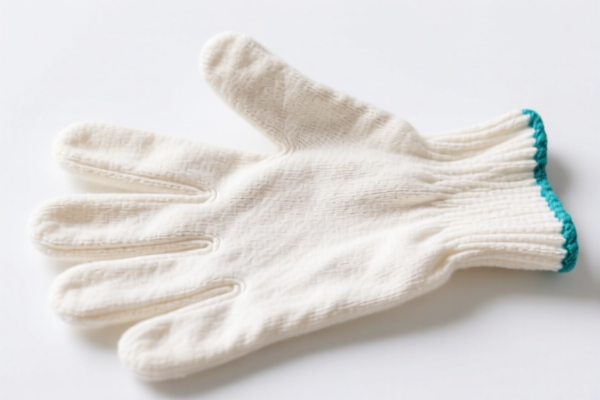
AI Analysis
🧤 Coated Gloves (Plastics/Rubber Impregnated)
🌐 HS Code Reference & Customs Clearance Guide | 2026 Latest Tariff Analysis | Professional Clearance Strategy
📌 I. Product Definition & Classification: Do You Really Know "Coated Gloves"?
"Coated Gloves" is a broad category in international trade, referring to gloves, mittens, and mitts that have been impregnated, coated, covered, or laminated with plastics or rubber. The critical factor for classification is the base material (woven vs. knitted/crocheted) and the presence of "fourchettes" (seamless fingers/gussets).
Two Main Categories: 1. Woven Fabric Gloves: Cut and sewn from pre-existing machine-woven fabric. 2. Knitted/Crocheted Gloves: Made by knitting or crocheting yarns, then coated.
⚠️ Key Distinction:
- If the base is woven fabric → Look at Chapter 62 (Articles of apparel and clothing accessories, not knitted).
- If the base is knitted/crocheted → Look at Chapter 61 (Knitted or crocheted articles).
- If the material is vulcanized rubber (seamless/disposable) → Look at Chapter 40 (Articles of apparel... of vulcanized rubber).
📦 II. HS Code Classification Details (2026 Latest Tariff Authority Comparison)
Based on the provided data, here are the specific HS codes for coated gloves, categorized by structure and material.
Category A: Woven Fabric Gloves (Chapter 62)
Cut and sewn from pre-existing machine-woven fabric impregnated/coated with plastics or rubber.
| HS Code | Product Description | Key Features | Applicable Scenario |
|---|---|---|---|
6216.00.19.00 |
Other: Without fourchettes: Other | No fourchettes; Contains >50% by weight of plastics/rubber. | General industrial work gloves, chemical-resistant gloves made from woven fabric. |
6216.00.13.00 |
Other: Without fourchettes: Of vegetable fibers | No fourchettes; Base material is vegetable fibers; Contains >50% by weight of plastics/rubber. | Eco-friendly or specialized agricultural gloves made from natural fibers. |
Category B: Knitted/Crocheted Gloves (Chapter 61)
Impregnated, coated, covered, or laminated with plastics or rubber.
| HS Code | Product Description | Key Features | Applicable Scenario |
|---|---|---|---|
6116.10.55.10 |
Other: Without fourchettes: Other | No fourchettes; Contains ≥50% by weight of cotton, man-made, or other textile fibers. | Cotton-lined nitrile gloves, knit cotton gloves with rubber coating. ⚠️ Subject to cotton restraints (331) |
6116.10.75.10 |
Other: With fourchettes: Containing ≥50% textile fibers | With fourchettes (seamless/gusseted); Contains ≥50% by weight of textile fibers. | High-dexterity work gloves, seamless knit gloves with rubber palms. ⚠️ Subject to cotton restraints (331) |
Category C: Vulcanized Rubber Gloves (Chapter 40)
Articles of apparel... of vulcanized rubber other than hard rubber.
| HS Code | Product Description | Key Features | Applicable Scenario |
|---|---|---|---|
4015.19.11.10 |
Gloves, mittens and mitts: Other: Seamless Disposable | Seamless; Disposable. | Medical examination gloves, food handling gloves, latex/nitrile disposable gloves. |
4015.19.51.00 |
Gloves, mittens and mitts: Other: Other | Not seamless/disposable (e.g., reusable rubber gloves). | Reusable household rubber gloves, industrial rubber gloves not covered above. |
🔍 Important Note:
- Fourchettes: A "fourchette" is a piece of material inserted between fingers to create a seamless or gusseted connection. Gloves with fourchettes often have different classifications and tax treatments than those without.
- Material Weight: For woven and knitted gloves, the percentage of plastics/rubber vs. textile fibers is crucial. Most codes above require >50% or ≥50% of plastics/rubber or textile fibers respectively.
💰 III. 2026 Latest Tariff Rate Details (Including Additional Taxes)
✅ Applicable Country: United States (US)
✅ Origin: China (CN) (Assuming origin based on typical tariff structures; verify if origin is different)
✅ Effective Time: Current rates apply.
🎯 1. Woven & Knitted Coated Gloves (6216.00.19.00, 6216.00.13.00, 6116.10.55.10, 6116.10.75.10)
| Item | Content |
|---|---|
| Base Tariff Rate | 0.0% (ad valorem) |
| Additional Tariff (Section 301 / IEEPA) | 0.0% |
| Total Tax Rate | 0.0% |
| Tax Calculation | CIF Value × 0.0% = $0 |
| De Minimis Eligibility | ✅ Yes (Generally applicable for low-value shipments, but subject to cotton restraints for knitted items) |
| Legal Basis | HTSUS Chapter 61/62 specific notes. |
📌 Explanation:
- These gloves are generally duty-free for base tariffs.
- Crucial: Knitted gloves (6116.10.x5.x0) are Subject to Cotton Restraints (331). This means they may be subject to quotas or special licensing requirements if imported in large quantities, even if the tariff is 0%. Failure to comply can lead to seizure or high penalty fees.
🎯 2. Vulcanized Rubber Disposable Gloves (4015.19.11.10)
| Item | Content |
|---|---|
| Base Tariff Rate | 3.0% |
| Additional Tariff (Section 301 / IEEPA) | 25.0% |
| Total Tax Rate | 28.0% |
| Tax Calculation | CIF Value × 28.0% |
| De Minimis Eligibility | ❌ No (Often excluded or restricted) |
| Legal Basis | HTSUS Chapter 40; USITC Footnotes. |
📌 Explanation:
- Disposable rubber/latex/nitrile gloves attract a significant tariff burden due to strategic trade policies.
- Total 28% is a high cost. Ensure accurate classification (seamless vs. non-seamless) as4015.19.51.00has a 39% total tax rate.
🎯 3. Vulcanized Rubber Reusable Gloves (4015.19.51.00)
| Item | Content |
|---|---|
| Base Tariff Rate | 14.0% |
| Additional Tariff (Section 301 / IEEPA) | 25.0% |
| Total Tax Rate | 39.0% |
| Tax Calculation | CIF Value × 39.0% |
| De Minimis Eligibility | ❌ No |
| Legal Basis | HTSUS Chapter 40; USITC Footnotes. |
📌 Explanation:
- Reusable rubber gloves are taxed heavily (39%).
- Common Mistake: Declaring reusable rubber gloves as "disposable" (4015.19.11.10) to save 11% in tax is illegal and will result in severe penalties.
🛠️ IV. Customs Clearance Practical Advice (Battle-Tested Pitfall Guide)
✅ 1. Preparation Checklist (Mandatory)
| Document | Required | Description |
|---|---|---|
| ✅ Product Specification Sheet | ✔️ | Must detail: Base material (woven/knit/rubber), coating type (nitrile/latex/rubber), thickness, and % by weight of coating. |
| ✅ Photos (Clear & Detailed) | ✔️ | Show the glove inside/outside, label, and seam structure (to prove presence/absence of fourchettes). |
| ✅ Commercial Invoice | ✔️ | Clearly state "Coated Gloves" and specify material composition. Avoid vague terms like "Gloves Only." |
| ✅ Cotton Restraint License | ✔️ | If Knitted: Check if your company has a cotton restraint license/quotas. Required for 6116.10.55.10 and 6116.10.75.10. |
| ✅ Origin Certificate | ✔️ | For rubber gloves, origin is critical for tariff exemption claims (if applicable under free trade agreements, though unlikely for rubber gloves from China). |
✅ 2. Declaration Tips (Key Mantras)
🔥 "Know Your Base: Woven, Knit, or Rubber? Check Fourchettes, Check Weight!"
| Scenario | Correct Declaration | Incorrect Declaration | Consequence |
|---|---|---|---|
| Woven Coated Gloves | 6216.00.19.00 |
4015.19.51.00 (Rubber) |
Misclassification → 39% tax instead of 0% → Penalty |
| Knitted Coated Gloves | 6116.10.55.10 |
6216.00.19.00 (Woven) |
Wrong Chapter → 100% Penalty + Audit |
| Disposable Rubber Gloves | 4015.19.11.10 |
4015.19.51.00 (Reusable) |
Overpayment of 11% tax → Lost Profit |
| Reusable Rubber Gloves | 4015.19.51.00 |
4015.19.11.10 (Disposable) |
Underpayment of 11% tax → Seizure + Fine |
| Knitted with Fourchettes | 6116.10.75.10 |
6116.10.55.10 |
Misclassification → 0.0% vs 0.0% (Same Tax) but Different Restraint Rules → Quota Violation Risk |
✅ 3. Special Situation Handling
| Situation | Handling Advice |
|---|---|
| Mixed Shipment | If a shipment contains both woven and rubber gloves, declare them separately. Do not lump them under one HS code. |
| Cotton Restraints | For knitted gloves, ensure your supplier provides a Certificate of Origin for Cotton and verify quota availability. |
| "Universal" Gloves | If gloves are used for medical AND industrial purposes, declare based on the principal use and material. Medical disposable rubber gloves are 4015.19.11.10. |
| Partial Coating | If only the palm is coated and the back is bare, determine if the principal characteristic is the coating. If >50% by weight is coating, it's still "impregnated/coated." |
🌍 V. Global Market Comparison (2026 Latest)
| Country/Region | Recommended HS Code | Tariff (China Origin) | Certification Requirements | Notes |
|---|---|---|---|---|
| 🇺🇸 USA | 6216.00.19.00 (Woven) |
0.0% | None specific | Watch out for cotton restraints if knitted. |
| 🇺🇸 USA | 4015.19.11.10 (Rubber Disposable) |
28.0% | FDA (if medical) | High tariff. Avoid misclassification. |
| 🇪🇺 EU | 6216.10 / 4015.19 | Varies (0-6.5%) | CE Marking | No Section 301 equivalent, but strict REACH compliance for chemicals in coatings. |
| 🇨🇳 China | 6216 / 6116 / 4015 | Varies (5-10%) | CCC (if specific) | Import duties apply for foreign goods into China. |
📌 Conclusion:
- USA: Woven and Knitted coated gloves are duty-free (0%), making them highly competitive. Rubber gloves face high tariffs (28-39%).
- EU: Focus on chemical safety (REACH) rather than high tariffs. Ensure coating materials are compliant with EU regulations.
📌 VI. Common Errors & Pitfall Guide (Lessons from Blood and Tears)
❌ Error 1: Declaring Rubber Gloves as Woven Gloves
👉 Consequence: Tax evasion detected → 39% penalty + Interest.
💡 Fix: Always verify material weight. If rubber > textile, it's likely Chapter 40.
❌ Error 2: Ignoring Cotton Restraints for Knitted Gloves
👉 Consequence: Goods held at customs → Storage fees + Demurrage.
💡 Fix: Confirm quota availability before shipping knitted gloves to the US.
❌ Error 3: Misidentifying Fourchettes
👉 Consequence: Wrong HS code (e.g., 6116.10.55.10 vs 6116.10.75.10). While tax may be 0% for both, the restraint rules differ.
💡 Fix: Provide clear photos showing the finger seams.
❌ Error 4: Using "Disposable" for Reusable Rubber Gloves
👉 Consequence: Underpaying tax by 11% → Audit and Back Taxes.
💡 Fix: "Disposable" means intended for single use. "Reusable" means durable. Be honest.
✅ Correct Approach:
"Nitrile-Coated Knitted Cotton Gloves, with Fourchettes, Model XYZ, 100% Compliant with US Cotton Restraint Regulations"
🎯 VII. Conclusion: Precision Classification, Cost Optimization!
🎯 Remember the Mantras:
🔹 "Woven/Knit: 0% Tax, Watch Restraints."
🔹 "Rubber: 28-39% Tax, Check Usage."
🔹 "Fourchettes Matter, Weight Counts, Photos Speak!"
📌 Tips:
- For woven and knitted coated gloves, the 0% tariff is a huge advantage. Ensure proper documentation to prove they are not "rubber articles" under Chapter 40.
- For rubber gloves, the 28-39% tariff is significant. Consider supply chain optimization (e.g., sourcing from Vietnam or Indonesia for lower duties if applicable, though US tariffs may still apply depending on rules of origin).
- Pre-Ruling: For large volumes, consider applying for an Advance Ruling from US Customs to confirm the HS code and avoid post-clearance audits.
📣 Immediate Action:
📞 Contact a professional customs broker.
📷 Provide clear product photos.
📄 Verify cotton restraint quotas for knitted items.
🚀 Ensure smooth clearance and maximize profit margins!
✨ Professional Clearance Starts with Accurate Classification!
💼 Every Percentage Point in Tax Matters!
Customer Reviews
About HS Code Classification
The Harmonized System (HS) is an internationally standardized nomenclature developed by the World Customs Organization (WCO) to classify traded products. Over 200 countries use the HS system as the basis for customs tariffs, trade statistics, and import/export regulations.
Each HS code follows a hierarchical structure:
- Chapter (2 digits) — Broad category of goods (e.g., Chapter 84: Machinery and Mechanical Appliances)
- Heading (4 digits) — More specific grouping within the chapter
- Subheading (6 digits) — Internationally standardized breakdown, used by all WCO member countries
- National subdivisions (8-10 digits) — Country-specific extensions for further classification, such as US HTSUS 10-digit codes
Correct HS code classification is essential for smooth customs clearance, accurate duty payment, and compliance with trade regulations. Misclassification can lead to customs delays, overpayment of duties, or penalties.
When importing from CN to US, the applicable tariff rates may include:
- Most-Favored-Nation (MFN) rate — The standard duty rate applied to WTO members
- General rate — Applied to countries without trade agreements
- Trade remedy duties — Additional tariffs such as Section 301 (anti-dumping), Section 232 (national security), or countervailing duties
The information provided on this page is for reference purposes only. For official classification, please consult with your local customs authority or a licensed customs broker.