Coated High Grade Multi Layer Large Sized Paper Sheets
CN → US| HS Code | Tariff Rate | Origin | Destination | Doc |
|---|---|---|---|---|
| 4810921225 | 35.0% | CN | US | Official Doc |
| 4810921435 | 35.0% | CN | US | Official Doc |
| 4811512010 | 35.0% | CN | US | Official Doc |
| 4811512050 | 35.0% | CN | US | Official Doc |
Product Images
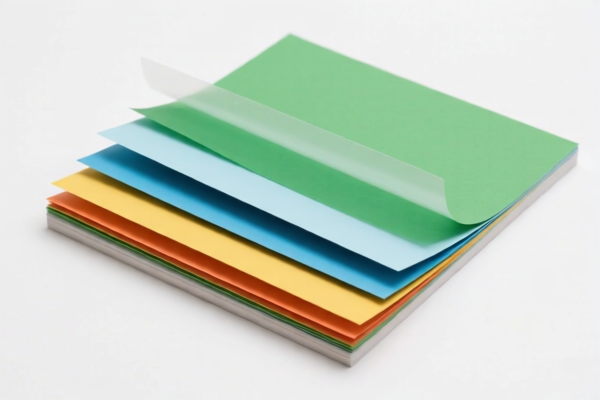
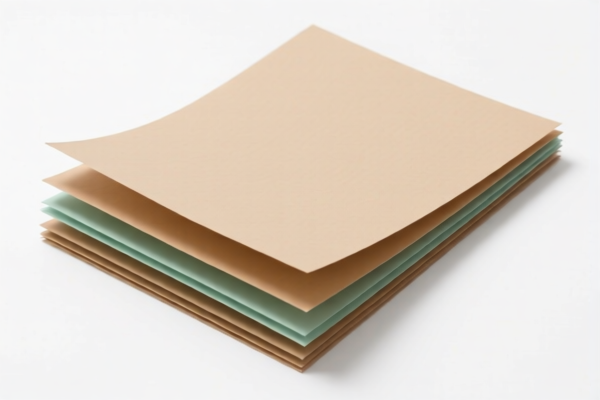
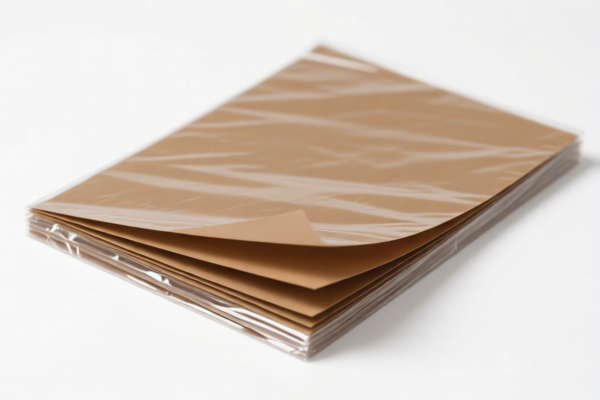
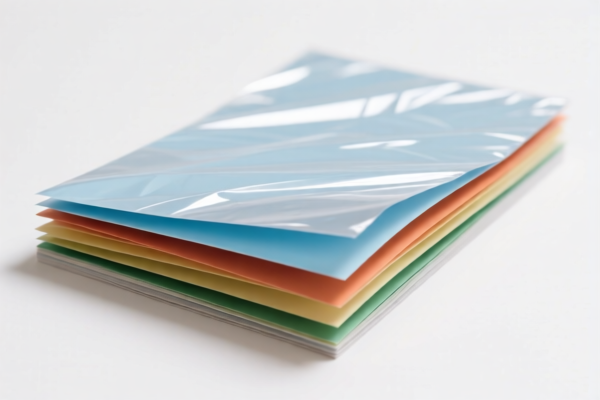
AI Analysis
📄 Coated High Grade Multi-Layer Large Sized Paper Sheets
🌐 HS Code Reference & Customs Clearance Guide | 2026 Latest Tariff Analysis | Professional Clearance Strategy
📌 Part 1: Product Definition & Classification: Do You Truly Understand "Large-Sized Coated Paper"?
Coated High Grade Multi-Layer Large-Sized Paper Sheets refer to industrial-grade paper products characterized by multiple composite layers, surface coating (for printability, moisture resistance, or gloss), and large physical dimensions. In international trade, these are primarily categorized under Chapter 48 (Paper and Paperboard). The key distinction lies in the format (roll vs. cut sheet) and specific application (e.g., milk carton base).
Key Classification Criteria: 1. Structure: Multi-layer composite (e.g., PE-coated paper, solid board with coating). 2. Surface: Coated/Calendered. 3. Form: * Rolled: Woven in large rolls. * Cut Sheet: Cut into specific large sizes (plates). 4. End-Use: Packaging (e.g., milk cartons), industrial printing, or general board.
⚠️ Critical Distinction:
- If the paper is in roll form or defined by its layered structure → Look at 4810.
- If the paper is in cut sheet/plate form or specified for milk carton bases → Look at 4811.
📦 Part 2: HS Code Classification Details (2026 Latest Tariff Authority Comparison)
| HS Code | Product Description | Application Scenario | Format/Feature |
|---|---|---|---|
4810.92.12.25 |
Multi-layer large-sized coated paper, meeting multi-layer structure & coated material, large size meets roll or large sheet requirements | Industrial packaging, bulk printing rolls, layered composite board | 🔄 Rolled / Large Sheets |
4810.92.14.35 |
Multi-layer large-sized coated paper, meeting coated material & multi-layer structure, large size meets cut-sheet physical characteristics | Cut-to-size packaging materials, pre-cut layers for assembly | 📄 Cut Sheets / Plates |
4811.51.20.10 |
Multi-layer large-sized coated paper, meeting coated material, large size meets dimension description, suitable for milk carton base material | Dairy packaging, liquid food containers, specialized coating applications | 🥛 Milk Carton Base |
4811.51.20.50 |
Multi-layer large-sized coated paper, meeting coated material, large size form meets other category cardboard characteristics | General large-sized coated board, non-specific packaging, industrial liners | 📦 General Board |
🔍 Key Reminder:
-4810vs.4811: Chapter 48, Heading 48.10 covers "Paper, paperboard, cellulose wadding and webs of cellulose fibers, coated, impregnated, covered, surface-colored, surface-decorated or printed..."; Heading 48.11 covers "Paper, paperboard, cellulose wadding and webs of cellulose fibers, coated, impregnated, covered... in rolls or rectangular (including square) sheets..."
- In this specific dataset,4810is used for the structural multi-layer definition, while4811is used for specific dimensional/application-based classification (like milk cartons).
- Do not mix: Roll form typically aligns with4810in this context, while specific cut/sheet applications or milk carton bases align with4811.
💰 Part 3: 2026 Latest Tariff Rate Details (Including Additional Taxes, Policy Surcharges)
✅ Applicable Country: United States (US)
✅ Origin: China (CN)
✅ Effective Time: 2025 November 10 onwards (for subsequent imports)
🎯 1. 4810.92.12.25 & 4810.92.14.35 —— Multi-Layer Coated Paper (General)
| Item | Content |
|---|---|
| Base Tariff | 0.0% (ad valorem) |
| Section 301 Additional Tariff | +25.0% (from USITC Footnote 9903.88.01 / Section 301 List 4A) |
| Section 122 Tariff | +10.0% (Specific 122 Clause Tariff) |
| Total Tariff Rate | 35.0% |
| Tax Calculation | CIF Value × 35% |
| De Minimis Exemption | ❌ Not Applicable (deny_de_minimis) |
| Legal Basis Path | Section 301: 9903.88.01 → Section 122: 10% → USITC: 4810.xxxx.xxxx |
📌 Explanation:
- "Section 301 Additional Tariff 25%": Part of the Trump-era trade actions, currently maintained and enforced against Chinese goods under HTS 4810.
- "Section 122 Tariff 10%": Refers to specific administrative tariffs or additional duties imposed under Section 122 of the Trade Expansion Act (often related to national security or unfair trade practices, here explicitly listed).
- Total 35%: This is a high tariff burden. Importers must budget for this cost or seek exemptions.
🎯 2. 4811.51.20.10 & 4811.51.20.50 —— Coated Paper for Specific Uses (Milk Carton/Base)
| Item | Content |
|---|---|
| Base Tariff | 0.0% |
| Section 301 Additional Tariff | +25.0% |
| Section 122 Tariff | +10.0% |
| Total Tariff Rate | 35.0% |
| Tax Calculation | CIF Value × 35% |
| De Minimis Exemption | ❌ Not Applicable |
| Legal Basis Path | Section 301: 9903.88.01 → Section 122: 10% → USITC: 4811.51.20.xx |
📌 Note:
- Despite the different heading (48.11 vs 48.10), the tariff outcome is identical (35%) for Chinese-origin goods in this dataset.
- Even if the paper is specifically for milk cartons (4811.51.20.10), it does not escape the 301 + 122 tariffs.
- The distinction between4811.51.20.10and4811.51.20.50is purely descriptive (milk carton base vs. other cardboard characteristics), but taxation is the same.
🛠️ Part 4: Customs Clearance Practical Advice (Combat Pitfall Guide)
✅ 1. Documentation Checklist (Missing items cause delays)
| Document | Required | Description |
|---|---|---|
| ✅ Product Specification Sheet | ✔️ | Must detail: Number of layers, coating type (PE, aluminum, etc.), basis weight, dimensions. |
| ✅ Material Safety Data Sheet (MSDS) | ✔️ | If coating contains chemicals, provide MSDS. |
| ✅ Commercial Invoice | ✔️ | Must clearly state: "Multi-layer Coated Paper," HS Code, Origin: China. |
| ✅ Packing List | ✔️ | Detail roll weight vs. cut sheet weight. Do not mix roll and sheet descriptions if using different HS codes. |
| ✅ Certificate of Origin (CO) | ✔️ | Mandatory for proving Chinese origin (which triggers 35% tax). |
| ✅ Proof of Non-Deminimis | ✔️ | Since de minimis is denied, ensure B13 entry type is used correctly. |
✅ 2. Declaration Tips (Critical Keywords)
🔥 "Layer Count, Coating Type, Form (Roll/Sheet), Origin Clear!"
| Scenario | Correct Declaration | Wrong Approach |
|---|---|---|
| Paper in Rolls | 4810.92.12.25 "Multi-layer coated paper in rolls" |
Calling it "cardboard" → Misclassification risk |
| Paper in Cut Sheets | 4811.51.20.10 or 4811.51.20.50 "Cut-sheet coated paper" |
Calling it "roll" → Customs may reject due to physical mismatch |
| Milk Carton Base | 4811.51.20.10 "Coated paper for milk carton base" |
Generic "paper" → Higher scrutiny |
| General Board | 4811.51.20.50 "Other large-sized coated board" |
Specific "multi-layer" without code match → Delay |
✅ 3. Special Cases
| Situation | Handling Advice |
|---|---|
| Mixed Container (Rolls + Sheets) | Declare separately! Do not lump into one HS code if they fall under 4810 and 4811. Use separate line items. |
| Private Label/OEM | Provide the end-user agreement. If it's strictly for milk cartons, emphasize 4811.51.20.10. |
| Origin Fraud Risk | Ensure CO matches the actual manufacturing location. Transshipment to Vietnam/Malaysia to avoid 301 tariffs is heavily audited. |
| Value Assessment | With 35% tax, under-declaring value is high-risk. CBP uses reference data for coated paper. |
🌍 Part 5: Global Market Comparison (2026 Latest)
| Country/Region | Recommended HS Code | Tariff (CN Origin) | Certification | Notes |
|---|---|---|---|---|
| 🇺🇸 USA | 4810.92.12.25 / 4811.51.20.10 |
35% (0% + 25% + 10%) | No specific FDA/CE for paper, but ensure non-toxic coating if for food | High tariff barrier |
| 🇨🇳 China | 4810.92.12.25 / 4811.51.20.10 |
0-5% (Import Duty) | GB Standards for paper | Domestic trade friendly |
| 🇪🇺 EU | 4810.92.00 / 4811.51.00 |
0-6.5% (WTO Rate) | REACH (if chemical coating) | No Section 301/122 equivalent |
| 🇬🇧 UK | 4810.92.00 / 4811.51.00 |
0-6.5% | UKCA (if applicable) | Post-Brexit tariffs apply |
| 🇲🇽 Mexico | 4810.92.12 / 4811.51.20 |
0-5% (USMCA Eligible) | NOM Standards | Can be used for US-bound final products |
📌 Conclusion:
- USA is the only market with the 35% punitive tariff in this analysis.
- Supply Chain Strategy: If exporting to the US, consider tariff engineering (ensuring correct HS code to avoid penalties) or supply chain diversification (producing in non-China countries to avoid Section 301).
- EU/UK: Much more favorable, but ensure chemical compliance (REACH) for coatings.
📌 Part 6: Common Mistakes & Pitfalls (Blood & Tears Lessons)
❌ Mistake 1: Declaring "Coated Paper" generically without specifying "Multi-layer" or "Large Size"
👉 Consequence: Customs may misclassify to a different 8-digit code with higher duty or require additional info → Delay.
❌ Mistake 2: Confusing 4810 (Coated Paper) with 4804 (Kraft Paper)
👉 Consequence: 4804 may have different tariff rates. If it's coated, it must be 48.10 or 48.11. Misclassification → Penalty + Back Taxes.
❌ Mistake 3: Ignoring the "Section 122" 10% surcharge
👉 Consequence: Importers only budget for 25% (Section 301), but total is 35%. Cash flow crisis.
❌ Mistake 4: Mixing Milk Carton Base (4811.51.20.10) with General Board (4811.51.20.50)
👉 Consequence: While tax is same, incorrect description may trigger audit for trade remedy evasion. Keep descriptions precise.
✅ Correct Approach:
"Multi-layer Coated Paper, 45gsm, PE Coated, Cut Sheets, 20x30 inches, Made in China, HS 4811.51.20.10"
🎯 Part 7: Conclusion: Professional Declaration, Cost Control!
🎯 Remember the Rules:
🔹 "Coated Paper = 48.10/48.11"
🔹 "China Origin = 35% Total Tax (0% + 25% + 10%)"
🔹 "De Minimis Does NOT Apply"
🔹 "Rolls vs. Sheets Matters for HS Code Selection"
📌 Pro Tip:
If you are importing this into the US, apply for an Advance Ruling if your paper has unique characteristics. Verify the Section 122 applicability with your broker, as it is less common than Section 301 but still significant.
📣 Immediate Action:
📞 Contact a Licensed Customs Broker + Provide Product Photos + Spec Sheet
🚀 Optimize your supply chain to mitigate 35% tariff impact!
✨ Professional Clearance Starts with Accurate Classification!
💼 Every Dollar of Tariff is a Dollar of Profit Lost!
Customer Reviews
About HS Code Classification
The Harmonized System (HS) is an internationally standardized nomenclature developed by the World Customs Organization (WCO) to classify traded products. Over 200 countries use the HS system as the basis for customs tariffs, trade statistics, and import/export regulations.
Each HS code follows a hierarchical structure:
- Chapter (2 digits) — Broad category of goods (e.g., Chapter 84: Machinery and Mechanical Appliances)
- Heading (4 digits) — More specific grouping within the chapter
- Subheading (6 digits) — Internationally standardized breakdown, used by all WCO member countries
- National subdivisions (8-10 digits) — Country-specific extensions for further classification, such as US HTSUS 10-digit codes
Correct HS code classification is essential for smooth customs clearance, accurate duty payment, and compliance with trade regulations. Misclassification can lead to customs delays, overpayment of duties, or penalties.
When importing from CN to US, the applicable tariff rates may include:
- Most-Favored-Nation (MFN) rate — The standard duty rate applied to WTO members
- General rate — Applied to countries without trade agreements
- Trade remedy duties — Additional tariffs such as Section 301 (anti-dumping), Section 232 (national security), or countervailing duties
The information provided on this page is for reference purposes only. For official classification, please consult with your local customs authority or a licensed customs broker.