Coated Non Rubber Plastic/Paper Pulp/Glass Fiber Material
CN → US| HS Code | Tariff Rate | Origin | Destination | Doc |
|---|---|---|---|---|
| 7019641510 | 41.0% | CN | US | Official Doc |
| 7019641590 | 41.0% | CN | US | Official Doc |
| 8534000040 | 10.0% | CN | US | Official Doc |
| 8534000050 | 35.0% | CN | US | Official Doc |
Product Images
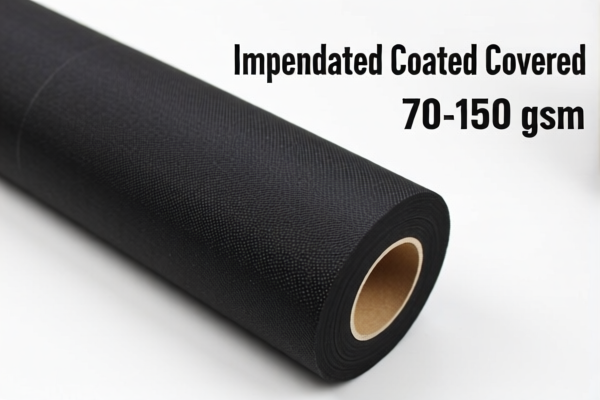
AI Analysis
🧪 Coated Non-Rubber Plastic / Paper Pulp / Glass Fiber Material
🌐 HS Code Reference & Customs Clearance Guide | 2026 Latest Tariff Analysis | Professional Import Strategy
📌 I. Product Definition & Classification: What Exactly Are You Importing?
The term "Coated Non-Rubber Plastic/Paper Pulp/Glass Fiber Material" is a generic descriptor that spans multiple industries. In international trade, precise classification is critical because these materials fall under entirely different Harmonized System (HS) chapters depending on their primary material composition and end-use.
This guide focuses on the Glass Fiber and Printed Circuit/Electronic Base materials based on the provided <DATA> context, as these represent the most common high-value, highly regulated items fitting this description.
⚠️ Critical Distinction:
- Glass Fibers/Woven Fabrics: Classified under Chapter 70. These are structural/insulating materials.
- Printed Circuits/Impregnated Bases: Classified under Chapter 85. These are electronic components/substrates.
- Plastics/Paper Pulp: Not explicitly detailed in the provided<DATA>with specific HS codes, but generally fall under Chapters 39 or 48. Note: This guide strictly adheres to the provided<DATA>HS codes.
📦 II. HS Code Classification Details (Based on Provided Data)
Below are the specific HS codes from your dataset, broken down by product type.
A. Glass Fibers & Woven Fabrics (Chapter 70)
These materials are typically used for insulation, reinforcement, or filtration.
| HS Code | Product Description | Key Characteristics |
|---|---|---|
7019.64.15.10 |
Mechanically Bonded Fabrics: Closed woven, plain weave, of yarns, coated/laminated. Width ≤ 30cm. Weight ≤ 185 g/m². | Narrow width, lightweight glass fiber fabric. Common in PCB substrates or specialized insulation. |
7019.64.15.90 |
Mechanically Bonded Fabrics: Closed woven, plain weave, of yarns, coated/laminated. Width ≤ 30cm. Other (Weight > 185 g/m² or other specs). | Narrow width, heavier or different specification glass fiber fabric. |
🔍 Key Note:
- Both codes refer to Narrow Woven Fabrics (≤ 30 cm width).
- If the fabric is wider than 30 cm, it would fall under different subheadings (not in the provided data).
- "Coated or Laminated" indicates the fibers are treated with resin or other materials for durability.
B. Printed Circuits & Impregnated Bases (Chapter 85)
These materials are used as substrates for electronic circuits.
| HS Code | Product Description | Key Characteristics |
|---|---|---|
8534.00.00.40 |
Printed Circuits: Plastics impregnated, not flexible type. Base wholly of impregnated glass. | Rigid PCB substrate made entirely of glass-fiber-reinforced epoxy (FR-4 type). |
8534.00.00.50 |
Printed Circuits: Plastics impregnated, not flexible type. Base wholly of impregnated paper. | Rigid PCB substrate made of paper-fiber-reinforced phenolic resin (FR-1/FR-2 type). |
🔍 Key Note:
- These are not finished PCBs with components, but the base materials (laminate sheets) used to manufacture them.
- "Not flexible type" distinguishes them from flexible circuits (FPC).
- The difference is the base material: Glass (Code .40) vs. Paper (Code .50).
💰 III. 2026 Tariff Rate Analysis (Detailed Breakdown)
✅ Applicable Country: United States (US)
✅ Origin: China (CN) (Implied by the 25% additional tariff structure in the data)
✅ Effective Date: 2025/2026 (Current Framework)
🎯 1. Glass Fiber Fabrics (7019.64.15.10 & 7019.64.15.90)
| Item | Detail |
|---|---|
| Base Duty Rate | 0.0% |
| Additional Duty (Section 301) | 0.0% |
| Total Tariff Rate | 0.0% |
| Tax Calculation | CIF Value × 0% = $0 |
| De Minimis Exemption | ✅ Applicable (Under $800) |
| Legal Basis | Standard MFN Treatment for Chapter 70 Narrow Fabrics. |
📌 Explanation:
- Excellent News: Glass fiber woven fabrics of narrow width have zero duty in this dataset.
- This makes them highly competitive for import.
- No Section 301 tariffs are listed for these specific subheadings in the provided data.
🎯 2. Printed Circuit Bases (8534.00.00.40 & 8534.00.00.50)
| Item | Detail |
|---|---|
| Base Duty Rate | 0.0% |
| Additional Duty (Section 301) | 25.0% |
| Total Tariff Rate | 25.0% |
| Tax Calculation | CIF Value × 25% |
| De Minimis Exemption | ❌ Not Applicable (Highly regulated electronic components often excluded) |
| Legal Basis | USITC Footnote for Electronic Components / Section 301 List. |
📌 Explanation:
- High Cost: While the base duty is 0%, the 25% additional tariff significantly increases the cost.
- Origin Sensitivity: This rate applies to goods originating from China.
- Impact: A $10,000 shipment of FR-4 glass base material will incur $2,500 in duties.
🛠️ IV. Customs Clearance Practical Advice
✅ 1. Documentation Checklist (Required)
| Document | Required For | Notes |
|---|---|---|
| Commercial Invoice | All | Must clearly state HS Code, Material Composition, and Origin. |
| Packing List | All | Must list dimensions and weight per package. |
| Product Specification Sheet | Glass Fabrics | Confirm width ≤ 30 cm and weight per m² if claiming 7019.64.15.10. |
| Material Safety Data Sheet (MSDS) | All | Required for chemical coatings on glass/paper. |
| Certificate of Origin (CO) | All | To prove origin for tariff calculation. |
| Technical Drawing | PCB Bases | To prove "Impregnated Glass" or "Impregnated Paper" base. |
✅ 2. Classification Strategy & Pitfalls
| Scenario | Correct Classification | Incorrect Classification | Consequence |
|---|---|---|---|
| Narrow Glass Fabric (≤30cm) | 7019.64.15.10 / .90 |
7019.59.90.00 (Other Woven Fabrics) |
Misclassification risk; potential audit. |
| Wide Glass Fabric (>30cm) | Not in Data | 7019.64.15.10 |
Rejection: HS Code does not match width requirement. |
| FR-4 Glass Base | 8534.00.00.40 |
8534.00.00.50 (Paper) |
25% Tariff Applied: No difference in tax, but wrong description. |
| Paper-Based Circuit Base | 8534.00.00.50 |
8534.00.00.40 (Glass) |
25% Tariff Applied: Same tax, but wrong material description. |
| Flexible PCB Lamination | Not in Data | 8534.00.00.40 |
Wrong Code: "Not flexible type" is required. |
🔥 Golden Rule:
"Width Matters for Glass; Base Material Matters for PCBs."
- For Glass: Ensure width ≤ 30 cm. If wider, you need a different HS code (not in data).
- For PCBs: Ensure you specify Glass vs. Paper base. Both have 25% tariff, but accuracy prevents customs delays.
✅ 3. Cost Optimization Tips
- For Glass Fibers: Since the tariff is 0%, focus on optimizing shipping costs (freight) rather than duty planning.
- For PCB Bases:
- Supplier Negotiation: Factor the 25% duty into your landed cost.
- Origin Diversification: If importing from Vietnam, Thailand, or Malaysia, check if any Section 301 exemptions apply (though unlikely for PCB bases without specific ruling).
- Bonded Warehouses: Consider storing PCB bases in bonded facilities if you are unsure of final destination.
🌍 V. Global Market Comparison (2026)
| Market | Recommended HS Code | Estimated Duty (China Origin) | Key Requirement |
|---|---|---|---|
| 🇺🇸 USA | 7019.64.15.10 / 8534.00.00.40 |
0% (Glass) / 25% (PCB) | Detailed specs, MSDS |
| 🇨🇳 China | 7019.64.15.10 / 8534.00.00.40 |
0% (Glass) / 0-5% (PCB) | CCC Certification (for PCBs) |
| 🇪🇺 EU | 7019.64.15.10 / 8534.00.00.40 |
0% (Glass) / 0% (PCB) | CE, RoHS, REACH |
| 🇬🇧 UK | 7019.64.15.10 / 8534.00.00.40 |
0% (Glass) / 0% (PCB) | UKCA, CE |
📌 Insight:
- The US is the only market in this dataset with high additional tariffs for PCB bases.
- Glass fibers are tariff-free globally in this context, making them a low-risk import.
📌 VI. Common Errors & How to Avoid Them
❌ Error 1: Classifying wide glass fabric as 7019.64.15.10
👉 Fix: Measure the fabric width. If > 30 cm, you must find the correct HS code for wider fabrics (not provided in data).
❌ Error 2: Claiming De Minimis ($800) for PCB Bases
👉 Fix: Electronic components often have restrictions. Even if under $800, prepare for duty assessment. Verify with a customs broker.
❌ Error 3: Mislabeling Glass Base as Paper Base (or vice versa) for PCBs
👉 Fix: While the duty is the same (25%), incorrect material description leads to customs holds and fines. Be precise.
❌ Error 4: Ignoring Coating/Lamination
👉 Fix: Ensure the invoice explicitly states "Coated" or "Laminated" to match the HS code description.
🎯 VII. Conclusion: Smart Classification, Lower Costs
🎯 Summary:
- Glass Fibers (Narrow): 0% Duty – Low risk, easy clearance.
- PCB Bases (Glass/Paper): 25% Duty – Higher cost, requires precise material declaration.
💡 Pro Tip:
If you are importing large volumes of PCB bases, consider supplier relocation to countries with favorable trade agreements or bonded warehousing to manage cash flow. For glass fibers, focus on supply chain efficiency as duties are non-existent.
📌 Action Item:
📞 Contact a Customs Broker with your product specifications (width, weight, material composition) to confirm the HS code before shipment.
🚀 Verify Origin and Tariff Eligibility to avoid surprise costs at customs.
✨ Accurate Classification is the First Step to Smooth Clearance!
💼 Don't let misclassification cost you time, money, and reputation!
Customer Reviews
About HS Code Classification
The Harmonized System (HS) is an internationally standardized nomenclature developed by the World Customs Organization (WCO) to classify traded products. Over 200 countries use the HS system as the basis for customs tariffs, trade statistics, and import/export regulations.
Each HS code follows a hierarchical structure:
- Chapter (2 digits) — Broad category of goods (e.g., Chapter 84: Machinery and Mechanical Appliances)
- Heading (4 digits) — More specific grouping within the chapter
- Subheading (6 digits) — Internationally standardized breakdown, used by all WCO member countries
- National subdivisions (8-10 digits) — Country-specific extensions for further classification, such as US HTSUS 10-digit codes
Correct HS code classification is essential for smooth customs clearance, accurate duty payment, and compliance with trade regulations. Misclassification can lead to customs delays, overpayment of duties, or penalties.
When importing from CN to US, the applicable tariff rates may include:
- Most-Favored-Nation (MFN) rate — The standard duty rate applied to WTO members
- General rate — Applied to countries without trade agreements
- Trade remedy duties — Additional tariffs such as Section 301 (anti-dumping), Section 232 (national security), or countervailing duties
The information provided on this page is for reference purposes only. For official classification, please consult with your local customs authority or a licensed customs broker.