Coated Paper for Printing
CN → US| HS Code | Tariff Rate | Origin | Destination | Doc |
|---|---|---|---|---|
| 4810391200 | 35.0% | CN | US | Official Doc |
| 4810991060 | 35.0% | CN | US | Official Doc |
| 4811908030 | 35.0% | CN | US | Official Doc |
| 4811909030 | 35.0% | CN | US | Official Doc |
| 4810131900 | 35.0% | CN | US | Official Doc |
Product Images
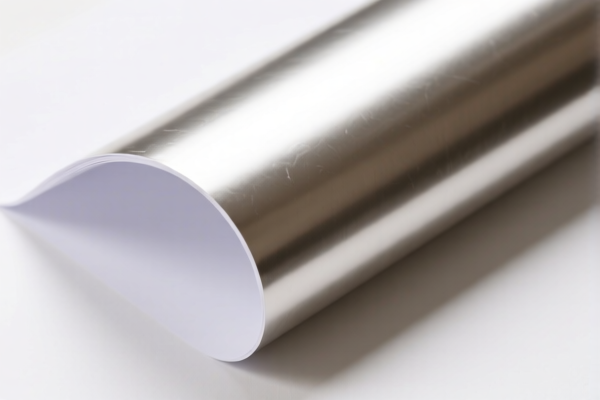
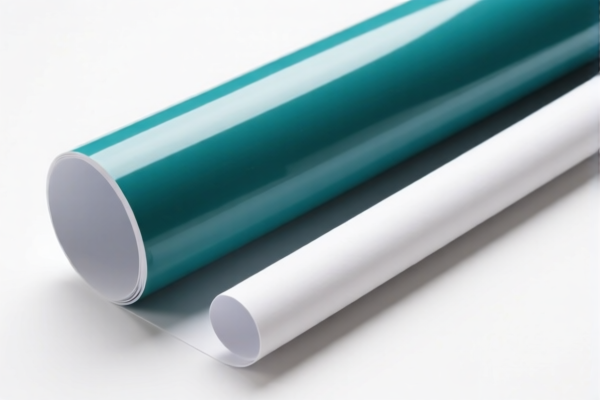
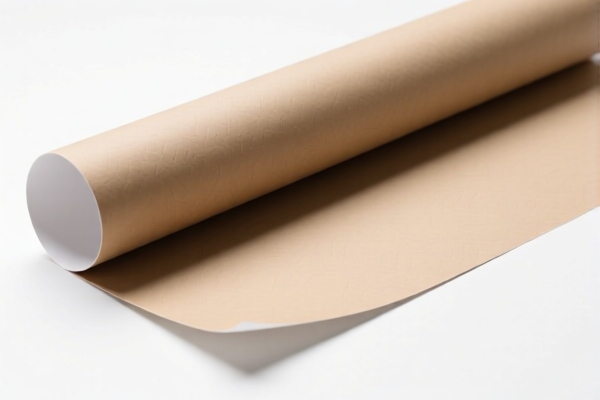
AI Analysis
🖨️ Coated Paper for Printing (特种涂布纸)
🌐 HS Code Reference & Customs Clearance Guide | 2026 Latest Tariff Analysis | Professional Compliance Strategy
📌 I. Product Definition: What is "Coated Paper for Printing"?
Coated paper is a high-quality paper product with a layer of coating material (such as kaolin, calcium carbonate, or titanium dioxide) applied to its surface. This process significantly improves the paper's smoothness, whiteness, glossiness, and ink receptivity, making it the primary choice for high-end commercial printing, packaging, and advertising materials.
In international trade, classified under Chapter 48 (Paper and Paperboard), specific subheadings depend on the material composition, physical form (rolls vs. sheets), and specific application.
⚠️ Key Distinction Points:
- Kaolin/Inorganic Coating: If the coating consists mainly of inorganic substances like kaolin, it typically falls under 4810.39.
- General/Other Coating: If the coating material is different or does not fit specific subcategories, it may fall under 4810.99.
- Processed/Decorative Paper: If the paper has been further colored, decorated, or treated in specific ways after coating, it may be classified under 4811.90.
- Roll Form: If supplied specifically in rolls for printing presses, it is often categorized under 4810.13 or 4810.39 depending on the coating.
📦 II. HS Code Classification Details (2026 Latest Tariff Authority)
Based on the provided data, here are the five relevant HS codes for Coated Paper for Printing:
| HS Code | Product Description | Key Characteristics | Tax Rate |
|---|---|---|---|
4810.39.12.00 |
Special Coated Paper | High Kaolin/Inorganic Coating: Matches characteristics of paper coated with high kaolin or other inorganic substances. | 35.0% |
4810.99.10.60 |
Special Coated Paper | General Coating: Matches paper/board materials; falls under "Other" category for coated papers. | 35.0% |
4811.90.80.30 |
Special Coated Paper | Coated/Decorated: Belongs to the category of coated, colored, or decorated paper products. | 35.0% |
4811.90.90.30 |
Special Coated Paper | 兜底类目 (Residual): Fits the form of coated paper; serves as a residual/catch-all category for coated paper materials. | 35.0% |
4810.13.19.00 |
Coated Paper Roll | Roll Format: Matches coated material and roll form; specifically used for printing or writing. | 35.0% |
🔍 Critical Reminder:
- All five codes listed above carry a Total Tax Rate of 35.0%.
- The distinction between these codes relies on technical specifications (e.g., coating composition, roll vs. sheet, specific manufacturing process).
- Misclassification can lead to customs delays, penalties, or incorrect duty assessments. Always verify the coating material and physical form.
💰 III. 2026 Latest Tariff Rate Details (Including Additional Taxes & Policy Surcharges)
✅ Applicable Country: USA (US)
✅ Origin: China (CN)
✅ Effective Date: November 10, 2025 (and onwards)
🎯 1. Common Tariff Structure for All Codes (4810.39.12.00, 4810.99.10.60, 4811.90.80.30, 4811.90.90.30, 4810.13.19.00)
| Item | Content |
|---|---|
| Base Duty Rate | 0.0% (ad valorem) |
| Section 301 Additional Duty | +25.0% (Applied to Chinese-origin goods under Section 301) |
| Section 122 Tariff (IEEPA) | +10.0% (Specific surcharge for Chinese products under IEEPA) |
| Total Effective Duty Rate | 35.0% |
| Tax Calculation | CIF Value × 35% |
| De Minimis Exemption Eligible? | ❌ No (deny_de_minimis) |
| Legal Basis Path | Section 301 → IEEPA:9903 → USITC:4810/4811 → FOOTNOTE:301 |
📌 Explanation:
- The 35% total rate is a combination of three components: 0% Base + 25% Section 301 + 10% Section 122.
- Section 301: Known as the "Trump Tariff" or "Trump Tax," this is a significant barrier for Chinese exports to the US.
- Section 122: This refers to additional tariffs under the International Emergency Economic Powers Act (IEEPA), further increasing the cost.
- No De Minimis: Unlike some low-value goods, these items do not qualify for the $800 de minimis exemption. Every shipment is subject to the full 35% duty.
🛠️ IV. Customs Clearance Practical Advice (Real-World Pitfall Avoidance Guide)
✅ 1. Required Documentation Checklist (Missing Any May Cause Delays)
| Document | Mandatory? | Description |
|---|---|---|
| ✅ Product Specification Sheet | ✔️ | Must detail coating material (e.g., Kaolin %), brightness, smoothness, grammage (gsm), and form (roll/sheet). |
| ✅ Coating Composition Report | ✔️ | Critical for distinguishing between 4810.39 (Kaolin-based) and 4810.99 (Other). |
| ✅ Product Photos | ✔️ | Clear images of the paper surface, labels, and roll/sheet form. |
| ✅ Commercial Invoice | ✔️ | Must accurately describe the product as "Coated Paper for Printing" and specify the HS Code. |
| ✅ Packing List | ✔️ | Detail net/gross weight, dimensions, and number of rolls/sheets. |
| ✅ Certificate of Origin (CO) | ✔️ | To prove Chinese origin (which triggers the 35% tax). |
| ✅ Third-Party Lab Report | ✔️ | Recommended to verify coating composition if requested by CBP. |
✅ 2. Declaration Strategy (Key Mantras)
🔥 "Know Your Coating, Know Your Form!"
| Scenario | Correct Declaration | Incorrect Practice |
|---|---|---|
| Paper with Kaolin Coating | 4810.39.12.00 |
Misdeclaring as 4810.99 → Risk of reclassification & penalty |
| Other Coated Paper (Non-Kaolin) | 4810.99.10.60 |
Over-generalizing as 4811.90 → Potential audit risk |
| Decorated/Colored Coated Paper | 4811.90.80.30 or 4811.90.90.30 |
Declaring as standard printing paper → Underpayment of duties |
| Coated Paper in Rolls | 4810.13.19.00 |
Declaring as sheets → Physical form mismatch → Customs hold |
📌 Important:
- Ensure the product name in the invoice matches the technical description used to select the HS code.
- If the paper is both coated and decorated, the more specific code (often4811.90) may apply, but 35% duty remains constant.
✅ 3. Special Situations & Handling
| Situation | Handling Advice |
|---|---|
| OEM Custom Paper | Provide customer orders + technical drawings to prove specific coating requirements. |
| Mixed Shipments | If a single shipment contains both coated and uncoated paper, declare separately. Uncoated paper may have different rates. |
| Paper for Medical Packaging | Even if used for medical purposes, if it's coated for printing, it still falls under Chapter 48. No duty exemption unless specific FTZ rules apply. |
| Paper for Food Packaging | Ensure compliance with FDA regulations for food-contact materials, but duty classification remains under 4810/4811. |
🌍 V. Global Market Comparison (2026 Latest)
| Country/Region | Recommended HS Code | Duty Rate (China Origin) | Certification Requirements | Remarks |
|---|---|---|---|---|
| 🇺🇸 USA | 4810.39.12.00 etc. |
35.0% | None specific, but CBP scrutiny high | High duty burden; plan pricing accordingly. |
| 🇨🇳 China | 4810.39.12.00 etc. |
0-13% (varies) | CCC (if applicable) | Lower domestic duty; exports face US barriers. |
| 🇪🇺 EU | 4810.39.12.00 etc. |
6.5% (standard) | REACH, FSC/PEFC (sustainability) | No Section 301/122 taxes. |
| 🇯🇵 Japan | 4810.39.12.00 etc. |
3-6% | None specific | Moderate duty; no major surcharges. |
| 🇻🇳 Vietnam | 4810.39.12.00 etc. |
0-5% (if FTZ) | None | Potential for supply chain shift to avoid US tariffs. |
📌 Conclusion:
- The USA market is uniquely challenging due to the 35% combined tariff.
- EU, Japan, and other markets have significantly lower duties, making them more attractive for high-value coated paper exports.
- Consider supply chain diversification (e.g., producing in Vietnam or Mexico) if targeting the US market long-term.
📌 VI. Common Mistakes & Pitfalls (Blood & Tears Lessons)
❌ Mistake 1: Declaring Kaolin-coated paper as 4810.99 to avoid scrutiny.
👉 Consequence: CBP may reclassify it as 4810.39, leading to back taxes + penalties if they discover the discrepancy.
❌ Mistake 2: Using "Paper" or "Printing Paper" as the product name without specifying "Coated".
👉 Consequence: Customs may misclassify it as uncoated paper (lower duty), leading to underpayment and subsequent audits.
❌ Mistake 3: Ignoring the "Roll vs. Sheet" distinction.
👉 Consequence: Misdeclaring rolls as sheets (or vice versa) causes physical inspection delays and potential misclassification.
❌ Mistake 4: Assuming De Minimis applies.
👉 Consequence: 35% duty is mandatory for all shipments, regardless of value. No $800 exemption!
✅ Correct Approach:
"Kaolin-Coated Paper, 150gsm, Roll Form, for Commercial Printing, Model XYZ, High Smoothness"
🎯 VII. Conclusion: Precision in Classification Saves Money!
🎯 Remember:
🔹 "Coating Type Determines Code, but 35% is the Rule!"
🔹 "HS Code Precision Prevents Delays, and Accurate Description Avoids Penalties!"
📌 Pro Tip:
- If your coated paper is originating from Vietnam, Mexico, or Thailand, you may qualify for lower or zero tariffs under FTAs (like USMCA for Mexico) or avoid Section 301/122 taxes.
- Consider applying for an Advance Ruling from CBP if the classification is complex (e.g., mixed coatings).
📣 Immediate Action:
📞 Contact a Professional Customs Broker + Provide Product Specs + Apply for Advance Ruling
🚀 Ensure Smooth Clearance, Optimize Costs, and Expand Global Markets!
✨ Professional Clearance Starts with Accurate Classification!
💼 Every Percent of Duty Saved is Pure Profit!
Customer Reviews
About HS Code Classification
The Harmonized System (HS) is an internationally standardized nomenclature developed by the World Customs Organization (WCO) to classify traded products. Over 200 countries use the HS system as the basis for customs tariffs, trade statistics, and import/export regulations.
Each HS code follows a hierarchical structure:
- Chapter (2 digits) — Broad category of goods (e.g., Chapter 84: Machinery and Mechanical Appliances)
- Heading (4 digits) — More specific grouping within the chapter
- Subheading (6 digits) — Internationally standardized breakdown, used by all WCO member countries
- National subdivisions (8-10 digits) — Country-specific extensions for further classification, such as US HTSUS 10-digit codes
Correct HS code classification is essential for smooth customs clearance, accurate duty payment, and compliance with trade regulations. Misclassification can lead to customs delays, overpayment of duties, or penalties.
When importing from CN to US, the applicable tariff rates may include:
- Most-Favored-Nation (MFN) rate — The standard duty rate applied to WTO members
- General rate — Applied to countries without trade agreements
- Trade remedy duties — Additional tariffs such as Section 301 (anti-dumping), Section 232 (national security), or countervailing duties
The information provided on this page is for reference purposes only. For official classification, please consult with your local customs authority or a licensed customs broker.