Coated Rubber Gloves
CN → US| HS Code | Tariff Rate | Origin | Destination | Doc |
|---|---|---|---|---|
| 6116104810 | 36.1% | CN | US | Official Doc |
| 4015129000 | 49.0% | CN | US | Official Doc |
| 3926204050 | 16.5% | CN | US | Official Doc |
| 4015195100 | 49.0% | CN | US | Official Doc |
| 6116105510 | 30.7% | CN | US | Official Doc |
Product Images

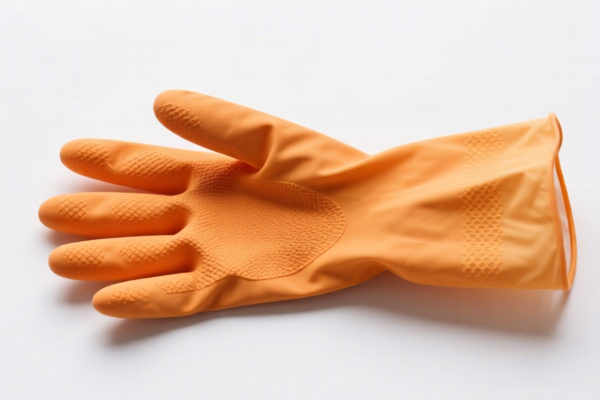

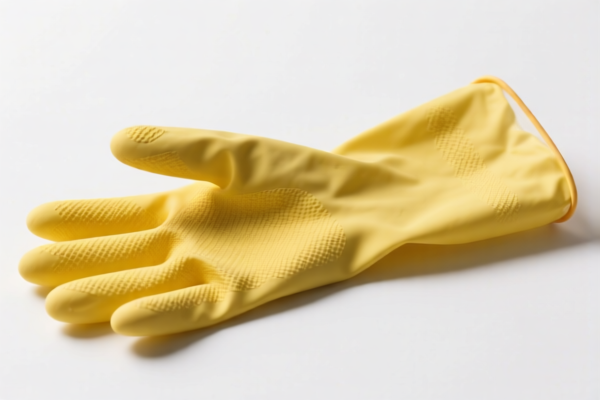
AI Analysis
🧤 Coated Rubber Gloves (Rubber-Protected Gloves)
🌐 HS Code Reference & Customs Clearance Guide | 2026 Latest Tariff Analysis | Professional Clearance Strategy
📌 I. Product Definition & Classification: Do You Really Understand "Coated Rubber Gloves"?
Coated rubber gloves are protective handwear where the base material is typically cotton or fabric, but the surface is coated or impregnated with rubber, latex, or plastic to provide water resistance, chemical protection, or grip. In international trade, classification depends heavily on the primary material composition and the method of coating.
Key Distinctions: - Textile-based (Chapter 61/62): If the backing is knitted/crocheted cotton or fabric, and rubber acts as a coating. - Rubber-based (Chapter 40): If the primary identity is rubber, even if reinforced with cotton. - Plastic-based (Chapter 39): If the coating is primarily plastic (PVC/PE) rather than natural/synthetic rubber.
⚠️ Critical Classification Points:
- Chapter 40 (Rubber): Used when the glove is made of vulcanized rubber, regardless of minor textile reinforcements. High tariffs often apply due to US-China trade tensions.
- Chapter 61 (Knitted/Crocheted Apparel): Used for cotton gloves with light rubber coating (e.g., for general utility).
- Chapter 39 (Plastics): Used if the coating is synthetic plastic polymer.
📦 II. HS Code Classification Details (2026 Latest Tariff Authoritative Comparison)
| HS Code | Product Description | Material Composition | Application Scenario |
|---|---|---|---|
6116.10.48.10 |
Gloves, coated with rubber, of cotton | Cotton backing + Rubber coating | General industrial utility, light duty |
4015.12.90.00 |
Gloves of vulcanized rubber, for medical/protective use | Vulcanized Rubber (primary) | Medical, lab, or high-end protective gear |
3926.20.40.50 |
Gloves of plastics, not knit/crochet | Plastic/Rubber composite coating | General industrial, chemical resistance |
4015.19.51.00 |
Gloves of vulcanized rubber, n.e.c. (not elsewhere classified) | Vulcanized Rubber + Other materials | Specialized industrial or non-medical rubber gloves |
6116.10.55.10 |
Gloves, coated with rubber, of cotton (other specific subtype) | Cotton backing + Rubber coating | Similar to 48.10 but different specific textile structure |
🔍 Key Reminder:
- Chapter 40 items (4015.xx) are subject to high additional tariffs (often 25%+ Section 301) due to their classification as rubber products of Chinese origin.
- Chapter 61 items (6116.10) may have lower Section 301 impact (7.5% or 10% depending on specific subtype), making them more cost-effective if structurally similar.
- Chapter 39 items (3926.20) often have 0% Section 301 additional duty, only subject to base + IEEPA 122 (10%).
💰 III. 2026 Latest Tariff Rate Breakdown (Including Additional Duties & Policy Surcharges)
✅ Applicable Country: United States (US)
✅ Origin: China (CN)
✅ Effective Date: Current as of 2026 (Includes Section 301 & IEEPA)
🎯 1. 6116.10.48.10 —— Gloves of Cotton, Coated with Rubber
| Item | Details |
|---|---|
| Base Tariff | 18.6% (Ad Valorem) |
| Section 301 Additional | +7.5% |
| IEEPA 122 Clause | +10% |
| Total Tariff Rate | 36.1% |
| Tax Calculation | CIF Value × 36.1% |
| De Minimis Eligibility | ❌ No (Subject to full duty assessment) |
| Legal Path | HTSUS:6116.10.48.10 → Section 301: 7.5% → IEEPA 122: 10% |
📌 Explanation:
- This classification leverages the "Knitted/Crocheted" chapter, which has a lower Section 301 rate (7.5%) compared to rubber goods (25%).
- Total 36.1% is high but 11.5 percentage points lower than the full Chapter 40 rate.
🎯 2. 4015.12.90.00 —— Gloves of Vulcanized Rubber, Medical/Protective
| Item | Details |
|---|---|
| Base Tariff | 14.0% |
| Section 301 Additional | +25.0% |
| IEEPA 122 Clause | +10% |
| Total Tariff Rate | 49.0% |
| Tax Calculation | CIF Value × 49.0% |
| De Minimis Eligibility | ❌ No |
| Legal Path | HTSUS:4015.12.90.00 → Section 301: 25.0% → IEEPA 122: 10% |
📌 Warning:
- This is a high-cost category. The 25% Section 301 duty is standard for rubber gloves from China.
- Only use this if the product is strictly defined as vulcanized rubber for medical/protective use and cannot be argued as a textile glove.
🎯 3. 3926.20.40.50 —— Gloves of Plastics/Composite Coating
| Item | Details |
|---|---|
| Base Tariff | 6.5% |
| Section 301 Additional | +0.0% |
| IEEPA 122 Clause | +10% |
| Total Tariff Rate | 16.5% |
| Tax Calculation | CIF Value × 16.5% |
| De Minimis Eligibility | ❌ No |
| Legal Path | HTSUS:3926.20.40.50 → Section 301: 0.0% → IEEPA 122: 10% |
📌 Strategic Advantage:
- Lowest Tax Rate (16.5%)!
- If the glove’s coating is technically a plastic polymer (e.g., PVC, Polyurethane) rather than natural/synthetic rubber, this code offers massive savings.
- Risk: Requires robust technical justification that the material is "plastic" under HTSUS definitions.
🎯 4. 4015.19.51.00 —— Other Rubber Gloves (Vulcanized)
| Item | Details |
|---|---|
| Base Tariff | 14.0% |
| Section 301 Additional | +25.0% |
| IEEPA 122 Clause | +10% |
| Total Tariff Rate | 49.0% |
| Tax Calculation | CIF Value × 49.0% |
| De Minimis Eligibility | ❌ No |
| Legal Path | HTSUS:4015.19.51.00 → Section 301: 25.0% → IEEPA 122: 10% |
📌 Note:
- Same high tariff as4015.12.90.00.
- Use only if the glove does not fit specific medical/protective subcategories but is still fundamentally rubber.
🎯 5. 6116.10.55.10 —— Other Cotton Gloves, Coated with Rubber
| Item | Details |
|---|---|
| Base Tariff | 13.2% |
| Section 301 Additional | +7.5% |
| IEEPA 122 Clause | +10% |
| Total Tariff Rate | 30.7% |
| Tax Calculation | CIF Value × 30.7% |
| De Minimis Eligibility | ❌ No |
| Legal Path | HTSUS:6116.10.55.10 → Section 301: 7.5% → IEEPA 122: 10% |
📌 Comparison:
- Cheapest Option in Chapter 61 (30.7% vs 36.1%).
- Applicable if the cotton structure differs from48.10(e.g., different knit pattern or weight).
- Significant Savings: ~18.3% lower than Chapter 40 codes.
🛠️ IV. Customs Clearance Operational Advice (Practical Pitfall Avoidance)
✅ 1. Required Documentation Checklist
| Document | Mandatory? | Explanation |
|---|---|---|
| ✅ Product Specification Sheet | ✔️ | Must detail: Base material (Cotton/Fabric), Coating material (Rubber/Plastic), Coating percentage/method. |
| ✅ Material Composition Proof | ✔️ | Lab test results confirming if coating is "Rubber" (Chapter 40) or "Plastic" (Chapter 39). |
| ✅ Product Photos | ✔️ | Clear images of texture, coating thickness, and labeling. |
| ✅ Commercial Invoice | ✔️ | Describe as "Cotton Gloves with Rubber Coating" or "Vulcanized Rubber Gloves" accurately. |
| ✅ Origin Certificate | ✔️ | Required for US Customs entry; verify CN origin. |
✅ 2. Classification Strategy (Critical Keywords)
🔥 “Material Determines Chapter, Coating Determines Tax!”
| Scenario | Recommended HS Code | Why? |
|---|---|---|
| Plastic Coating (PVC/PU) | 3926.20.40.50 |
Lowest Tax (16.5%). Plastic avoids Section 301. |
| Cotton Backing, Light Rubber | 6116.10.55.10 |
Low-Mid Tax (30.7%). Chapter 61 has lower Section 301. |
| Cotton Backing, Heavy Rubber | 6116.10.48.10 |
Mid-High Tax (36.1%). Still Chapter 61, but specific subtype. |
| Pure/Heavy Vulcanized Rubber | 4015.12.90.00 or 4015.19.51.00 |
Highest Tax (49.0%). Chapter 40 attracts full 25% Section 301. |
📌 Pro Tip:
If the product can be technically classified as Plastic-Coated (3926) or Cotton-Coated (6116), avoid Chapter 40 unless legally required. The 32.5% tariff difference (49.0% vs 16.5%) is massive.
✅ 3. Special Situations
| Situation | Handling Advice |
|---|---|
| Mixed Materials | If >50% weight is rubber, Chapter 40 may apply. If textile is dominant, Chapter 61/39 may apply. Consult a classifier. |
| Medical Use Claim | If claiming medical exemption, ensure compliance with FDA + Customs. Note: Exemptions rarely affect Section 301 duties. |
| OEM/Private Label | Provide design specs to prove material origin and coating type. |
| Samples vs. Bulk | Sample clearance must still declare correct HS Code. Do not under-declare to avoid penalties. |
🌍 V. Global Market Comparison (2026)
| Country/Region | Recommended HS Code | Tariff (China Origin) | Certification | Notes |
|---|---|---|---|---|
| 🇺🇸 USA | 3926.20.40.50 |
16.5% (Plastic) 4015.12.90.00 → 49.0% (Rubber) |
No specific cert | High Section 301 on Rubber. Plastic/Cotton codes preferred. |
| 🇨🇳 China | 4015.12.90.00 |
~5-10% | CCC (if medical) | No Section 301. Lower import cost. |
| 🇪🇺 EU | 4015.12.90.00 |
~6.5% | CE (if medical) | No Section 301. Stable rates. |
| 🇬🇧 UK | 4015.12.90.00 |
~6.5% | UKCA | Post-Brexit alignment with EU. |
📌 Conclusion:
- USA is the only market with punitive Section 301 tariffs on rubber gloves.
- Strategic Goal: Classify as Chapter 39 (Plastic) or Chapter 61 (Cotton) to save 14–32% in duties.
- Documentation must support the non-rubber classification if possible.
📌 VI. Common Mistakes & Pitfalls (Blood & Tears Lessons)
❌ Mistake 1: Classifying "Plastic-Coated Cotton Gloves" as "Vulcanized Rubber Gloves"
👉 Result: Pay 49.0% instead of 16.5%. Overpaying by $3,250 per $100k shipment!
❌ Mistake 2: Using "Medical" label to avoid Section 301
👉 Result: Ineffective. Section 301 duties apply to almost all Chinese-origin goods, including medical gloves.
❌ Mistake 3: Vague Description "Rubber Gloves"
👉 Result: CBP (Customs and Border Protection) may reassess and apply the highest applicable rate or penalty.
❌ Mistake 4: Ignoring IEEPA 122 (10%)
👉 Result: All these codes include a 10% IEEPA surcharge. Failing to account for it leads to budget overruns.
✅ Correct Declaration Example:
"Cotton Knit Gloves, Coated with Synthetic Rubber, for General Industrial Use, Model XYZ, Origin: China"
→ Likely6116.10.48.10(36.1%) or6116.10.55.10(30.7%).
🎯 VII. Conclusion: Professional Classification Saves Money!
🎯 Remember the Formula:
🔹 Plastic/Coated Textile = Low Duty (16.5%-36.1%)
🔹 Pure Rubber = High Duty (49.0%)
🔹 Section 301 is the Main Driver (25% for Rubber, 7.5% for Textile, 0% for Plastic)
📌 Action Items:
1. Audit Product Composition: Is it truly rubber, or can it be plastic/cotton?
2. Request Lab Tests: Obtain material analysis reports.
3. Apply for Advance Ruling: If unsure, seek CBP ruling for 3926 or 6116.
4. Update Invoice Descriptions: Be specific about materials.
📣 Immediate Action:
📞 Contact Customs Broker + Provide Material Specs + Consider Reclassification
🚀 Save Up to 32.5% in Tariffs! Clear Goods Faster, Boost Margins!
✨ Precision Classification Starts Here!
💼 Every Percent Saved is Pure Profit!
Customer Reviews
About HS Code Classification
The Harmonized System (HS) is an internationally standardized nomenclature developed by the World Customs Organization (WCO) to classify traded products. Over 200 countries use the HS system as the basis for customs tariffs, trade statistics, and import/export regulations.
Each HS code follows a hierarchical structure:
- Chapter (2 digits) — Broad category of goods (e.g., Chapter 84: Machinery and Mechanical Appliances)
- Heading (4 digits) — More specific grouping within the chapter
- Subheading (6 digits) — Internationally standardized breakdown, used by all WCO member countries
- National subdivisions (8-10 digits) — Country-specific extensions for further classification, such as US HTSUS 10-digit codes
Correct HS code classification is essential for smooth customs clearance, accurate duty payment, and compliance with trade regulations. Misclassification can lead to customs delays, overpayment of duties, or penalties.
When importing from CN to US, the applicable tariff rates may include:
- Most-Favored-Nation (MFN) rate — The standard duty rate applied to WTO members
- General rate — Applied to countries without trade agreements
- Trade remedy duties — Additional tariffs such as Section 301 (anti-dumping), Section 232 (national security), or countervailing duties
The information provided on this page is for reference purposes only. For official classification, please consult with your local customs authority or a licensed customs broker.