Coated Textile Tape with Plant Fibers
CN → US| HS Code | Tariff Rate | Origin | Destination | Doc |
|---|---|---|---|---|
| 5311004020 | 35.0% | CN | US | Official Doc |
| 5311004010 | 35.0% | CN | US | Official Doc |
| 5806392000 | 39.9% | CN | US | Official Doc |
| 5806393080 | 35.0% | CN | US | Official Doc |
| 6307909891 | 24.5% | CN | US | Official Doc |
Product Images
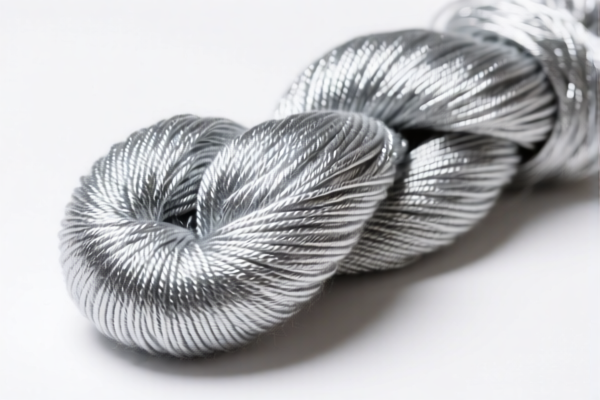
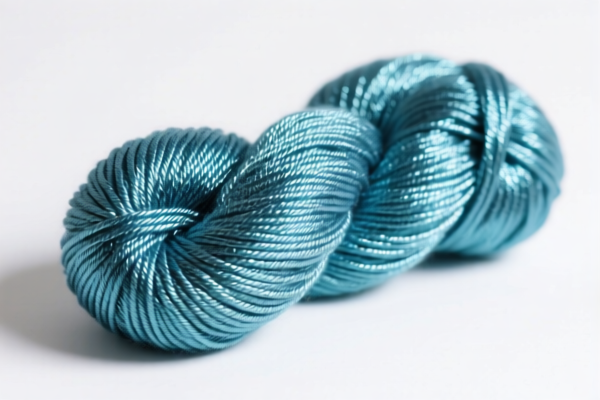
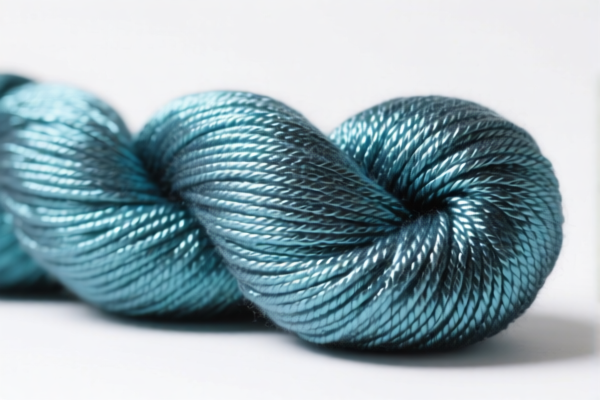
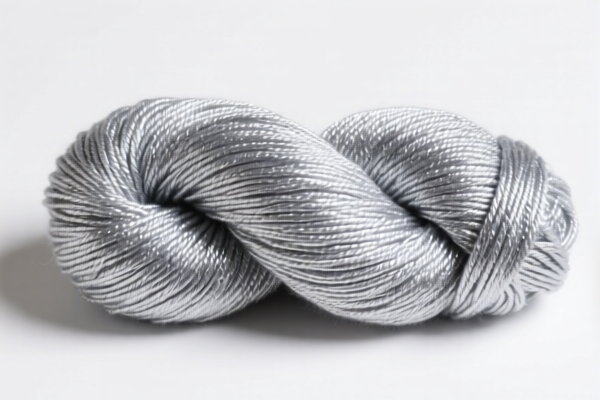
AI Analysis
🧵 Coated Textile Tape with Plant Fibers (植物纤维纺织带)
🌐 HS Code Reference & Customs Clearance Guide | 2026 Latest Tariff Analysis | Professional Clearance Strategy
📌 1. Product Definition & Classification: Do You Understand "Plant Fiber Textile Tape"?
Coated textile tapes made from plant fibers are versatile materials used in packaging, garment construction, industrial reinforcement, and decorative applications. In international trade, the classification depends heavily on two factors: 1. The Form: Is it a "woven fabric" (general textile) or a "narrow woven fabric" (tape/braid)? 2. The Material: Is it pure plant fiber (jute, hemp, sisal, etc.) or blended with other textiles?
⚠️ Key Distinction Point:
- If the product fits the definition of Narrow Woven Fabrics (width ≤ 30cm, with bound edges or heat-processed edges), it generally falls under Chapter 58.
- If it is treated as a General Woven Fabric or derivative form of plant fiber textile, it may fall under Chapter 53.
- If it is a finished article not elsewhere specified, it may fall under Chapter 63.
📦 2. HS Code Classification Details (2026 Latest Tariff Authority Comparison)
| HS Code | Product Description | Applicable Scenario | Classification Logic |
|---|---|---|---|
5311.00.40.20 |
Textile products of other vegetable textile fibers, in the form of woven fabrics derived from plant fibers | General plant fiber textiles, non-narrow forms | ✅ Form: Woven fabric derivative; Material: Other vegetable fibers |
5311.00.40.10 |
Textile products of other vegetable textile fibers, classified as fabric范畴 (fabric category) | Plant fiber textiles with material logic consistent with fabric classification | ✅ Form: Fabric范畴; Material: Plant fiber logic |
5806.39.20.00 |
Narrow woven fabrics, made of plant fibers other than cotton | Industrial tapes, binding tapes, decorative ribbons | ✅ Form: Narrow woven fabric; Material: Non-cotton plant fiber |
5806.39.30.80 |
Narrow woven fabrics, made of other textile materials, featuring narrow fabric characteristics | Mixed material tapes or other plant-based tapes with narrow form | ✅ Form: Narrow woven fabric; Material: Other textile materials |
6307.90.98.91 |
Other made-up textile articles, belonging to finished goods category | Finished plant fiber tape articles not specified elsewhere | ✅ Form: Made-up article; Material: No conflict |
🔍 Critical Reminder:
- Narrow Woven Fabrics (Chapter 58) are the most common classification for "tapes." If the tape has selvages and a width under 30cm, prefer5806.x.x.
- General Woven Fabrics (Chapter 53) apply if the tape is broad or lacks the specific "narrow weave" structure.
- Made-up Articles (Chapter 63) apply if the tape is cut into specific finished shapes not described in Chapters 50-60.
💰 3. 2026 Latest Tariff Rate Breakdown (Including Surtaxes & Policy Add-ons)
✅ Applicable Country: United States (US)
✅ Origin: China (CN)
✅ Effective Date: 2025 November 10 onwards (including subsequent imports)
🎯 1. 5311.00.40.20 & 5311.00.40.10 —— Plant Fiber Textile Products (General Woven Form)
| Item | Content |
|---|---|
| Basic Tariff | 0% (ad valorem) |
| Section 301 Surcharge | +25% (Under US Trade Act Section 301) |
| Section 122 Tariff | +10% (Specific tariff clause for certain textiles/plant fibers) |
| Total Rate | 35.0% |
| Tax Calculation | CIF Value × 35% |
| De Minimis Exemption | ❌ Not Eligible (deny_de_minimis) |
| Legal Basis Path | Section 301 → Section 122 → USITC:5311.00.40.10/20 |
📌 Explanation:
- These codes fall under vegetable fiber textiles.
- The 25% is the standard Section 301 tariff on Chinese goods.
- The 10% is an additional surcharge under Section 122, specifically targeting certain plant fiber products.
- Total 35% is high for raw textiles, impacting cost significantly.
🎯 2. 5806.39.20.00 —— Narrow Woven Fabrics (Non-Cotton Plant Fibers)
| Item | Content |
|---|---|
| Basic Tariff | 4.9% |
| Section 301 Surcharge | +25% |
| Section 122 Tariff | +10% |
| Total Rate | 39.9% |
| Tax Calculation | CIF Value × 39.9% |
| De Minimis Exemption | ❌ Not Eligible (deny_de_minimis) |
| Legal Basis Path | Section 301 → Section 122 → USITC:5806.39.20.00 |
📌 Note:
- Narrow woven fabrics often have a basic tariff (4.9%) compared to 0% for some general weaves.
- Combined with 25% + 10%, this becomes the highest tax bracket (39.9%) for this product.
- Ensure the tape is truly "narrow" (<30cm) and has proper selvages to justify Chapter 58.
🎯 3. 5806.39.30.80 —— Narrow Woven Fabrics (Other Textile Materials)
| Item | Content |
|---|---|
| Basic Tariff | 0% |
| Section 301 Surcharge | +25% |
| Section 122 Tariff | +10% |
| Total Rate | 35.0% |
| Tax Calculation | CIF Value × 35.0% |
| De Minimis Exemption | ❌ Not Eligible (deny_de_minimis) |
| Legal Basis Path | Section 301 → Section 122 → USITC:5806.39.30.80 |
📌 Note:
- If the tape is classified as "other textile materials" (e.g., blended with synthetic fibers but still under plant fiber logic for certain rules), the basic tariff is 0%.
- Total 35%, same as Chapter 53 codes.
- Critical to define the material composition accurately to avoid misclassification penalties.
🎯 4. 6307.90.98.91 —— Other Made-Up Textile Articles
| Item | Content |
|---|---|
| Basic Tariff | 7.0% |
| Section 301 Surcharge | +7.5% (Reduced Surtax for this subcategory) |
| Section 122 Tariff | +10% |
| Total Rate | 24.5% |
| Tax Calculation | CIF Value × 24.5% |
| De Minimis Exemption | ❌ Not Eligible (deny_de_minimis) |
| Legal Basis Path | Section 301 → Section 122 → USITC:6307.90.98.91 |
📌 Advantage:
- This code offers the lowest total tariff (24.5%) among all options.
- The Section 301 surcharge is only +7.5% instead of 25%.
- Strategy: If the product can be classified as a "made-up article" (e.g., cut into specific lengths, sewn into bags, or used as a finished trim) rather than raw "fabric" or "narrow weave," this code is highly recommended for cost savings.
🛠️ 4. Customs Clearance Practical Advice (Battle-Tested Pitfall Guide)
✅ 1. Document Checklist (Missing Items Cause Delays)
| Document | Required | Description |
|---|---|---|
| ✅ Product Specification Sheet | ✔️ | Must detail width, composition (e.g., 100% Jute, or 50% Jute/50% Cotton), coating type, and end-use. |
| ✅ Product Photos | ✔️ | Clear images showing edges (selvage vs. cut), coating texture, and any packaging. |
| ✅ Commercial Invoice | ✔️ | Clearly state "Coated Textile Tape" and specify "Plant Fiber" origin. Avoid vague terms like "Ribbon." |
| ✅ Packing List | ✔️ | List net/gross weight and dimensions. |
| ✅ Certificate of Origin | ✔️ | To prove Chinese origin (triggering the surcharges) or to claim FTZ benefits if applicable. |
| ✅ HS Code Ruling (Optional but Recommended) | ✔️ | Pre-approval from CBP to confirm if it’s Chapter 53, 58, or 63. |
✅ 2. Declaration Strategy (Key Mantras)
🔥 “Narrow Width? Go to Ch.58. Broad Fabric? Ch.53. Finished Article? Ch.63 Saves Money!”
| Situation | Correct Declaration | Incorrect Practice |
|---|---|---|
| Tape < 30cm with bound edges | 5806.39.20.00 (39.9%) or 5806.39.30.80 (35.0%) |
Mistaking for general fabric → Risk of misclassification |
| Tape > 30cm or loose weave | 5311.00.40.10 or 5311.00.40.20 (35.0%) |
Mistaking for narrow fabric |
| Cut-to-size, sewn, or specific trim | 6307.90.98.91 (24.5%) |
Over-declaring as fabric when it’s a made-up article |
📌 Critical Tip:
- If you can argue the product is a "made-up article" (e.g., sold as specific lengths for a machine, or with finished edges that make it a "product" rather than "fabric"), aim for 6307.90.98.91.
- Savings: 24.5% vs 35-39.9% = Up to 15% cost reduction.
✅ 3. Special Cases & Handling
| Situation | Handling Advice |
|---|---|
| Blended Fibers | If mixed with cotton, it may no longer be "plant fiber other than cotton." Re-evaluate Chapter 58 vs 52. |
| Coating Material | If the coating is rubber or plastic, it might move to Chapter 39 or 40. Ensure it remains "textile" primary. |
| OEM Custom Tapes | Provide design specs to prove it’s a specific "article" rather than generic fabric. |
| De Minimis (Section 321) | ❌ Not Eligible. All these codes have deny_de_minimis status. Do not use USPS/UPS small packages to avoid taxes. |
🌍 5. Global Market Comparison (2026 Latest)
| Country/Region | Recommended HS Code | Tariff Rate | Notes |
|---|---|---|---|
| 🇺🇸 USA | 6307.90.98.91 |
24.5% | Best for made-up articles. 5806 up to 39.9%. |
| 🇺🇸 USA | 5806.39.20.00 |
39.9% | Highest rate for narrow woven non-cotton plant fibers. |
| 🇨🇳 China | 5311.00.40.20 |
10-13% | Export to China benefits from lower import duties (but this is US import scenario). |
| 🇪🇺 EU | 5806.32 |
Varies | EU has different surtaxes. Check EBA/GSP status. |
📌 Conclusion:
- USA is the most challenging market due to Section 301 (25%) + Section 122 (10%)叠加.
- Optimization Key: Try to classify under 6307.90.98.91 to reduce the Section 301 rate from 25% to 7.5%.
- Avoid: Misclassifying narrow fabrics as general fabrics or vice versa, which leads to audits and penalties.
📌 6. Common Errors & Pitfalls (Lessons Learned)
❌ Error 1: Declaring narrow tapes as "General Fabric" (5311) when they meet narrow weave criteria.
👉 Consequence: Potential duty difference (35% vs 39.9%), but more importantly, misclassification penalties.
❌ Error 2: Ignoring Section 122 Tariff.
👉 Consequence: Underpaying by 10%. CBP will assess back duties + interest + penalties.
❌ Error 3: Trying to use De Minimis (under $800) for these goods.
👉 Consequence: Shipment seized. All listed codes are excluded from de minimis relief for Chinese origin.
❌ Error 4: Vague Description "Plant Fiber Tape".
👉 Consequence: CBP requests detailed info, delaying clearance by weeks.
✅ Correct Description:
"Woven Tape, Width 5cm, 100% Sisal (Plant Fiber), Heat-Sealed Edges, Used for Packaging. HS 6307.90.98.91"
🎯 7. Conclusion: Precision Classification Saves Money!
🎯 Remember the Mantra:
🔹 "Narrow = Ch.58 (35-40%). Broad = Ch.53 (35%). Made-Up = Ch.63 (24.5%)."
🔹 "Section 122 adds 10%. Section 301 adds 25% (or 7.5% for Ch.63)."
🔹 "No De Minimis. No Shortcuts."
📌 Pro Tip:
If your product is a finished trim or specialized industrial tape, argue for 6307.90.98.91. The 15.4% savings (39.9% → 24.5%) is significant.
Consult a customs broker to file an Advance Ruling before shipping to secure the lower rate.
📣 Immediate Action:
📞 Contact a licensed customs broker
📤 Provide detailed product specs & photos
🚀 Optimize HS Code to 6307.90.98.91 where possible!
💼 Your profit margin depends on this 15% difference!
✨ Professional Clearance Starts with Accurate Classification!
💼 Every percent counts in cross-border trade!
Customer Reviews
About HS Code Classification
The Harmonized System (HS) is an internationally standardized nomenclature developed by the World Customs Organization (WCO) to classify traded products. Over 200 countries use the HS system as the basis for customs tariffs, trade statistics, and import/export regulations.
Each HS code follows a hierarchical structure:
- Chapter (2 digits) — Broad category of goods (e.g., Chapter 84: Machinery and Mechanical Appliances)
- Heading (4 digits) — More specific grouping within the chapter
- Subheading (6 digits) — Internationally standardized breakdown, used by all WCO member countries
- National subdivisions (8-10 digits) — Country-specific extensions for further classification, such as US HTSUS 10-digit codes
Correct HS code classification is essential for smooth customs clearance, accurate duty payment, and compliance with trade regulations. Misclassification can lead to customs delays, overpayment of duties, or penalties.
When importing from CN to US, the applicable tariff rates may include:
- Most-Favored-Nation (MFN) rate — The standard duty rate applied to WTO members
- General rate — Applied to countries without trade agreements
- Trade remedy duties — Additional tariffs such as Section 301 (anti-dumping), Section 232 (national security), or countervailing duties
The information provided on this page is for reference purposes only. For official classification, please consult with your local customs authority or a licensed customs broker.