Coated/Laminated Fabric (Non rubber/Plastic/Paper/Glass Fiber)
CN → US| HS Code | Tariff Rate | Origin | Destination | Doc |
|---|---|---|---|---|
| 5907001500 | 43.0% | CN | US | Official Doc |
| 5907003500 | 43.0% | CN | US | Official Doc |
| 3921901950 | 40.3% | CN | US | Official Doc |
| 4811908050 | 35.0% | CN | US | Official Doc |
Product Images
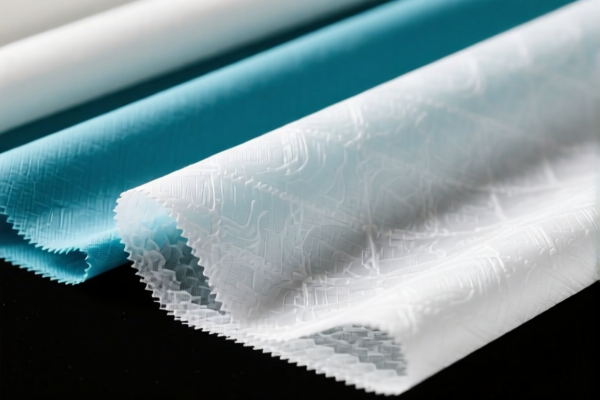
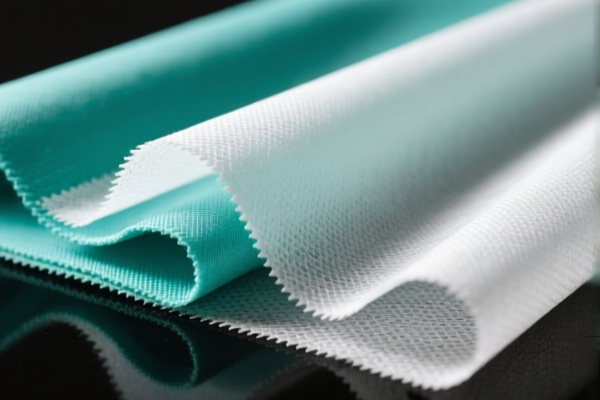
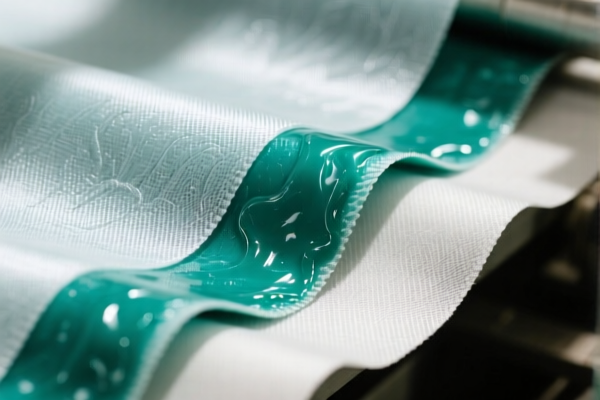
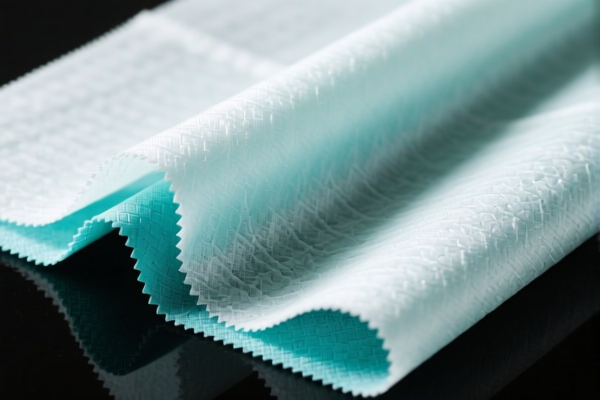
AI Analysis
🧵 Coated/Laminated Fabric (Non-Rubber/Plastic/Paper/Glass Fiber)
🌐 HS Code Reference & Customs Clearance Guide | 2026 Latest Tariff Analysis | Professional Clearance Strategy
📌 I. Product Definition & Classification: Do You Really Understand "Coated Fabric"?
Coated or laminated fabrics are versatile industrial and consumer materials where a base fabric is treated with a layer to enhance durability, water resistance, or aesthetic appeal. In international trade, classification depends heavily on the base material and the exclusion of specific substances (rubber, plastic, paper, glass fiber).
Based on the provided data, the product falls into three main categories depending on whether the base is synthetic/other fibers, plastic-backed, or paper-backed.
⚠️ Key Distinction Points:
- Non-Rubber/Plastic/Paper/Glass Fiber: If the base is textile (synthetic or natural) and the coating is not rubber, plastic, paper, or glass fiber → Refer to 5907.00.
- Plastic-Backed: If the product effectively behaves as a plastic sheet/film with a fabric backing that is submerged/coated → Refer to 3921.90.
- Paper-Backed: If the base is paper and it is coated/impregnated → Refer to 4811.90.
📦 II. HS Code Classification Details (2026 Latest Tariff Authority Comparison)
| HS Code | Product Description | Applicable Scenario | Base Material Exclusion Logic |
|---|---|---|---|
5907.00.15.00 |
Coated/Laminated Fabric (Non-rubber/Plastic/Paper/Glass Fiber); Material belongs to synthetic or other fibers. | Textile fabrics coated with non-rubber/plastic substances (e.g., specialized chemicals, textiles for industrial use). | ✅ Fits "Other Fibers" category; excludes rubber/plastic/paper/glass fiber. |
5907.00.35.00 |
Coated/Laminated Fabric (Non-rubber/Plastic/Paper/Glass Fiber); Matches material form; excludes specific materials, falls under "Other". | Generic coated textiles that don't fit specific sub-categories; relies on the "Other"兜底 (catch-all) logic. | ✅ Excludes rubber/plastic/paper/glass fiber; fits "Other" category. |
3921.90.19.50 |
Coated/Laminated Product; Matches plate/sheet/film/foil form; includes plastic material, fits "Plastic-made" requirement. | Products where plastic is the primary constituent or the coating dominates, forming a plastic sheet/film. | ⚠️ Conflict Check: Must ensure it doesn't primarily classify as textile under 5907. If it's a "plastic sheet with fabric reinforcement," it may go here. |
4811.90.80.50 |
Coated/Impregnated Paper Product; Explicitly contains paper material; fits coated/impregnated paper definition. | Paper-based products that are coated, printed, or impregnated (e.g., coated kraft paper, wallpaper base). | ✅ Explicitly includes paper; no material conflict with "paper" exclusion in 5907. |
🔍 Key Reminder:
- If the base is textile and the coating is not rubber/plastic/paper/glass fiber, 5907.00 is the primary choice.
- If the product is essentially a plastic sheet (even if with fabric backing), it may shift to 3921.90.
- If the base is paper, it must go to 4811.90, regardless of coating type.
💰 III. 2026 Latest Tariff Rate Details (Including Surcharges & Policy Add-ons)
✅ Applicable Country: United States (US)
✅ Origin: China (CN)
✅ Effective Time: From November 10, 2025 (including subsequent imports)
🎯 1. 5907.00.15.00 & 5907.00.35.00 —— Coated/Laminated Fabric (Textile Base)
| Item | Detail |
|---|---|
| Basic Tariff | 8.0% (ad valorem) |
| Section 301 Surcharge | +25.0% |
| Section 122 Surcharge | +10.0% |
| Total Tariff Rate | 43.0% |
| Tax Calculation | CIF Value × 43% |
| De Minimis Exemption | ❌ Not Eligible (deny_de_minimis) |
| Legal Basis Path | Section 301: 8.0% → Section 301: 25.0% → Section 122: 10.0% → Total: 43.0% |
📌 Explanation:
- The 8% Basic Tariff is the standard MFN rate for coated textiles.
- The 25% Surcharge comes from the Section 301 tariffs on Chinese goods.
- The 10% Surcharge comes from Section 122 (specifically targeting certain Chinese imports, often related to trade remedy or national security measures).
- Total 43% is a very high tariff, requiring precise classification to avoid misdeclaration.
🎯 2. 3921.90.19.50 —— Coated/Laminated Plastic Product
| Item | Detail |
|---|---|
| Basic Tariff | 5.3% (ad valorem) |
| Section 301 Surcharge | +25.0% |
| Section 122 Surcharge | +10.0% |
| Total Tariff Rate | 40.3% |
| Tax Calculation | CIF Value × 40.3% |
| De Minimis Exemption | ❌ Not Eligible (deny_de_minimis) |
| Legal Basis Path | Section 301: 5.3% → Section 301: 25.0% → Section 122: 10.0% → Total: 40.3% |
📌 Note:
- Although the basic tariff is lower (5.3% vs. 8%), the total is still 40.3%.
- This code is applicable only if the product is classified as plastic-made (e.g., a plastic sheet with fabric reinforcement).
- Misclassifying a textile product as plastic here could lead to compliance issues if the dominant characteristic is textile.
🎯 3. 4811.90.80.50 —— Coated/Laminated Paper Product
| Item | Detail |
|---|---|
| Basic Tariff | 0.0% (ad valorem) |
| Section 301 Surcharge | +25.0% |
| Section 122 Surcharge | +10.0% |
| Total Tariff Rate | 35.0% |
| Tax Calculation | CIF Value × 35.0% |
| De Minimis Exemption | ❌ Not Eligible (deny_de_minimis) |
| Legal Basis Path | Section 301: 0.0% → Section 301: 25.0% → Section 122: 10.0% → Total: 35.0% |
📌 Important:
- This has the lowest total tariff (35%) among the options.
- However, it is strictly limited to paper-based products.
- If your product is textile-based, you cannot use this code, even if the tax is lower. Misclassification is a serious offense.
🛠️ IV. Customs Clearance Practical Advice (Battle-Tested Pitfall Avoidance)
✅ 1. Required Documentation Checklist (Missing Items Lead to Delays)
| Document | Mandatory | Notes |
|---|---|---|
| ✅ Product Specification Sheet | ✔️ | Must clearly state base material (fabric/paper/plastic) and coating type. |
| ✅ Material Composition Breakdown | ✔️ | Percentage of base vs. coating. Critical for distinguishing between 5907, 3921, and 4811. |
| ✅ Product Photos (Including Labels) | ✔️ | Show texture, flexibility, and any branding/specs. |
| ✅ Third-Party Test Report | ✔️ | Chemical composition of coating (to confirm it's NOT rubber/plastic if claiming 5907). |
| ✅ Commercial Invoice | ✔️ | Description must match HS code (e.g., "Coated Polyester Fabric" vs. "Plastic Sheet"). |
| ✅ Packing List | ✔️ | Weight and dimensions per package. |
| ✅ Certificate of Origin (CO) | ✔️ | Required for tariff calculation and origin verification. |
✅ 2. Declaration Tips (Key Mantras)
🔥 "Material First, Coating Second; Don't Mix Textile with Plastic!"
| Scenario | Correct Declaration | Wrong Practice |
|---|---|---|
| Textile Base + Non-Rubber/Plastic Coating | 5907.00.15.00 or 5907.00.35.00 |
Misclassifying as 3921 → Audit risk |
| Plastic Sheet with Fabric Reinforcement | 3921.90.19.50 |
Misclassifying as 5907 → Lower tax but wrong |
| Paper Base + Coating | 4811.90.80.50 |
Misclassifying as 5907 → Higher tax + error |
| Mixed Materials (Ambiguous) | Provide Test Reports | Guessing HS Code → Delays & Penalties |
✅ 3. Special Case Handling
| Situation | Recommendation |
|---|---|
| OEM Custom Coating | Provide customer specs + chemical analysis of coating to prove it's not rubber/plastic. |
| Multi-Layer Products | Determine the "essential character" (e.g., is the plastic layer dominant? If yes, 3921). |
| Sample Submission | If in doubt, submit a sample for Pre-Ruling (Advance Ruling) to CBP before mass shipment. |
| Origin Shifts | If base material is from Vietnam/Mexico, tariffs may be lower. Verify Rules of Origin. |
🌍 V. Global Market Clearance Comparison (2026 Latest)
| Country/Region | Recommended HS Code | Tariff (China Origin) | Certification Requirements | Notes |
|---|---|---|---|---|
| 🇺🇸 USA | 5907.00.15.00 / 5907.00.35.00 |
43.0% | None specific | High tariff due to Section 301 + 122. |
| 🇺🇸 USA | 3921.90.19.50 |
40.3% | None specific | Lower if classified as plastic, but risky for textiles. |
| 🇺🇸 USA | 4811.90.80.50 |
35.0% | None specific | Only for paper products. |
| 🇪🇺 EU | 5911.xxxx |
~0-15% | REACH, RoHS | No Section 301/122 surcharges. |
| 🇨🇳 China | 5907.xxxx |
~8-15% | CCC (if applicable) | Lower export tariff but focus is on import. |
📌 Conclusion:
- USA is the most challenging market due to high surcharges (35-43%).
- Classification accuracy is critical: A small mistake can change the tax by 8% (e.g., 35% vs. 43%).
- Paper-based products enjoy the lowest tariff (35%) but are strictly limited to paper.
📌 VI. Common Mistakes & Pitfall Guide (Blood-Tears Lessons)
❌ Mistake 1: Classifying a textile-based coated fabric as 4811.90.80.50 (Paper) to save tax.
👉 Consequence: Customs audit → Fine + Back Taxes + Potential blacklist.
❌ Mistake 2: Classifying a plastic-coated textile as 5907.00.15.00 to avoid Section 301.
👉 Consequence: If the plastic layer is dominant, it should be 3921. Misclassification leads to penalties.
❌ Mistake 3: Ignoring Section 122 (10% surcharge).
👉 Consequence: Underpayment of 10% on all coated fabrics from China. This is mandatory.
❌ Mistake 4: Using vague descriptions like "Coated Material."
👉 Consequence: CBP rejects declaration → Shipment held → Storage fees.
✅ Correct Practice:
"Coated Polyester Fabric, Water-Resistant, Non-Rubber Coating, Model XYZ, Material: 100% Polyester Base, Chemical Coating."
🎯 VII. Conclusion: Precision Classification Saves Money!
🎯 Remember the Mantra:
🔹 "Textile Base? Go 5907 (43%). Plastic Base? Go 3921 (40.3%). Paper Base? Go 4811 (35%). Don't Guess!"
🔹 "Section 122 + Section 301 = 35-43% Tax. Be Ready!"
📌 Pro Tip:
If your product is ambiguous (e.g., fabric with thin plastic coating), consider applying for an Advance Ruling from CBP. It costs time but saves massive compliance risks.
📣 Immediate Action:
📞 Contact your customs broker + Provide Material Composition Report + Apply for HS Code Pre-Ruling
🚀 Let your coated fabrics clear customs smoothly, efficiently, and profitably!
✨ Professional clearance starts with precise classification!
💼 Every cent of tax is worth calculating precisely!
Customer Reviews
About HS Code Classification
The Harmonized System (HS) is an internationally standardized nomenclature developed by the World Customs Organization (WCO) to classify traded products. Over 200 countries use the HS system as the basis for customs tariffs, trade statistics, and import/export regulations.
Each HS code follows a hierarchical structure:
- Chapter (2 digits) — Broad category of goods (e.g., Chapter 84: Machinery and Mechanical Appliances)
- Heading (4 digits) — More specific grouping within the chapter
- Subheading (6 digits) — Internationally standardized breakdown, used by all WCO member countries
- National subdivisions (8-10 digits) — Country-specific extensions for further classification, such as US HTSUS 10-digit codes
Correct HS code classification is essential for smooth customs clearance, accurate duty payment, and compliance with trade regulations. Misclassification can lead to customs delays, overpayment of duties, or penalties.
When importing from CN to US, the applicable tariff rates may include:
- Most-Favored-Nation (MFN) rate — The standard duty rate applied to WTO members
- General rate — Applied to countries without trade agreements
- Trade remedy duties — Additional tariffs such as Section 301 (anti-dumping), Section 232 (national security), or countervailing duties
The information provided on this page is for reference purposes only. For official classification, please consult with your local customs authority or a licensed customs broker.