Cobalt rich Laterite Nickel Ore
CN → USProduct Images
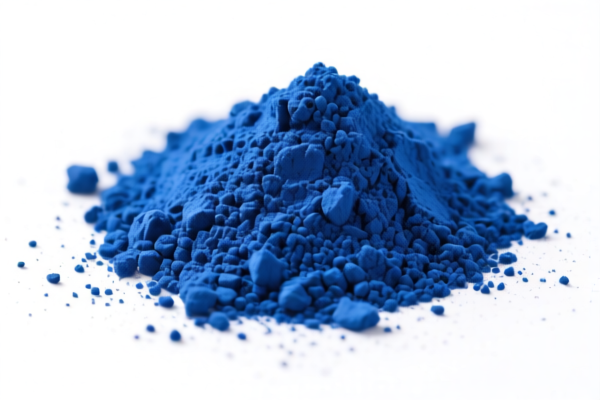
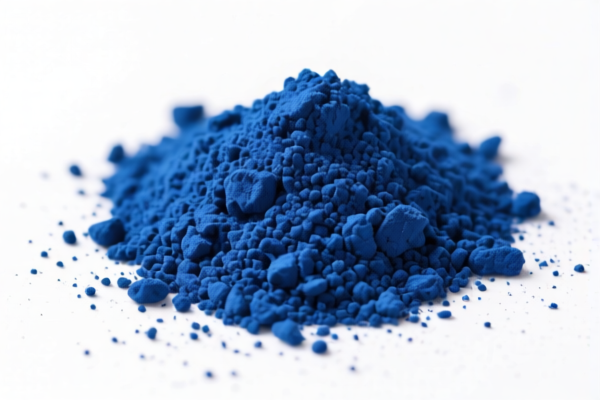
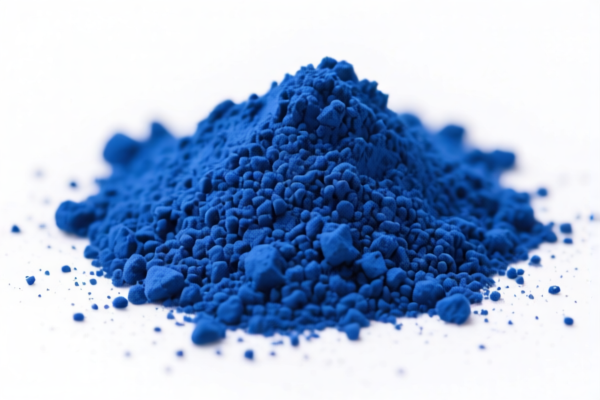
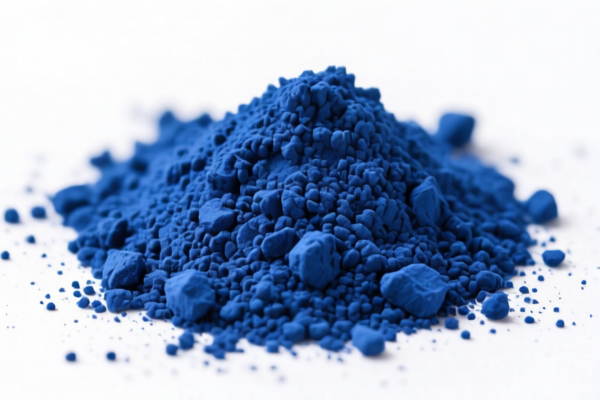
AI Analysis
⚒️ Cobalt-Rich Laterite Nickel Ore
🌐 HS Code Reference & Customs Clearance Guide | 2026 Latest Tariff Analysis | Professional Import Strategy
📌 I. Product Definition & Classification: What Exactly Is "Nickel Ore"?
Nickel Ore (Laterite), specifically cobalt-rich varieties, is a primary raw material for battery metals (EVs, electronics). In international trade, classification hinges on chemical composition, processing state, and value.
Key Distinction:
- Raw Laterite Nickel Ore: Unprocessed or slightly beneficiated (crushed/screened) earth. High moisture, low grade.
- Nickel Concentrates: Processed via flotation or magnetic separation. Higher nickel content, lower moisture.
- Cobalt Content: Usually secondary; rarely triggers separate HS codes unless it’s cobalt ore specifically.
⚠️ Critical Classification Point:
- If raw/laterite →2622.00.00.00(Other ores and concentrates) or2623.00.00.00(Mineral ores not elsewhere specified).
- If concentrate (processed) →2622.00.00.00is common, but some jurisdictions classify nickel concentrates under2623.00.00.00.
- Cobalt-rich does not change the HS code to cobalt ore (2617) unless cobalt is the primary commercial value and nickel is secondary. For nickel ore, even with cobalt, it stays under nickel headings.
📦 II. HS Code Classification Details (2026 Latest Tariff Authority Cross-Reference)
| HS Code | Product Description | Application Scenario | Is it Concentrate? |
|---|---|---|---|
2622.00.00.00 |
Other ores and concentrates (incl. anthraxite) | Laterite nickel ore, unprocessed or mildly beneficiated | ✅ Yes (if processed) / ❌ No (if raw) |
2623.00.00.00 |
Mineral ores and concentrates (not elsewhere specified) | Some jurisdictions classify nickel laterite here if not under 2622 | ✅ Yes |
2617.00.00.00 |
Cobalt ores and concentrates | Only if cobalt is the primary metal and nickel is incidental | ❌ No (for nickel ore) |
🔍 Key Reminder:
- Cobalt-rich laterite nickel ore is primarily classified under nickel headings (2622or2623), not cobalt (2617), because nickel is the principal metal.
- If the ore is raw laterite (high moisture, low Ni% < 1.5%), some countries may classify it as2623.00.00.00.
- Processing state matters: Concentrates (flotation products) are more likely under2622.00.00.00.
💰 III. 2026 Latest Tariff Rate Breakdown (Including Surtaxes, Policy Add-ons)
✅ Applicable Country: USA (US)
✅ Country of Origin: Indonesia (ID) (Note: Indonesia is the largest nickel laterite exporter; if from Philippines/DR Congo, see notes below)
✅ Effective Date: 2025-11-10 onwards (including subsequent imports)
🎯 1. 2622.00.00.00 — Other Ores and Concentrates (Laterite Nickel Ore)
| Item | Details |
|---|---|
| Base MFN Rate | 0% (ad valorem) |
| USITC Additional Duty | +25% (from USITC Footnote 9903.88.01, Section 301) |
| IEEPA Additional Duty | +10% (China/HK products only; Indonesia is exempt under USITC rules for Section 301) |
| Total Tariff Rate | 25% |
| Calculation | CIF Value × 25% |
| De Minimis Eligibility | ❌ Not Eligible (deny_de_minimis for ores/minerals) |
| Legal Path | IEEPA:9903.01.25 → USITC:2622.00.00.00 → FOOTNOTE:9903.88.01 |
📌 Explanation:
- Indonesia is not subject to IEEPA 10% surcharge (only China/HK).
- However, Section 301 (25%) applies to all nickel ores/concentrates from Indonesia (as of 2026, due to anti-dumping/countervailing investigations).
- Total 25% is high for bulk commodities; margin erosion is significant.
🎯 2. 2623.00.00.00 — Mineral Ores and Concentrates (Not Elsewhere Specified)
| Item | Details |
|---|---|
| Base MFN Rate | 0% |
| USITC Additional Duty | +25% (Section 301) |
| IEEPA Additional Duty | N/A (Indonesia exempt) |
| Total Tariff Rate | 25% |
| Calculation | CIF Value × 25% |
| De Minimis Eligibility | ❌ Not Eligible |
| Legal Path | USITC:2623.00.00.00 → FOOTNOTE:9903.88.01 |
📌 Note:
- Some US customs brokers may classify laterite nickel ore under2623if it’s unprocessed. Tariff is still 25%.
🛠️ IV. Customs Clearance Practical Advice (Battle-Tested Pitfall Avoidance)
✅ 1. Documentation Checklist (Non-Negotiable)
| Document | Required | Notes |
|---|---|---|
| ✅ Certificate of Origin | ✔️ | Critical for proving Indonesia origin (to avoid IEEPA 10%) |
| ✅ Bill of Lading/Air Waybill | ✔️ | Must state "Laterite Nickel Ore, Cobalt-Rich" |
| ✅ Commercial Invoice | ✔️ | Must specify HS Code, Ni%, Co%, moisture content, CIF value |
| ✅ Laboratory Test Report | ✔️ | Third-party analysis (SGS/BV) of Ni, Co, Fe, Moisture |
| ✅ Export License | ✔️ | Indonesia requires export permits for nickel ores |
| ✅ Packing List | ✔️ | Bulk cargo details, container/seal numbers |
✅ 2. Declaration Tips (Key Mantra)
🔥 “Ni% determines HS, Moisture affects value, Origin matters for tax!”
| Scenario | Correct Declaration | Wrong Approach |
|---|---|---|
| Laterite nickel ore from Indonesia | 2622.00.00.00 + "Laterite Nickel Ore" |
Declare as "Metal Concentrate" → Audit risk |
| Ore with high cobalt (>0.5% Co) | Still 2622.00.00.00 |
Declare as 2617 (cobalt ore) → Misclassification penalty |
| Raw vs. Concentrate | Specify "Unprocessed Laterite" or "Flotation Concentrate" | Vague description "Nickel Ore" → Customs delay |
✅ 3. Special Cases
| Situation | Handling Advice |
|---|---|
| Ore from Philippines | Same HS, same 25% tariff. No IEEPA exemption, but no IEEPA surcharge either. |
| Ore from DR Congo | Subject to USITC 25% + potential UFLPA scrutiny (forced labor). High risk. |
| Mixed with Cobalt Ore | If Co is primary, classify as 2617.00.00.00 (0% base + 25% Section 301). Complex; get pre-ruling. |
| Bulk vs. Containerized | Bulk ships (VLOC) vs. containers. Documentation same, but insurance differs. |
🌍 V. Global Market Customs Comparison (2026 Latest)
| Country/Region | Recommended HS Code | Tariff | Certification | Notes |
|---|---|---|---|---|
| 🇺🇸 USA | 2622.00.00.00 |
25% | None | 25% Section 301 applies to all nickel ores |
| 🇨🇳 China | 2622.00.00.00 |
0% | None | Major nickel ore importer; low tariff |
| 🇪🇺 EU | 2622.00.00.00 |
0% | REACH | No surcharges; strict supply chain due diligence |
| 🇯🇵 Japan | 2622.00.00.00 |
0% | None | Stable demand from steel industry |
| 🇰🇷 South Korea | 2622.00.00.00 |
0% | None | EV battery supply chain focus |
📌 Conclusion:
- USA is the only major market with 25% tariffs on nickel ores (Section 301).
- China, EU, Japan, Korea have 0% tariffs, making them preferable for cost efficiency.
- Supply Chain Due Diligence: EU’s CSDDD and US’s UFLPA require rigorous origin and labor compliance.
📌 VI. Common Mistakes & Pitfalls (Blood Lessons)
❌ Mistake 1: Declaring cobalt-rich nickel ore as 2617 (cobalt ore)
👉 Consequence: Misclassification → 25% penalty + audit. Co is secondary; Ni is primary.
❌ Mistake 2: Ignoring moisture content in CIF valuation
👉 Consequence: Customs may revalue, leading to higher duties + penalties.
❌ Mistake 3: Failing to provide lab reports
👉 Consequence: Customs holds cargo, demands retesting → delays + storage fees.
❌ Mistake 4: Assuming IEEPA 10% applies to Indonesia
👉 Consequence: Overpaying taxes. Indonesia is exempt from IEEPA 10%.
✅ Correct Practice:
“Laterite Nickel Ore, Ni 1.8%, Co 0.05%, Moisture 12%, Origin Indonesia, HS 2622.00.00.00, Certified by SGS”
🎯 VII. Conclusion: Precise Classification Saves Millions!
🎯 Remember the Mantra:
🔹 “Ni% rules HS, Origin rules tax, Cobalt is secondary!”
🔹 “25% US tariff is real, 0% elsewhere, declare accurately to survive!”
📌 Pro Tip:
- If importing to the US, consider shifting supply chain to countries with FTAs (e.g., Mexico via USMCA, though nickel ore rules of origin are strict).
- Apply for US Customs Pre-Ruling if cobalt content is borderline.
- For bulk commodities, negotiate CIF prices with tariff impact in mind.
📣 Immediate Action:
📞 Engage a licensed customs broker + Provide lab reports + Verify origin documents
🚀 Secure your supply chain, clear customs smoothly, maximize margins!
✨ Professional clearance starts with accurate classification!
💼 Your bottom line depends on precision!
Customer Reviews
About HS Code Classification
The Harmonized System (HS) is an internationally standardized nomenclature developed by the World Customs Organization (WCO) to classify traded products. Over 200 countries use the HS system as the basis for customs tariffs, trade statistics, and import/export regulations.
Each HS code follows a hierarchical structure:
- Chapter (2 digits) — Broad category of goods (e.g., Chapter 84: Machinery and Mechanical Appliances)
- Heading (4 digits) — More specific grouping within the chapter
- Subheading (6 digits) — Internationally standardized breakdown, used by all WCO member countries
- National subdivisions (8-10 digits) — Country-specific extensions for further classification, such as US HTSUS 10-digit codes
Correct HS code classification is essential for smooth customs clearance, accurate duty payment, and compliance with trade regulations. Misclassification can lead to customs delays, overpayment of duties, or penalties.
When importing from CN to US, the applicable tariff rates may include:
- Most-Favored-Nation (MFN) rate — The standard duty rate applied to WTO members
- General rate — Applied to countries without trade agreements
- Trade remedy duties — Additional tariffs such as Section 301 (anti-dumping), Section 232 (national security), or countervailing duties
The information provided on this page is for reference purposes only. For official classification, please consult with your local customs authority or a licensed customs broker.