Cocktail Glass Accessories
CN → US| HS Code | Tariff Rate | Origin | Destination | Doc |
|---|---|---|---|---|
| 7013994001 | 48.0% | CN | US | Official Doc |
| 6911900050 | 22.9% | CN | US | Official Doc |
| 6911900010 | 22.9% | CN | US | Official Doc |
| 3924104000 | 13.4% | CN | US | Official Doc |
| 3924102000 | 24.0% | CN | US | Official Doc |
Product Images
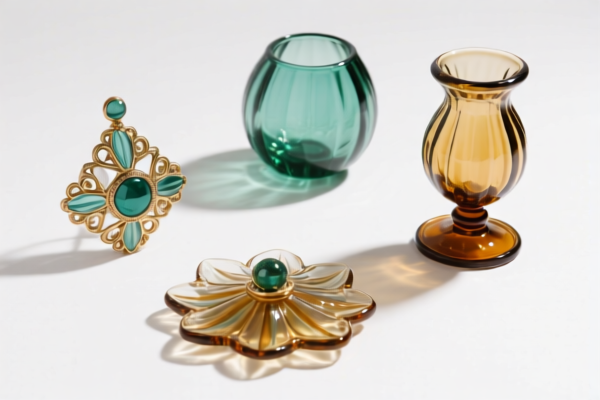
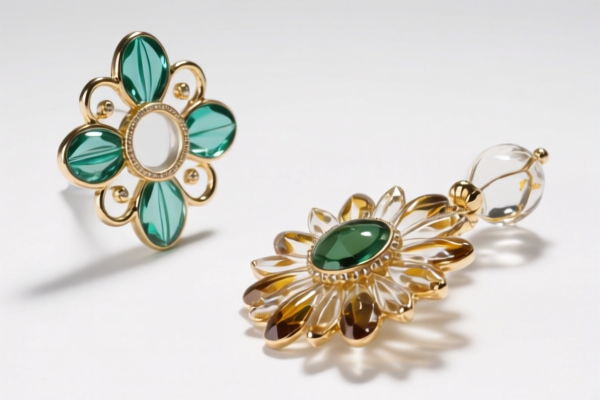
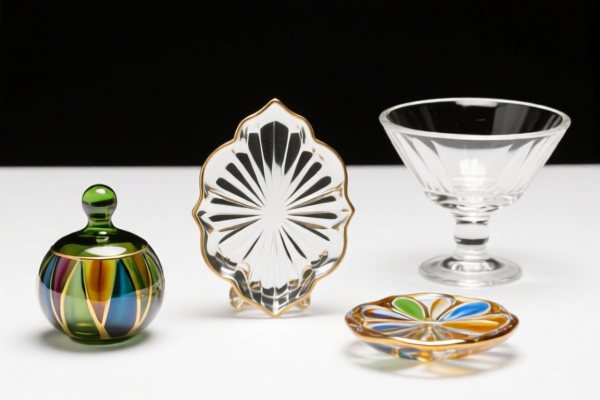
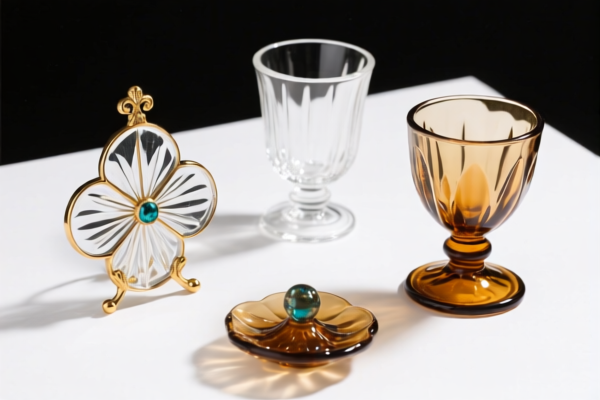
AI Analysis
🍸 Cocktail Glass Accessories
🌐 HS Code Reference & Customs Clearance Guide | 2026 Latest Tariff Analysis | Professional Clearance Strategy
📌 I. Product Definition & Classification: Do You Really Understand "Cocktail Glass Accessories"?
Cocktail glass accessories refer to components, parts, or attachments designed specifically for cocktail glasses, tumblers, or similar drinkware. In international trade, these items are not classified as "glassware" or "ceramics" in their entirety but rather as accessories/parts.
The critical challenge in classification lies in Material Identification. Since the product name "Accessories" is generic, the HS Code depends heavily on the inferred material based on common sense and specific product attributes: * Glass Accessories: Coasters, stirrers, lids, or decorative elements made of glass. * Ceramic Accessories: Coasters, bases, or decorative elements made of porcelain/ceramic. * Plastic Accessories: Silicone tips, plastic straws, lids, or protective sleeves.
⚠️ Key Distinction Point:
- If the accessory is made of Glass → It falls under Chapter 70 (Glassware).
- If the accessory is made of Ceramic → It falls under Chapter 69 (Ceramic Products).
- If the accessory is made of Plastic → It falls under Chapter 39 (Plastics and Articles Thereof).
- No Material Specified? Customs may apply a "best inference" based on the primary use (drinkware), leading to multiple potential codes with varying tax liabilities.
📦 II. HS Code Classification Details (Based on Provided Data)
| HS Code | Product Description | Inferred Material | Classification Logic |
|---|---|---|---|
7013.99.40.01 |
Other Glassware; Glass Accessories | Glass | Based on "Cocktail" use, glass is the default material. Matches "Other glass products" category. |
6911.90.00.50 |
Other Ceramic Tableware/Cookware; Parts | Ceramic | "Cup use" implies ceramic. Classified as "Other" ceramic parts/accessories. |
6911.90.00.10 |
Other Ceramic Tableware/Cookware; Parts | Ceramic | Similar to above; "Other" category for ceramic parts related to dining/bathing ware. |
3924.10.40.00 |
Plastic Tableware, Kitchenware & Household Articles; Other | Plastic | No material specified; "Accessories" inferred as plastic (common for lids/straws). |
3924.10.20.00 |
Plastic Tableware, Kitchenware & Household Articles; Cups | Plastic | "Cup accessories" inferred as plastic. Matches "Cup-related utensils" category. |
7013.99.50.90 |
Other Glassware; Glass Parts/Accessories | Glass | "Parts/Accessories" logic applied to glass. Matches "Other glass products" fallback. |
🔍 Important Note:
- The Material is the deciding factor. If the product is silicone, rubber, or metal, these specific codes may not apply directly, and other chapters (e.g., 40 for rubber, 73 for iron) might be considered. - All codes above are derived from the provided dataset, which assumes Glass, Ceramic, or Plastic as the primary materials due to the "drinkware" context.
💰 III. 2026 Latest Tariff Rate Details (Including Surcharges)
✅ Applicable Country: United States (US)
✅ Origin: China (CN)
✅ Effective Date: November 10, 2025 (and subsequent imports)
✅ Key Tax Components:
- Basic Tariff (MFN): The standard duty rate.
- Section 301/Retaliatory Tariff (7.5%): Additional duty for many Chinese goods.
- 122 Clause Tariff (10%): Specific additional tariff applicable to certain categories.
🎯 1. Glass Accessories (HS Codes: 7013.99.40.01, 7013.99.50.90)
| Item | Content |
|---|---|
| HS Codes | 7013.99.40.01, 7013.99.50.90 |
| Inferred Material | Glass |
| Basic Tariff | 30.0% - 38.0% |
| Section 301 Tariff | 0.0% |
| 122 Clause Tariff | 10.0% |
| Total Tax Rate | 40.0% - 48.0% |
| Calculation | CIF Value × Total Rate |
| Legal Basis | Based on "Other glass products" classification |
📌 Analysis:
- Glassware from China faces high basic tariffs (30-38%).
- The 122 Clause (10%) adds significantly to the cost.
- Total Cost Impact: Expect 40-48% total duties. This is a high-duty category.
🎯 2. Ceramic Accessories (HS Codes: 6911.90.00.50, 6911.90.00.10)
| Item | Content |
|---|---|
| HS Codes | 6911.90.00.50, 6911.90.00.10 |
| Inferred Material | Ceramic |
| Basic Tariff | 5.4% |
| Section 301 Tariff | 7.5% |
| 122 Clause Tariff | 10.0% |
| Total Tax Rate | 22.9% |
| Calculation | CIF Value × 22.9% |
| Legal Basis | Based on "Other ceramic parts" classification |
📌 Analysis:
- Ceramic accessories have a much lower basic tariff (5.4%) compared to glass.
- The Section 301 (7.5%) and 122 Clause (10%) still apply.
- Total Cost Impact: 22.9% total duties. This is a more favorable option if the material can be classified as ceramic.
🎯 3. Plastic Accessories (HS Codes: 3924.10.40.00, 3924.10.20.00)
| Item | Content |
|---|---|
| HS Codes | 3924.10.40.00, 3924.10.20.00 |
| Inferred Material | Plastic |
| Basic Tariff | 3.4% - 6.5% |
| Section 301 Tariff | 0.0% - 7.5% |
| 122 Clause Tariff | 10.0% |
| Total Tax Rate | 13.4% - 24.0% |
| Calculation | CIF Value × Total Rate |
| Legal Basis | Based on "Plastic tableware/household articles" classification |
📌 Analysis:
- Plastic accessories have the lowest basic tariffs (3.4-6.5%).
-3924.10.40.00: Has 0% Section 301, resulting in a 13.4% total rate.
-3924.10.20.00: Has 7.5% Section 301, resulting in a 24.0% total rate.
- Total Cost Impact: 13.4% - 24.0% total duties.3924.10.40.00is the most cost-effective option if the product can be classified as "Other" plastic household articles.
🛠️ IV. Customs Clearance Practical Advice (Real-World Pitfall Avoidance)
✅ 1. Preparation Checklist (Essential Documents)
| Document | Required | Explanation |
|---|---|---|
| ✅ Product Specification Sheet | ✔️ | Must specify Material (Glass/Ceramic/Plastic), dimensions, and function. |
| ✅ Product Photos | ✔️ | Clear images showing the accessory, its connection to the glass, and material texture. |
| ✅ Commercial Invoice | ✔️ | Clearly state "Cocktail Glass Accessories" and specify material (e.g., "Glass Coasters"). |
| ✅ Packing List | ✔️ | Show quantity and weight. |
| ✅ Material Declaration | ✔️ | Explicitly declare material composition to avoid "Unknown" classification penalties. |
✅ 2. Declaration Strategy (Key Tips)
🔥 "Declare Material, Specify Function, Avoid Generic Terms!"
| Scenario | Correct Declaration | Incorrect Declaration |
|---|---|---|
| Glass Coaster/Stirrer | "Glass Cocktail Glass Accessories, Material: Glass, Model: XYZ" | "Glassware" or "Parts" (Too vague) |
| Ceramic Base | "Ceramic Accessory for Glass, Material: Porcelain, Model: ABC" | "Ceramic Product" |
| Plastic Lid/Straw | "Plastic Cocktail Accessory, Material: PP, Model: DEF" | "Plastic Part" |
| Mixed Materials | Break down by material or choose the principal material | "Mixed Accessory" (High risk of audit) |
✅ 3. Special Handling
| Situation | Advice |
|---|---|
| Material Not Clearly Stated | Customs will use "Best Inference." If you want the 13.4% plastic rate, ensure the product can be reasonably inferred as plastic (e.g., "Other household articles"). |
| Glass vs. Crystal | Ensure the product is standard glass, not lead crystal (which may have different tariffs). |
| Silicone/Leather/Metal | These codes do not apply. Consult for HS Codes in Chapters 40, 39, or 73 respectively. |
🌍 V. Global Market Comparison (2026 Latest)
| Country/Region | Recommended HS Code | Tariff (China Origin) | Remarks |
|---|---|---|---|
| 🇺🇸 USA | 3924.10.40.00 (Plastic) |
13.4% | Lowest duty among options. |
| 🇺🇸 USA | 7013.99.40.01 (Glass) |
48.0% | Highest duty. Avoid if possible. |
| 🇨🇳 China | 3924.10.40.00 |
~3.4% | Low basic duty, no 122/301. |
| 🇪🇺 EU | Check Local Tariff | Varies | EU has different duty structures. |
| 🇬🇧 UK | Check Local Tariff | Varies | Post-Brexit rules apply. |
📌 Conclusion:
- For US imports, classifying the product as "Other Plastic Household Articles" (3924.10.40.00) yields the lowest tariff (13.4%).
- Glass accessories are heavily taxed (40-48%), so ensure the material is accurately declared.
- Ceramic offers a middle ground (22.9%).
📌 VI. Common Mistakes & Pitfalls (Lessons Learned)
❌ Mistake 1: Declaring "Accessories" without specifying material
👉 Result: Customs applies the highest possible rate or requests additional documentation, causing delays.
❌ Mistake 2: Misclassifying Glass as Plastic
👉 Result: If inspected and found to be glass, you face back taxes + penalties (48% vs 13.4%).
❌ Mistake 3: Using "Parts" without context
👉 Result: Customs may classify as "General Parts" with higher duties or reject the classification.
✅ Correct Approach:
"Cocktail Glass Accessory (Coaster), Material: Glass, Plastic, or Ceramic, Model: XYZ"
🎯 VII. Conclusion: Precise Classification Saves Money!
🎯 Remember:
🔹 "Material is King!" The duty rate varies from 13.4% to 48% based on material.
🔹 "Plastic Wins!" If applicable,3924.10.40.00offers the best rate (13.4%).
🔹 "Glass Costs!" Glass accessories are expensive (40-48%).
📌 Pro Tip:
If your product is Silicone or Metal, these codes do not apply. Please consult for alternative HS Codes (e.g., Chapter 40 for Silicone, Chapter 73 for Metal).
Apply for an Advance Ruling if your product has unique features or mixed materials.
📣 Action Now:
📞 Confirm material → Select HS Code → Prepare Documents → Clear Customs Smoothly!
🚀 Optimize Costs, Minimize Risks, Maximize Profit!
✨ Professional Customs Clearance Starts with Accurate Classification!
💼 Every Percent of Duty Counts!
Customer Reviews
About HS Code Classification
The Harmonized System (HS) is an internationally standardized nomenclature developed by the World Customs Organization (WCO) to classify traded products. Over 200 countries use the HS system as the basis for customs tariffs, trade statistics, and import/export regulations.
Each HS code follows a hierarchical structure:
- Chapter (2 digits) — Broad category of goods (e.g., Chapter 84: Machinery and Mechanical Appliances)
- Heading (4 digits) — More specific grouping within the chapter
- Subheading (6 digits) — Internationally standardized breakdown, used by all WCO member countries
- National subdivisions (8-10 digits) — Country-specific extensions for further classification, such as US HTSUS 10-digit codes
Correct HS code classification is essential for smooth customs clearance, accurate duty payment, and compliance with trade regulations. Misclassification can lead to customs delays, overpayment of duties, or penalties.
When importing from CN to US, the applicable tariff rates may include:
- Most-Favored-Nation (MFN) rate — The standard duty rate applied to WTO members
- General rate — Applied to countries without trade agreements
- Trade remedy duties — Additional tariffs such as Section 301 (anti-dumping), Section 232 (national security), or countervailing duties
The information provided on this page is for reference purposes only. For official classification, please consult with your local customs authority or a licensed customs broker.