Coffee Cup
CN → US| HS Code | Tariff Rate | Origin | Destination | Doc |
|---|---|---|---|---|
| 6914108000 | 44.0% | CN | US | Official Doc |
| 6914908000 | 40.6% | CN | US | Official Doc |
| 6911103510 | 43.5% | CN | US | Official Doc |
| 6912003510 | 19.8% | CN | US | Official Doc |
| 6911104500 | 24.0% | CN | US | Official Doc |
Product Images
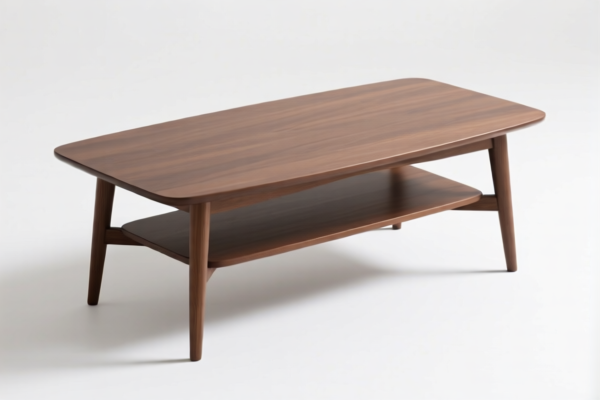
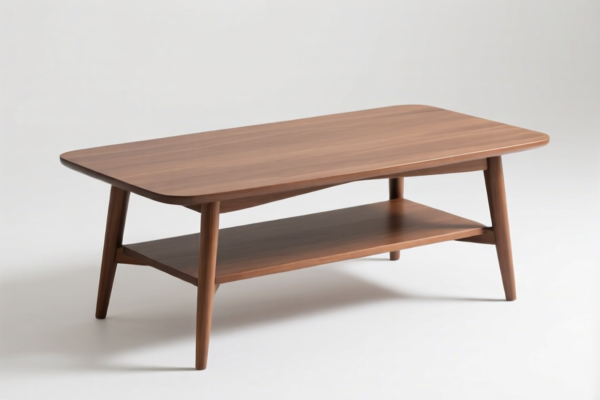
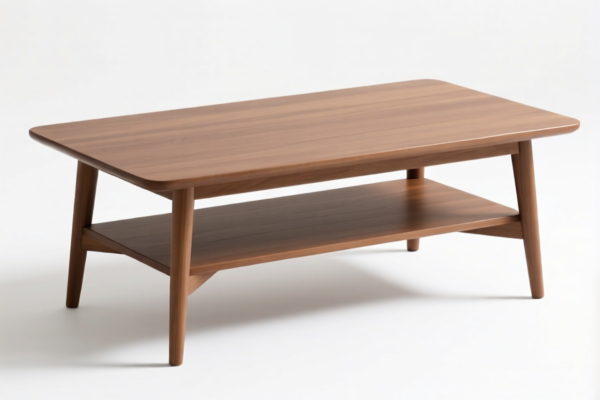
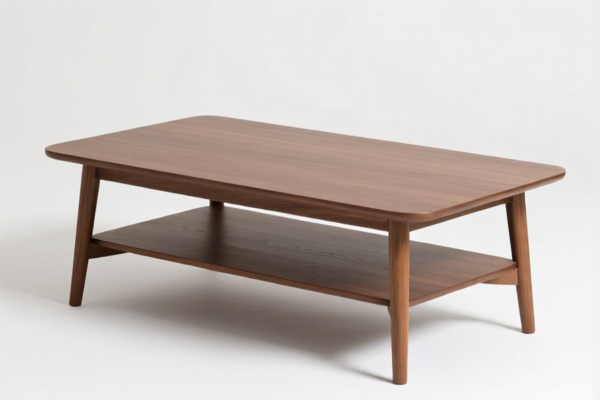
AI Analysis
☕ Ceramic Coffee Cups (Other Ceramic Articles)
🌐 HS Code Reference & Customs Clearance Guide | 2026 Latest Tariff Analysis | Professional-Level Clearance Strategy
📌 I. Product Definition & Classification: Do You Really Understand "Ceramic Coffee Cups"?
Ceramic coffee cups, in international trade, are classified under Chapter 69 (Ceramic Products). However, the specific HS Code and resulting Tax Rate depend heavily on the precise material composition, form factor (mug vs. teacup), and specific sub-heading classifications.
There are five potential classifications based on the provided data, ranging from a low of 19.8% to a high of 44.0%. Choosing the wrong code can lead to significant overpayment or customs delays.
⚠️ Key Distinction Points:
- Material: "Porcelain" (瓷制) vs. "Ceramic" (陶瓷). In Chinese HS codes,6914often refers to other ceramic articles, while6911and6912refer to tableware and kitchenware specifically. - Form Factor: Is it a "Mug" (马克杯), a "Teacup" (茶杯), or a general "Coffee Cup"? - Usage: Is it categorized under "Other Ceramic Articles" (6914) or "Tableware" (6911/6912)?
📦 II. HS Code Classification Details (2026 Latest Tariff Authority Comparison)
The following table breaks down the five specific HS Codes provided in the data, their descriptions, and tax implications.
| HS Code | Product Description | Applicable Scenario | Total Tax Rate | Tax Breakdown |
|---|---|---|---|---|
6914.10.80.00 |
Ceramic coffee cups, material: Porcelain, classified as other ceramic articles | High-end porcelain ware not strictly defined as tableware in this context | 44.0% | Base: 9.0% + Add: 25.0% + Sec 122: 10% |
6914.90.80.00 |
Ceramic coffee cups, material: Ceramic, categorized as conventional consumables under other ceramic articles | Standard ceramic mugs, bulk consumer goods | 40.6% | Base: 5.6% + Add: 25.0% + Sec 122: 10% |
6911.10.35.10 |
Ceramic coffee cups, material: Ceramic, form: Mug / Teacup | Traditional teacups or specific mug definitions under tableware | 43.5% | Base: 26.0% + Add: 7.5% + Sec 122: 10% |
6912.00.35.10 |
Ceramic coffee cups, material: Ceramic, use/form: Teacup & Saucer; Mug category | Best Rate Option: Fits specific mug/teacup definitions under 6912 | 19.8% | Base: 9.8% + Add: 0.0% + Sec 122: 10% |
6911.10.45.00 |
Ceramic coffee cups, material: Ceramic, form: Mug & other beer cups | Mugs specifically categorized with beer cups | 24.0% | Base: 14.0% + Add: 0.0% + Sec 122: 10% |
🔍 Critical Insight:
- Code6912.00.35.10offers the lowest total tax (19.8%) but requires the product to clearly fit the definition of "Teacup/Saucer" or "Mug" under this specific sub-heading with 0% Additional Tariff.
- Code6914.10.80.00has the highest tax (44.0%) because it falls under "Other Ceramic Articles" with a higher base rate and full additional tariffs.
- Section 122 Tariff (10%) is applied uniformly across all five codes. This is a critical fixed cost component.
💰 III. 2026 Latest Tariff Rate Breakdown (Including Additional Taxes & Policy Surcharges)
✅ Applicable Country: United States (US)
✅ Country of Origin: China (CN)
✅ Effective Date: Current tariffs apply as per data provided.
🎯 1. 6914.10.80.00 – High-Tax Path: Porcelain/Other Ceramic Articles
| Item | Content |
|---|---|
| Base Tariff | 9.0% |
| Additional Tariff (Sec 301/Trade War) | +25.0% |
| Section 122 Tariff | +10.0% |
| Total Tax Rate | 44.0% |
| Tax Calculation | CIF Value × 44.0% |
| De Minimis Exemption | ❌ Not Available |
| Legal Basis | 6914.10.80.00 → Combined with Section 122 provisions |
📌 Explanation:
- This classification treats the item as a generic "other ceramic article" rather than standard tableware, triggering higher base duties. - The 25% additional tariff is standard for Chinese ceramics under trade restrictions. - High cost implication: Every $1,000 of goods incurs $440 in duties.
🎯 2. 6914.90.80.00 – Mid-High Tax: Ceramic Consumables
| Item | Content |
|---|---|
| Base Tariff | 5.6% |
| Additional Tariff | +25.0% |
| Section 122 Tariff | +10.0% |
| Total Tax Rate | 40.6% |
| Tax Calculation | CIF Value × 40.6% |
| De Minimis Exemption | ❌ Not Available |
📌 Explanation:
- Slightly lower base rate (5.6%) than porcelain codes, but still subject to the full 25% additional tariff. - Suitable for general "consumable" ceramic mugs that don't fit specific tableware sub-headings precisely.
🎯 3. 6911.10.35.10 – High Base: Tableware (Mug/Teacup)
| Item | Content |
|---|---|
| Base Tariff | 26.0% |
| Additional Tariff | +7.5% |
| Section 122 Tariff | +10.0% |
| Total Tax Rate | 43.5% |
| Tax Calculation | CIF Value × 43.5% |
| De Minimis Exemption | ❌ Not Available |
📌 Explanation:
- High base duty (26%) due to specific sub-heading classification, but lower additional tariff (7.5%) compared to 25%. - Net result is still very high (43.5%). Avoid this code if a lower alternative exists.
🎯 4. 6912.00.35.10 – LOWEST TAX PATH: Tableware (Teacup/Saucer/Mug)
| Item | Content |
|---|---|
| Base Tariff | 9.8% |
| Additional Tariff | +0.0% (Exempt/Zero) |
| Section 122 Tariff | +10.0% |
| Total Tax Rate | 19.8% |
| Tax Calculation | CIF Value × 19.8% |
| De Minimis Exemption | ❌ Not Available |
📌 Explanation:
- The Sweet Spot: This code has ZERO additional tariff (0%) despite the 10% Section 122 tariff. - Total tax is 19.8%, which is less than half of the highest rate (44.0%). - Requirement: The product must clearly match the description "Teacup and teacup saucers; Mug" under heading 6912.
🎯 5. 6911.10.45.00 – Mid-Low Tax: Mugs/Beer Cups
| Item | Content |
|---|---|
| Base Tariff | 14.0% |
| Additional Tariff | +0.0% (Exempt/Zero) |
| Section 122 Tariff | +10.0% |
| Total Tax Rate | 24.0% |
| Tax Calculation | CIF Value × 24.0% |
| De Minimis Exemption | ❌ Not Available |
📌 Explanation:
- Also benefits from 0% additional tariff. - Total tax is 24.0%, slightly higher than6912but significantly lower than6914or6911.35. - Suitable if the item is strictly defined as a "Mug" or "Beer Cup" under 6911.
🛠️ IV. Customs Clearance Practical Advice (Combat Pitfall Guide)
✅ 1. Preparation Checklist (Essential Documents)
| Document | Required | Notes |
|---|---|---|
| ✅ Product Specification Sheet | ✔️ | Must specify material (Porcelain vs. Ceramic), volume, and whether it includes a saucer. |
| ✅ Product Photos | ✔️ | Clear images of the cup, especially any markings or shape features that distinguish it as a "Mug" vs. "Teacup." |
| ✅ Commercial Invoice | ✔️ | Description should be precise: e.g., "Ceramic Mug for Coffee" or "Porcelain Teacup." Avoid vague terms like "Cup." |
| ✅ Packing List | ✔️ | Ensure quantities match invoice. |
| ✅ Origin Certificate | ✔️ | Confirm Country of Origin is China (CN) to apply correct Section 122 and Additional Tariffs. |
✅ 2. Declaration Strategy (Key Mnemonic)
🔥 “Match the Form, Avoid 25%, Target 6912!”
| Scenario | Recommended HS Code | Reason |
|---|---|---|
| Standard Mugs, No Saucer | 6912.00.35.10 or 6911.10.45.00 |
Both have 0% Additional Tariff. Choose 6912 for lowest tax (19.8%) if it fits "Mug" definition. |
| Teacups with Saucers | 6912.00.35.10 |
Specific definition for teacups/saucers. Lowest tax (19.8%). |
| High-End Porcelain (Generic) | 6914.10.80.00 |
If it doesn't fit tableware definitions strictly, it falls here. High Tax (44%). Avoid if possible. |
| Bulk Ceramic Consumables | 6914.90.80.00 |
Generic classification. High Tax (40.6%). Only use if no other code fits. |
| Mugs under 6911 | 6911.10.35.10 |
Higher tax (43.5%). Use only if 6912 is not applicable and 6911.45 is not correct. |
⚠️ Critical Tip:
- Do NOT declare all ceramic cups under6914if they can be classified under6911or6912. The 25% Additional Tariff in6914codes is unnecessary and costly. - Section 122 (10%) is unavoidable for all these codes if originating from China. Focus on minimizing the Base + Additional components.
✅ 3. Special Circumstances
| Situation | Recommendation |
|---|---|
| Product is a Mug but labeled as "Teacup" | Declare as 6912.00.35.10 if shape/usage aligns. Consistency in naming and description is key. |
| Product is Porcelain vs. Ceramic | "Porcelain" often triggers 6914.10 (High Tax). If it's technically "Ceramic," check if it fits 6912 or 6911 for lower taxes. |
| Mixed Shipments (Mugs + Teacups) | Separate HS codes on the invoice to avoid misclassification penalties. |
| De Minimis (Section 321) | ❌ Not Applicable. These goods are subject to full duty calculation. Do not attempt de minimis clearance. |
🌍 V. Global Market Clearance Comparison (2026 Latest)
| Country/Region | Recommended HS Code | Tariff Rate (China Origin) | Key Certification | Notes |
|---|---|---|---|---|
| 🇺🇸 USA | 6912.00.35.10 |
19.8% | FDA (if food contact), CPC | Lowest US duty. Avoid 6914. |
| 🇺🇸 USA | 6914.10.80.00 |
44.0% | FDA | High duty. Only if classification fails. |
| 🇨🇳 China | 6912.00.35.10 |
~9.8% + Local Taxes | CCC (if applicable) | No US Section 122 or Additional Tariffs. |
| 🇪🇺 EU | 6912.00.35.10 |
4.0% - 6.5% | CE (if applicable), LFGB | No Section 122. Lower tariffs than US. |
| 🇬🇧 UK | 6912.00.35.10 |
6.5% | UKCA | Post-Brexit tariffs apply. |
📌 Conclusion:
- The USA imposes the heaviest burden on Chinese ceramics due to Section 122 (10%) and Additional Tariffs (up to 25%). - Strategic Goal: Classify under6912.00.35.10to achieve the 19.8% total rate. This saves 24.2 percentage points compared to the highest rate.
📌 VI. Common Mistakes & Pitfalls (Lessons Learned)
❌ Mistake 1: Using generic term "Ceramic Cup" on Invoice
👉 Consequence: Customs may default to 6914 (44%) due to lack of specificity.
✅ Fix: Use precise terms like "Ceramic Coffee Mug" or "Porcelain Teacup."
❌ Mistake 2: Misidentifying "Porcelain" vs. "Ceramic"
👉 Consequence: If declared as "Ceramic" but is actually "Porcelain," and classified under 6914, you pay 44%. If correctly identified as tableware, you could pay 19.8%.
✅ Fix: Provide material test reports or manufacturer specifications.
❌ Mistake 3: Ignoring Section 122 Tariff
👉 Consequence: Underestimating landed cost. The 10% is fixed for all codes.
✅ Fix: Include 10% Section 122 in all cost calculations.
❌ Mistake 4: Declaring Mugs under 6911.35 (43.5%) when 6912 (19.8%) is applicable
👉 Consequence: Overpaying ~23.7% in duties.
✅ Fix: Review HS Code notes for "Mugs" under 6912. If the mug fits the description, use 6912.
🎯 VII. Conclusion: Precision Classification Saves Thousands!
🎯 Remember the Mnemonic:
🔹 "Target 6912, Zero Add-Tariff!"
🔹 "Avoid 6914, Pay Less!"
🔹 "Section 122 is Fixed, 10% is Due!"📌 Pro Tip:
- If your product is a Mug or Teacup, aggressively pursue6912.00.35.10.
- If it’s a Mug/Beer Cup, consider6911.10.45.00(24%).
- Only use6914codes if the product is a generic ceramic item that doesn’t fit tableware definitions (e.g., decorative items, figurines).
📣 Immediate Action:
📞 Contact your customs broker with product photos and specifications.
🚀 Request an Advance Ruling if the classification is ambiguous to secure the 19.8% rate.
💼 Optimize your invoice descriptions to match6912.00.35.10or6911.10.45.00.
✨ Professional Clearance Starts with Accurate Classification!
💼 Every percentage point saved is pure profit!
Customer Reviews
About HS Code Classification
The Harmonized System (HS) is an internationally standardized nomenclature developed by the World Customs Organization (WCO) to classify traded products. Over 200 countries use the HS system as the basis for customs tariffs, trade statistics, and import/export regulations.
Each HS code follows a hierarchical structure:
- Chapter (2 digits) — Broad category of goods (e.g., Chapter 84: Machinery and Mechanical Appliances)
- Heading (4 digits) — More specific grouping within the chapter
- Subheading (6 digits) — Internationally standardized breakdown, used by all WCO member countries
- National subdivisions (8-10 digits) — Country-specific extensions for further classification, such as US HTSUS 10-digit codes
Correct HS code classification is essential for smooth customs clearance, accurate duty payment, and compliance with trade regulations. Misclassification can lead to customs delays, overpayment of duties, or penalties.
When importing from CN to US, the applicable tariff rates may include:
- Most-Favored-Nation (MFN) rate — The standard duty rate applied to WTO members
- General rate — Applied to countries without trade agreements
- Trade remedy duties — Additional tariffs such as Section 301 (anti-dumping), Section 232 (national security), or countervailing duties
The information provided on this page is for reference purposes only. For official classification, please consult with your local customs authority or a licensed customs broker.