Coffee Measuring Cup
CN → US| HS Code | Tariff Rate | Origin | Destination | Doc |
|---|---|---|---|---|
| 6911108010 | 38.3% | CN | US | Official Doc |
| 6911104500 | 24.0% | CN | US | Official Doc |
| 3924104000 | 13.4% | CN | US | Official Doc |
| 7323999030 | 88.4% | CN | US | Official Doc |
| 3924102000 | 24.0% | CN | US | Official Doc |
Product Images
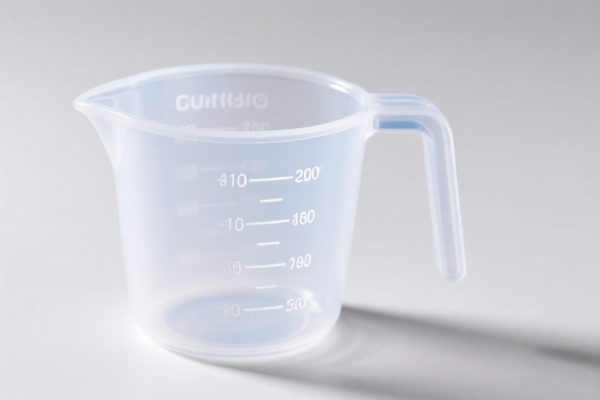
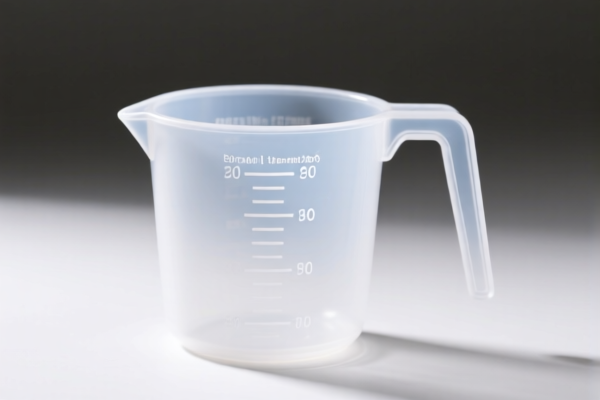
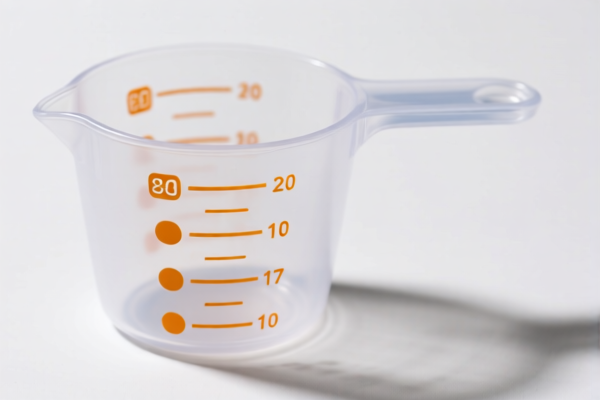
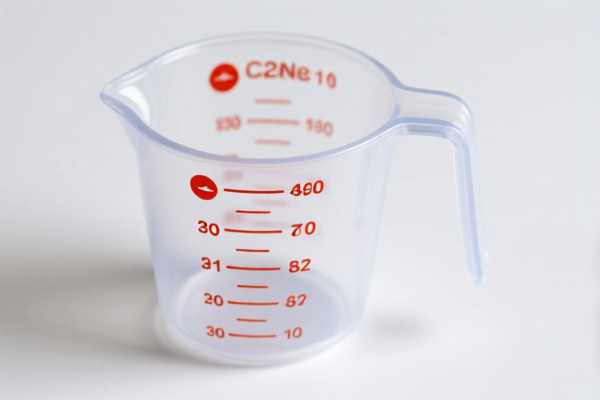
AI Analysis
☕ Coffee Measuring Cups: HS Code Classification & Duty Breakdown for US Imports
🌐 HS Code Reference & Customs Clearance Guide | 2026 Latest Tariff Analysis | Strategic Clearance Strategy
📌 I. Product Definition & Classification: What exactly is a "Coffee Measuring Cup"?
A coffee measuring cup is a kitchen utensil used to measure coffee grounds or liquids for brewing. In international trade, classification depends heavily on the material composition (Ceramic, Plastic, Metal) and the specific design/function. Misclassification can lead to significant duty discrepancies due to the high "Section 301" and "Section 122" additional tariffs applied to Chinese goods.
⚠️ Key Distinction Point:
- Ceramic vs. Plastic vs. Metal: These fall under completely different HS Chapters (69, 39, 73).
- Standard Measure vs. Specific Kitchen Ware: Some metal cups may be classified as tableware/kitchenware, triggering higher tariffs.
📦 II. HS Code Classification Matrix (2026 Latest Tariff对照)
Based on the provided data, here are the valid HS Codes for Coffee Measuring Cups imported into the US (originating from China):
| HS Code | Product Description | Material | Category |
|---|---|---|---|
6911.10.80.10 |
Ceramic Coffee Measuring Cup | Ceramic | Kitchenware / Food Contact |
6911.10.45.00 |
Ceramic or Plastic Coffee Measuring Cup* | Ceramic/Plastic | Kitchen Supplies |
3924.10.40.00 |
Plastic Coffee Measuring Cup | Plastic | Tableware / Cookware |
7323.99.90.30 |
Metal (Iron/Steel) Coffee Measuring Cup | Iron/Steel | Table or Kitchen Use |
3924.10.20.00 |
Plastic or Other Material Measuring Cup | Plastic/Other | Vessels & Measuring Cups |
7323.93.00.60 |
Stainless Steel/Metal Coffee Measuring Cup | Stainless Steel | Kitchen Auxiliary Tools |
🔍 Note on Data Consistency:
-6911.10.45.00mentions "Ceramic or Plastic," but typically HS codes are material-specific. This entry likely refers to a specific subheading in the source data.
-7323.99.90.30and7323.93.00.60are both Metal but have vastly different duties. Always verify the exact metallurgical composition (Iron vs. Stainless Steel).
💰 III. 2026 Tariff Rate Breakdown (Including Additional Duties)
✅ Applicable Country: United States (US)
✅ Origin: China (CN)
✅ Effective Date: Current rates include Base, Section 301, and Section 122 tariffs.
🎯 1. 6911.10.80.10 — Ceramic Coffee Measuring Cup
| Item | Detail |
|---|---|
| Base Duty | 20.8% |
| Section 301 Duty | 7.5% |
| Section 122 Duty | 10.0% |
| Total Effective Rate | 38.3% |
| Explanation | Standard ceramic tableware. The Section 301 duty is lower than some other ceramic items, but the base duty is moderate. |
🎯 2. 6911.10.45.00 — Ceramic/Plastic Coffee Measuring Cup
| Item | Detail |
|---|---|
| Base Duty | 14.0% |
| Section 301 Duty | 0.0% |
| Section 122 Duty | 10.0% |
| Total Effective Rate | 24.0% |
| Explanation | Lowest Duty for Ceramic-Related Items. Note: The 0% Section 301 is rare; verify if this subheading truly excludes Section 301 or if it's a data-specific anomaly. |
🎯 3. 3924.10.40.00 — Plastic Coffee Measuring Cup
| Item | Detail |
|---|---|
| Base Duty | 3.4% |
| Section 301 Duty | 0.0% |
| Section 122 Duty | 10.0% |
| Total Effective Rate | 13.4% |
| Explanation | Most Cost-Effective Option. Plastic tableware has a very low base rate and no Section 301 duty. Ideal for cost-sensitive imports. |
🎯 4. 7323.99.90.30 — Metal (Iron/Steel) Coffee Measuring Cup
| Item | Detail |
|---|---|
| Base Duty | 3.4% |
| Section 301 Duty | 25.0% |
| Section 122 Duty | 10.0% |
| Additional Steel/Aluminum/Copper Surcharge | +50% |
| Total Effective Rate | 88.4% |
| Explanation | Extremely High Cost. Iron/Steel products face massive additional tariffs. Do NOT use this code unless unavoidable. |
🎯 5. 3924.10.20.00 — Plastic/Other Measuring Cup
| Item | Detail |
|---|---|
| Base Duty | 6.5% |
| Section 301 Duty | 7.5% |
| Section 122 Duty | 10.0% |
| Total Effective Rate | 24.0% |
| Explanation | Another plastic-related code. Higher base duty than 3924.10.40.00 but same total rate due to lower Section 301. |
🎯 6. 7323.93.00.60 — Stainless Steel Coffee Measuring Cup
| Item | Detail |
|---|---|
| Base Duty | 2.0% |
| Section 301 Duty | 0.0% |
| Section 122 Duty | 10.0% |
| Additional Steel/Aluminum/Copper Surcharge | +50% |
| Total Effective Rate | 62.0% |
| Explanation | Stainless steel has a low base duty (2%), but the 50% surcharge on steel products makes it expensive. However, it is cheaper than Iron (88.4%). |
🛠️ IV. Customs Clearance Practical Advice
✅ 1. Material Verification is Critical
| Material | Recommended HS Code | Total Duty | Strategy |
|---|---|---|---|
| Plastic | 3924.10.40.00 |
13.4% | ✅ Best Choice. Lowest duty, no Section 301. |
| Ceramic | 6911.10.45.00 |
24.0% | ✅ Good Choice. Lower than other ceramic codes. |
| Stainless Steel | 7323.93.00.60 |
62.0% | ⚠️ Expensive. Only use if market demands premium steel. |
| Iron/Steel | 7323.99.90.30 |
88.4% | ❌ Avoid. Extremely high cost due to combined 301 + 122 + 50% surcharge. |
✅ 2. Documentation Requirements
| Document | Requirement | Note |
|---|---|---|
| Commercial Invoice | Clearly state "Material: Plastic/Ceramic/Stainless Steel" | Vague descriptions lead to higher scrutiny. |
| Product Photos | Show the entire cup, including any markings | Helps customs verify material and function. |
| Material Test Report | For plastics: FDA compliance; For metals: Alloy composition | Critical for food-contact items. |
| Country of Origin | China (CN) | Triggers additional tariffs (Section 301/122). |
✅ 3. Common Pitfalls & Solutions
❌ Pitfall 1: Misclassifying Plastic as "Other Materials"
👉 Risk: Using 3924.10.20.00 (24%) instead of 3924.10.40.00 (13.4%).
✅ Solution: Ensure the HS code matches the primary material. If it's plastic, use the specific plastic code.
❌ Pitfall 2: Ignoring the 50% Steel Surcharge
👉 Risk: Importing stainless steel cups under 7323.93.00.60 without budgeting for the 50% surcharge.
✅ Solution: Calculate total landed cost including the 50% additional duty. Consider switching to plastic if margins are thin.
❌ Pitfall 3: Inaccurate Material Description
👉 Risk: Customs may reclassify from 6911.10.45.00 (24%) to 6911.10.80.10 (38.3%) if they doubt the ceramic nature.
✅ Solution: Provide material certificates (e.g., Glaze composition for ceramics).
🌍 V. Global Market Comparison (2026)
| Market | Recommended HS Code | Est. Total Duty (China Origin) | Notes |
|---|---|---|---|
| 🇺🇸 USA | 3924.10.40.00 (Plastic) |
13.4% | Includes Base + 122. No 301 for plastic. |
| 🇺🇸 USA | 6911.10.45.00 (Ceramic) |
24.0% | Includes Base + 122. No 301. |
| 🇨🇳 China | 3924.10.40.00 (Plastic) |
~5-10% | Standard import duty, no Section 301/122. |
| 🇪🇺 EU | 3924.10.40.00 (Plastic) |
4% | Standard EU duty, no US-style additional tariffs. |
📌 Conclusion:
- USA imposes heavy additional tariffs on Chinese goods, especially metals and ceramics.
- Plastic offers the most competitive duty rate (13.4%).
- Ceramic is moderate (24%) if using the correct subheading.
- Metal is prohibitively expensive for iron/steel (88.4%) and very costly for stainless steel (62.0%).
📌 VI. Common Errors & Pitfall Guide
❌ Error 1: Classifying a Stainless Steel cup as Plastic to avoid duty.
👉 Consequence: Severe penalties, seizure, and back taxes.
✅ Correct: Use 7323.93.00.60 and budget for 62% duty.
❌ Error 2: Assuming all Ceramic cups have the same duty.
👉 Consequence: Using 6911.10.80.10 (38.3%) when 6911.10.45.00 (24%) applies.
✅ Correct: Verify the exact subheading based on product design and usage.
❌ Error 3: Overlooking the 50% Steel Surcharge.
👉 Consequence: Underquoting landed cost, leading to lost profits.
✅ Correct: Always add the 50% surcharge for any iron/steel/aluminum product under Chapter 73.
🎯 VII. Conclusion: Smart Classification for Profit Maximization
🎯 Key Takeaways:
1. Prefer Plastic: 3924.10.40.00 at 13.4% is the most cost-effective.
2. Choose Ceramic Wisely: 6911.10.45.00 at 24% is better than other ceramic codes.
3. Avoid Iron/Steel: 7323.99.90.30 at 88.4% is not viable for most businesses.
4. Stainless Steel is Expensive: 7323.93.00.60 at 62% due to the 50% surcharge.
📌 Action Plan:
📞 Consult a Customs Broker: Confirm the exact material composition.
📄 Document Everything: Keep material test reports handy.
💰 Calculate Landed Cost: Include all tariffs (Base + 301 + 122 + Surcharge) in your pricing strategy.
✨ Professional Customs Clearance Starts with Accurate Classification!
💼 Every Percentage Point Saved is Pure Profit!
Customer Reviews
About HS Code Classification
The Harmonized System (HS) is an internationally standardized nomenclature developed by the World Customs Organization (WCO) to classify traded products. Over 200 countries use the HS system as the basis for customs tariffs, trade statistics, and import/export regulations.
Each HS code follows a hierarchical structure:
- Chapter (2 digits) — Broad category of goods (e.g., Chapter 84: Machinery and Mechanical Appliances)
- Heading (4 digits) — More specific grouping within the chapter
- Subheading (6 digits) — Internationally standardized breakdown, used by all WCO member countries
- National subdivisions (8-10 digits) — Country-specific extensions for further classification, such as US HTSUS 10-digit codes
Correct HS code classification is essential for smooth customs clearance, accurate duty payment, and compliance with trade regulations. Misclassification can lead to customs delays, overpayment of duties, or penalties.
When importing from CN to US, the applicable tariff rates may include:
- Most-Favored-Nation (MFN) rate — The standard duty rate applied to WTO members
- General rate — Applied to countries without trade agreements
- Trade remedy duties — Additional tariffs such as Section 301 (anti-dumping), Section 232 (national security), or countervailing duties
The information provided on this page is for reference purposes only. For official classification, please consult with your local customs authority or a licensed customs broker.