Coffee Tools
CN → US| HS Code | Tariff Rate | Origin | Destination | Doc |
|---|---|---|---|---|
| 8419909580 | 39.0% | CN | US | Official Doc |
| 7323999080 | 88.4% | CN | US | Official Doc |
| 8516904500 | 35.0% | CN | US | Official Doc |
| 8419909520 | 14.0% | CN | US | Official Doc |
| 6911104100 | 16.3% | CN | US | Official Doc |
Product Images
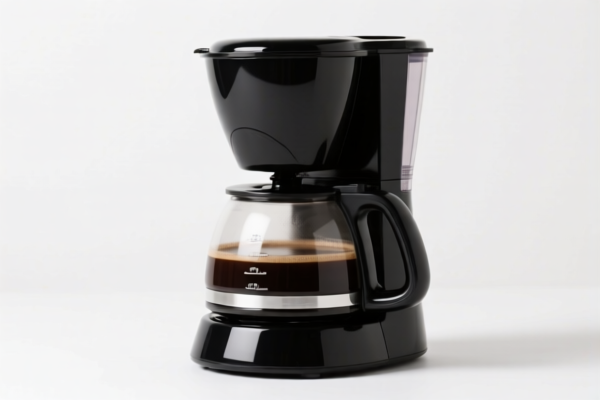
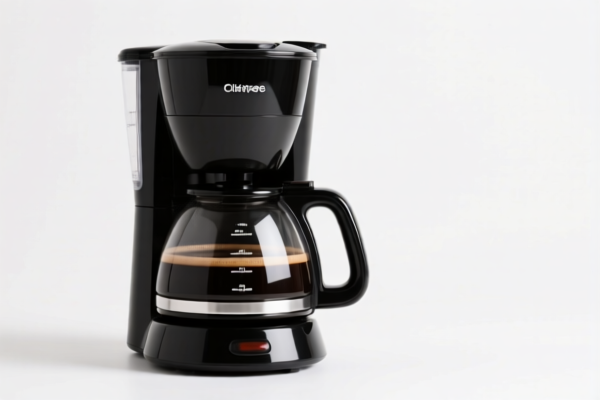
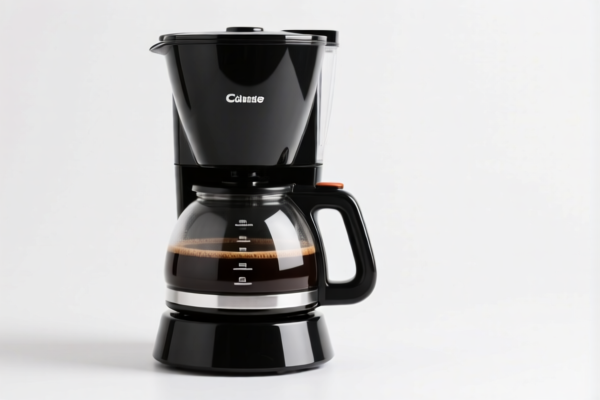
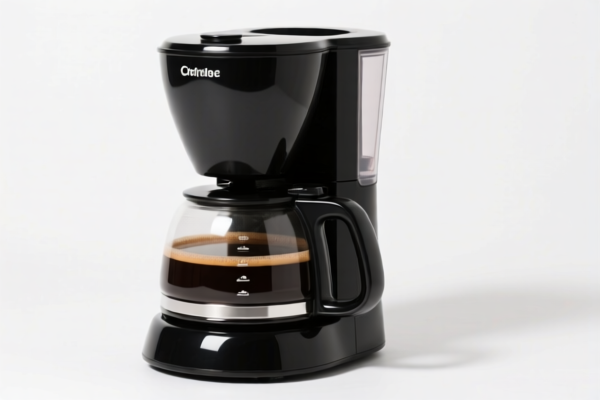
AI Analysis
☕ Coffee Tools: Global HS Code Classification & Tax Strategy (2026 Edition)
🌐 HS Code Reference & Clearance Guide | 2026 Latest Tariff Analysis | Professional通关 Strategy
Coffee tools are the backbone of modern coffee culture, ranging from brewing machines to ceramic vessels. In international trade, they are classified into specific categories based on function, material, and component status.
This guide breaks down the 5 key HS Codes for "Coffee Tools" from the provided dataset, with detailed tax explanations and clearance recommendations.
⚠️ Critical Warning:
- Material Matters: A "coffee machine part" made of steel can be taxed at 88.4%, while the same part made of plastic/ceramic is taxed at 14.0%.
- Component vs. Product: A complete coffee pot (ceramic) is taxed at 16.3%, but a circuit board inside a machine is 35.0%.
- China-Specific Surcharges: 10% "Section 122" tariffs apply to all Chinese-origin goods in this list.
📦 II. HS Code Classification Details (2026 Latest Tariff对照)
| HS Code | Product Description | Material/Component Logic | Total Tax Rate |
|---|---|---|---|
| 8419.90.95.80 | Coffee Machine Parts (General) | Equipment parts, matching component attributes. | 39.0% |
| 7323.99.90.80 | Coffee Machine Parts (Steel/Metal) | Inferred as Iron/Steel parts. Subject to high metal tariffs. | 88.4% |
| 8516.90.45.00 | Coffee Machine Parts (Electronic) | Matches PCB/Printed Circuit Board rules. | 35.0% |
| 8419.90.95.20 | Coffee Machine Parts (Non-Steel) | Equipment parts with no material conflict (likely non-metal). | 14.0% |
| 6911.10.41.00 | Coffee Pot / Pot | Kitchen Utensil, Ceramic material, fits "Tableware" category. | 16.3% |
💰 III. 2026 Latest Tax Rate Breakdown (Detailed Policy Analysis)
✅ Applicable Country: United States (US)
✅ Origin: China (CN)
✅ Effective Date: Including current/future imports
🎯 1. 8419.90.95.80 — General Coffee Machine Parts
The "Standard" Parts Category
| Item | Details |
|---|---|
| Base Tariff | 4.0% |
| Additional Tariff | +25.0% (Section 301 / Trade Act) |
| Section 122 Tariff | +10.0% (China-specific surcharge) |
| Total Rate | 39.0% |
| Logic | Matches "equipment parts" but triggers high surcharges. |
📌 Explanation:
- 4.0% is the standard MFN (Most Favored Nation) duty.
- 25.0% is the heavy Section 301 tariff on Chinese machinery parts.
- 10% is the Section 122 surcharge for "strategic" or specific industrial goods.
- Result: 39% is a massive cost increase.
🎯 2. 7323.99.90.80 — Steel/Metal Parts
The "Danger Zone" for Metal Components
| Item | Details |
|---|---|
| Base Tariff | 3.4% |
| Additional Tariff | +25.0% |
| Section 122 Tariff | +10.0% |
| Steel/Aluminum/Copper Surcharges | +50.0% (Critical Metal Tariff) |
| Total Rate | 88.4% |
| Logic | "Iron or Steel" classification triggers the highest metal penalty. |
📌 Critical Warning:
- This is the highest risk category.
- If your part is metal (steel, iron, aluminum, copper), the 50% metal surcharge applies on top of the 25% and 10%.
- Total 88.4% makes shipping metal parts from China to the US economically unviable unless re-routed via Mexico/Vietnam.
🎯 3. 8516.90.45.00 — Electronic Components (PCB)
The "Circuit Board" Category
| Item | Details |
|---|---|
| Base Tariff | 0.0% (Duty-Free) |
| Additional Tariff | +25.0% |
| Section 122 Tariff | +10.0% |
| Total Rate | 35.0% |
| Logic | Matches "Printed Circuit Assembly" rules. |
📌 Explanation:
- Base 0% is great, but the 25% + 10% surcharges dominate.
- Unlike metal parts, there is no extra 50% metal surcharge (unless it contains significant copper/steel, but here it's classified as "circuit").
- 35% is high but lower than the 88.4% metal rate.
🎯 4. 8419.90.95.20 — Non-Steel Machine Parts
The "Low-Tax" Hero
| Item | Details |
|---|---|
| Base Tariff | 4.0% |
| Additional Tariff | 0.0% |
| Section 122 Tariff | +10.0% |
| Total Rate | 14.0% |
| Logic | Equipment parts with no material conflict (likely plastic, glass, or non-steel). |
📌 Strategic Advantage:
- 0% Additional Tariff is the key difference here.
- This implies the part is NOT steel/iron/copper.
- Total 14.0% is the most cost-effective option for coffee machine parts.
- Strategy: If possible, replace metal components with plastic/composite equivalents to qualify for this code.
🎯 5. 6911.10.41.00 — Ceramic Coffee Pot
The "Tableware" Category
| Item | Details |
|---|---|
| Base Tariff | 6.3% |
| Additional Tariff | 0.0% |
| Section 122 Tariff | +10.0% |
| Total Rate | 16.3% |
| Logic | Kitchen utensil, ceramic material, fits "Tableware". |
📌 Explanation:
- 0% Additional Tariff applies because ceramic is not "steel" or "electronics".
- 16.3% is a moderate rate, making it the best option for finished ceramic products.
- Key: Ensure it is declared as a "Coffee Pot" (6911) and NOT as a "Machine Part" (8419) to avoid higher rates.
🛠️ IV. Clearance Practical Advice (Real-World Avoidance Guide)
✅ 1. Material Declaration is Key
| Scenario | Correct Declaration | Risk if Wrong |
|---|---|---|
| Metal Boiler/Filter | 7323.99.90.80 (Steel) | If declared as "plastic part" → Audit + Fraud Penalty |
| Plastic Water Tank | 8419.90.95.20 (Non-Steel) | If declared as "steel" → 88.4% Tax (Unnecessary loss) |
| Circuit Board | 8516.90.45.00 (PCB) | If declared as "general part" → 39.0% Tax (Higher than needed) |
| Ceramic Carafe | 6911.10.41.00 (Pot) | If declared as "machine part" → 39.0% Tax (Wrong category) |
🔥 Golden Rule: "Material defines the tax. Steel = 88%, Plastic = 14%, Ceramic = 16%."
✅ 2. Product Naming Strategy
📌 Do NOT just say "Coffee Tool".
📌 DO use specific descriptions:
| Product | Correct Name for Customs | HS Code to Target |
|---|---|---|
| Metal Filter Basket | "Stainless Steel Coffee Filter Basket" | 7323.99.90.80 (Prepare for 88.4%) |
| Plastic Drip Chamber | "Plastic Water Reservoir for Coffee Machine" | 8419.90.95.20 (Target 14.0%) |
| Electronic Control Board | "Printed Circuit Assembly for Coffee Maker" | 8516.90.45.00 (Target 35.0%) |
| Ceramic Carafe | "Ceramic Coffee Pot / Carafe" | 6911.10.41.00 (Target 16.3%) |
✅ 3. Special Handling for "Section 122" & "301"
- Section 122 (10%): Applies to ALL items in this list. Cannot be avoided.
- Section 301 (25%): Applies to 8419 and 8516 codes. Avoidable only if the item falls under
8419.90.95.20(where it shows 0% for this specific line). - Steel Tariff (50%): ONLY applies to
7323.99.90.80. Avoidable by changing material to plastic/ceramic.
🌍 V. Global Market Comparison (2026)
| Country/Region | Recommended HS Code | Best Rate | Notes |
|---|---|---|---|
| 🇺🇸 USA | 8419.90.95.20 | 14.0% | Only if non-steel. Steel parts are 88.4%. |
| 🇨🇳 China | 8419.90.95.20 | 4.0% | No surcharges. No 25% or 10% fees. |
| 🇪🇺 EU | 8419.90.95.20 | 4.0% | No Section 122/301. Best market for non-steel parts. |
| 🇯🇵 Japan | 6911.10.41.00 | ~5% | Ceramic pots have low rates. |
📌 Conclusion:
- USA is the most expensive market for coffee tools due to surcharges.
- Steel parts are the biggest cost driver (88.4%).
- Non-metal parts (Plastic/Ceramic) are the best strategy for US exports.
📌 VI. Common Mistakes & Pitfalls
❌ Mistake 1: Declaring a metal part as "general parts"
👉 Consequence: If the customs officer inspects and finds steel, they will reclassify to 7323 → 88.4% Tax.
✅ Fix: Be transparent about material. If it's steel, pay the 88.4% or find an alternative material.
❌ Mistake 2: Declaring a ceramic pot as a "machine part"
👉 Consequence: Rate jumps from 16.3% (6911) to 39.0% (8419).
✅ Fix: Declare as "Coffee Pot" or "Tableware", not "Machine Part".
❌ Mistake 3: Assuming all parts are the same
👉 Consequence: Overpaying for plastic parts (paying 39% instead of 14%).
✅ Fix: Split your shipment. Plastic → 8419.90.95.20. Steel → 7323.99.90.80.
🎯 VII. Final Strategy: Save Money on Coffee Tools
🔹 Rule 1: Avoid Steel. If a part can be plastic, make it plastic. (Saves 74.4% in tax).
🔹 Rule 2: Separate Products. Don't mix "Ceramic Pots" with "Machine Parts".
🔹 Rule 3: Electronics are Moderate. PCBs (8516) are 35%, which is high, but manageable.
🔹 Rule 4: Pre-Clearance: Apply for Advance Rulings in the US to confirm the "non-steel" status before shipping.
📌 Pro Tip:
If you are exporting to the USA, the difference between 14% and 88% is 74%.
Action: Re-engineer your coffee tool components to use plastic, glass, or ceramic wherever possible.
Result: Massive cost savings, higher profit margins, and smoother customs clearance.
📣 Take Action Now:
📞 Contact your supplier: "Can we use plastic instead of steel for this part?"
📄 Check the HS Code: "Is it 8419.90.95.20 (14%) or 7323.99.90.80 (88%)?"
🚀 Ship smarter: Coffee Tools can be profitable if you know the tax code.
✨ Professional Clearance, Start with the Right Code!
💼 Every percentage point in tax is a point in profit lost!
Customer Reviews
About HS Code Classification
The Harmonized System (HS) is an internationally standardized nomenclature developed by the World Customs Organization (WCO) to classify traded products. Over 200 countries use the HS system as the basis for customs tariffs, trade statistics, and import/export regulations.
Each HS code follows a hierarchical structure:
- Chapter (2 digits) — Broad category of goods (e.g., Chapter 84: Machinery and Mechanical Appliances)
- Heading (4 digits) — More specific grouping within the chapter
- Subheading (6 digits) — Internationally standardized breakdown, used by all WCO member countries
- National subdivisions (8-10 digits) — Country-specific extensions for further classification, such as US HTSUS 10-digit codes
Correct HS code classification is essential for smooth customs clearance, accurate duty payment, and compliance with trade regulations. Misclassification can lead to customs delays, overpayment of duties, or penalties.
When importing from CN to US, the applicable tariff rates may include:
- Most-Favored-Nation (MFN) rate — The standard duty rate applied to WTO members
- General rate — Applied to countries without trade agreements
- Trade remedy duties — Additional tariffs such as Section 301 (anti-dumping), Section 232 (national security), or countervailing duties
The information provided on this page is for reference purposes only. For official classification, please consult with your local customs authority or a licensed customs broker.