Cold Chain Food Bag
CN → US| HS Code | Tariff Rate | Origin | Destination | Doc |
|---|---|---|---|---|
| 4202920807 | 42.0% | CN | US | Official Doc |
| 6307909884 | 24.5% | CN | US | Official Doc |
| 3923210095 | 38.0% | CN | US | Official Doc |
| 3923290000 | 38.0% | CN | US | Official Doc |
| 4202920809 | 42.0% | CN | US | Official Doc |
Product Images
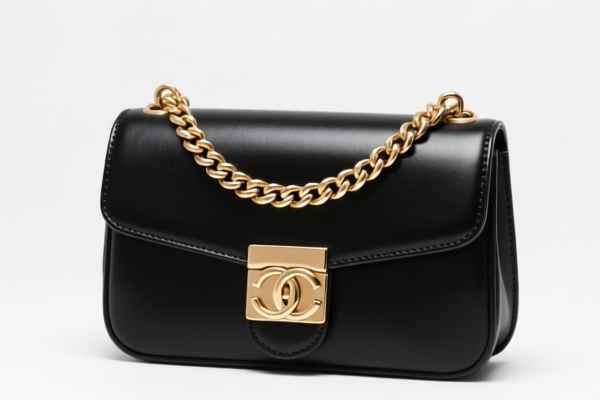
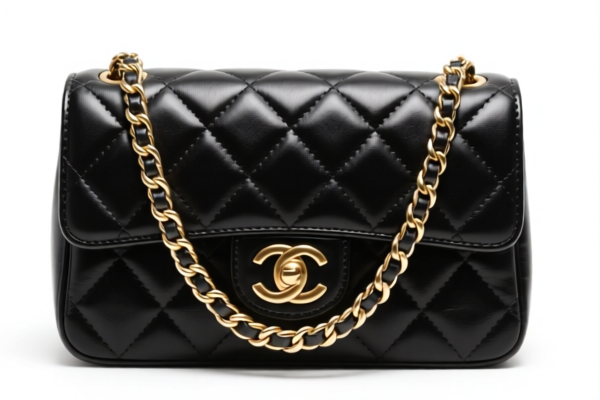

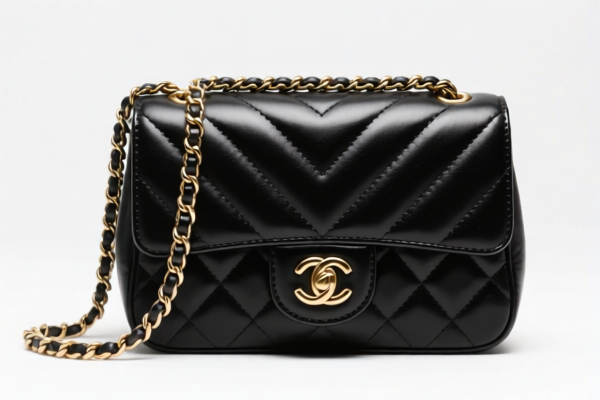
AI Analysis
🥶 Cold Chain Food Bag (Insulated Shipping Bags)
🌐 HS Code Reference & Customs Clearance Guide | 2026 Latest Tariff Analysis | Professional Clearance Strategy
📌 I. Product Definition & Classification: What Exactly is a "Cold Chain Food Bag"?
A Cold Chain Food Bag (often referred to as an Insulated Shipping Bag, Cooler Bag, or Thermal Insulation Bag) is a specialized packaging solution designed to maintain the temperature of perishable goods (food, pharmaceuticals) during transit.
In international trade, its classification depends heavily on two factors: 1. Outer Surface Material: Is it textile-based (fabric, synthetic fiber) or plastic-based? 2. Structure: Is it a simple liner (bag) or a structured container with handles/insulation layers?
⚠️ Key Distinction Point:
- If the outer surface is textile/fabric (even if insulated inside) → Generally falls under Chapter 42 or 63.
- If the outer surface is plastic/film → Generally falls under Chapter 39.
- "Insulation" itself does not change the chapter; it is the outer material that determines the HS Code.
📦 II. HS Code Classification Details (2026 Latest Tariff Authority Comparison)
Based on the provided data, here are the specific classifications for Cold Chain Food Bags, categorized by outer material:
🏷️ Category A: Textile/Synthetic Fiber Outer Surface (Insulated/Refrigerated Bags)
These bags typically look like soft-sided coolers with handles, made from Oxford cloth, polyester, or other synthetic fibers.
| HS Code | Product Description | Material/Structure | Key Characteristics |
|---|---|---|---|
| 4202.92.08.07 | Refrigerated bags; outer surface of man-made fibers or textile materials | Textile/Synthetic Fiber | Specifically for "Refrigerated/Cold Chain" use. High insulation value. |
| 4202.92.08.09 | Bags for cold/insulated storage; outer surface of textile materials or non-specific other materials | Textile/Other | Matches general insulated bags where the primary feature is thermal retention. |
🏷️ Category B: Plastic/Film Outer Surface (Simple Liners or Flexible Containers)
These are often simpler bags, pouches, or liners made from PE (Polyethylene) or PVC films, used as inner liners or simple thermal bags.
| HS Code | Product Description | Material/Structure | Key Characteristics |
|---|---|---|---|
| 3923.21.00.95 | Sacks and bags (including cones); of polymers of ethylene | Polyethylene (PE) | Matches "sack/bag" morphology. Often simple plastic thermal liners. |
| 3923.29.00.00 | Other sacks and bags; of plastics | Various Plastics | Matches general plastic packaging bags. Used if not specifically ethylene-based. |
🏷️ Category C: General Purpose Textile/Plastic Composites (Other Manufactured Articles)
If the bag is a complex composite or doesn't fit the strict "textile" or "plastic sack" definitions, it may fall under "Other Made Up Articles."
| HS Code | Product Description | Material/Structure | Key Characteristics |
|---|---|---|---|
| 6307.90.98.84 | Other made up articles; material inferred as plastic or synthetic fiber | Composite/Other | Matches bag morphology. Falls under "Other" category if not strictly textile/plastic sack. |
| 6307.90.98.91 | Other made up articles; material inferred as plastic or composite | Composite/Plastic | Matches finished bag form. Used for specialized industrial or medical cold-chain bags that don't fit Chapters 42/39 strictly. |
🔍 Critical Reminder:
- Textile Outer = Chapter 42/63: If the bag has zippers, handles, and an outer fabric shell, it is not plastic. Do not misclassify as 3923. - Plastic Outer = Chapter 39: If it’s a shiny, crinkly plastic bag (even with foam inside), it is not textile. Do not misclassify as 4202. - Insulation Layer is Irrelevant for Chapter: The insulation (foam, aluminum foil) is internal. Customs looks at the exterior.
💰 III. 2026 Latest Tariff Rate Breakdown (Including Additional Duties & Policy Surcharges)
✅ Applicable Country: United States (US)
✅ Country of Origin: China (CN)
✅ Effective Date: 2025/2026 (Including subsequent imports)
🎯 1. Textile/Insulated Bags (Chapter 42)
HS Codes: 4202.92.08.07, 4202.92.08.09
| Item | Details |
|---|---|
| Base Duty Rate | 7.0% |
| Section 301 Duty (USITC) | +25.0% (High tariff risk item) |
| IEEPA Surcharge (Section 122/China Specific) | +10.0% |
| Total Effective Tax Rate | 42.0% |
| Tax Calculation Basis | CIF Value × 42% |
| De Minimis Exemption | ❌ Not Applicable (Subject to full duty) |
| Legal Path | USITC Base → 301 Footnote → IEEPA 122 |
📌 Explanation:
- These bags are classified as "Other articles of plastic sheeting or of textile materials, with outer surface of textile materials." - Total 42% is a very high duty rate. This significantly impacts profit margins for cold chain logistics companies.
🎯 2. General Composite/Other Bags (Chapter 63)
HS Codes: 6307.90.98.84, 6307.90.98.91
| Item | Details |
|---|---|
| Base Duty Rate | 7.0% |
| Section 301 Duty (USITC) | +7.5% |
| IEEPA Surcharge (Section 122/China Specific) | +10.0% |
| Total Effective Tax Rate | 24.5% |
| Tax Calculation Basis | CIF Value × 24.5% |
| De Minimis Exemption | ❌ Not Applicable |
| Legal Path | USITC Base → 301 Footnote (Lower Tier) → IEEPA 122 |
📌 Explanation:
- These bags fall under "Other Made Up Articles" which often enjoy a lower 301 surcharge rate (7.5% vs 25%) depending on specific product lists and interpretations. - Total 24.5% is still high, but 17.5% lower than the Chapter 42 classification.
🎯 3. Plastic Sacks/Bags (Chapter 39)
HS Codes: 3923.21.00.95, 3923.29.00.00
| Item | Details |
|---|---|
| Base Duty Rate | 3.0% |
| Section 301 Duty (USITC) | +25.0% |
| IEEPA Surcharge (Section 122/China Specific) | +10.0% |
| Total Effective Tax Rate | 38.0% |
| Tax Calculation Basis | CIF Value × 38% |
| De Minimis Exemption | ❌ Not Applicable |
| Legal Path | USITC Base → 301 Footnote (High Tier) → IEEPA 122 |
📌 Explanation:
- Even though the base duty is low (3%), the 25% Section 301 duty applies because plastic sacks/bags are often on the higher tariff list. - Total 38% is significantly higher than the Chapter 63 "Other Articles" (24.5%).
🛠️ IV. Customs Clearance Practical Advice (Real-World Pitfall Avoidance)
✅ 1. Documentation Checklist (Essential)
| Document | Mandatory? | Description |
|---|---|---|
| ✅ Product Specification Sheet | ✔️ | Must specify outer material (e.g., "Polyester 600D" vs "Polyethylene Film"). |
| ✅ Material Composition Chart | ✔️ | Breakdown of layers: Outer (Textile/Plastic), Insulation (Foam/EPE), Lining (Aluminum/PVC). |
| ✅ Photos (Clear & Detailed) | ✔️ | Show exterior texture (fabric weave vs plastic shine), zippers, handles. |
| ✅ Commercial Invoice | ✔️ | Clearly state "Insulated Cold Chain Bag" or "Refrigerated Transport Bag". Avoid vague terms like "Plastic Bag". |
| ✅ Packing List | ✔️ | Weight and dimensions. Ensure no mixed shipments of different materials in one container if possible to simplify inspection. |
✅ 2. Declaration Strategy (Key Mantra)
🔥 "Outer Material Defines Chapter, Insulation is Internal, HS Code Dictates Tax!"
| Scenario | Correct HS Code | Wrong HS Code | Consequence of Error |
|---|---|---|---|
| Fabric Shell + Foam Insulation | 4202.92.08.07 (42%) |
3923.21.00.95 (38%) |
Under-declaration risk. If caught, penalties + retroactive tax. |
| Fabric Shell + Foam Insulation | 4202.92.08.07 (42%) |
6307.90.98.84 (24.5%) |
Over-declaration risk. If misclassified as "Other", you pay 17.5% LESS. Customs may audit. |
| Plastic Film Bag | 3923.21.00.95 (38%) |
4202.92.08.07 (42%) |
Over-declaration. Small penalty, but shows lack of professionalism. |
| Plastic Film Bag | 3923.21.00.95 (38%) |
6307.90.98.84 (24.5%) |
Major Risk. Misclassifying plastic as "Other" to save tax. High audit probability. |
✅ 3. Special Considerations for Cold Chain Bags
-
"Refrigerated" vs. "Insulated":
- If the bag has active cooling (battery-powered fan/refrigerant), it might fall under Chapter 84 (Mechanical appliances). However, most passive bags are Chapter 42/39/63.
- Check your data: All provided codes are passive bags.
-
Composite Goods Rule:
- If the bag is a mix of fabric and plastic patches, the principal characteristic determines classification. For cold chain bags, the insulation function is key, but the outer material is the legal determinant for HS chapter.
-
Sample Submission:
- If customs challenges the classification, they will request a physical sample. Ensure your sample matches the declared material exactly.
🌍 V. Global Market Clearance Comparison (2026 Latest)
| Country/Region | Recommended HS Code (Example) | Tariff (China Origin) | Key Certification | Notes |
|---|---|---|---|---|
| 🇺🇸 USA | 4202.92.08.07 / 3923.21.00.95 |
38% - 42% | None specific | High tariffs due to 301 & IEEPA. |
| 🇨🇳 China | 6307.90.98.99 (Local) |
10% - 15% | GB Standards | Lower tariffs for import/export within China. |
| 🇪🇺 EU | 4202.92.30 / 3923.29 |
0% - 4% | REACH, RoHS | No major political tariffs. Focus on environmental compliance. |
| 🇦🇺 Australia | 4202.92.00 / 3923.29 |
5% | None | Standard FTA rates may apply. |
| 🇯🇵 Japan | 4202.92 / 3923.29 |
0% - 6% | None | Generally low barriers for packaging. |
📌 Conclusion:
- USA is the highest cost market for Cold Chain Bags due to the 38-42% effective tariff rate. - EU/Australia/Japan are much more cost-effective, with minimal duties. - Strategic Advice: For US-bound goods, consider value engineering (e.g., simplifying the outer material to fit6307.90.98.84if legally permissible) to save ~17.5% in taxes.
📌 VI. Common Errors & Pitfalls Guide (Lessons Learned)
❌ Error 1: Classifying a Fabric Cooler Bag as a Plastic Bag (3923) to save tax.
👉 Consequence: Customs inspection reveals fabric. Penalty + Back Taxes + Seizure Risk.
✅ Correction: Check the outer surface. If it's Oxford cloth, use 4202 or 6307.
❌ Error 2: Classifying a Simple Plastic Liner as a Textile Bag (4202).
👉 Consequence: Overpayment of duty (42% vs 38%). Uncompetitive pricing.
✅ Correction: If it's plastic film, use 3923.
❌ Error 3: Ignoring the IEEPA 10% Surcharge.
👉 Consequence: Underestimating landed cost by 10%. Profit margin erosion.
✅ Correction: Always add 10% to any HS Code originating from China for US imports.
❌ Error 4: Vague Description: "Bag".
👉 Consequence: Customs delays for clarification. Potential reclassification to worst-case scenario.
✅ Correction: Use "Insulated Cold Chain Bag, Outer Material: Polyester, Lining: EPE Foam".
🎯 VII. Conclusion: Professional Declaration, Cost Optimization!
🎯 Remember the Mantra:
🔹 "Outer Material Defines Chapter, Insulation is Internal!"
🔹 "Fabric = 42% (High), Plastic = 38% (High), Other = 24.5% (Medium)!"
🔹 "IEEPA 10% is Non-Negotiable for China Origin!"
📌 Pro Tip:
If your cold chain bag uses a hybrid material (e.g., plastic pockets on a fabric bag), argue for the principal characteristic. If the insulation function is primary and the structure is complex, 6307.90.98.84 (24.5%) may be a viable, legally defensible alternative to 4202.92.08.07 (42%). Consult a customs broker for a Pre-Ruling (Advance Ruling) to secure the 24.5% rate!
📣 Immediate Action:
📞 Contact Professional Customs Broker + Provide Material Samples + Apply for HS Code Pre-Ruling
🚀 Optimize Your Supply Chain, Reduce Duty Burden, and Maximize Profit!
✨ Professional Clearance Starts with Accurate Classification!
💼 Every Percent of Duty Saved is Pure Profit!
Customer Reviews
About HS Code Classification
The Harmonized System (HS) is an internationally standardized nomenclature developed by the World Customs Organization (WCO) to classify traded products. Over 200 countries use the HS system as the basis for customs tariffs, trade statistics, and import/export regulations.
Each HS code follows a hierarchical structure:
- Chapter (2 digits) — Broad category of goods (e.g., Chapter 84: Machinery and Mechanical Appliances)
- Heading (4 digits) — More specific grouping within the chapter
- Subheading (6 digits) — Internationally standardized breakdown, used by all WCO member countries
- National subdivisions (8-10 digits) — Country-specific extensions for further classification, such as US HTSUS 10-digit codes
Correct HS code classification is essential for smooth customs clearance, accurate duty payment, and compliance with trade regulations. Misclassification can lead to customs delays, overpayment of duties, or penalties.
When importing from CN to US, the applicable tariff rates may include:
- Most-Favored-Nation (MFN) rate — The standard duty rate applied to WTO members
- General rate — Applied to countries without trade agreements
- Trade remedy duties — Additional tariffs such as Section 301 (anti-dumping), Section 232 (national security), or countervailing duties
The information provided on this page is for reference purposes only. For official classification, please consult with your local customs authority or a licensed customs broker.