Cold Storage Food Bags
CN → US| HS Code | Tariff Rate | Origin | Destination | Doc |
|---|---|---|---|---|
| 6307909884 | 24.5% | CN | US | Official Doc |
| 4202920807 | 42.0% | CN | US | Official Doc |
| 3923210095 | 38.0% | CN | US | Official Doc |
| 3923290000 | 38.0% | CN | US | Official Doc |
| 4202920809 | 42.0% | CN | US | Official Doc |
| 6307909891 | 24.5% | CN | US | Official Doc |
Product Images
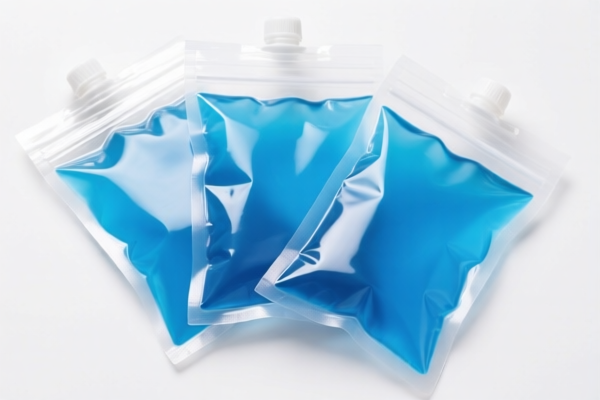
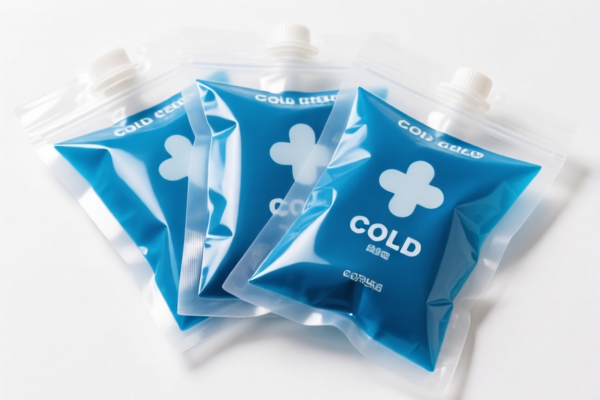
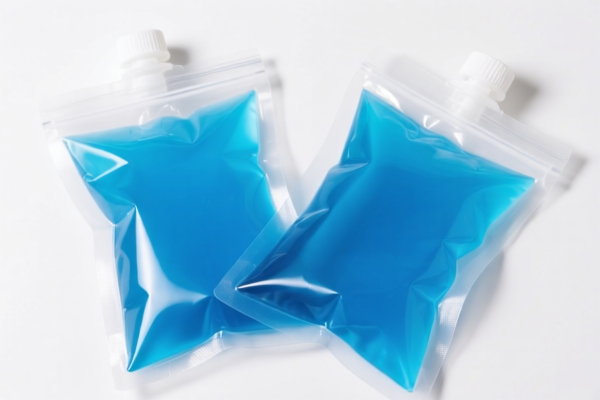
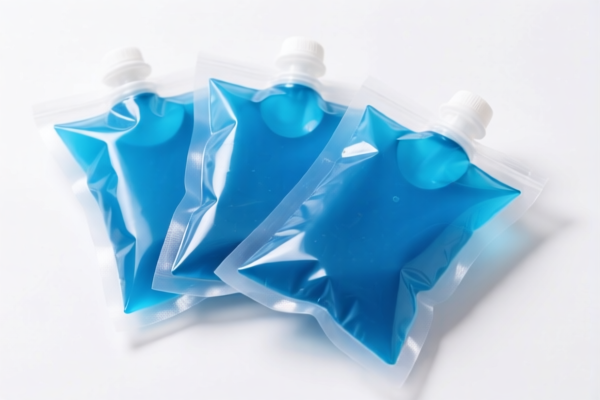
AI Analysis
🥶 Cold Storage Food Bags (Insulated Coolers & Lunch Bags)
🌐 HS Code Reference & Customs Clearance Guide | 2026 Latest Tariff Analysis | Strategic Clearance Strategy
📌 I. Product Definition & Classification: Do You Really Understand "Cold Storage Bags"?
Cold storage food bags, often referred to as insulated coolers, thermal bags, or lunch bags, are essential tools for transporting temperature-sensitive goods. In international trade, classification depends heavily on material composition and functional design. They are generally categorized into two main types:
1. Textile-Based Bags (Chapter 42/63):
Outer surface made of artificial fibers, textiles, or other fabric materials. Often lined with insulating materials (EPE, aluminum foil, etc.). These fall under heading 4202 (articles of bedding, travelling, etc.) or 6307 (other made-up articles).
2. Plastic/Polymer Bags (Chapter 39):
Shaped like pouches or sacks, typically made from polyethylene (PE) or other plastic films. These fall under heading 3923 (articles for the conveyance or packing of goods).
⚠️ Key Distinction Point:
- If the outer surface is textile/fabric → Look at 4202.92.08 or 6307.90.98.
- If the outer surface is plastic film/pouch → Look at 3923.21.00 or 3923.29.00.
- Crucial Note: The presence of "insulation" does not automatically change the chapter; the outer material usually dictates the primary heading.
📦 II. HS Code Classification Details (2026 Latest Tariff Reference)
Based on the provided data, here are the 6 specific HS Codes and their logical justifications for Cold Storage Food Bags:
| HS Code | Product Description & Logic | Material/Shape Characteristics | Tax Category |
|---|---|---|---|
6307.90.98.84 |
Other Made-Up Articles: Classified as a generic finished bag. Inferred material: Plastic or Artificial Fiber. | Shape: Bag-like. Function: General use. | Basic: 7.0% |
4202.92.08.07 |
Articles of Traveling/Storage: Matches "Cold Storage" purpose. Outer surface: Artificial fiber/textile. Category: Insulated food bag. | Outer: Textile/Fiber. Inner: Insulation. | Basic: 7.0% |
3923.21.00.95 |
Pouches/Sacks: Material: Polyethylene (PE) or similar plastic film. Fits vinyl polymer characteristics. | Shape: Pouch. Material: Plastic Film. | Basic: 3.0% |
3923.29.00.00 |
Plastic Packing Goods: Shape: Pouch/Sack. Material: Plastic. Category: Plastic goods for transport/packing. | Shape: Sack/Pouch. Material: Plastic. | Basic: 3.0% |
4202.92.08.09 |
兜底分类 (Catch-all): Matches Cold Storage/Thermal function. Outer: Textile or other category. | Outer: Textile/Other. Function: Thermal. | Basic: 7.0% |
6307.90.98.91 |
Other Made-Up Articles: Shape: Finished bag. Material: Plastic or Composite. Category: Other made-up articles. | Shape: Bag. Material: Plastic/Composite. | Basic: 7.0% |
🔍 Critical Reminder:
- Textile Outer Surface → Typically attracts higher base tariffs (7%) but may have different additional tax structures.
- Plastic Outer Surface → Typically attracts lower base tariffs (3%) but is subject to specific "122 Clause" and "Section 301" tariffs.
- Insulation Layer: While important for function, customs primarily classify based on the external material unless the insulation constitutes the essential character (rare for simple bags).
💰 III. 2026 Latest Tariff Rate Details (Including Additional Taxes & Policy Surcharges)
✅ Applicable Country: United States (US)
✅ Origin: China (CN)
✅ Effective Date: Ongoing (including subsequent imports under current trade policies)
🎯 1. Textile-Based Bags: 4202.92.08.07 & 4202.92.08.09
| Item | Detail |
|---|---|
| Base Tariff | 7.0% |
| Section 301 Additional Tariff | +25.0% |
| "122 Clause" Additional Tariff | +10.0% |
| Total Tariff Rate | 42.0% |
| Calculation Method | CIF Value × 42.0% |
| De Minimis Exemption? | ❌ NO (Not eligible) |
| Legal Basis Path | Base: 4202.92.08 → Sec 301: Footnote 9903.88.01 → 122 Clause: Specific HTS |
📌 Explanation:
- The 7% is the standard MFN (Most Favored Nation) duty for textile-based travel/storage articles.
- The 25% is the standard Section 301 tariff on Chinese goods.
- The 10% is a specific additional levy (often referred to as the "122 Clause" in internal systems) applicable to these categories.
- Total: 42%. This is a high-cost category.
🎯 2. Generic Made-Up Articles: 6307.90.98.84 & 6307.90.98.91
| Item | Detail |
|---|---|
| Base Tariff | 7.0% |
| Section 301 Additional Tariff | +7.5% |
| "122 Clause" Additional Tariff | +10.0% |
| Total Tariff Rate | 24.5% |
| Calculation Method | CIF Value × 24.5% |
| De Minimis Exemption? | ❌ NO (Not eligible) |
| Legal Basis Path | Base: 6307.90.98 → Sec 301: Footnote 9903.88.01 → 122 Clause: Specific HTS |
📌 Explanation:
- The 7% is the base duty for other made-up articles.
- The 7.5% Section 301 rate is lower than the 25% for textile bags, making this a strategically cheaper classification if the product can be justified as "other made-up articles" rather than "travel articles."
- Total: 24.5%. This is the lowest total tariff among all options, offering significant cost savings.
🎯 3. Plastic Bags: 3923.21.00.95 & 3923.29.00.00
| Item | Detail |
|---|---|
| Base Tariff | 3.0% |
| Section 301 Additional Tariff | +25.0% |
| "122 Clause" Additional Tariff | +10.0% |
| Total Tariff Rate | 38.0% |
| Calculation Method | CIF Value × 38.0% |
| De Minimis Exemption? | ❌ NO (Not eligible) |
| Legal Basis Path | Base: 3923.29 → Sec 301: Footnote 9903.88.01 → 122 Clause: Specific HTS |
📌 Explanation:
- The 3% base duty is very low, typical for plastic packing goods.
- However, the 25% Section 301 tariff is high, bringing the total to 38%.
- This is more expensive than the6307category but cheaper than the4202category.
🛠️ IV. Customs Clearance Practical Advice (Real-World Pitfall Guide)
✅ 1. Preparation Checklist (Mandatory Documents)
| Document | Required | Description |
|---|---|---|
| ✅ Product Specifications | ✔️ | Detail dimensions, volume, zipper type, insulation material (EPE, foam, foil). |
| ✅ Material Breakdown | ✔️ | Critical: Specify % composition of outer shell vs. lining. This determines Chapter 39 vs. 42/63. |
| ✅ Product Photos | ✔️ | Clear shots of the outside, inside, labels, and packaging. |
| ✅ Commercial Invoice | ✔️ | Must state "Cold Storage Food Bag" or "Insulated Lunch Bag." Avoid vague terms like "Bag." |
| ✅ Packing List | ✔️ | Show quantity, weight, and packaging details. |
| ✅ Third-Party Test Report | ✔️ | FDA compliance (if for food contact), CPSIA (if for children), or general durability tests. |
✅ 2. Classification Strategy (Key Mnemonics)
🔥 “Outer Material is King, Insulation is Queen. Don’t Mix Up Chapters!”
| Scenario | Correct HS Code | Wrong Classification | Consequence |
|---|---|---|---|
| Outer: Fabric, Lining: Plastic | 4202.92.08 or 6307.90.98 |
3923.29 (Plastic) |
Tax Error: 38% vs 42%/24.5%. Risk of penalty. |
| Outer: Plastic Film, Lining: Foam | 3923.21.00 or 3923.29.00 |
4202.92.08 (Textile) |
Tax Error: 38% vs 42%. Risk of penalty. |
| Composite Material | 6307.90.98.84/91 |
4202.92.08 |
Tax Savings: 24.5% vs 42%. Highly Recommended if eligible. |
✅ 3. Special Situation Handling
| Situation | Handling Advice |
|---|---|
| OEM Custom Bags | Provide design files and customer agreements. Avoid generic names if they mislead customs on material. |
| Children’s Lunch Bags | Additional CPSIA testing may be required. Ensure labels meet US safety standards. |
| Food Contact Materials | If the inner lining touches food directly, ensure FDA 21 CFR compliance. |
| Large Quantity Imports | Consider applying for an Exclusion under Section 301 if available, though rare for consumer bags. |
🌍 V. Global Market Clearance Comparison (2026 Latest)
| Country/Region | Recommended HS Code | Tariff (CN Origin) | Certification Requirements | Notes |
|---|---|---|---|---|
| 🇺🇸 USA | 6307.90.98.91 |
24.5% (Lowest) | General Safety | Avoid 4202 if possible due to 42% rate. |
| 🇨🇳 China | 4202.92.00 |
~8-10% | CCC (if applicable) | No Section 301. |
| 🇪🇺 EU | 4202.92.00 |
4% | CE (if electrical components) | No major additional tariffs. |
| 🇬🇧 UK | 4202.92.00 |
4% | UKCA | Post-Brexit rules apply. |
| 🇯🇵 Japan | 4202.92.00 |
6% | PSE (if heating) | Low base rates. |
📌 Conclusion:
- The USA is the most expensive market due to Section 301 and "122 Clause" tariffs.
- Strategic Move: If your bag is made of composite materials (e.g., plastic-coated fabric), classify under 6307.90.98 to achieve the 24.5% rate instead of 42%.
- Plastic Bags are a middle ground at 38%.
📌 VI. Common Errors & Pitfalls Guide (Blood Lessons)
❌ Error 1: Classifying a Fabric-Outer bag as Plastic (3923)
👉 Consequence: Incorrect classification → Potential penalties + retroactive duty difference. Customs will reject "Plastic" if the outer shell is clearly textile.
❌ Error 2: Classifying a Plastic-Outer bag as Textile (4202)
👉 Consequence: Wrong chapter → Higher risk of audit. Base rate is higher, but the bigger issue is compliance accuracy.
❌ Error 3: Ignoring the "122 Clause" 10% Surcharge
👉 Consequence: Underestimating landed cost. Always calculate Total Tax = Base + 301 + 122.
❌ Error 4: Using vague descriptions like "Insulated Bag" without material specs
👉 Consequence: Customs may select the highest possible tariff (42%) by default during inspection.
✅ Correct Practice:
“Insulated Lunch Bag, Outer: 600D Polyester, Lining: Aluminum Foil/EPE Foam, Zipper Closure, Model ABC”
🎯 VII. Conclusion: Professional Classification, Cost Optimization!
🎯 Remember the Golden Rule:
🔹 “Outer Material Decides Chapter, Insulation is Just a Lining.”
🔹 “6307 is Your Friend (24.5%), 4202 is Your Enemy (42%), 3923 is the Middle (38%).”
🔹 “Declare Materials Clearly, Avoid 42% Unless Necessary!”
📌 Pro Tip:
If your product can be classified as a Composite Material Bag (e.g., plastic-laminated fabric), argue for 6307.90.98.91 to save 17.5% compared to the textile classification. This requires strong material evidence!
📣 Immediate Action:
📞 Consult a Customs Broker + Provide Material Composition Report + Apply for Pre-Ruling if possible.
🚀 Optimize Your Landed Cost, Ensure Smooth Clearance, Maximize Profit!
✨ Professional Clearance Starts with Precise Classification!
💼 Every Cent Counts in International Trade!
Customer Reviews
About HS Code Classification
The Harmonized System (HS) is an internationally standardized nomenclature developed by the World Customs Organization (WCO) to classify traded products. Over 200 countries use the HS system as the basis for customs tariffs, trade statistics, and import/export regulations.
Each HS code follows a hierarchical structure:
- Chapter (2 digits) — Broad category of goods (e.g., Chapter 84: Machinery and Mechanical Appliances)
- Heading (4 digits) — More specific grouping within the chapter
- Subheading (6 digits) — Internationally standardized breakdown, used by all WCO member countries
- National subdivisions (8-10 digits) — Country-specific extensions for further classification, such as US HTSUS 10-digit codes
Correct HS code classification is essential for smooth customs clearance, accurate duty payment, and compliance with trade regulations. Misclassification can lead to customs delays, overpayment of duties, or penalties.
When importing from CN to US, the applicable tariff rates may include:
- Most-Favored-Nation (MFN) rate — The standard duty rate applied to WTO members
- General rate — Applied to countries without trade agreements
- Trade remedy duties — Additional tariffs such as Section 301 (anti-dumping), Section 232 (national security), or countervailing duties
The information provided on this page is for reference purposes only. For official classification, please consult with your local customs authority or a licensed customs broker.