Cold Water Plastic Pipe Fitting
CN → US| HS Code | Tariff Rate | Origin | Destination | Doc |
|---|---|---|---|---|
| 3926305000 | 22.8% | CN | US | Official Doc |
| 3926909987 | 22.8% | CN | US | Official Doc |
Product Images
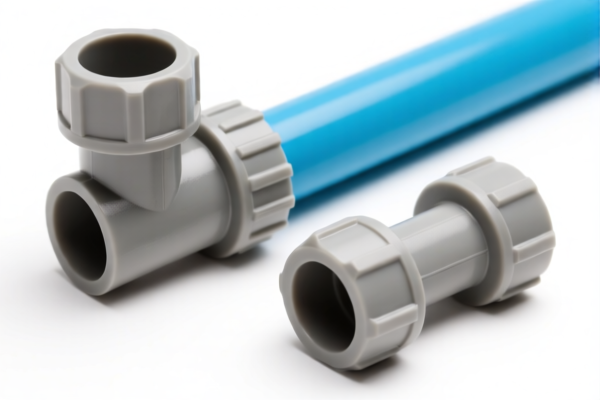
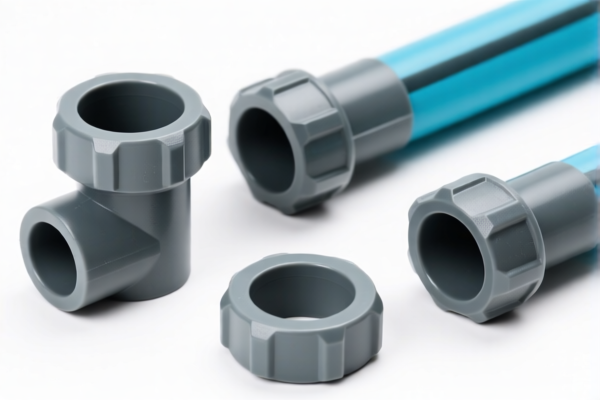
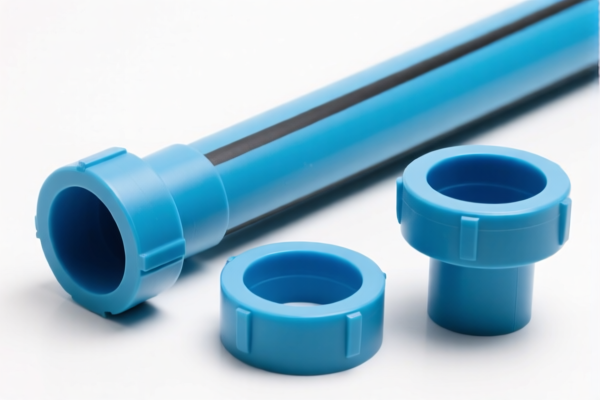
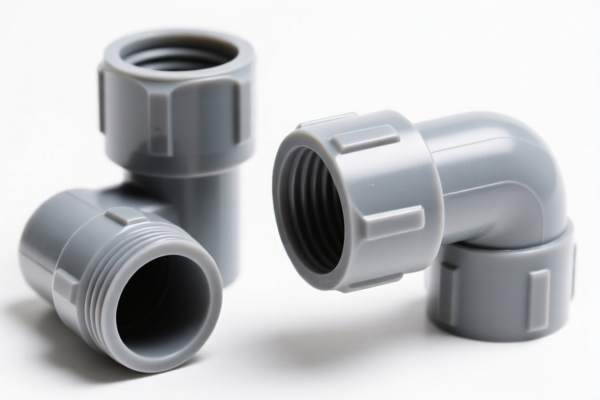
AI Analysis
💧 Cold Water Plastic Pipe Fittings: The Unsung Heroes of Fluid Transport
🌐 HS Code Reference & Customs Clearance Guide | 2026 Latest Tariff Analysis | Professional-Level Clearance Strategy
📌 Part 1: Product Definition & Classification: Do You Really Understand "Plastic Pipe Fittings"?
Plastic pipe fittings are critical connection components in plumbing, HVAC, and industrial fluid systems. In international trade, they are strictly categorized based on their function and material composition. Unlike structural plastic articles, these are designed specifically to connect, divert, or terminate pipes.
Key Distinction:
- Fittings (Connections): Elbows, tees, couplings, reducers, caps used to join pipes → Typically classified under Chapter 39 (Plastics) or Chapter 40 (Rubber) depending on material, specifically as "Fittings for furniture, coachwork or the like" if not explicitly covered by more specific headings (like 3917 for tubes/valves). Note: The provided data points to Chapter 39 headings 3901-3914, implying general plastic articles.
- Rigid Tubes/Pipes: The actual pipe sections themselves → Classified under 3917 (not in scope of provided data, but important for context).
- Other Plastic Articles: General plastic components not specified elsewhere → Classified under 3926.
⚠️ Critical Clarification:
- If the item is a connection fitting (elbow, tee, socket) made of plastic (PE, PVC, PP, etc.) and not a tube/valve itself, it often falls under 3926.30 (Fittings for furniture, coachwork or the like) or 3926.90 (Other) depending on specific national interpretations. However, note that some countries classify pipe fittings under 3917.90. In the provided DATA, we see two specific codes under 3926. Let's analyze why they appear here based on the provided JSON.
- The provided DATA lists 3926.30.50.00 and 3926.90.99.87. This suggests a specific classification path where pipe fittings are treated as "Other articles of plastics" rather than under Chapter 3917 (Tubes/Pipes/Valves), possibly due to specific national tariff schedules or the nature of the "fitting" being considered a "part" or "accessory" rather than a pipe itself.
📦 Part 2: HS Code Classification Details (Based on Provided DATA)
| HS Code | Product Description | Applicable Scenario | Material/Type |
|---|---|---|---|
3926.30.50.00 |
Other articles of plastics and articles of other materials of headings 3901 to 3914: Fittings for furniture, coachwork or the like: Other | General plastic pipe fittings (elbows, tees, connectors) not specified as electrical conduit | ✅ General Purpose Plastic Fittings |
3926.90.99.87 |
Other articles of plastics and articles of other materials of headings 3901 to 3914: Other: Other Rigid tubes or pipes suitable for use as electrical conduit | Rigid plastic conduits/pipes used for electrical wiring protection | ✅ Electrical Conduit Pipes |
🔍 Key Insight from DATA:
- The data includes 3926.90.99.87 which explicitly mentions "electrical conduit".
- Cold Water Plastic Pipe Fitting is a plumbing component, not an electrical conduit.
- Therefore,3926.90.99.87is INAPPLICABLE for cold water fittings. It applies only to electrical conduit pipes.
- The correct code for general plastic pipe fittings (non-electrical) from the provided data is3926.30.50.00.
💰 Part 3: 2026 Latest Tariff Rate Breakdown (Based on Provided DATA)
✅ Applicable Country: United States (US)
✅ Origin: China (CN) (Assumed based on tax structure typical of US-China trade data)
✅ Effective Time: 2025/2026 Rates
🎯 1. 3926.30.50.00 —— General Plastic Pipe Fittings (Correct Classification)
| Item | Content |
|---|---|
| Base Tariff | 0.0% |
| Additional Tariff | 0.0% |
| Total Tariff | 0.0% |
| Tax Detail | Base: 0.0%, Additional: 0.0% |
| Calculation | CIF Value × 0.0% = $0 |
| De Minimis Eligibility | ✅ Yes (if under $800 for de minimis entry, but subject to other regulations) |
| Legal Basis | USITC:3926.30.50.00 |
📌 Explanation:
- This code has ZERO duty according to the provided DATA.
- This is highly favorable for importers of plastic plumbing fittings.
- Note: Ensure the product is genuinely a "fitting" and not a "valve" or "pipe" which might have different classifications.
🎯 2. 3926.90.99.87 —— Rigid Tubes for Electrical Conduit (INAPPLICABLE for Water Pipes)
| Item | Content |
|---|---|
| Base Tariff | 5.3% |
| Additional Tariff | 7.5% |
| Total Tariff | 12.8% |
| Tax Detail | Base: 5.3%, Additional: 7.5% |
| Calculation | CIF Value × 12.8% |
| De Minimis Eligibility | ❌ Likely Not (subject to Section 301 tariffs) |
| Legal Basis | USITC:3926.90.99.87 |
📌 Warning:
- DO NOT USE THIS CODE for cold water pipe fittings.
- Misclassifying a water fitting as an electrical conduit can lead to underpayment of duties if the correct code for water pipes (if different) has higher duties, or overpayment if this code is used incorrectly.
- This code is strictly for electrical conduit pipes, not plumbing fittings.
🛠️ Part 4: Customs Clearance Practical Advice (Real-World Pitfalls Guide)
✅ 1. Documentation Checklist (Must-Have)
| Document | Required | Explanation |
|---|---|---|
| ✅ Product Specification Sheet | ✔️ | Must clearly state: Material (e.g., PVC, PE), Application (Water Plumbing), Pressure Rating, Temperature Range. |
| ✅ Commercial Invoice | ✔️ | Must specify "Plastic Pipe Fittings for Water Supply" and NOT "Electrical Conduit". |
| ✅ Packing List | ✔️ | Detail quantity, weight, and dimensions. |
| ✅ Material Test Report | ✔️ | Proof of food-grade or potable water compliance (e.g., NSF/ANSI 61) if intended for drinking water. |
| ✅ Photos | ✔️ | Clear images showing the fitting type (elbow, tee, etc.) and any markings. |
✅ 2. Declaration Tips (Key Mantras)
🔥 “Correct Code, Correct Description, Zero Duty for Fittings!”
| Scenario | Correct Declaration | Incorrect Declaration |
|---|---|---|
| Plastic Elbow/Tee for Water Pipes | 3926.30.50.00 - Plastic Pipe Fittings |
3926.90.99.87 - Electrical Conduit (Wrong!) |
| Plastic Pipe (Not Fitting) | Check Chapter 3917 (Not in provided data) | 3926.30.50.00 (Wrong! Fittings vs. Pipes) |
| Metal Pipe Fitting | Chapter 73 or 84 (Not in provided data) | 3926.30.50.00 (Wrong! Material must be plastic) |
✅ 3. Special Circumstances Handling
| Situation | Handling Advice |
|---|---|
| Mixed Shipment | If a shipment contains both electrical conduits and water fittings, separate them in documentation and potentially in physical packaging to avoid misclassification. |
| OEM Custom Fittings | Provide design drawings to prove they are standard fittings and not specialized industrial equipment. |
| Potable Water Use | Emphasize NSF/ANSI 61 certification to avoid health-related customs holds, even if duties are 0%. |
| High-Pressure Fittings | Ensure pressure ratings are clearly stated to avoid being classified as industrial valves (different HS code). |
🌍 Part 5: Global Market Comparison (2026 Latest)
| Country/Region | Recommended HS Code | Tariff | Certification | Notes |
|---|---|---|---|---|
| 🇺🇸 United States | 3926.30.50.00 |
0.0% | NSF/ANSI 61 (if potable) | Zero duty! Avoid 3926.90.99.87 for water fittings. |
| 🇨🇳 China | 3926.30.50.00 or 3926.90.99.99 |
5-10% | CCC (if applicable) | Import tariffs may vary. |
| 🇪🇺 European Union | 3926.90.90 |
0% (Most) | CE, REACH | Plastic fittings often duty-free. |
| 🇬🇧 United Kingdom | 3926.90.90 |
0% | UKCA, REACH | Post-Brexit rules apply. |
| 🇦🇺 Australia | 3926.90.90 |
5% | WaterMark (if potable) | Mandatory certification for plumbing. |
📌 Conclusion:
- USA offers 0% duty for plastic pipe fittings under3926.30.50.00.
- Misclassification as electrical conduit (3926.90.99.87) leads to 12.8% duty, which is a costly error.
- Always ensure the product description matches plumbing, not electrical.
📌 Part 6: Common Mistakes & Pitfalls (Blood Lessons)
❌ Mistake 1: Using 3926.90.99.87 for water pipe fittings
👉 Consequence: Paying 12.8% duty unnecessarily.
👉 Fix: Use 3926.30.50.00.
❌ Mistake 2: Calling the product "Plastic Pipe" instead of "Fitting"
👉 Consequence: Potential misclassification under Chapter 3917 (Tubes/Pipes), which may have different duties.
👉 Fix: Be precise: "Plastic Pipe Fitting (Elbow, Tee, Coupling)".
❌ Mistake 3: Ignoring Material Specification
👉 Consequence: If the fitting is metal, it will be rejected for 3926.30.50.00.
👉 Fix: Confirm 100% plastic composition.
❌ Mistake 4: Not disclosing Potable Water Use
👉 Consequence: Health safety concerns, potential detention by FDA or local authorities.
👉 Fix: Include NSF/ANSI 61 certification if applicable.
✅ Correct Approach:
"Plastic Pipe Fittings, PVC, Elbow 90°, for Cold Water Supply, NSF/ANSI 61 Certified, Model XYZ"
🎯 Part 7: Conclusion: Professional Declaration, Save Costs!
🎯 Remember the Mantra:
🔹 "Water Fittings: 3926.30.50.00, Duty 0%!
Electrical Conduit: 3926.90.99.87, Duty 12.8%!
Don't Mix Them Up, or You'll Pay More!"
📌 Pro Tip:
- If your plastic pipe fittings are for drinking water, ensure you have NSF/ANSI 61 certification to avoid health-related customs delays.
- If you are unsure, request a Binding Ruling from US Customs before shipment.
📣 Immediate Action:
📞 Contact your customs broker + Provide Product Specs + Confirm HS Code
3926.30.50.00
🚀 Ensure Smooth Clearance, 0% Duty, and Maximum Profit!
✨ Professional Customs Clearance Starts with Accurate Classification!
💼 Every Percent of Duty Saved is Pure Profit!
Customer Reviews
About HS Code Classification
The Harmonized System (HS) is an internationally standardized nomenclature developed by the World Customs Organization (WCO) to classify traded products. Over 200 countries use the HS system as the basis for customs tariffs, trade statistics, and import/export regulations.
Each HS code follows a hierarchical structure:
- Chapter (2 digits) — Broad category of goods (e.g., Chapter 84: Machinery and Mechanical Appliances)
- Heading (4 digits) — More specific grouping within the chapter
- Subheading (6 digits) — Internationally standardized breakdown, used by all WCO member countries
- National subdivisions (8-10 digits) — Country-specific extensions for further classification, such as US HTSUS 10-digit codes
Correct HS code classification is essential for smooth customs clearance, accurate duty payment, and compliance with trade regulations. Misclassification can lead to customs delays, overpayment of duties, or penalties.
When importing from CN to US, the applicable tariff rates may include:
- Most-Favored-Nation (MFN) rate — The standard duty rate applied to WTO members
- General rate — Applied to countries without trade agreements
- Trade remedy duties — Additional tariffs such as Section 301 (anti-dumping), Section 232 (national security), or countervailing duties
The information provided on this page is for reference purposes only. For official classification, please consult with your local customs authority or a licensed customs broker.