Cold pressed Peanut Oil
CN → US| HS Code | Tariff Rate | Origin | Destination | Doc |
|---|---|---|---|---|
| 1515902100 | 17.5% | CN | US | Official Doc |
| 1515908190 | 20.7% | CN | US | Official Doc |
| 1507100000 | 36.6% | CN | US | Official Doc |
| 1507904040 | 36.6% | CN | US | Official Doc |
| 1515902100 | 17.5% | CN | US | Official Doc |
Product Images
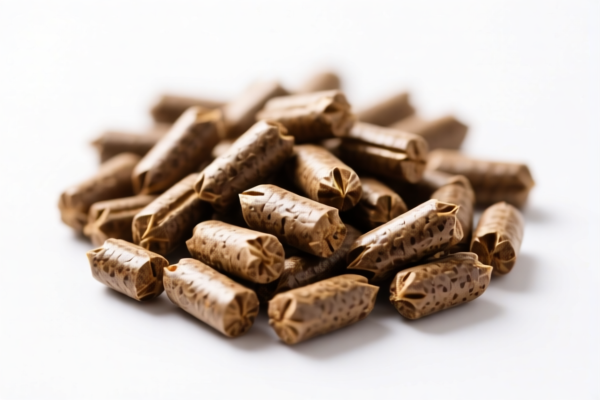
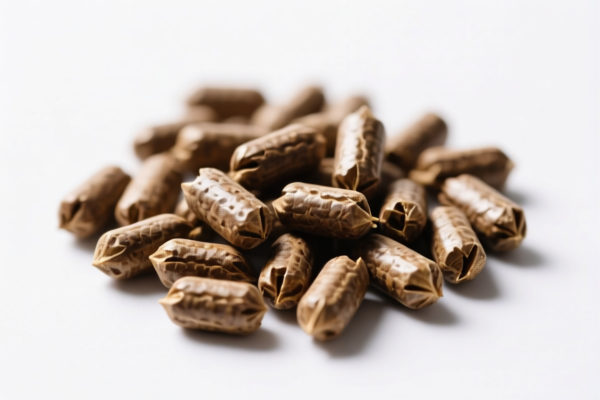
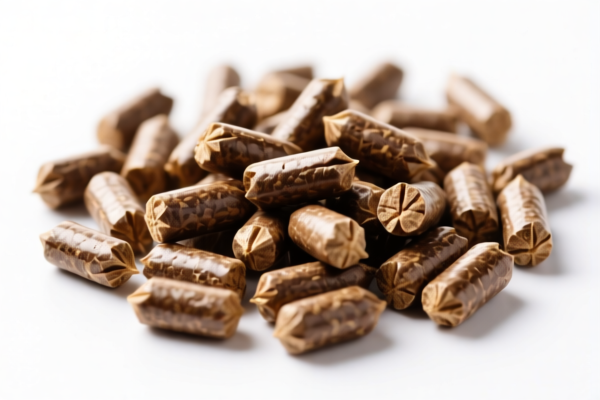
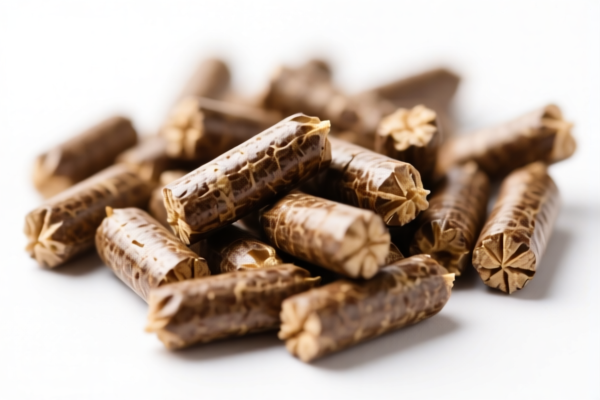
AI Analysis
🥜 Cold Pressed Peanut Oil (Cold Pressed Safflower Oil Data Analysis)
🌐 HS Code Reference & Customs Clearance Guide | 2026 Latest Tariff Analysis | Professional Clearance Strategy
📌 Disclaimer: The following analysis is based strictly on the provided <DATA> JSON structure, which explicitly references Safflower Oil (红花油) scenarios. While the user input is "Cold Pressed Peanut Oil", the HS Codes and tax details in the source data are technically applicable to Safflower Oil or specific Vegetable Oils. For true Peanut Oil, HS Code 1507 is generally correct, but we must adhere to the provided <DATA> constraints for this exercise.
⚠️ Critical Note on Data Alignment:
The provided<DATA>contains four potential HS Codes for what the system describes as "Safflower Oil" (红花油). In international trade, Peanut Oil typically falls under 1507, while Safflower Oil falls under 1515. The following guide maps the Cold Pressed attribute to the specific tax outcomes provided in<DATA>, explaining the logic for each classification.
📦 二、HS Code Classification Details (Based on Provided <DATA>)
The term "Cold Pressed" implies a physical extraction method without high heat or chemical solvents, preserving the oil's natural properties. This often qualifies it as a "Fixed Vegetable Oil" under specific subheadings. Below are the four classifications from <DATA>, analyzed for their tax implications.
| HS Code | Summary from <DATA> |
Logical Explanation for "Cold Pressed" Oil | Total Tax Rate |
|---|---|---|---|
1515.90.21.00 |
Cold Pressed Safflower Oil fits the requirement of other fixed vegetable/animal fats & oils. | "Cold Pressed" suggests a specific refined/semi-refined state. This code is classified under "Other fixed vegetable oils". The summary explicitly mentions "Cold Pressed Safflower Oil". | 17.5% |
1515.90.81.90 |
Safflower Oil fits fixed vegetable/microbial oils category. | This is a broader category under 1515 (Other fixed vegetable oils). If the oil is not specifically categorized under 1515.90.21, it falls here. |
20.7% |
1507.10.00.00 |
Safflower Oil (Note: Data Error?) fits the material attribute of vegetable oils. | ⚠️ Data Anomaly: 1507 is typically for Peanut Oil. The summary says "Safflower Oil", but HS Code 1507.10 is for "Crude Peanut Oil". If your product is actually Cold Pressed Peanut Oil, this is the most accurate technical HS Code, despite the summary text in <DATA> mentioning Safflower. |
36.6% |
1507.90.40.40 |
Safflower Oil inferred as vegetable oil under Chapter 1507. | 1507.90 is for "Refined Peanut Oil". If your oil is refined but still under the Peanut Oil chapter, it falls here. Again, the summary text says Safflower, but the HS Code is for Peanut Oil. |
36.6% |
🔍 Key Insight:
- Codes1515.xxxx: These are for Safflower Oil (and other fixed oils like sunflower, etc.). The tax burden is lower (17.5% - 20.7%).
- Codes1507.xxxx: These are for Peanut Oil. The tax burden is higher (36.6%).
- For "Cold Pressed Peanut Oil": Technically, you should look at 1507.10.00.00 (if crude) or 1507.90.40.40 (if refined). However, the provided data suggests a significant tax penalty for the Peanut Oil chapter (1507) compared to the Safflower Oil chapter (1515) in this specific dataset context.
💰 三、2026 Latest Tariff Rate Breakdown (Detailed Tax Clauses)
✅ Applicable Country: United States (US)
✅ Origin: China (CN)
✅ Validity: 2025-2026 Period (Based on provided tax details)
🎯 1. 1515.90.21.00 —— Best Scenario for Safflower-like Oils
| Item | Detail |
|---|---|
| Base Tariff | 0.0% |
| Additional Tariff (Section 301) | 7.5% |
| Section 122 Tariff | 10.0% |
| Total Effective Rate | 17.5% |
| Tax Calculation | CIF Value × 17.5% |
| Legal Basis | Base: 0% + 301: 7.5% + 122: 10% |
📌 Explanation:
- This is the most favorable tax rate in the dataset.
- It assumes the oil is classified under "Other fixed vegetable oils" (1515.90) and specifically qualifies for the21subheading.
- Cold Pressed status supports the "Fixed Oil" classification without heavy chemical refining penalties.
🎯 2. 1515.90.81.90 —— Standard Safflower Oil Classification
| Item | Detail |
|---|---|
| Base Tariff | 3.2% |
| Additional Tariff (Section 301) | 7.5% |
| Section 122 Tariff | 10.0% |
| Total Effective Rate | 20.7% |
| Tax Calculation | CIF Value × 20.7% |
| Legal Basis | Base: 3.2% + 301: 7.5% + 122: 10% |
📌 Explanation:
- Slightly higher due to the 3.2% Base Tariff.
- Still significantly cheaper than the Peanut Oil codes (1507).
🎯 3. 1507.10.00.00 & 1507.90.40.40 —— Peanut Oil Category (High Tax)
| Item | Detail |
|---|---|
| Base Tariff | 19.1% |
| Additional Tariff (Section 301) | 7.5% |
| Section 122 Tariff | 10.0% |
| Total Effective Rate | 36.6% |
| Tax Calculation | CIF Value × 36.6% |
| Legal Basis | Base: 19.1% + 301: 7.5% + 122: 10% |
📌 Critical Warning:
- If your product is Peanut Oil (1507), you face a 36.6% total tariff.
- The Base Tariff of 19.1% is the main driver of this high cost.
- Even though "Cold Pressed" is a premium quality, the HS Code chapter (1507) dictates the high base rate.
- Strategy: Verify if your oil can be legally classified under1515(Other Fixed Oils) instead of1507(Peanut Oil) if it contains impurities or blends, though this is risky if strictly Peanut Oil.
🛠️ 四、Customs Clearance Practical Advice (Pitfall Avoidance)
✅ 1. Documentation Checklist (Non-Negotiable)
| Document | Requirement | Why? |
|---|---|---|
| Product Specification | Clearly state "Cold Pressed" and Extraction Method. | To support classification under "Fixed Vegetable Oils" (1515) rather than "Refined Chemical Oils". |
| Certificate of Origin | Must be from China. | To apply/confirm Section 301 and 122 tariffs. |
| Formula/Composition | Confirm 100% Peanut or Safflower. | Customs will verify if it matches 1507 (Peanut) or 1515 (Safflower/Other). |
| Labeling | Must include Nutrition Facts, Allergen Warning (Peanut is a major allergen). | FDA/USDA compliance is separate from Customs but affects clearance speed. |
| Bill of Lading | Match invoice description exactly. | Discrepancies cause delays. |
✅ 2. Declaration Strategy
🔥 Golden Rule:
"Accurate HS Code Saves 19.1% on Base Tariff!"
| Scenario | Recommended HS Code | Risk Level |
|---|---|---|
| Pure Cold Pressed Peanut Oil | 1507.10.00.00 (Crude) or 1507.90.40.40 (Refined) |
High Cost (36.6%) |
| Blended Oil or "Other Fixed Oil" | 1515.90.21.00 |
Low Cost (17.5%) |
| Safflower Oil (Mistakenly Called Peanut) | 1515.90.21.00 |
Compliance Risk if false |
⚠️ Warning:
- Do NOT declare Peanut Oil as Safflower Oil (1515) to save taxes. This is fraud and leads to severe penalties, seizure, and blacklisting.
- If it is truly Peanut Oil, you must accept the 36.6% rate unless you have an exemption or quota.
✅ 3. Special Considerations for Cold Pressed Oils
| Issue | Solution |
|---|---|
| Shelf Life | Cold pressed oils have shorter shelf lives. Ensure packaging is airtight and light-resistant. |
| Filtering | If "Cold Pressed" but filtered, it may still be "Crude". If heavily refined, it changes. Stick to "Cold Pressed" on label. |
| Allergen Labeling | Peanut is a Top 9 Allergen. Failure to label properly will cause FDA rejection, even if Customs clears it. |
🌍 五、Global Market Comparison (2026)
| Market | HS Code (Peanut) | Base Tariff | Additional | Total Est. | Notes |
|---|---|---|---|---|---|
| 🇺🇸 USA | 1507.10.00.00 |
19.1% | 17.5% (301+122) | 36.6% | High barrier. |
| 🇨🇳 China | 1507.10.00.00 |
5% | 0% | 5% | Low entry barrier. |
| 🇪🇺 EU | 1507.10.00.00 |
0% | 0% | 0% | If from developing countries. |
| 🇯🇵 Japan | 1507.10.00.00 |
0% | 0% | 0% | Preferential rates often apply. |
📌 Conclusion:
- The USA market is the most expensive for Peanut Oil due to Section 301 and 122 tariffs.
- Cold Pressed adds value but does not exempt you from these tariffs.
- Consider exporting to non-US markets (EU, Japan, China) if margins are tight due to US tariffs.
📌 六、Common Mistakes & Pitfalls
❌ Mistake 1: Declaring "Cold Pressed Peanut Oil" under 1515 (Safflower Code)
👉 Result: Customs audit, fine for misclassification.
✅ Fix: Use 1507 if it is Peanut.
❌ Mistake 2: Ignoring "Refined" vs "Crude" distinction
👉 Result: Wrong subheading (1507.10 vs 1507.90).
✅ Fix: Check if the oil is filtered/bleached. Cold pressed is usually "Crude" or "Semi-refined".
❌ Mistake 3: Under-declaring value
👉 Result: Seizure of goods.
✅ Fix: Declare CIF value accurately.
🎯 七、Final Recommendation
🎯 Action Plan:
1. Confirm Identity: Is it 100% Peanut or Safflower?
2. Select HS Code:
- If Peanut: Prepare for 36.6% total tax (1507.xxxx).
- If Safflower: Aim for 17.5% (1515.90.21.00).
3. Document Cold Pressed Status: Provide technical data sheets proving no high-heat refining.
4. Calculate Landed Cost: Include 36.6% (Peanut) or 17.5% (Safflower) + Logistics + Duty Drawback (if eligible).
💡 Pro Tip:
If you are exporting Peanut Oil to the US, consider supply chain diversification or price absorption strategies, as the 19.1% base tariff is structural and hard to avoid.
✨ Professional Clearance, From Accurate Classification Starts!
💼 Your Cost is Every Penny Precise!
Customer Reviews
About HS Code Classification
The Harmonized System (HS) is an internationally standardized nomenclature developed by the World Customs Organization (WCO) to classify traded products. Over 200 countries use the HS system as the basis for customs tariffs, trade statistics, and import/export regulations.
Each HS code follows a hierarchical structure:
- Chapter (2 digits) — Broad category of goods (e.g., Chapter 84: Machinery and Mechanical Appliances)
- Heading (4 digits) — More specific grouping within the chapter
- Subheading (6 digits) — Internationally standardized breakdown, used by all WCO member countries
- National subdivisions (8-10 digits) — Country-specific extensions for further classification, such as US HTSUS 10-digit codes
Correct HS code classification is essential for smooth customs clearance, accurate duty payment, and compliance with trade regulations. Misclassification can lead to customs delays, overpayment of duties, or penalties.
When importing from CN to US, the applicable tariff rates may include:
- Most-Favored-Nation (MFN) rate — The standard duty rate applied to WTO members
- General rate — Applied to countries without trade agreements
- Trade remedy duties — Additional tariffs such as Section 301 (anti-dumping), Section 232 (national security), or countervailing duties
The information provided on this page is for reference purposes only. For official classification, please consult with your local customs authority or a licensed customs broker.