Color Copy Film Waterproof
CN → US| HS Code | Tariff Rate | Origin | Destination | Doc |
|---|---|---|---|---|
| 3704000000 | 35.0% | CN | US | Official Doc |
| 3923900080 | 38.0% | CN | US | Official Doc |
| 3702520160 | 38.7% | CN | US | Official Doc |
| 3702550060 | 35.0% | CN | US | Official Doc |
| 5907001500 | 43.0% | CN | US | Official Doc |
Product Images
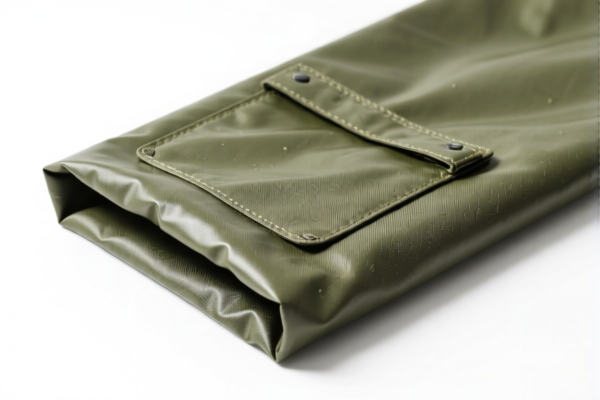
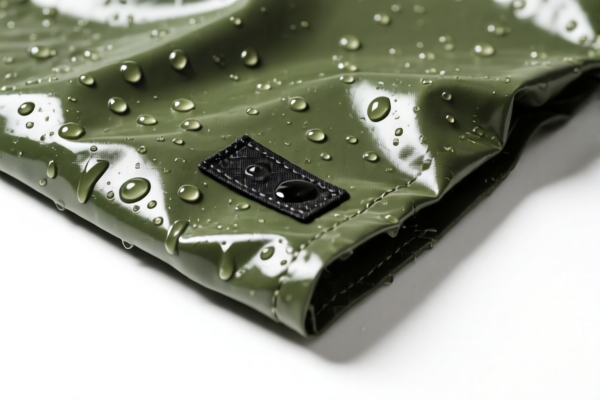
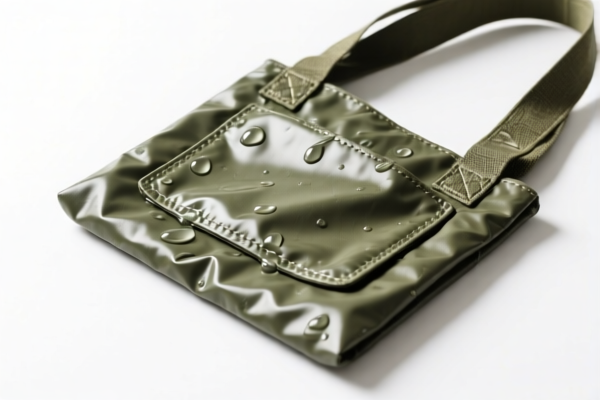
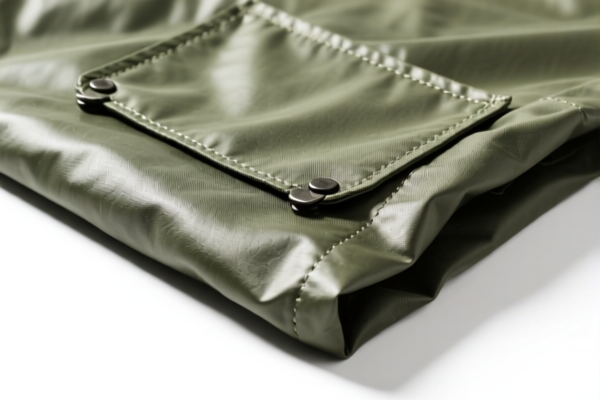
AI Analysis
🎞️ Color Copy Film Waterproof (Waterproof Protective Film for Color Copying Film)
🌐 HS Code Reference & Customs Clearance Guide | 2024-2025 Latest Tariff Analysis | Professional Customs Strategy
📌 Part 1: Product Definition & Classification: What is "Color Copy Film Waterproof"?
"Color Copy Film Waterproof" is not a standard standalone commodity name in international trade. It typically refers to one of two distinct product types, leading to different HS Code classifications and tax liabilities. Based on the provided data, we must distinguish between:
- Photographic Film Itself: Waterproof-grade color photographic film used for photography.
- Protective Packaging/Film: Plastic or coated fabric packaging/material used to protect the film during transport.
⚠️ Key Distinction Point:
- If the product is the actual light-sensitive photographic material →归类 to Chapter 37 (Photographic Goods).
- If the product is a packaging wrapper, plastic sleeve, or coated textile base →归类 to Chapter 39 (Plastics) or Chapter 59 (Impregnated Textiles).
📦 Part 2: HS Code Classification Details (2024-2025 Latest Tariff Reference)
Based on the provided <DATA>, here are the exact HS Codes and their corresponding tax profiles for "Color Copy Film Waterproof":
| HS Code | Product Description (Summary) | Tax Category | Total Tax Rate |
|---|---|---|---|
3704.00.00.00 |
Color photographic film, waterproof, matching photosensitive material morphology. | Photographic Goods | 35.0% |
3923.90.00.80 |
Color film waterproofing, inferred material is plastic, classified as packaging/transport supplies. | Plastics/Packaging | 38.0% |
3702.52.01.60 |
Color film waterproof, for color photography, non-paper/non-textile photosensitive film. | Photographic Goods | 38.7% |
3702.55.00.60 |
Color film waterproof, fits color photographic film use, non-paper/non-textile photosensitive material. | Photographic Goods | 35.0% |
5907.00.15.00 |
Waterproof film, morphology is coated film, material is textile base (artificial fiber/plastic). | Impregnated Textiles | 43.0% |
🔍 Key Analysis:
- Photographic Films (3704, 3702): These are the actual film stocks. Note the slight variation in tax rates (35% vs 38.7%) based on specific sub-categories (e.g., width, format, or specific photographic use).
- Packaging/Protective Layers (3923, 5907): These are secondary products. If you are shipping rolls of protective plastic wrap for the film, use these codes. The tax is generally higher or similar, but the nature of the goods is different.
💰 Part 3: 2024-2025 Tariff Rate Breakdown (Including Additional Duties)
✅ Applicable Region: United States (US)
✅ Origin: China (CN)
✅ Effective Time: Current applicable rates including Section 301 and Section 122 tariffs.
🎯 1. HS Code 3704.00.00.00 — Color Photographic Film (Waterproof)
| Item | Detail |
|---|---|
| Base Tariff | 0.0% |
| Section 301 (Add-on) | 25.0% |
| Section 122 Tariff | 10.0% |
| Total Tax Rate | 35.0% |
| Tax Calculation | CIF Value × 35% |
| De Minimis Exemption | ❌ Not Applicable (High duty rate prevents de minimis benefits in most cases) |
| Legal Basis Path | USITC:3704.00.00.00 → Section 301: Footnote 9903.88.01 → Section 122: EO 13936/Related |
📌 Explanation:
- The 0% base rate reflects the standard Most Favored Nation (MFN) duty for photographic film.
- The 25% is the standard Section 301 tariff on Chinese goods.
- The 10% is the specific Section 122 tariff (related to national security/import relief in certain contexts, often applied to specific manufacturing inputs).
- Total: 35%. This is a significant cost.
🎯 2. HS Code 3923.90.00.80 — Plastic Packaging/Wrapping for Film
| Item | Detail |
|---|---|
| Base Tariff | 3.0% |
| Section 301 (Add-on) | 25.0% |
| Section 122 Tariff | 10.0% |
| Total Tax Rate | 38.0% |
| Tax Calculation | CIF Value × 38% |
| De Minimis Exemption | ❌ Not Applicable |
| Legal Basis Path | USITC:3923.90.00.80 → Section 301 → Section 122 |
📌 Note:
- Even though it's "packaging," it attracts the same additional tariffs as the product itself if it's Chinese origin.
- The base rate is slightly higher (3% vs 0%), making the total tax higher (38%).
🎯 3. HS Code 3702.52.01.60 / 3702.55.00.60 — Specific Photosensitive Film Variants
| Item | Detail |
|---|---|
| Base Tariff | 0.0% (for .55) or 3.7% (for .52) |
| Section 301 (Add-on) | 25.0% |
| Section 122 Tariff | 10.0% |
| Total Tax Rate | 35.0% (.55) or 38.7% (.52) |
| Tax Calculation | CIF Value × Rate |
📌 Critical Difference:
-3702.55.00.60has a 0% base, leading to 35% total.
-3702.52.01.60has a 3.7% base, leading to 38.7% total.
- Strategy: Ensure your product description and physical characteristics (width, perforation, type of emulsion) strictly match the 35% bucket if possible, to save 3.7%.
🎯 4. HS Code 5907.00.15.00 — Coated Textile/Waterproof Film Base
| Item | Detail |
|---|---|
| Base Tariff | 8.0% |
| Section 301 (Add-on) | 25.0% |
| Section 122 Tariff | 10.0% |
| Total Tax Rate | 43.0% |
| Tax Calculation | CIF Value × 43% |
📌 Warning:
- This is the highest tax bracket in the provided data.
- Only use this if the item is explicitly a textile substrate coated for photographic/textile purposes, not for general photography. Misclassification here leads to high costs.
🛠️ Part 4: Customs Clearance Practical Advice (Avoid Pitfalls)
✅ 1. Preparation Checklist (Mandatory)
| Document | Must Provide | Purpose |
|---|---|---|
| Product Specifications | ✔️ | Must clarify: Is it light-sensitive film (Ch 37) or plastic packaging (Ch 39)? |
| Composition Analysis | ✔️ | For Ch 59: Prove if the base is textile + coating. For Ch 39: Prove it's plastic. |
| Product Photos | ✔️ | Show packaging, labels, and the item itself. |
| Commercial Invoice | ✔️ | Clearly state: "Color Photographic Film, Waterproof Type" or "Protective Plastic Wrap for Film". |
| Country of Origin | ✔️ | Crucial for applying Section 301 and 122 tariffs. |
✅ 2. Classification Strategy (Key Tips)
🔥 "Define Use, Then Define Material!"
| Scenario | Correct HS Code | Risk of Wrong Code |
|---|---|---|
| Actual Camera Film (Waterproof) | 3704.00.00.00 or 3702.55.00.60 |
⚠️ High Risk: If misclassified as packaging (3923), you pay 38% instead of 35%. If misclassified as coated textile (5907), you pay 43%. |
| Protective Plastic Sleeve | 3923.90.00.80 |
✅ Low Risk, but ensure it's not a "finished product" for photography. |
| Coated Fabric for Printing | 5907.00.15.00 |
⚠️ High Tax (43%). Only use if strictly textile-based. |
📌 Important:
- Do NOT label "Waterproof Film" as "Plastic Bag" if it is actually photographic film. Customs may inspect and reclassify, leading to penalties.
- Do NOT label photographic film as "Textile" to avoid tariffs. The base rate is 0% for Ch 37, which is better than 8% for Ch 59.
✅ 3. Special Considerations
| Issue | Advice |
|---|---|
| De Minimis (Section 321) | ❌ Not Applicable. With total tariffs >10%, shipments cannot use the $800 de minimis exemption effectively if duties are collected. Plan for full duty payment. |
| Section 122 | Ensure the "Section 122 Tariff 10%" is correctly applied. This is often tied to specific import relief measures. Check if your specific film type qualifies. |
| Labeling | Clearly mark "For Photographic Use Only" on the packaging to support Ch 37 classification. |
🌍 Part 5: Market Comparison (US vs. Others)
| Market | Recommended HS Code | Estimated Total Duty (China Origin) | Notes |
|---|---|---|---|
| 🇺🇸 United States | 3704.00.00.00 |
35.0% | Includes 25% Sec 301 + 10% Sec 122. |
| 🇨🇳 China | 3702.55.00.00 |
~3-7% | Lower base tariffs, no additional US-style add-ons. |
| 🇪🇺 EU | 3702.55.00.00 |
~6.5% | Standard EU duty for photographic film. No 25% add-on. |
| 🇯🇵 Japan | 3702.55.00.00 |
~5-7% | JEVAs may apply if origin certified. |
📌 Conclusion:
- The US market is the most expensive due to the combination of 25% (Sec 301) + 10% (Sec 122) tariffs.
- European and Japanese markets are significantly more favorable. Consider diversifying markets or supply chains if US duties impact profitability.
📌 Part 6: Common Errors & Pitfalls (Lessons Learned)
❌ Error 1: Classifying Photographic Film as Plastic Packaging (3923)
👉 Result: You pay 38% instead of 35%. Unnecessary cost increase.
❌ Error 2: Classifying Photographic Film as Coated Textile (5907)
👉 Result: You pay 43%. Massive cost increase. Also high risk of audit because film is not a textile.
❌ Error 3: Omitting Section 122 Tariff in declaration
👉 Result: Customs assessment will include the 10% retroactively, plus penalties and interest.
❌ Error 4: Vague Description "Film"
👉 Result: Customs may classify under the highest bracket or require a pre-ruling, causing delays.
✅ Correct Practice:
"Color Photographic Film, Waterproof, 35mm, For Professional Photography, Origin China" → HS 3704.00.00.00
"Protective Plastic Wrap for Photographic Film, Raw Material Packaging" → HS 3923.90.00.80
🎯 Part 7: Conclusion: Professional Classification Saves Money!
🎯 Key Takeaways:
🔹 "Photographic Film (Ch 37) vs. Packaging (Ch 39/59)" is the core distinction.
🔹 Lowest Duty:3704.00.00.00and3702.55.00.60at 35%.
🔹 Highest Duty:5907.00.15.00at 43%. Avoid this unless strictly necessary.
🔹 Always Include: Base Rate + 25% (Sec 301) + 10% (Sec 122).
📌 Pro Tip:
If you are importing protective film (packaging) rather than the photographic film itself, consider sourcing from Vietnam, Thailand, or Malaysia to potentially avoid Section 301 tariffs, thereby reducing the total tax burden significantly. For the actual photographic film, the 35% rate is fixed for Chinese origin, so focus on optimizing logistics and volume.
📣 Immediate Action:
📞 Confirm product type (Film vs. Packaging) → Select HS Code → Calculate 35% or 38% Duty → Prepare Documents.
🚀 Clear Customs Smoothly, Minimize Costs, Maximize Profit!
✨ Professional Customs Clearance Starts with Precise Classification!
💼 Your Cost Efficiency Depends on the Right HS Code!
Customer Reviews
About HS Code Classification
The Harmonized System (HS) is an internationally standardized nomenclature developed by the World Customs Organization (WCO) to classify traded products. Over 200 countries use the HS system as the basis for customs tariffs, trade statistics, and import/export regulations.
Each HS code follows a hierarchical structure:
- Chapter (2 digits) — Broad category of goods (e.g., Chapter 84: Machinery and Mechanical Appliances)
- Heading (4 digits) — More specific grouping within the chapter
- Subheading (6 digits) — Internationally standardized breakdown, used by all WCO member countries
- National subdivisions (8-10 digits) — Country-specific extensions for further classification, such as US HTSUS 10-digit codes
Correct HS code classification is essential for smooth customs clearance, accurate duty payment, and compliance with trade regulations. Misclassification can lead to customs delays, overpayment of duties, or penalties.
When importing from CN to US, the applicable tariff rates may include:
- Most-Favored-Nation (MFN) rate — The standard duty rate applied to WTO members
- General rate — Applied to countries without trade agreements
- Trade remedy duties — Additional tariffs such as Section 301 (anti-dumping), Section 232 (national security), or countervailing duties
The information provided on this page is for reference purposes only. For official classification, please consult with your local customs authority or a licensed customs broker.