Color Copy Waterproof Film
CN → US| HS Code | Tariff Rate | Origin | Destination | Doc |
|---|---|---|---|---|
| 3704000000 | 35.0% | CN | US | Official Doc |
| 3923900080 | 38.0% | CN | US | Official Doc |
| 3702520160 | 38.7% | CN | US | Official Doc |
| 3702550060 | 35.0% | CN | US | Official Doc |
| 4810141140 | 35.0% | CN | US | Official Doc |
Product Images
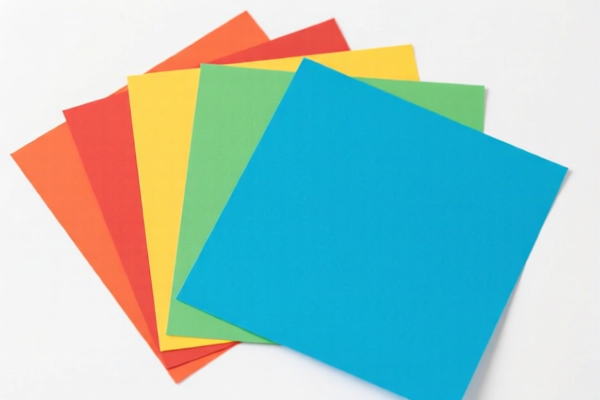
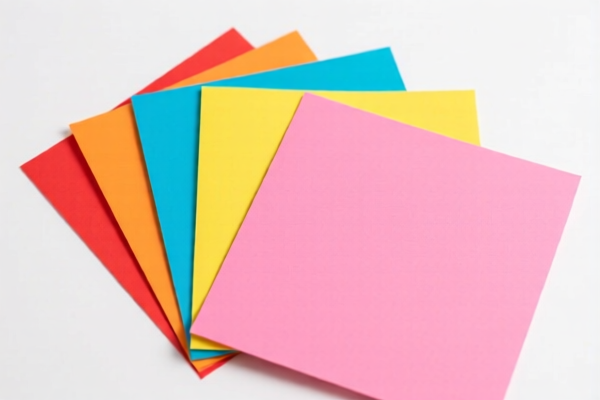
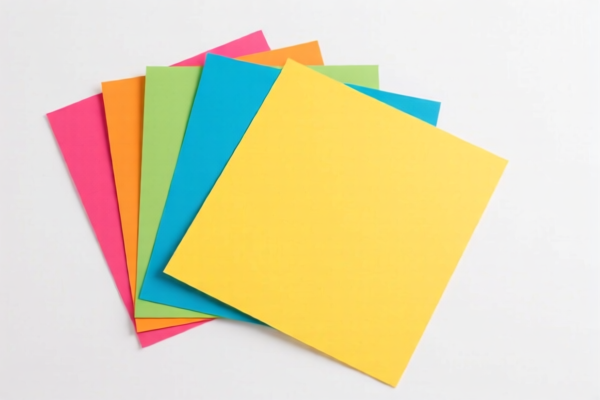
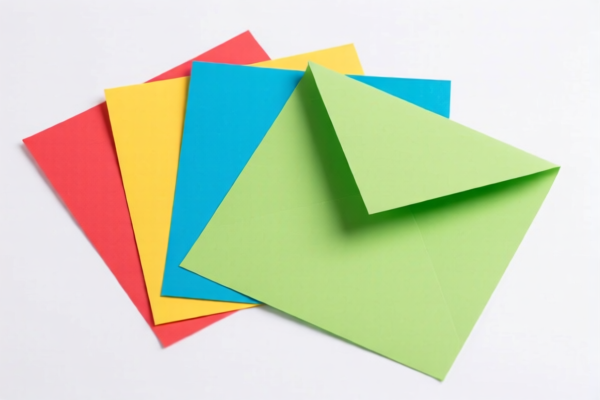
AI Analysis
🎞️ Color Copy Waterproof Film (感光材料 / Photographic Materials)
🌐 HS Code Reference & Customs Clearance Guide | 2026 Latest Tariff Analysis | Professional Entry Strategy
📌 I. Product Definition & Classification: What Exactly Is "Color Copy Waterproof Film"?
"Color Copy Waterproof Film" is a specialized photographic medium. In international trade, it is categorized based on its base material, chemical sensitivity, and intended use. The term "Waterproof" typically refers to the coating or base material (e.g., polyester or plastic) that ensures durability and chemical resistance during processing, while "Color Copy" implies it is used for color photography or duplication.
Key Distinction Points: - Base Material: Is it on paper, plastic (polyester), or textile? - Sensitivity: Is it sensitized (coated with light-sensitive chemicals)? - Purpose: Is it for final printing (paper) or intermediate copying/exposure (film)?
⚠️ Critical Note for "Waterproof Film": - If it is unexposed, chemically sensitized film on a plastic or textile base → It falls under Chapter 37 (Photographic Goods). - If it is merely unexposed plastic packaging material labeled "for film" → It falls under Chapter 39 (Plastics). - If it is sensitized paper for making prints → It falls under Chapter 48 (Paper Products).
📦 II. HS Code Classification Details (2026 Latest Tariff Reference)
Below are the specific HS Codes derived from your dataset, with detailed explanations for why "Color Copy Waterproof Film" maps to each.
| HS Code | Product Description (Summary) | Why It Matches "Color Copy Waterproof Film" | Total Tax |
|---|---|---|---|
| 3704.00.00.00 | Color photographic film, sensitized material for photography | Direct Match: This is the general category for sensitized color films. If your product is raw, unexposed color film (on plastic or paper base) used for photography, this is the primary code. "Waterproof" refers to the emulsion stability. | 35.0% |
| 3923.90.00.80 | Plastic material film, for packaging or transport | Indirect/Non-Sensitized Match: If the "film" is UNSENSITIZED plastic sheeting (e.g., PET/PE) used to package other films, or if it is a plastic backup layer without photographic sensitivity, it is classified as plastic goods. The term "Film" here refers to the material form, not the photographic function. | 38.0% |
| 3702.52.01.60 | Color photographic film, non-paper, non-textile base | Precise Match for Plastic Base: This code specifically targets color film on a non-paper/non-textile base (typically polyester/plastic). Since "Waterproof Film" is often plastic-based (unlike traditional paper-based negatives), this is a highly accurate classification for plastic-based color film. | 38.7% |
| 3702.55.00.60 | Color photography film, non-paper, non-textile sensitized material | Alternative Plastic Base Match: Similar to 3702.52, but a different sub-heading within color film for non-paper bases. Used if the film does not fit the specific characteristics of 3702.52 but is still a sensitized, plastic-based color film. | 35.0% |
| 4810.14.11.40 | Waterproof color photo paper, coated paper type, for photographic sensitivity | Paper-Based Match: If the "Film" is actually Photographic Paper (often called "film" colloquially in copy contexts) that is waterproof/coated and used for printing/color copying, it belongs here. This is for paper-based sensitized materials, not plastic film. | 35.0% |
💰 III. 2026 Latest Tariff Rate Breakdown (Including Surcharges & Policy Add-ons)
✅ Applicable Country: United States (US)
✅ Origin: China (CN)
✅ Effective Time: Includes imports post-2025 (Current Active Rates)
🎯 1. General Rule for All Entries: High Tariff Burden
All items in your dataset share the same tax structure due to their origin (China) and destination (US).
| Component | Rate | Legal Basis | Explanation |
|---|---|---|---|
| Base Tariff | 0.0% - 3.7% | USHTS Base Rate | Depends on the specific HS code (e.g., 3704.00.00.00 has 0%, while 3702.52.01.60 has 3.7%). |
| Section 301 Tariff | +25.0% | USITC Footnote 9903.88.01 | A punitive tariff added to Chinese goods in this category. |
| Section 122 / IEEPA Tariff | +10.0% | IEEPA (International Emergency Economic Powers Act) | An additional tariff specifically targeting certain Chinese goods, effective from Nov 10, 2025. |
| TOTAL TAX | 35.0% - 38.7% | Sum of Above | De Minimis Exemption: ❌ DENIED |
📌 Detailed Explanation of Tax Components: - Base Tariff: The standard WTO Most Favored Nation (MFN) rate. For photographic films (Ch 37), it is often low (0-3.7%). - 25% Surcharge: Applied under Section 301 of the Trade Act. This is the dominant cost driver. - 10% "122 Clause" Tariff: Refers to recent executive orders expanding tariffs on Chinese imports (often grouped under IEEPA). This is new and critical. - No De Minimis: Small shipments (<$800) cannot bypass these taxes for these HS codes.
🛠️ IV. Customs Clearance Practical Advice (Real-World Pitfall Guide)
✅ 1. Prepare Documentation Checklist (Mandatory)
| Document | Required? | Purpose |
|---|---|---|
| Product Spec Sheet | ✅ Yes | Must specify: Base material (Paper, Polyester, PVC), Sensitivity (Yes/No), Format (Roll, Sheet). |
| Commercial Invoice | ✅ Yes | Must explicitly state: "Sensitized Color Film, Plastic Base, for Photography" or "Unexposed Plastic Packaging Film". Avoid vague terms like "Copy Material". |
| Certificate of Origin (CO) | ✅ Yes | To prove Origin: China. (Note: CO does not reduce the 35%+ tax for these codes). |
| MSDS / Chemical Composition | ✅ Recommended | Since it is a chemical/photographic product, customs may require safety data sheets. |
| Photos of Product & Label | ✅ Yes | To verify the "Waterproof" coating and "Color Copy" usage. |
✅ 2. Declaration Strategy (Key Tips)
| Scenario | Correct Declaration | Incorrect Declaration | Consequence |
|---|---|---|---|
| Plastic-based Color Film | 3702.52.01.60 - "Sensitized Color Film, Polyester Base" |
"Plastic Sheet" or "Packaging Film" | Misclassification → Penalty + Back Taxes |
| Paper-based Photo Paper | 4810.14.11.40 - "Waterproof Color Photo Paper" |
"Plastic Film" | Classification Error → Delayed Clearance |
| Unexposed Plastic for Packaging | 3923.90.00.80 - "Plastic Film for Packaging" |
"Photographic Film" | Wrong Code (Lower tax but wrong product) → Audit Risk |
🔥 Golden Rule:
"Be Specific on Base Material: Paper vs. Plastic."
- If Plastic + Sensitized → Use 3702.xx.xx (Photo Code).
- If Paper + Sensitized → Use 4810.14.11.40 (Paper Code).
- If Plastic + Non-Sensitized (Just packaging) → Use 3923.90.00.80 (Plastic Code).
✅ 3. Special Cases & Warnings
| Situation | Handling Advice |
|---|---|
| "Waterproof" Claim | Ensure the product is not just "water-resistant plastic." If it is sensitized (for photography), the waterproof aspect is part of the emulsion/coating. Declare as Photographic Material (Ch 37). |
| Color Copying | If used for copying documents (not photography), check if it's still "sensitized." If it's just plastic sleeves for holding documents, it is 3923. If it's sensitized paper for copiers, it is 4810. |
| Mixed Shipments | Do not mix Plastic Packaging Film (3923) with Sensitized Film (3702) in one line item. Declare separately to avoid customs flagging for misclassification. |
🌍 V. Global Market Comparison (2026)
| Region | Recommended HS Code | Estimated Total Tax | Notes |
|---|---|---|---|
| 🇺🇸 USA | 3702.52.01.60 or 3704.00.00.00 |
35.0% - 38.7% | High due to 25% + 10% surcharges. No de minimis. |
| 🇨🇳 China | 3702.52.01.60 |
~3% - 6% | Standard MFN rate for photosensitive materials. |
| 🇪🇺 EU | 3702.52 |
~0% - 4% | Generally low duties for photographic goods, but strict REACH regulations for chemicals. |
| 🇬🇧 UK | 3702.52 |
~0% - 4% | Post-Brexit tariffs similar to EU for these goods. |
📌 Conclusion for US Importers:
The 35-38.7% tariff is significant.
- Strategy: Verify if the product is truly sensitized. If it is just unexposed plastic film for packaging, use 3923.90.00.80 (38% tax) but it might be cheaper if the base rate is higher, but generally, all are high.
- Critical: Ensure the "122 Clause" (10%) is included in your cost calculation. It is new and often overlooked.
📌 VI. Common Errors & Pitfalls (Lessons Learned)
❌ Error 1: Declaring Sensitized Film as "Plastic Roll"
👉 Result: Customs inspects, finds chemical coating, reclassifies to Ch 37, applies 35% tax + penalty.
✅ Fix: Always declare "Sensitized Photographic Film" if it reacts to light.
❌ Error 2: Ignoring the "122 Clause" 10% Surcharge
👉 Result: Underpaying duties by 10%.
✅ Fix: Add 10% to your landed cost calculation for all HS codes in this dataset.
❌ Error 3: Confusing Photo Paper with Film
👉 Result: Using 3702 (Film) for Paper products (4810) or vice versa.
✅ Fix:
- Paper Base → 4810.14.11.40
- Plastic Base → 3702.52.01.60 or 3702.55.00.60
🎯 VII. Conclusion: Precise Classification for Cost Control
🎯 Remember:
🔹 "Paper or Plastic? Sensitized or Not?"
🔹 "3702 for Plastic Film, 4810 for Paper, 3923 for Packaging."
🔹 "35-38% Tax is Inevitable for China Origin. Plan Cash Flow!"
📌 Pro Tip:
If you are importing unexposed plastic film for packaging (not photographic use), consider using 3923.90.00.80 to potentially simplify customs inspection, but verify it is NOT sensitized. If it IS sensitized, you must use Chapter 37 codes, and the 35%+ tax applies.
📣 Immediate Action:
📞 Contact your customs broker with the exact product composition (Base Material + Chemical Sensitivity).
📝 Update your invoices to clearly state "Sensitized" or "Unexposed Plastic" to avoid delays.
📊 Calculate Landed Cost including 35-38.7% tariff before placing orders.
✨ Professional clearance starts with accurate HS Codes!
💼 Every percentage point of tax matters in the age of trade tensions.
Customer Reviews
About HS Code Classification
The Harmonized System (HS) is an internationally standardized nomenclature developed by the World Customs Organization (WCO) to classify traded products. Over 200 countries use the HS system as the basis for customs tariffs, trade statistics, and import/export regulations.
Each HS code follows a hierarchical structure:
- Chapter (2 digits) — Broad category of goods (e.g., Chapter 84: Machinery and Mechanical Appliances)
- Heading (4 digits) — More specific grouping within the chapter
- Subheading (6 digits) — Internationally standardized breakdown, used by all WCO member countries
- National subdivisions (8-10 digits) — Country-specific extensions for further classification, such as US HTSUS 10-digit codes
Correct HS code classification is essential for smooth customs clearance, accurate duty payment, and compliance with trade regulations. Misclassification can lead to customs delays, overpayment of duties, or penalties.
When importing from CN to US, the applicable tariff rates may include:
- Most-Favored-Nation (MFN) rate — The standard duty rate applied to WTO members
- General rate — Applied to countries without trade agreements
- Trade remedy duties — Additional tariffs such as Section 301 (anti-dumping), Section 232 (national security), or countervailing duties
The information provided on this page is for reference purposes only. For official classification, please consult with your local customs authority or a licensed customs broker.