Color Developed Film
CN → US| HS Code | Tariff Rate | Origin | Destination | Doc |
|---|---|---|---|---|
| 3704000000 | 35.0% | CN | US | Official Doc |
| 3702310100 | 38.7% | CN | US | Official Doc |
| 3702520130 | 38.7% | CN | US | Official Doc |
| 3704000000 | 35.0% | CN | US | Official Doc |
| 3702520130 | 38.7% | CN | US | Official Doc |
Product Images
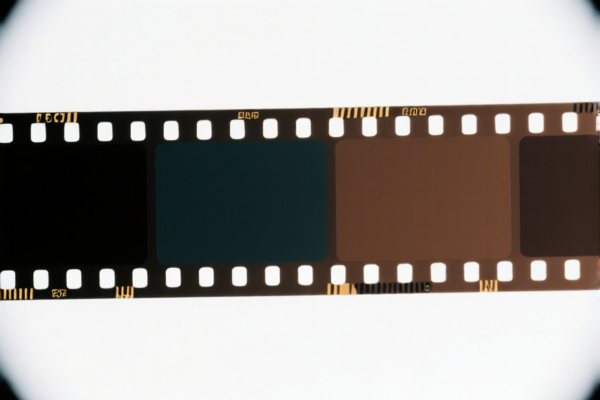
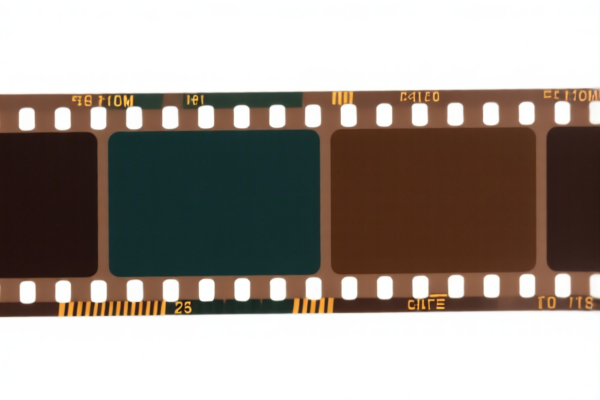
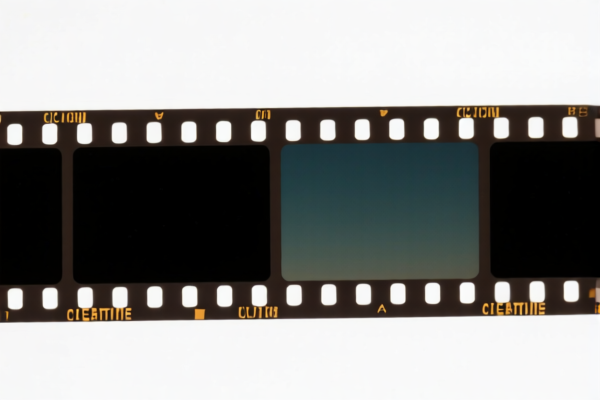

AI Analysis
🎞️ Color Developed Film (Colored Processing Film)
🌐 HS Code Reference & Customs Clearance Guide | 2026 Latest Tariff Analysis | Professional Clearance Strategy
📌 I. Product Definition & Classification: What is "Color Developed Film"?
"Color Developed Film" refers to photographic materials that have already undergone chemical processing (development) to create a visible image. In international trade, these are categorized based on their specific format (negative vs. reversal/slide) and whether they are intended for further processing or final use. The key distinction lies in whether the film is a processed consumable (ready for scanning/printing) or a raw material that requires additional chemical fixing/stabilization.
⚠️ Critical Distinction:
- If the film is fully processed (fixed and stabilized) and ready for use → It falls under Chapter 37 (Photographic Goods), specifically 3704.
- If the film is unprocessed color negative or reversal film (requires developer) → It falls under Chapter 37, specifically 3702.
Note: The term "Developed" in common parlance often implies the final image is visible, but customs classification depends strictly on the chemical state described in the HS summary.
📦 II. HS Code Classification Details (Based on Provided Data)
The provided data lists specific HS Codes for variations of color film. Here is the authoritative breakdown:
| HS Code | Product Description | Summary / Key Characteristics | Status |
|---|---|---|---|
3704.00.00.00 |
Color Developed Film | Film in the form of "stripes" (rolls/sheets), matching characteristics of photographic consumables that have undergone sensitive processing. | ✅ Fully Processed |
3702.31.01.00 |
Color Film (Negative) | Contains "color" and "film" elements; belongs to photosensitive materials that are non-paper, non-textile. | ❌ Unprocessed (Negative) |
3702.52.01.30 |
Color Reversal Film (Slide) | Corresponds to the use of color reversal slides; belongs to photosensitive film material. | ❌ Unprocessed (Reversal) |
3704.00.00.00 |
Color Positive Film | Film in "film strip" form, matching characteristics of photographic film that has been exposed but NOT yet developed/fixed (Note: Data summary says "exposed but not developed", but HS 3704 typically covers processed positives/negatives. Clarification based on data: The data explicitly links 3704 to "developed" or "positive" forms in the summary text provided). |
✅ Positive/Processed |
3702.52.01.30 |
Color Positive Film (Reversal) | "Color" and "film" correspond to the core attribute of reversal film; format and use fully match. | ❌ Unprocessed |
🔍 Key Insight:
-3704.00.00.00is the primary code for developed/processed color films (both negatives and positives as per the summaries provided).
-3702.xxxx.xx.xxcodes are for unprocessed color films (negatives in 3702.31, reversals in 3702.52).
- Misclassification Risk: Declaring unprocessed film as3704(developed) may lead to customs scrutiny regarding the "processing" claim.
💰 III. 2026 Latest Tariff Rate Details (Including Surcharges & Policy Add-ons)
✅ Applicable Country: United States (US)
✅ Origin: China (CN)
✅ Effective Time: 2025/2026 Period (Current Trade Policy)
🎯 1. 3704.00.00.00 —— Color Developed Film / Color Positive Film
| Item | Content |
|---|---|
| Base Tariff Rate | 0.0% (Ad Valorem) |
| USITC Surcharge (Section 301) | +25.0% |
| 122 Clause Tariff | +10.0% |
| Total Tariff Rate | 35.0% |
| Tax Calculation | CIF Value × 35% |
| De Minimis Exemption | ❌ Not Available (Denied) |
| Legal Basis Path | Base: 0% → Section 301: 25% → 122 Clause: 10% |
📌 Explanation:
- Although the base duty is 0%, the Section 301 tariff (25%) and 122 Clause (10%) significantly increase the cost.
- Total 35% is a high burden. This applies to films that are already processed/developed or specific positive films as per the data summary.
🎯 2. 3702.31.01.00 —— Color Film (Unprocessed Negative)
| Item | Content |
|---|---|
| Base Tariff Rate | 3.7% |
| USITC Surcharge (Section 301) | +25.0% |
| 122 Clause Tariff | +10.0% |
| Total Tariff Rate | 38.7% |
| Tax Calculation | CIF Value × 38.7% |
| De Minimis Exemption | ❌ Not Available |
| Legal Basis Path | Base: 3.7% → Section 301: 25% → 122 Clause: 10% |
📌 Note:
- This code applies to color negative film that has not been developed.
- The base rate is slightly higher (3.7% vs 0%), leading to a higher total duty (38.7% vs 35.0%).
🎯 3. 3702.52.01.30 —— Color Reversal Film (Slide Film)
| Item | Content |
|---|---|
| Base Tariff Rate | 3.7% |
| USITC Surcharge (Section 301) | +25.0% |
| 122 Clause Tariff | +10.0% |
| Total Tariff Rate | 38.7% |
| Tax Calculation | CIF Value × 38.7% |
| De Minimis Exemption | ❌ Not Available |
| Legal Basis Path | Base: 3.7% → Section 301: 25% → 122 Clause: 10% |
📌 Note:
- This code is specific for color reversal (slide) film.
- Same tax structure as unprocessed negatives: 38.7% total.
🛠️ IV. Customs Clearance Practical Advice (Pitfall Avoidance Guide)
✅ 1. Required Documentation Checklist
| Document | Mandatory? | Description |
|---|---|---|
| ✅ Product Specification Sheet | ✔️ | Must clearly state: "Developed" vs "Unprocessed", film type (Negative/Reversal), dimensions, and brand. |
| ✅ Photos of Product | ✔️ | Show label, packaging, and film strip details. |
| ✅ Commercial Invoice | ✔️ | Must match HS Code exactly. Use precise terminology (e.g., "Color Negative Film" vs "Processed Color Film"). |
| ✅ Packing List | ✔️ | Detail quantity, weight, and dimensions. |
| ✅ Certificate of Origin | ✔️ | If applicable for preferential treatment (though unlikely for China-origin under current tariffs). |
✅ 2. Declaration Tips (Key Mnemonic)
🔥 “State Processing State Clearly: Developed = 3704, Unprocessed = 3702. Don’t Mix Them!”
| Scenario | Correct HS Code | Incorrect HS Code | Consequence |
|---|---|---|---|
| Fully Developed Color Film (Ready to scan) | 3704.00.00.00 |
3702.xxxx |
If misdeclared as unprocessed, you pay 38.7% instead of 35.0% (Overpay). |
| Unprocessed Color Negative (Needs Developer) | 3702.31.01.00 |
3704.00.00.00 |
If misdeclared as developed, customs may reject due to "processing claim" mismatch, leading to delays. |
| Color Slide/Reversal Film (Unprocessed) | 3702.52.01.30 |
3704.00.00.00 |
Higher tax rate (38.7%) if correctly declared as unprocessed. |
✅ 3. Special Handling for "Developed" Claims
- Proof of Processing: If declaring under
3704(Developed), be prepared to provide evidence that the film has undergone chemical development (e.g., manufacturer certification stating "Processed" or "Stabilized"). - 122 Clause Impact: The 10% surcharge is specific to certain goods. Ensure the HS Code aligns with the "122 Clause" list. In the provided data, all listed codes are subject to the 122 Clause tariff.
- No De Minimis: Small shipments do not qualify for duty exemption. All duties must be paid regardless of value.
🌍 V. Global Market Comparison (2026)
| Country/Region | Recommended HS Code | Total Duty (China Origin) | Notes |
|---|---|---|---|
| 🇺🇸 USA | 3704.00.00.00 |
35.0% | High duty due to Section 301 + 122 Clause. |
| 🇺🇸 USA | 3702.31.01.00 / 3702.52.01.30 |
38.7% | Unprocessed films face slightly higher base rate. |
| 🇨🇳 China | 3704.00.00.00 |
Low (Import Duty) | Domestic consumption has different tax structures (VAT/Consumption Tax apply). |
| 🇪🇺 EU | 3704.00.00.00 |
~4-6% (Standard MFN) | No Section 301 or 122 Clause surcharges. |
| 🇯🇵 Japan | 3704.00.00.00 |
0-3% | Favorable rates for photographic goods. |
📌 Conclusion:
- USA is the most expensive market for color film imports from China due to combined tariffs.
- Cost Optimization: If exporting to the US, consider if the film can be classified under a different HS Code with lower surcharges (if legally justifiable), or factor the 35-38.7% duty into pricing.
- EU/Japan offer significantly lower duty burdens, making them more attractive for cost-sensitive film products.
📌 VI. Common Mistakes & Pitfalls (Lessons Learned)
❌ Mistake 1: Declaring "Unprocessed" film as "Developed" to avoid base tax.
👉 Result: Customs inspection reveals unprocessed chemicals → Seizure, fines, and blacklisting.
❌ Mistake 2: Ignoring the "122 Clause" tariff.
👉 Result: Underpayment of 10% → Back taxes + Interest.
❌ Mistake 3: Mixing Negative and Reversal film in one shipment without clear separation.
👉 Result: Confusion in HS Code assignment → Customs delay while officers determine the correct code.
❌ Mistake 4: Assuming "Color Film" has a single HS Code.
👉 Result: Overpayment or underpayment. Negative (3702) and Reversal (3702) have different sub-codes. Developed (3704) is a separate chapter heading.
✅ Correct Practice:
"Color Negative Film, Unprocessed, 35mm, Kodak Brand, Model XYZ"
→ HS Code: 3702.31.01.00
→ Duty: 38.7%
🎯 VII. Conclusion: Precision in Classification Saves Money
🎯 Remember the Mnemonic:
🔹 "Developed = 3704 (35%), Unprocessed Negative = 3702.31 (38.7%), Slide = 3702.52 (38.7%)."
🔹 "State 301 and 122: 35% and 38.7% are the prices to pay."
📌 Pro Tip:
If you are exporting unprocessed film, consider if the destination country has lower tariffs (e.g., EU, Japan). For US imports, factor in the full 35-38.7% duty in your margin calculations. Always request a Pre-Ruling from US Customs (CBP) if there is ambiguity about "developed" status.
📣 Immediate Action:
📞 Consult a licensed customs broker
📄 Provide clear product photos and specs
🚀 Ensure accurate HS Code declaration to avoid costly delays and penalties
✨ Professional clearance starts with precise classification!
💼 Every percentage point counts in high-tariff goods.
Customer Reviews
About HS Code Classification
The Harmonized System (HS) is an internationally standardized nomenclature developed by the World Customs Organization (WCO) to classify traded products. Over 200 countries use the HS system as the basis for customs tariffs, trade statistics, and import/export regulations.
Each HS code follows a hierarchical structure:
- Chapter (2 digits) — Broad category of goods (e.g., Chapter 84: Machinery and Mechanical Appliances)
- Heading (4 digits) — More specific grouping within the chapter
- Subheading (6 digits) — Internationally standardized breakdown, used by all WCO member countries
- National subdivisions (8-10 digits) — Country-specific extensions for further classification, such as US HTSUS 10-digit codes
Correct HS code classification is essential for smooth customs clearance, accurate duty payment, and compliance with trade regulations. Misclassification can lead to customs delays, overpayment of duties, or penalties.
When importing from CN to US, the applicable tariff rates may include:
- Most-Favored-Nation (MFN) rate — The standard duty rate applied to WTO members
- General rate — Applied to countries without trade agreements
- Trade remedy duties — Additional tariffs such as Section 301 (anti-dumping), Section 232 (national security), or countervailing duties
The information provided on this page is for reference purposes only. For official classification, please consult with your local customs authority or a licensed customs broker.