Color Duplicating Film Indoor
CN → US| HS Code | Tariff Rate | Origin | Destination | Doc |
|---|---|---|---|---|
| 3920591000 | 41.0% | CN | US | Official Doc |
| 3704000000 | 35.0% | CN | US | Official Doc |
| 3705000000 | 35.0% | CN | US | Official Doc |
| 3920992000 | 39.2% | CN | US | Official Doc |
| 3702310100 | 38.7% | CN | US | Official Doc |
Product Images
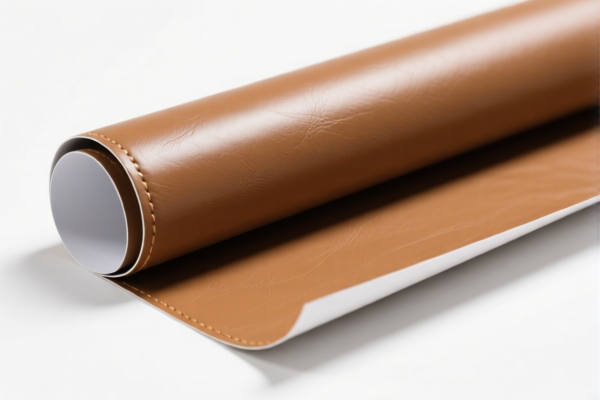
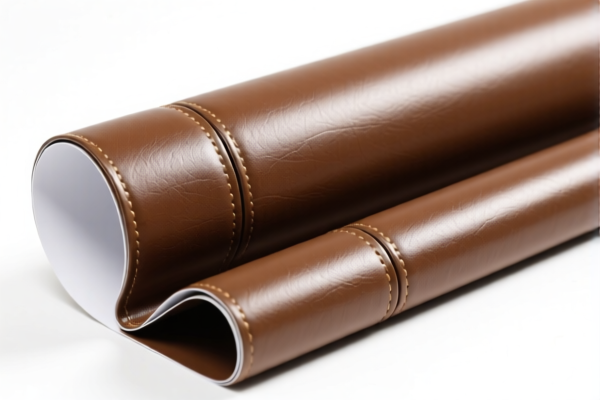
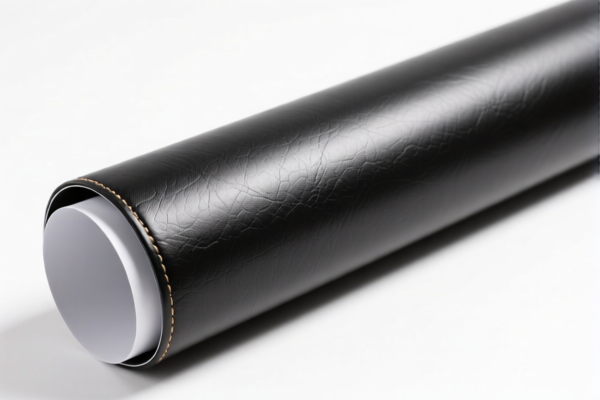
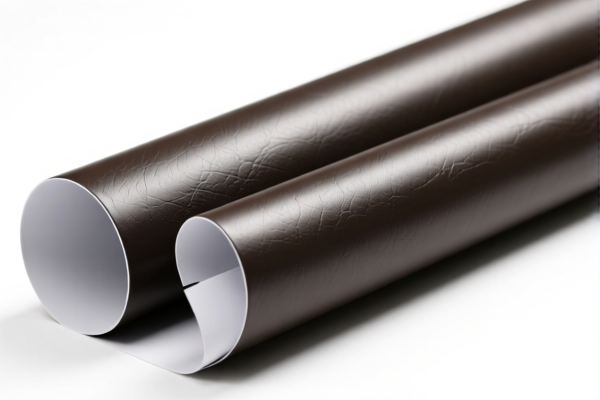
AI Analysis
🎞️ Color Duplicating Film (Indoor Application)
🌐 HS Code Reference & Customs Clearance Guide | 2026 Latest Tariff Analysis | Professional Entry Strategy
📌 I. Product Definition & Classification: Do You Understand "Color Duplicating Film"?
Color Duplicating Film, specifically for Indoor use, refers to light-sensitive photographic material designed for making copies (duplicates) of original film masters (such as negatives or positives). "Indoor" typically implies controlled lighting conditions, excluding outdoor environmental durability (like weather resistance) as the primary factor, but focusing on the chemical composition and photographic utility.
In international trade, this product is a specialized subset of Photographic Goods. The classification hinges on two critical factors: 1. Physical Form: It is a flexible sheet/film (not paper-based). 2. State: It is unexposed and undeveloped (raw material).
⚠️ Key Distinction Point:
- If the film is exposed but undeveloped (already shot but not processed): It falls under 3704.00.00.00.
- If the film is unexposed (raw stock): It falls under 3702.xxxx or 3705.00.00.00 depending on specificity.
- If classified purely by material (ignoring photographic nature due to misdeclaration): It falls under Chapter 39 (Plastics).
📦 II. HS Code Classification Details (2026 Latest Tariff Authority Comparison)
| HS Code | Product Description | Applicable Scenario | Exposure Status |
|---|---|---|---|
3704.00.00.00 |
Photographic plates and film, exposed but not developed | Film that has been shot/used but not yet developed | ✅ Exposed, ❌ Undeveloped |
3705.00.00.00 |
Other photographic plates and film (兜底/Fallback) | General unexposed film without a more specific subheading | ❌ Unexposed |
3920.59.10.00 |
Plastic sheets/film, acrylic-based, for decoration/photography support | Misclassified as pure plastic material; implies acrylic polymer base | ❓ Material Only |
3920.99.20.00 |
Other plastic flexible sheets/films (Fallback plastic category) | Misclassified as generic plastic membrane; ignores photographic emulsion | ❓ Material Only |
3702.31.01.00 |
Color photographic film of any width (Non-paper-based) | Most accurate for standard color duplicating film if specific code applies | ❌ Unexposed |
🔍 Key Reminder:
- 3704 is for Exposed film. Many users mistakenly declare raw film here, leading to classification errors. - 3702 is the primary category for Photographic Film (unexposed). - 3920 categories are incorrect for genuine photographic film because they ignore the sensitive emulsion layer, which is the defining feature of the product. Using plastic codes invites customs scrutiny for misdeclaration.
💰 III. 2026 Latest Tariff Rate Breakdown (Including Surcharges & Policy Add-ons)
✅ Applicable Country: United States (US)
✅ Origin: China (CN)
✅ Effective Date: November 10, 2025 onwards (including subsequent imports)
🎯 1. 3704.00.00.00 —— Photographic Film, Exposed but Not Developed
| Item | Content |
|---|---|
| Base Duty Rate | 0.0% (ad valorem) |
| USITC Surcharge | +25.0% (under USITC Footnote for specific photo goods) |
| IEEPA Surcharge | +10.0% (Targeting China/HK products, effective Nov 10, 2025) |
| Total Rate | 35.0% |
| Tax Calculation | CIF Value × 35% |
| De Minimis Eligible? | ❌ No (deny_de_minimis) |
| Legal Basis Path | IEEPA:9903.01.24 → USITC:3704.00.00.00 → FOOTNOTE:3704.00.00.00 |
📌 Explanation:
- Although the base duty is 0%, the 35% total tax is significant. - This category applies ONLY if the film has been exposed. If it’s raw stock, this code is wrong.
🎯 2. 3705.00.00.00 —— Other Photographic Plates and Film (Fallback)
| Item | Content |
|---|---|
| Base Duty Rate | 0.0% |
| USITC Surcharge | +25.0% |
| IEEPA Surcharge | +10.0% |
| Total Rate | 35.0% |
| Tax Calculation | CIF Value × 35% |
| De Minimis Eligible? | ❌ No |
| Legal Basis Path | IEEPA:9903.01.24 → USITC:3705.00.00.00 |
📌 Note:
- This is a catch-all category for photographic film not specifically listed elsewhere (e.g., X-ray, movie film). - If your color duplicating film doesn’t fit3702.31, it likely lands here. - Same high tariff burden as3704.
🎯 3. 3702.31.01.00 —— Color Photographic Film of Any Width
| Item | Content |
|---|---|
| Base Duty Rate | 3.7% |
| USITC Surcharge | +25.0% |
| IEEPA Surcharge | +10.0% |
| Total Rate | 38.7% |
| Tax Calculation | CIF Value × 38.7% |
| De Minimis Eligible? | ❌ No |
| Legal Basis Path | IEEPA:9903.01.24 → USITC:3702.31.01.00 |
📌 Note:
- This is the most precise code for standard color duplicating film. - The base rate (3.7%) is higher than 0%, but the surcharges remain the same, resulting in a 38.7% total rate. - Recommendation: If the product is standard color film, this is the most compliant code, despite the slightly higher rate than the 0% base codes.
🎯 4. 3920.59.10.00 —— Acrylic Plastic Sheets (Misclassification Risk)
| Item | Content |
|---|---|
| Base Duty Rate | 6.0% |
| USITC Surcharge | +25.0% |
| IEEPA Surcharge | +10.0% |
| Total Rate | 41.0% |
| Tax Calculation | CIF Value × 41.0% |
| De Minimis Eligible? | ❌ No |
| Legal Basis Path | IEEPA:9903.01.24 → USITC:3920.59.10.00 |
📌 Warning:
- This code assumes the product is pure plastic (acrylic). - If you declare photographic film as "plastic sheet," Customs may reject it if the emulsion layer is detected. - Higher risk of audit/fines.
🎯 5. 3920.99.20.00 —— Other Plastic Flexible Sheets (Misclassification Risk)
| Item | Content |
|---|---|
| Base Duty Rate | 4.2% |
| USITC Surcharge | +25.0% |
| > IEEPA Surcharge | +10.0% |
| Total Rate | 39.2% |
| Tax Calculation | CIF Value × 39.2% |
| De Minimis Eligible? | ❌ No |
| Legal Basis Path | IEEPA:9903.01.24 → USITC:3920.99.20.00 |
📌 Warning:
- Similar to above, this is a plastic fallback. - Total rate is 39.2%. - Avoid this unless the product is actually non-photographic plastic film.
🛠️ IV. Customs Clearance Practical Advice (Real-World Pitfall Avoidance Guide)
✅ 1. Preparation Checklist (Non-Negotiable)
| Document | Required | Explanation |
|---|---|---|
| ✅ Product Specifications | ✔️ | Must specify "Color Duplicating Film," width, length, sensitivity (ISO), and Emulsion Type. |
| ✅ Photos (Unexposed & Exposed) | ✔️ | Clear images showing the film reel, packaging, and label. |
| ✅ Commercial Invoice | ✔️ | Must state: "Color Photographic Duplicating Film, Unexposed" (not just "Plastic Film"). |
| ✅ Packing List | ✔️ | Detail the number of reels/spools. |
| ✅ Certificate of Origin | ✔️ | Essential for verifying origin (China) and applying correct surcharges. |
| ✅ Third-Party Test Report | ✔️ | Optional but helpful: Confirm it is not hazardous material (though most photographic film is safe). |
✅ 2. Declaration Tips (Key Mantra)
🔥 “State is Key: Exposed vs. Unexposed. Don’t Call Film ‘Plastic’!”
| Situation | Correct Declaration | Wrong Practice |
|---|---|---|
| Raw Color Film (Unexposed) | 3702.31.01.00 or 3705.00.00.00 |
Declare as 3920... (Plastic) → High Audit Risk |
| Shot but Undeveloped | 3704.00.00.00 |
Declare as 3702... → Classification Error |
| X-Ray Film | 3702.5x or 3703.2x |
Declare as 3702.31 → Wrong Category |
| Indoor vs. Outdoor | Specify in description | Ignore "Indoor" → Minor, but helps clarify use case |
✅ 3. Special Case Handling
| Situation | Handling Advice |
|---|---|
| OEM Custom Film | Provide client order + design specs. Ensure name matches "Photographic Film." |
| Bulk Import | Ensure consistent HS Code across all invoices. Mixed classifications can trigger inspections. |
| Sensitive to Light | Declare "Packaged in Light-Tight Cassettes" to show professional handling. |
| Value Discrepancy | High-value professional duplicating film may attract scrutiny. Be ready to justify price with invoices from manufacturer. |
🌍 V. Global Market Clearance Comparison (2026 Latest)
| Country/Region | Recommended HS Code | Duty Rate (China Origin) | Certification Requirements | Notes |
|---|---|---|---|---|
| 🇺🇸 USA | 3702.31.01.00 / 3704.00.00.00 |
35% - 38.7% | None specific, but proof of origin required | High tariffs due to IEEPA 10% + USITC 25% |
| 🇨🇳 China | 3702.31.01.00 |
~3.7% - 6% | CCC (if applicable) | Low base duty, no surcharges |
| 🇪🇺 EU | 3702 series |
0% - 4.5% | CE (if containing chemicals) | No IEEPA-style surcharges |
| 🇬🇧 UK | 3702 series |
0% - 4.5% | UKCA (if applicable) | Post-Brexit rules apply |
| 🇦🇺 Australia | 3702 series |
5% | RCM | Moderate duty |
📌 Conclusion:
- USA is the only major market with high surcharges (35%+) for photographic film from China. - EU/UK/Australia have significantly lower costs. - If exporting to the US, accurate classification is critical to avoid penalties, even if the rate is high.
📌 VI. Common Errors & Pitfall Guide (Lessons Learned)
❌ Error 1: Declaring photographic film as "Plastic Sheet" (3920)
👉 Consequence: Customs may reclassify it to 3702 or 3704, imposing 35-41% tax. Fines for misdeclaration.
❌ Error 2: Mixing "Exposed" and "Unexposed" film in one shipment
👉 Consequence: Different HS Codes required. Mixed shipment leads to delay or seizure.
❌ Error 3: Ignoring "Indoor" context
👉 Consequence: Minimal impact on tariff, but may affect product safety assessments (e.g., chemical content).
❌ Error 4: Using "Camera Film" as a generic term
👉 Consequence: Too vague. Must specify Color Duplicating Film or Photographic Film.
✅ Correct Approach:
"Color Photographic Duplicating Film, Unexposed, 16mm Width, Acetate Base, for Indoor Use, Model XYZ"
🎯 VII. Conclusion: Professional Declaration Saves Money!
🎯 Remember the Mantra:
🔹 "Exposed = 3704 (35%). Unexposed = 3702/3705 (35-38.7%). Plastic = 3920 (39-41%) & Audit Risk."
🔹 "Don’t lie about material. Film is Film. Tax is high, but honesty is cheaper than fines."
📌 Pro Tip:
- If your film is not made in China (e.g., Japan, Germany), IEEPA 10% surcharge does NOT apply.
- Total Tax for Non-China Origin:
- 3704/3705: 25% (USITC only)
- 3702.31: 28.7% (USITC + 3.7% base)
- Strategy: If possible, source film from non-China countries to save 10% on total tax.
📣 Immediate Action:
📞 Contact a licensed customs broker + Provide Product Specs + Apply for Advance Ruling if volume is high.
🚀 Ensure your Color Duplicating Film clears US Customs smoothly, efficiently, and cost-effectively!
✨ Professional Clearance Starts with Accurate Classification!
💼 Every cent of tax saved is profit earned!
Customer Reviews
About HS Code Classification
The Harmonized System (HS) is an internationally standardized nomenclature developed by the World Customs Organization (WCO) to classify traded products. Over 200 countries use the HS system as the basis for customs tariffs, trade statistics, and import/export regulations.
Each HS code follows a hierarchical structure:
- Chapter (2 digits) — Broad category of goods (e.g., Chapter 84: Machinery and Mechanical Appliances)
- Heading (4 digits) — More specific grouping within the chapter
- Subheading (6 digits) — Internationally standardized breakdown, used by all WCO member countries
- National subdivisions (8-10 digits) — Country-specific extensions for further classification, such as US HTSUS 10-digit codes
Correct HS code classification is essential for smooth customs clearance, accurate duty payment, and compliance with trade regulations. Misclassification can lead to customs delays, overpayment of duties, or penalties.
When importing from CN to US, the applicable tariff rates may include:
- Most-Favored-Nation (MFN) rate — The standard duty rate applied to WTO members
- General rate — Applied to countries without trade agreements
- Trade remedy duties — Additional tariffs such as Section 301 (anti-dumping), Section 232 (national security), or countervailing duties
The information provided on this page is for reference purposes only. For official classification, please consult with your local customs authority or a licensed customs broker.