Color Dye Film High Chroma
CN → US| HS Code | Tariff Rate | Origin | Destination | Doc |
|---|---|---|---|---|
| 320710 | 0.0% | CN | US | Official Doc |
| 392050 | 0.0% | CN | US | Official Doc |
Product Images
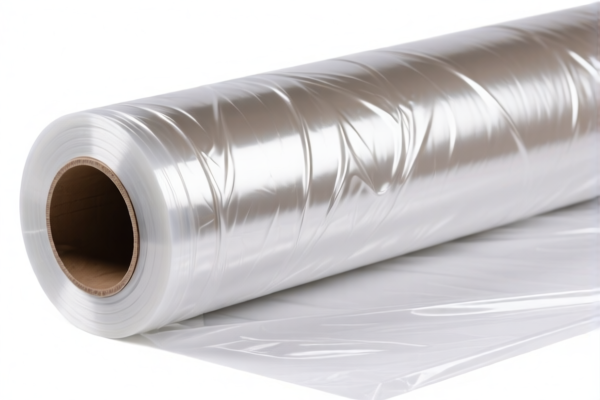
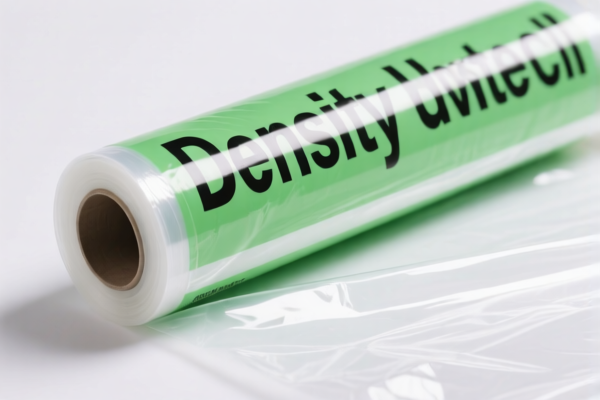
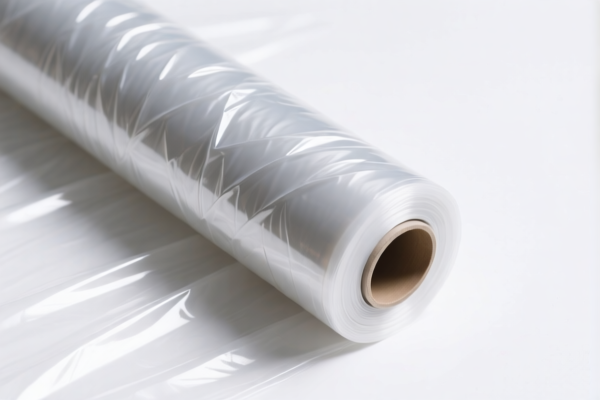
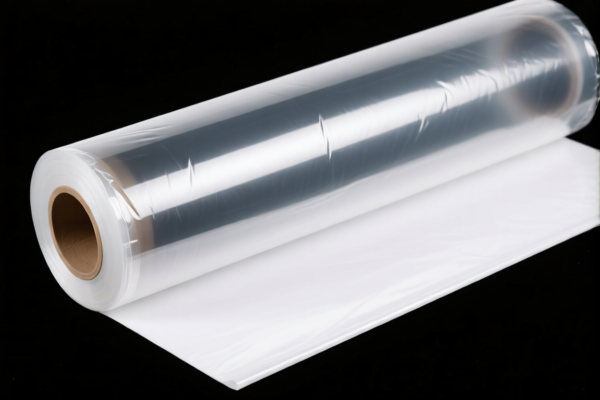
AI Analysis
🎨 Color Dye Films (High Chroma & Photographic)
🌐 HS Code Reference & Customs Clearance Guide | 2026 Latest Tariff Analysis | Professional Strategy
📌 I. Product Definition & Classification: What are "High Chroma Dye Films"?
Color dye films, particularly those with high chroma characteristics, are specialized materials used for coloring, tinting, or imaging purposes. In international trade, they are primarily categorized based on their chemical nature and primary function.
1. Photochemical Dye Films:
Primarily used for photographic purposes, graphic arts, or color filtration. These often contain organic dyes embedded in a support layer.
2. Synthetic Polymer Films:
Colored or dyed plastic films (e.g., PET, PVC, PE) used for decorative, protective, or functional applications in displays, signage, or optical devices.
⚠️ Key Distinction Point:
- If the film is primarily a colorant/ink carrier for photography or specific chemical imaging → Classify under 3207.
- If the film is a structural plastic sheet (polymer) that is merely dyed for decoration or functional display purposes → Classify under 3920.
📦 II. HS Code Classification Details (2026 Latest Tariff Authority Comparison)
| HS Code | Product Description | Application Scenario | Key Feature |
|---|---|---|---|
3207.10 |
Pigments, preparations and colouring matter | Photographic films, chemical dye films, high-chroma colorants | 🎨 Chemical/Photo origin |
3920.50 |
Plates, sheets, film, foil and strip, of polymers of vinyl chloride or other plastics | Decorative films, optical films, protective colored plastics | 🧪 Polymer/Structural origin |
🔍 Critical Reminder:
- The core difference lies in whether the product is viewed as a "Coloring Matter" (3207) or a "Plastic Product" (3920).
- High chroma is a quality descriptor but does not change the fundamental classification. You must look at the material composition and primary use.
💰 III. 2026 Latest Tariff Rate Details (Including Additional Taxes)
✅ Applicable Country: United States (US)
✅ Origin: China (CN)
✅ Effective Date: November 10, 2025 (for subsequent imports)
🎯 1. 3207.10 —— Color Dye Films / Pigments (Chemical/Photographic)
| Item | Content |
|---|---|
| Base Tariff Rate | 0% (ad valorem) |
| USITC Additional Tax | +25% (Under USITC Footnote 9903.88.01) |
| IEEPA Additional Tax | +10% (Against China/HK products, effective Nov 10, 2025) |
| Total Tax Rate | 45% |
| Tax Calculation | CIF Value × 45% |
| De Minimis Exemption? | ❌ Not Eligible (deny_de_minimis) |
| Legal Basis Path | IEEPA:9903.01.25 → IEEPA:9903.01.24 → USITC:3207.10 → FOOTNOTE:9903.88.01 |
📌 Explanation:
- Although the base rate for chemical products is often low, the Section 301 additional tariff (25%) and IEEPA tariff (10%) apply.
- Total 45% is a high cost factor. This classification is risky if the product is actually a simple plastic film, as misclassification can lead to penalties.
🎯 2. 3920.50 —— Synthetic Polymer Films (Decorative/Functional)
| Item | Content |
|---|---|
| Base Tariff Rate | 0% (ad valorem) |
| USITC Additional Tax | +25% (Under USITC Footnote 9903.88.01) |
| IEEPA Additional Tax | +10% (Against China/HK products, effective Nov 10, 2025) |
| Total Tax Rate | 45% |
| Tax Calculation | CIF Value × 45% |
| De Minimis Exemption? | ❌ Not Eligible (deny_de_minimis) |
| Legal Basis Path | IEEPA:9901.25 → IEEPA:9903.01.24 → USITC:3920.50 → FOOTNOTE:9903.88.01 |
📌 Note:
- Despite being a "plastic product," this category is also heavily taxed due to US-China trade policies.
- Total 45% applies here as well. The distinction from 3207.10 is crucial for compliance, but the financial impact is similar.
🛠️ IV. Customs Clearance Practical Advice (Real-World Pitfall Guide)
✅ 1. Documentation Checklist (Essential Items)
| Document | Mandatory? | Description |
|---|---|---|
| ✅ Product Specification Sheet | ✔️ | Must detail chemical composition (e.g., PET base, dye type) and intended use. |
| ✅ Technical Data Sheet (TDS) | ✔️ | For 3207.10: Show dye concentration/chemical nature. For 3920.50: Show polymer type/thickness. |
| ✅ Product Photos | ✔️ | Clear shots of the film roll, packaging, and any labeling. |
| ✅ Commercial Invoice | ✔️ | Clearly state: "High Chroma Color Dye Film" or "Decorative Polymer Film." Avoid vague terms like "Plastic Sheet" without context. |
| ✅ Certificate of Origin (CO) | ✔️ | Critical for determining eligibility for any potential future exemptions. |
| ✅ Declaration of Non-Use | ✔️ | If claiming 3207.10, declare it is for photographic/chemical use, not general packaging. |
✅ 2. Declaration Strategy (Key Mnemonics)
🔥 “Chemical Dye goes to 3207, Plastic Film goes to 3920. Both pay 45%!”
| Scenario | Correct HS Code | Incorrect Practice |
|---|---|---|
| Film used as ink carrier for photos/printing | 3207.10 |
Mislabel as general plastic → Audit risk |
| Film used as decorative wrap or display overlay | 3920.50 |
Mislabel as chemical dye → Classification error |
| Both cases above | 45% Total Tax | Ignoring additional tariffs → Unexpected costs |
✅ 3. Special Handling Situations
| Situation | Recommendation |
|---|---|
| Hybrid Products | If the film is a polymer coated with a photochemical dye, consult a customs broker. It may lean towards 3207.10 if the dye is the essential character. |
| OEM Custom Films | Provide the client’s design specs. If the design is for a specific optical display, 3920.50 is safer. |
| High Chroma Claim | Ensure technical data supports the "high chroma" claim if marketing. However, for customs, composition matters more than aesthetic quality. |
🌍 V. Global Market Customs Comparison (2026 Latest)
| Country/Region | Recommended HS Code | Tariff Rate | Certification | Notes |
|---|---|---|---|---|
| 🇺🇸 USA | 3207.10 / 3920.50 |
45% (Total) | None specific (General) | Highest cost market due to Section 301 & IEEPA. |
| 🇨🇳 China | 3207.10 / 3920.50 |
~5-6% | RoHS (if electronic) | No additional punitive tariffs. |
| 🇪🇺 EU | 3207.10 / 3920.50 |
0-3% | REACH Compliance | No major trade barriers; focus on chemical safety. |
| 🇦🇺 Australia | 3207.10 / 3920.50 |
5% | ACS (if electrical) | Standard duties apply. |
| 🇯🇵 Japan | 3207.10 / 3920.50 |
0-3% | PSE (if relevant) | Low tariffs; focus on quality standards. |
📌 Conclusion:
- USA is the most challenging market for both HS codes due to the combined 45% tariff burden.
- China, EU, and Asia-Pacific remain favorable with low to moderate tariffs.
- Strategic Advice: For US-bound goods, consider supply chain diversification (e.g., production in Vietnam or Mexico) to seek potential IEEPA exemptions or favorable FTAs.
📌 VI. Common Mistakes & Pitfall Guide (Lessons Learned)
❌ Mistake 1: Confusing "Dye Film" with "Ink"
👉 Consequence: Incorrect classification under Chapter 32 ink codes, leading to delays.
👉 Fix: Film is a solid support; Ink is liquid. Use 3207.10 for solid dye films, not liquid ink codes.
❌ Mistake 2: Ignoring the Polymer Base for 3920.50
👉 Consequence: Customs may reclassify as a generic plastic (3920.10 or others) if the description is vague.
👉 Fix: Always specify "Colored Polymer Film" and the base material (e.g., PET).
❌ Mistake 3: Underestimating the 45% Total Cost
👉 Consequence: Profit margins wiped out by unexpected duties.
👉 Fix: Factor in the full 45% landed cost for US imports from China.
✅ Correct Declaration Example:
"High Chroma Colored Dye Film, Polymer Base (PET), for Display Decoration, HS 3920.50, Origin China"
OR
"Photographic Color Dye Film, High Chroma, for Imaging Processes, HS 3207.10, Origin China"
🎯 VII. Conclusion: Precision Classification Saves Money!
🎯 Remember the Mantra:
🔹 "Chemical Dye = 3207.10, Plastic Film = 3920.50."
🔹 "Both carry 45% burden in the US."
🔹 "Declare material, not just appearance."
📌 Pro Tip:
If your high chroma film is intended for optical displays or advanced imaging, ensure you have third-party test reports confirming its chemical/physical properties. This documentation is vital for defending your HS Code classification during a US Customs audit.
📣 Immediate Action:
📞 Consult a Licensed Customs Broker to pre-classify your product.
📄 Prepare detailed Technical Data Sheets before shipping.
🚀 Optimize Your Supply Chain to mitigate the 45% tariff impact for US markets.
✨ Professional Clearance Starts with Accurate Classification!
💼 Every dollar of tariff saved is pure profit earned!
Customer Reviews
About HS Code Classification
The Harmonized System (HS) is an internationally standardized nomenclature developed by the World Customs Organization (WCO) to classify traded products. Over 200 countries use the HS system as the basis for customs tariffs, trade statistics, and import/export regulations.
Each HS code follows a hierarchical structure:
- Chapter (2 digits) — Broad category of goods (e.g., Chapter 84: Machinery and Mechanical Appliances)
- Heading (4 digits) — More specific grouping within the chapter
- Subheading (6 digits) — Internationally standardized breakdown, used by all WCO member countries
- National subdivisions (8-10 digits) — Country-specific extensions for further classification, such as US HTSUS 10-digit codes
Correct HS code classification is essential for smooth customs clearance, accurate duty payment, and compliance with trade regulations. Misclassification can lead to customs delays, overpayment of duties, or penalties.
When importing from CN to US, the applicable tariff rates may include:
- Most-Favored-Nation (MFN) rate — The standard duty rate applied to WTO members
- General rate — Applied to countries without trade agreements
- Trade remedy duties — Additional tariffs such as Section 301 (anti-dumping), Section 232 (national security), or countervailing duties
The information provided on this page is for reference purposes only. For official classification, please consult with your local customs authority or a licensed customs broker.