Color Dye Film UV Resistant
CN → US| HS Code | Tariff Rate | Origin | Destination | Doc |
|---|---|---|---|---|
| 3919905060 | 40.8% | CN | US | Official Doc |
| 3920598000 | 41.5% | CN | US | Official Doc |
| 3919102055 | 40.8% | CN | US | Official Doc |
| 3920992000 | 39.2% | CN | US | Official Doc |
| 5407932090 | 47.0% | CN | US | Official Doc |
Product Images
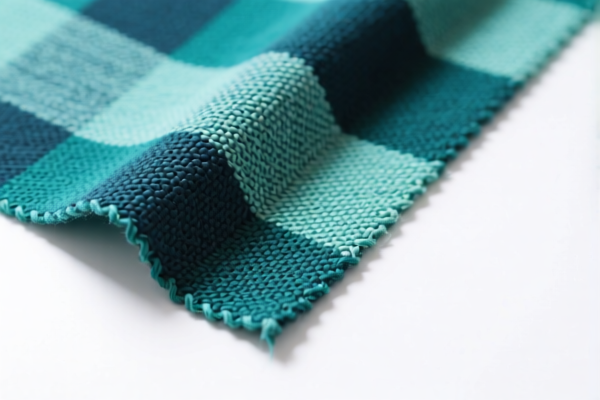
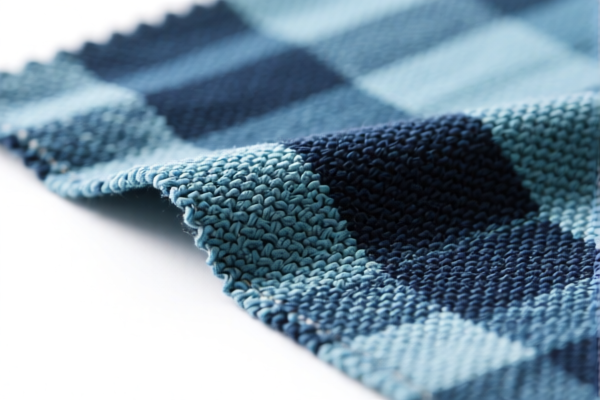
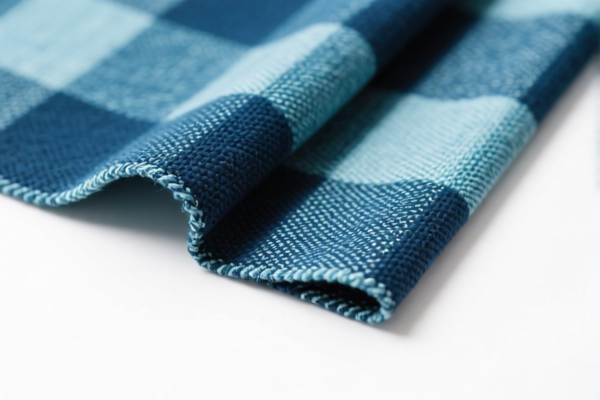
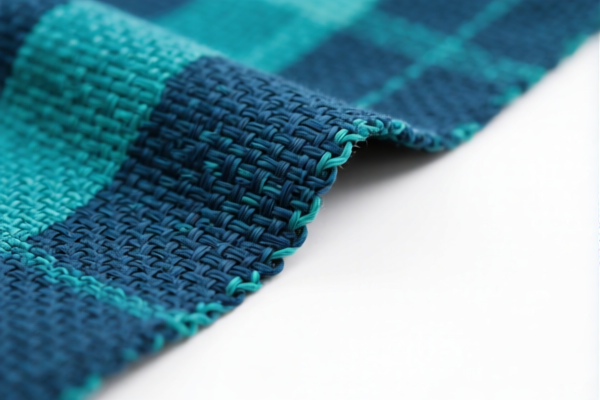
AI Analysis
🎨 Color Dye Film (UV Resistant) | Multi-Color Plastic & Polymer Films
🌐 HS Code Reference & Customs Clearance Guide | 2026 Latest Tariff Analysis | Professional Entry Strategy
📌 I. Product Definition & Classification: Understanding "Color Dye Film"
Color Dye Film (UV Resistant) refers to multi-colored films primarily used for decoration, protection, or industrial applications. In international trade, these products are classified based on their material composition and physical form.
The key distinction lies in whether the product is a general plastic film (Chapter 39), an acrylic-based polymer film (Chapter 39), or a textile fabric (Chapter 54) woven from dyed yarns. The UV resistance feature suggests a specialized coating or material property but does not change the primary classification category unless it constitutes a specific functional article (which is not indicated in the provided data).
⚠️ Key Distinction Point:
- If the material is a general plastic/polymer → Classified under Chapter 39 (Plastics);
- If the material is specifically Acrylic/PMMA → Classified under Chapter 39 but with specific subheadings;
- If the material is woven fabric made from colored yarns → Classified under Chapter 54 (Synthetic Filaments/Yarns).
📦 II. HS Code Classification Details (Based on Provided Data)
The following HS Codes are derived directly from the provided data for "Color Dye Film (Multi-Color)".
| HS Code | Product Description | Material/Form Inference | Tax Category |
|---|---|---|---|
3919.90.50.60 |
Color Dye Film (Multi-Color) | Plastic Film: General plastic category, flat shape. | General Plastic Film |
3920.59.80.00 |
Color Dye Film (Multi-Color) | Acrylic/Other Polymer: Acrylic or similar polymer-based film. | Acrylic Polymer Film |
3919.10.20.55 |
Color Dye Film (Multi-Color) | Plastic, Flat Shape: Other plastic products, flat configuration. | Other Plastic Categories |
3920.99.20.00 |
Color Dye Film (Multi-Color) | Plastic/Polymer Film: Other plastic plates, sheets, or films. | Other Plastic Sheets/Films |
5407.93.20.90 |
Color Dye Film (Multi-Color) | Woven Fabric: Different colored yarns woven into fabric. | Textile/Fabric Category |
🔍 Important Note:
- Codes3919.xxxx.xx.xxand3920.xxxx.xx.xxfall under Chapter 39 (Plastics). The difference lies in whether it is self-adhesive (3919) or non-adhesive sheets/films (3920), and the specific polymer type.
- Code5407.xxxx.xx.xxfalls under Chapter 54 (Synthetic Filaments). This implies the "film" is actually a woven textile structure, not a continuous plastic sheet. Misclassification here is a common risk.
💰 III. 2026 Latest Tariff Rate Details (Including Additional Duties & Policy Surcharges)
✅ Applicable Country: United States (US)
✅ Origin: China (CN) (Inferred from "122 Clause" and high surtaxes typical of US-China trade context)
✅ Effective Time: Current rates apply including post-2024/2025 adjustments
🎯 1. 3919.90.50.60 —— General Plastic Film (Color Dye)
| Item | Detail |
|---|---|
| Base Tariff | 5.8% (ad valorem) |
| Section 301 Surtax | +25.0% (Additional Duty) |
| 122 Clause Duty | +10.0% (Specific China-related provision) |
| Total Tax Rate | 40.8% |
| Tax Calculation | CIF Value × 40.8% |
| De Minimis Exemption | ❌ Not Eligible (High duty rate excludes small package exemption) |
📌 Explanation:
- Base 5.8%: Standard Most Favored Nation (MFN) rate for general plastic films.
- Section 301 (+25%): Imposed on Chinese-origin plastics/films under Trade Act Section 301.
- 122 Clause (+10%): Specific statutory duty applicable to certain Chinese imports.
- Total 40.8%: High cost barrier. Must be included in landed cost calculation.
🎯 2. 3920.59.80.00 —— Acrylic Polymer Film
| Item | Detail |
|---|---|
| Base Tariff | 6.5% (ad valorem) |
| Section 301 Surtax | +25.0% |
| 122 Clause Duty | +10.0% |
| Total Tax Rate | 41.5% |
| Tax Calculation | CIF Value × 41.5% |
| De Minimis Exemption | ❌ Not Eligible |
📌 Explanation:
- Slightly higher base rate (6.5%) due to specific acrylic polymer classification.
- Same surtax structure as general plastics.
- Total 41.5% is the highest base rate among plastic classifications in this dataset.
🎯 3. 3919.10.20.55 —— Self-Adhesive Plastic Film (Flat Shape)
| Item | Detail |
|---|---|
| Base Tariff | 5.8% (ad valorem) |
| Section 301 Surtax | +25.0% |
| 122 Clause Duty | +10.0% |
| Total Tax Rate | 40.8% |
| Tax Calculation | CIF Value × 40.8% |
| De Minimis Exemption | ❌ Not Eligible |
📌 Explanation:
-3919indicates self-adhesive films (e.g., decals, stickers).
- If the film is not self-adhesive, this code is incorrect and should be switched to3920.
- Total 40.8% matches general plastic film rates.
🎯 4. 3920.99.20.00 —— Other Plastic Sheets/Films
| Item | Detail |
|---|---|
| Base Tariff | 4.2% (ad valorem) |
| Section 301 Surtax | +25.0% |
| 122 Clause Duty | +10.0% |
| Total Tax Rate | 39.2% |
| Tax Calculation | CIF Value × 39.2% |
| De Minimis Exemption | ❌ Not Eligible |
📌 Explanation:
- This is the lowest total tax rate (39.2%) in the dataset.
- "Other plastic" is a residual category. Use only if no specific polymer (like acrylic) fits.
- Still subject to full Section 301 and 122 Clause duties.
🎯 5. 5407.93.20.90 —— Woven Fabric (Multi-Color)
| Item | Detail |
|---|---|
| Base Tariff | 12.0% (ad valorem) |
| Section 301 Surtax | +25.0% |
| 122 Clause Duty | +10.0% |
| Total Tax Rate | 47.0% |
| Tax Calculation | CIF Value × 47.0% |
| De Minimis Exemption | ❌ Not Eligible |
📌 Explanation:
- Highest total tax rate (47.0%).
- Only applicable if the product is woven textile, not a continuous plastic film.
- High base rate (12%) reflects textile duty structure.
- Risk: If customs determines it is a plastic film, not fabric, this code is misclassified, leading to penalties and back-taxes.
🛠️ IV. Customs Clearance Practical Advice (Pitfall Avoidance Guide)
✅ 1. Preparation Checklist (Essential Documents)
| Document | Required? | Notes |
|---|---|---|
| ✅ Product Specification Sheet | ✔️ | Must specify material (Plastic/Acrylic/Fabric), thickness, width, and UV-resistant coating details. |
| ✅ Material Composition Report | ✔️ | Critical: Proves if it is plastic (Ch 39) or woven fabric (Ch 54). Lab test results preferred. |
| ✅ Product Photos (Clear) | ✔️ | Show texture, cross-section (to distinguish film vs. woven fabric), and any self-adhesive backing. |
| ✅ Commercial Invoice | ✔️ | Must match HS Code description. E.g., "Plastic Film" vs. "Woven Fabric". |
| ✅ Packing List | ✔️ | Include roll dimensions, weight, and packaging type. |
| ✅ Certification of Origin | ✔️ | Required for verifying China origin and applying surtaxes. |
✅ 2. Declaration Tips (Key Mnemonic)
🔥 "Material Defines Code, Not Just Color!"
| Scenario | Correct HS Code | Risk of Misclassification |
|---|---|---|
| Continuous Plastic Sheet | 3920.59.80.00 or 3920.99.20.00 |
Low risk if material is clear. |
| Self-Adhesive Plastic Roll | 3919.10.20.55 |
Must confirm adhesive backing exists. |
| Woven Textile | 5407.93.20.90 |
High risk of being rejected as "not fabric" if no weave is visible. |
| Acrylic-Specific Film | 3920.59.80.00 |
Use if material is known to be PMMA/Acrylic. |
📌 Warning:
- Do NOT use5407for plastic films. If customs inspects and sees a smooth, non-woven surface, they will reclassify to Ch 39, leading to back-taxes + penalties.
- Do NOT use3919unless the film is self-adhesive. If it is just a bare film, use3920.
✅ 3. Special Cases
| Case | Handling Advice |
|---|---|
| UV Coating Added | If the UV resistance is achieved by a coating on plastic, still classify as Plastic (Ch 39). Coating does not change chapter. |
| OEM Custom Film | Provide customer specs to justify "specialized" use, but base HS on material. |
| Small Samples | Even small quantities are subject to 39.2%-47% duties. No de minimis exemption. |
🌍 V. Global Market Comparison (2026 Update)
| Country/Region | Recommended HS Code | Estimated Total Duty (China Origin) | Notes |
|---|---|---|---|
| 🇺🇸 USA | 3920.99.20.00 |
39.2% - 47.0% | High Section 301 + 122 Clause duties. |
| 🇨🇳 China | 3920.99.20.00 |
~5-10% | No Section 301. Lower duty. |
| 🇪🇺 EU | 3920.99.20.00 |
~6.5% | No Section 301. Standard MFN rates. |
| 🇬🇧 UK | 3920.99.20.00 |
~6.5% | Post-Brexit, similar to EU. |
| 🇯🇵 Japan | 3920.99.20.00 |
~3-5% | Low base duty, no major surtaxes. |
📌 Conclusion:
- USA is the most expensive market for Color Dye Films due to Section 301 (25%) + 122 Clause (10%).
- Non-US markets (EU, Asia) have significantly lower duties (~5-10%).
- Strategy: If exporting to the US, consider pricing adjustments or supply chain diversification (e.g., third-country processing) to mitigate duty impact.
📌 VI. Common Errors & Pitfalls (Lessons Learned)
❌ Error 1: Classifying a plastic film as woven fabric (5407) to avoid plastic duties?
👉 Consequence: Customs will inspect, find no weave, and reclassify to Ch 39 → Back-taxes + Penalty.
❌ Error 2: Assuming UV resistance changes the HS Code?
👉 Consequence: No special HS code exists for "UV-resistant film". It remains a standard plastic/fabric code.
❌ Error 3: Ignoring the 122 Clause (10%)?
👉 Consequence: Underpayment of duty → Seizure or Delay. This is a mandatory surcharge for many Chinese goods.
❌ Error 4: Using Self-Adhesive Code (3919) for non-adhesive film?
👉 Consequence: Incorrect classification. 3919 requires an adhesive layer. Use 3920 for bare films.
✅ Correct Approach:
"Color Dye Film, Multi-Color, UV-Resistant, Non-Adhesive Plastic Film, Width: 1m, Thickness: 0.1mm, HS:
3920.99.20.00"
🎯 VII. Conclusion: Professional Declaration, Cost Optimization!
🎯 Remember:
🔹 "Material First, Form Second, Surtaxes Always."
🔹 US Duties: 39.2% (Plastic) to 47.0% (Fabric). No escape from Section 301 + 122 Clause.
🔹 Documentation: Proof of material (Plastic vs. Fabric) is critical to avoid reclassification.
📌 Pro Tip:
If your film is acrylic-based, use 3920.59.80.00 (41.5%). If it is general plastic, use 3920.99.20.00 (39.2%) for the lowest duty.
Do NOT use 5407 unless it is truly woven fabric.
📣 Immediate Action:
📞 Verify Material: Get a lab test to confirm if it is Plastic, Acrylic, or Fabric.
📦 Prepare Docs: Spec sheet, photos, and invoice with accurate description.
🚀 Calculate Landed Cost: Include 39.2%-47% duty in your pricing model.
✨ Professional Customs Clearance Starts with Accurate Classification!
💼 Every Percent of Duty Counts!
Customer Reviews
About HS Code Classification
The Harmonized System (HS) is an internationally standardized nomenclature developed by the World Customs Organization (WCO) to classify traded products. Over 200 countries use the HS system as the basis for customs tariffs, trade statistics, and import/export regulations.
Each HS code follows a hierarchical structure:
- Chapter (2 digits) — Broad category of goods (e.g., Chapter 84: Machinery and Mechanical Appliances)
- Heading (4 digits) — More specific grouping within the chapter
- Subheading (6 digits) — Internationally standardized breakdown, used by all WCO member countries
- National subdivisions (8-10 digits) — Country-specific extensions for further classification, such as US HTSUS 10-digit codes
Correct HS code classification is essential for smooth customs clearance, accurate duty payment, and compliance with trade regulations. Misclassification can lead to customs delays, overpayment of duties, or penalties.
When importing from CN to US, the applicable tariff rates may include:
- Most-Favored-Nation (MFN) rate — The standard duty rate applied to WTO members
- General rate — Applied to countries without trade agreements
- Trade remedy duties — Additional tariffs such as Section 301 (anti-dumping), Section 232 (national security), or countervailing duties
The information provided on this page is for reference purposes only. For official classification, please consult with your local customs authority or a licensed customs broker.