Color Film
CN → US| HS Code | Tariff Rate | Origin | Destination | Doc |
|---|---|---|---|---|
| 3704000000 | 35.0% | CN | US | Official Doc |
| 3702520130 | 38.7% | CN | US | Official Doc |
| 3702310100 | 38.7% | CN | US | Official Doc |
| 3702550030 | 35.0% | CN | US | Official Doc |
Product Images
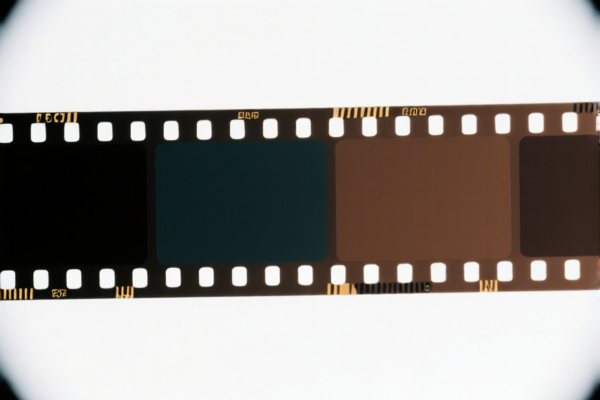
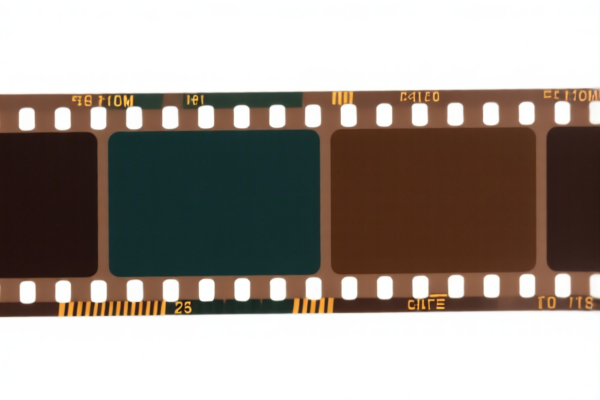
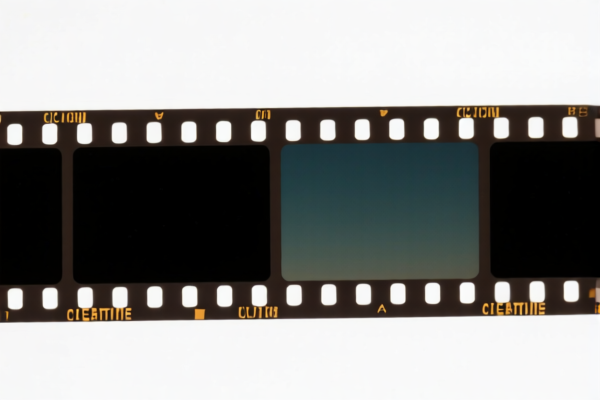

AI Analysis
🎞️ Color Film (Color Roll Film & Color Reversal Film)
🌐 HS Code Reference & Customs Clearance Guide | 2024-2026 Latest Tariff Analysis | Professional Clearance Strategy
📌 Part I: Product Definition & Classification: Do You Really Understand "Color Film"?
Color film, a specialized type of photosensitive material (Light-sensitive material), is widely used in professional photography, medical imaging, industrial inspection, and artistic creation. In international trade, it is categorized based on its state (roll vs. sheet, though data focuses on roll) and development type (Negative vs. Reversal/Slide).
Key Distinction Points: * Color Negative Film (Color Roll): Used for standard photography; requires development into negatives. * Color Reversal Film (Color Slide/Positive Film): Used for projection or direct viewing; develops into positive images.
⚠️ Critical Classification Logic:
- If the product is a Color Roll Film (Negative or Reversal) → It falls under Chapter 37 (Photographic or Cinematographic Goods).
- The specific HS Code depends on the type of emulsion and format, but generally, all variants listed below are classified as Photosensitive Materials.
📦 Part II: HS Code Classification Details (Latest Tariff Data from Source)
Based on the provided <DATA> content, here are the specific HS Codes, summaries, and tax details for Color Film products.
| HS Code | Product Summary & Description | Tax Rate (Total) | Tax Breakdown |
|---|---|---|---|
| 3702.31.01.00 | Color Roll Film (Matched by "Color" and "Roll"; Classified as Photosensitive Material). | 38.7% | Base Tariff: 3.7% Add-on Tariff: 25.0% Section 301/IEEPA: 10% |
| 3704.00.00.00 | Color Roll or Color Positive Roll Film (In film form, meeting photosensitive material characteristics). | 35.0% | Base Tariff: 0.0% Add-on Tariff: 25.0% Section 301/IEEPA: 10% |
| 3702.52.01.30 | Color Roll or Color Positive Roll Film (Specifically Color Reversal Film/Slide Film; Material is photosensitive). | 38.7% | Base Tariff: 3.7% Add-on Tariff: 25.0% Section 301/IEEPA: 10% |
| 3702.55.00.30 | Color Positive Roll Film (Type: Color Reversal Film; Material is photosensitive). | 35.0% | Base Tariff: 0.0% Add-on Tariff: 25.0% Section 301/IEEPA: 10% |
| 3702.31.01.00 | Color Roll Film (Classified based on keywords "Color" and "Roll" in product name). | 38.7% | Base Tariff: 3.7% Add-on Tariff: 25.0% Section 301/IEEPA: 10% |
🔍 Key Takeaway:
- Negative Films (3702.31...) and Specific Reversal Films (3702.52...) carry a higher base tariff (3.7%), resulting in a 38.7% total effective rate.
- General Reversal/Positive Films (3704.00, 3702.55) often have a 0% Base Tariff, resulting in a 35.0% total effective rate.
- ALL variants are subject to 25% Add-on Tariff and 10% Section 301/IEEPA Tariff.
💰 Part III: 2024-2026 Latest Tariff Rate Explanation (Detailed Policy Breakdown)
✅ Applicable Country: United States (US)
✅ Origin: China (CN) (Implied by the high add-on rates consistent with US-China trade policy)
✅ Effective Time: Current applicable rates (Check specific dates for policy updates)
🎯 1. HS Code 3702.31.01.00 & 3702.52.01.30 —— Color Roll Film & Specific Reversal Film
| Item | Detail |
|---|---|
| Base Tariff | 3.7% (Ad Valorem) |
| USITC Add-on Tariff | +25% (Section 301 Trade Remedy) |
| IEEPA/301 Additional Tariff | +10% (Specific designation for certain Chinese goods) |
| Total Effective Tax Rate | 38.7% |
| Tax Calculation | CIF Value × 38.7% |
| De Minimis Exemption | ❌ Not Applicable (Section 301 goods are generally excluded from de minimis benefits) |
| Legal Basis Path | HTSUS:3702.31.01.00 / HTSUS:3702.52.01.30 → Footnote 9903.88.01 (Section 301) |
📌 Explanation:
- The 3.7% Base Tariff is the standard Most Favored Nation (MFN) rate for these specific photographic films.
- The 25% Add-on Tariff is applied due to Section 301 actions against China.
- The 10% IEEPA Tariff is an additional layer on top of the 25%, bringing the total to 38.7%. This is a high-cost item for importers.
🎯 2. HS Code 3704.00.00.00 & 3702.55.00.30 —— Color Positive/Reversal Roll Film
| Item | Detail |
|---|---|
| Base Tariff | 0.0% |
| USITC Add-on Tariff | +25% (Section 301 Trade Remedy) |
| IEEPA/301 Additional Tariff | +10% (Specific designation for certain Chinese goods) |
| Total Effective Tax Rate | 35.0% |
| Tax Calculation | CIF Value × 35.0% |
| De Minimis Exemption | ❌ Not Applicable |
| Legal Basis Path | HTSUS:3704.00.00.00 / HTSUS:3702.55.00.30 → Footnote 9903.88.01 (Section 301) |
📌 Explanation:
- These codes benefit from a 0% Base Tariff, making them slightly cheaper than the 3.7% base codes.
- However, they still incur the full 35% total burden (25% + 10%) due to trade restrictions.
- Note: Misclassification from a 38.7% code to a 35% code (or vice versa) can lead to significant financial discrepancies and customs audits.
🛠️ Part IV: Customs Clearance Practical Advice (Pitfall Avoidance Guide)
✅ 1. Required Documentation Checklist
| Document | Required? | Notes |
|---|---|---|
| ✅ Product Specification Sheet | ✔️ | Must specify: Film Type (Negative/Reversal), Format (Roll/Sheet), Sensitivity (ISO), Dimensions. |
| ✅ Photosensitive Material Declaration | ✔️ | Must explicitly state "Photosensitive Material" and storage conditions (e.g., "Keep in Refrigeration"). |
| ✅ Commercial Invoice | ✔️ | Clear description: "Color Roll Film, Model XYZ, for Photographic Use". Avoid vague terms like "Plastic Film". |
| ✅ Packing List | ✔️ | Detail the number of rolls, weight, and protective packaging (crush-resistant tubes are critical for customs inspection). |
| ✅ Certificate of Origin (CO) | ✔️ | If claiming any potential exemptions (rare for this category), though US-China tariffs are strict. |
✅ 2. Declaration Tips (Crucial Mnemonics)
🔥 “Don’t Call It Plastic! Call It Photosensitive! Specify Negative or Slide!”
| Scenario | Correct Declaration | Wrong Approach |
|---|---|---|
| Standard Color Photo Film | "Color Roll Film, Negative Type, Photosensitive Material, HS 3702.31.01.00" | "Plastic Film" or "Camera Accessories" → Misclassification Risk |
| Slide Film (Reversal) | "Color Reversal Film (Slide Film), Roll Format, HS 3702.55.00.30" | "Positive Film" without HS code → Delay for Review |
| Blank Film for Processing | "Unexposed Color Roll Film, Photosensitive" | "Raw Materials" or "Chemicals" → Wrong Chapter (37 vs 28/38) |
| Packaging | "Shipped in Crush-Proof Tubes, Keep Cool" | "Bulk Box" → Damage during Inspection, Potential Rejection |
✅ 3. Special Handling Notes
| Situation | Handling Advice |
|---|---|
| High Value/Volume Shipments | Consider Advance Ruling (Preliminary Classification) from CBP to lock in the HS Code and avoid post-audit penalties. |
| Mixed Shipments | If packing both Negative and Reversal films, declare separately with distinct HS codes to ensure accurate tax calculation (38.7% vs 35.0%). |
| Expiry Date | Ensure the film is not expired. Customs may reject photosensitive materials that are near or past expiration due to quality concerns. |
| Labeling | Labels must clearly indicate "Photosensitive" and "Keep Refrigerated" to comply with safety and inspection protocols. |
🌍 Part V: Global Market Comparison (2024-2026 Context)
| Country/Region | Recommended HS Code | Est. Total Tariff (China Origin) | Notes |
|---|---|---|---|
| 🇺🇸 USA | 3702.31.01.00 / 3702.55.00.30 |
35.0% - 38.7% | High Barrier. Subject to Section 301 & IEEPA. No de minimis. |
| 🇨🇳 China | 3702.31.01.00 / 3702.55.00.30 |
~3.7% - 0% (Import Duty) | Low import duty. No Section 301. VAT may apply. |
| 🇪🇺 EU | 3702.31 / 3702.55 |
~0% - 4% (MFN) | Generally low tariffs. No US-style add-ons. |
| 🇯🇵 Japan | 3702.31 / 3702.55 |
~3.1% - 6.4% | Moderate tariffs. No aggressive add-ons. |
📌 Conclusion:
- The US market is the most expensive for Color Film from China due to the 35-39% total tax burden.
- Importers must build this cost into their pricing or consider sourcing from third-party countries (e.g., Japan, EU) if tariffs are prohibitive.
- Accuracy is paramount: Misdeclaring as "Plastic Film" (Chapter 39) or "Camera Parts" (Chapter 90) will result in severe penalties.
📌 Part VI: Common Errors & Pitfall Guide (Lessons Learned)
❌ Error 1: Declaring Color Film as "Plastic Roll" or "Packaging Material"
👉 Consequence: 60-100% Penalty for misclassification + Back Taxes.
👉 Fix: Always use HS Code 3702 series.
❌ Error 2: Ignoring the "Photosensitive" nature in description
👉 Consequence: Customs may hold the cargo for chemical inspection, causing delays and storage fees.
👉 Fix: Explicitly state "Photosensitive Material" and "Unexposed".
❌ Error 3: Assuming De Minimis ($800) applies
👉 Consequence: Seizure or Forced Return. Section 301 goods are explicitly excluded from the $800 de minimis threshold.
👉 Fix: Prepare full duty payments for all shipments, regardless of value.
❌ Error 4: Mixing Negative and Reversal Films in one line item
👉 Consequence: Customs Audit. Different tax rates (38.7% vs 35.0%) may trigger discrepancies.
👉 Fix: Separate line items for different film types.
✅ Correct Practice:
"Unexposed Color Roll Film, Negative Type, Photosensitive Material, Model XYZ, Shown in Crush-Proof Tubes, HS Code 3702.31.01.00"
🎯 Part VII: Conclusion: Precision Pays Off!
🎯 Remember the Golden Rules:
🔹 "Photosensitive, Not Plastic!"
🔹 "US Market = High Tariff (35-39%)!"
🔹 "Negative (38.7%) vs Reversal (35%) – Know the Difference!"
🔹 "No De Minimis! Pay Up!"
📌 Pro Tip:
For high-volume imports, apply for a CBP Advance Ruling to confirm the exact HS Code and ensure compliance with Section 301 exclusions (if any apply to your specific manufacturer).
📣 Immediate Action:
📞 Contact a Licensed Customs Broker + Provide Product Data Sheets + Verify HS Code with CBP
🚀 Ensure Smooth Clearance, Avoid Seizure, and Protect Your Margins!
✨ Professional Customs Clearance Starts with Accurate Classification!
💼 Every Percentage Point Matters in Global Trade!
Customer Reviews
About HS Code Classification
The Harmonized System (HS) is an internationally standardized nomenclature developed by the World Customs Organization (WCO) to classify traded products. Over 200 countries use the HS system as the basis for customs tariffs, trade statistics, and import/export regulations.
Each HS code follows a hierarchical structure:
- Chapter (2 digits) — Broad category of goods (e.g., Chapter 84: Machinery and Mechanical Appliances)
- Heading (4 digits) — More specific grouping within the chapter
- Subheading (6 digits) — Internationally standardized breakdown, used by all WCO member countries
- National subdivisions (8-10 digits) — Country-specific extensions for further classification, such as US HTSUS 10-digit codes
Correct HS code classification is essential for smooth customs clearance, accurate duty payment, and compliance with trade regulations. Misclassification can lead to customs delays, overpayment of duties, or penalties.
When importing from CN to US, the applicable tariff rates may include:
- Most-Favored-Nation (MFN) rate — The standard duty rate applied to WTO members
- General rate — Applied to countries without trade agreements
- Trade remedy duties — Additional tariffs such as Section 301 (anti-dumping), Section 232 (national security), or countervailing duties
The information provided on this page is for reference purposes only. For official classification, please consult with your local customs authority or a licensed customs broker.