Color Film (35mm)
CN → US| HS Code | Tariff Rate | Origin | Destination | Doc |
|---|---|---|---|---|
| 3701910060 | 38.7% | CN | US | Official Doc |
| 3701910030 | 38.7% | CN | US | Official Doc |
| 3702530030 | 38.7% | CN | US | Official Doc |
| 3703103030 | 38.7% | CN | US | Official Doc |
| 3703203030 | 38.7% | CN | US | Official Doc |
Product Images
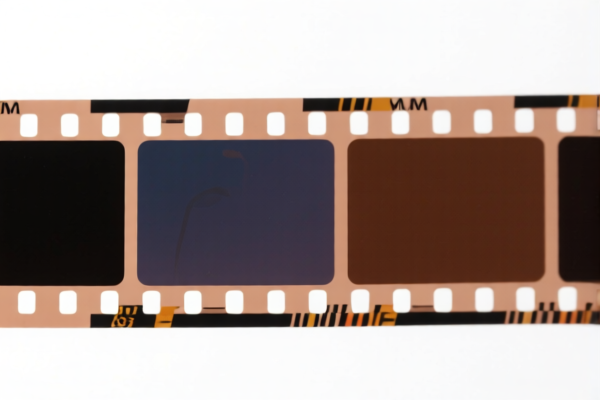
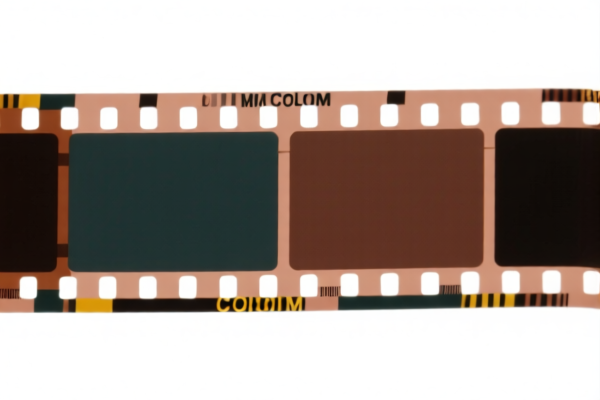
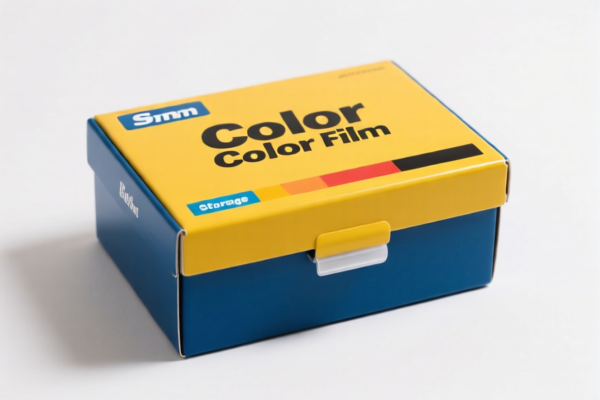
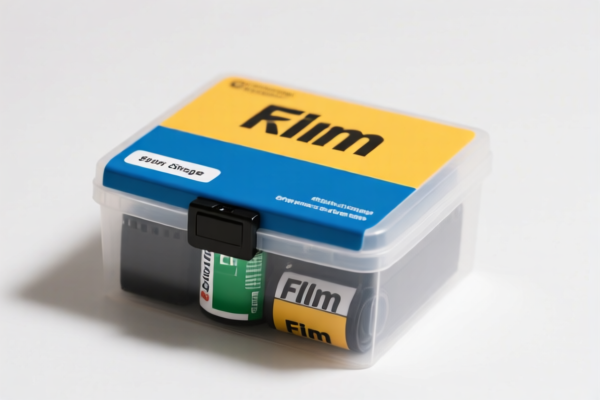
AI Analysis
🎞️ Color Film (35mm Format)
🌐 HS Code Reference & Customs Clearance Guide | 2026 Latest Tariff Analysis | Professional通关 Strategy for Photographic Materials
📌 I. Product Definition: What is "Color Film"?
Color Film (35mm) refers to photographic film coated with light-sensitive emulsions (silver halides) capable of recording images in full color. In international trade, it is primarily classified under Chapter 37 (Photographic or Cinematographic Goods). The "35mm" designation indicates the standard width of the film strip, which is the most common format for consumer cameras, professional photography, and cinema.
⚠️ Critical Distinction:
- Unexposed Film: Must be declared as "Unexposed" (raw material/sensitized material).
- Exposed Film (Developed/Printed): If already processed into slides or negatives, it may fall under different subcategories or be considered a "finished good" depending on specific country regulations, but generally, raw 35mm color film is the core import item.
- Form: Disc film vs. Strip film. The data provided specifically excludes "Disc Film" (non-disc format), focusing on standard strips/reels.
📦 II. HS Code Classification Details (2026 Latest Tariff Authority Match)
Based on the provided <DATA>, all relevant 35mm Color Film products fall under a unified tax profile with a Total Tax Rate of 38.7%. Below is the detailed breakdown of the specific HS Codes and their application scenarios.
| HS Code | Product Description (Summary) | Key Characteristics | Application Scenario |
|---|---|---|---|
3701.91.00.60 |
Color Photographic Film, 35mm Form, Non-Disc | Light-sensitive material; 35mm width; Not in disc form. | Standard 35mm roll film for still photography. |
3701.91.00.30 |
Color Slide Film, 35mm Form | Slides (positive film); 35mm width; Photographic film material. | Transparency film for projectors or professional color slides. |
3702.53.00.30 |
Color Slide Roll, 35mm Spec | Sensitized roll film; 35mm specification; Characterized as slide roll. | Bulk or roll-form slide film for large-format or specific camera uses. |
3703.10.30.30 |
Color Sensitized Film, Unexposed | Unexposed; Fits the definition of color photographic sensitized materials. | Raw color film stock before any exposure. |
3703.20.30.30 |
Color Silver-Halide Film, 35mm | Uses silver halide emulsion; 35mm spec; No material conflict. | Traditional chemical-based color film (negative or positive). |
🔍 Important Note:
- All five codes listed above share the exact same tax structure.
- The key differentiator is the physical form (Slide vs. Negative, Roll vs. Strip) and state (Unexposed).
- Ensure the commercial invoice clearly states "Unexposed" and "35mm Color Film" to avoid reclassification by customs.
💰 III. 2026 Latest Tariff Rate Breakdown (Detailed Tax Clauses)
✅ Applicable Jurisdiction: United States (US)
✅ Country of Origin: China (CN)
✅ Effective Date: Current (Subject to ongoing 301 Section & IEEPA regulations)
🎯 Unified Tax Structure for All Listed HS Codes
For all the HS Codes provided (3701.91.00.60, 3701.91.00.30, 3702.53.00.30, 3703.10.30.30, 3703.20.30.30), the tax calculation is identical.
| Tax Component | Rate | Legal Basis / Explanation |
|---|---|---|
| 1. Basic Tariff | 3.7% | Standard Most-Favored-Nation (MFN) rate for Chapter 37 goods under the Harmonized Tariff Schedule (HTS). |
| 2. Section 301 Tariff | 25.0% | Imposed under Section 301 of the Trade Act of 1974 on certain Chinese goods. This is a significant additional duty for Chinese-origin photographic materials. |
| 3. Section 122 Tariff | 10.0% | Imposed under Section 122 of the Trade Act of 1974 (or related emergency powers/IEEPA provisions cited in the data as "122条款"). This is an additional surcharge on specific imports from China. |
| Total Combined Rate | 38.7% | 3.7% + 25.0% + 10.0% = 38.7% |
| Calculation Basis | CIF Value | Tax is calculated on the Cost, Insurance, and Freight value of the shipment. |
📌 Key Legal Path:
HTS: 3701/3702/3703→Section 301: 25%→Section 122/IEEPA: 10%→ Total: 38.7%⚠️ Warning:
- No De Minimis Exemption: Unlike low-value packages, commercial imports of photographic film generally cannot use the $800 de minimis exemption (Section 321) if declared as commercial cargo.
- High Burden: A 38.7% tax rate significantly impacts profitability. Buyers must budget for this cost or explore alternative sourcing countries.
🛠️ IV. Customs Clearance Practical Advice (Avoid Pitfalls)
✅ 1. Documentation Checklist (Mandatory)
| Document | Required? | Specific Details Needed |
|---|---|---|
| Commercial Invoice | ✅ Yes | Must specify: "Color Photographic Film, 35mm, Unexposed," Brand, Model, Quantity (meters/rolls), HS Code. |
| Packing List | ✅ Yes | Detail packaging type (light-tight cans, boxes). |
| Certificate of Origin | ✅ Yes | To confirm Origin (CN). If from Vietnam/Mexico, rates may differ. |
| Product Specs | ✅ Yes | Include ISO speed, sensitivity (e.g., ISO 100/400), and whether it is Negative or Slide film. |
| Safety Data Sheet (SDS) | ⚠️ Conditional | Film contains silver halides and chemicals. Some carriers may require an SDS for air freight due to hazardous material concerns (though usually non-hazardous, check with carrier). |
✅ 2. Declaration Tips (Key Mnemonics)
🔥 "Unexposed State, 35mm Specific, No Disc Format, Clear Brand & Speed!"
| Scenario | Correct Declaration | Risk of Error |
|---|---|---|
| Roll Film for 35mm Cameras | 3701.91.00.60 (General Color Film) |
Misclassifying as "Disc Film" could lead to different codes or rejection. |
| Slide Film (Transparency) | 3701.91.00.30 or 3702.53.00.30 |
Mixing up with negative film might cause delays but tax remains the same. |
| Bulk Industrial Film | 3703.10.30.30 |
Ensure it is clearly "Unexposed." |
| Used/Exposed Film | ❌ Do Not Import as Photo Material | Exposed film is often considered waste or requires special handling. |
✅ 3. Special Handling for "Section 122" and "301"
- Origin Verification: Customs will strictly verify the Country of Origin. Ensure the manufacturer is indeed in China to match the 38.7% rate. If the film is "Made in Vietnam" but contains Chinese components, the rules of origin must be checked to potentially reduce taxes.
- 122 Clause Specifics: The "Section 122" tariff is often applied in response to specific trade imbalances or emergency measures. It is crucial to keep records of the transaction to prove the goods are subject to this specific provision.
🌍 V. Global Market Comparison (2026 Outlook)
| Country/Region | Recommended HS Code | Estimated Tax Rate (China Origin) | Notes |
|---|---|---|---|
| 🇺🇸 United States | 3701.91.00.60 etc. |
38.7% | High due to 301 (25%) + 122 (10%). |
| 🇨🇳 China | 3701.91.00.60 |
Low/Zero | Domestic production is low; most imports are high-end. |
| 🇪🇺 European Union | 3701.91 |
~0% - 4% | No Section 301 equivalent. Lower barrier to entry. |
| 🇯🇵 Japan | 3701.91 |
~3.5% | Minimal additional duties. |
📌 Strategic Insight:
- The US market is the most expensive for importing color film from China due to the layered tariffs.
- Consider pre-purchase cost analysis: Does the product price increase by 38.7% make it competitive against local or non-China sourced alternatives (e.g., Fujifilm Japan, Kodak USA)?
📌 VI. Common Errors & Pitfalls (Lessons Learned)
❌ Error 1: Declaring "Photographic Supplies" generally
👉 Consequence: Customs may reject the vague description and force a reclassification, leading to delays and potential penalties.
👉 Fix: Be specific: "35mm Color Negative Film, ISO 400."
❌ Error 2: Ignoring the "Non-Disc" specification
👉 Consequence: Code 3701 covers discs too. If you declare "Color Film" without specifying "35mm Strip," customs might question the exact subtype.
👉 Fix: Always include "35mm, Non-Disc" in the description.
❌ Error 3: Failing to declare "Unexposed"
👉 Consequence: Customs may suspect the film is used or contaminated, triggering health/safety inspections.
👉 Fix: Explicitly state "UNEXPOSED" in all documents.
🎯 VII. Conclusion: Professional Clearance for Cost Efficiency
🎯 Key Takeaway:
"38.7% is the Price of Admission for US Market!"
With a combined 38.7% tax rate (3.7% Base + 25% Sec 301 + 10% Sec 122), importing color film from China to the US is costly.
✅ Action Plan:
1. Verify Origin: Ensure no other origin options (e.g., ASEAN) are viable to reduce Section 301 impact.
2. Precise Declaration: Use the specific HS codes listed above with detailed descriptions.
3. Budget Accordingly: Factor in the 38.7% cost for landed cost calculations.
📣 Immediate Action:
📞 Consult a Customs Broker: Before shipping, apply for a Pre-Ruling on the HS Code if the volume is large.
📄 Prepare Documentation: Invoice, Packing List, and Certificate of Origin must be perfect.
🚀 Plan for Costs: Ensure cash flow covers the high duty payment upon entry.
✨ Precision in Classification, Profitability in Outcome!
💼 Every byte of data counts in customs clearance.
Customer Reviews
About HS Code Classification
The Harmonized System (HS) is an internationally standardized nomenclature developed by the World Customs Organization (WCO) to classify traded products. Over 200 countries use the HS system as the basis for customs tariffs, trade statistics, and import/export regulations.
Each HS code follows a hierarchical structure:
- Chapter (2 digits) — Broad category of goods (e.g., Chapter 84: Machinery and Mechanical Appliances)
- Heading (4 digits) — More specific grouping within the chapter
- Subheading (6 digits) — Internationally standardized breakdown, used by all WCO member countries
- National subdivisions (8-10 digits) — Country-specific extensions for further classification, such as US HTSUS 10-digit codes
Correct HS code classification is essential for smooth customs clearance, accurate duty payment, and compliance with trade regulations. Misclassification can lead to customs delays, overpayment of duties, or penalties.
When importing from CN to US, the applicable tariff rates may include:
- Most-Favored-Nation (MFN) rate — The standard duty rate applied to WTO members
- General rate — Applied to countries without trade agreements
- Trade remedy duties — Additional tariffs such as Section 301 (anti-dumping), Section 232 (national security), or countervailing duties
The information provided on this page is for reference purposes only. For official classification, please consult with your local customs authority or a licensed customs broker.