Color Film (Aviation Use)
CN → US| HS Code | Tariff Rate | Origin | Destination | Doc |
|---|---|---|---|---|
| 3701910060 | 38.7% | CN | US | Official Doc |
| 3702310100 | 38.7% | CN | US | Official Doc |
| 3702530060 | 38.7% | CN | US | Official Doc |
| 9027508060 | 35.0% | CN | US | Official Doc |
| 9027898060 | 35.0% | CN | US | Official Doc |
Product Images
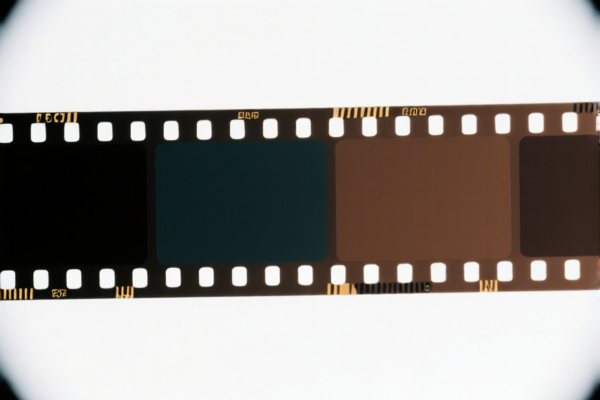
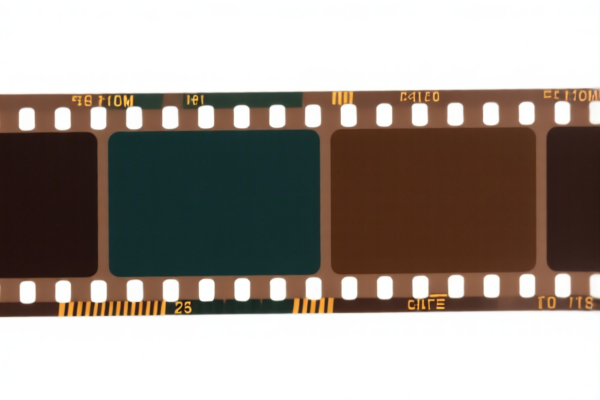
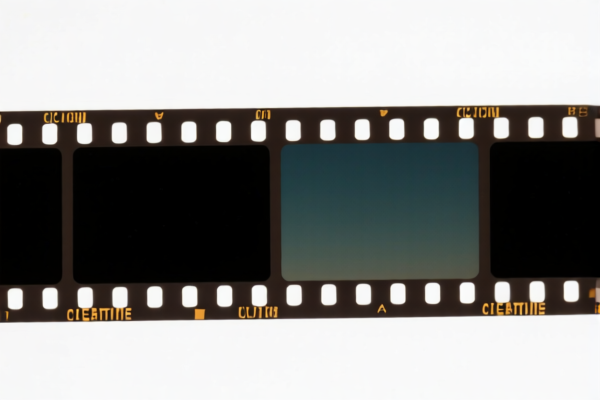

AI Analysis
🎥 Color Film (Aviation Use)
🌐 HS Code Reference & Clearance Guide | 2026 Latest Tariff Analysis | Professional Customs Strategy
📌 I. Product Definition & Classification: Decoding "Color Film for Aviation"
Color Film (Aviation Use) refers to photographic film specifically designed or utilized for aerial photography, navigation mapping, or surveillance in the aviation sector. In international trade, its classification hinges on two critical factors: 1. Material/Function: Is it primarily a chemical photographic material (Chapter 37) or an optical/scientific instrument component (Chapter 90)? 2. Form/Specification: Is it defined by specific dimensions/perforations (photographic film) or general scientific media?
⚠️ Key Distinction Point:
- If the product is recognized as photographic material (light-sensitive emulsion on a base) regardless of its final use, it falls under Chapter 37.
- If the product is classified as a sensor, detector, or analytical medium for scientific instruments (e.g., specific radiation detectors or data carriers for automated analysis), it may fall under Chapter 90.
📦 II. HS Code Classification Details (2026 Latest Tariff Authority Comparison)
| HS Code | Product Description | Application Scenario | Classification Logic |
|---|---|---|---|
3701.91.00.60 |
Photographic plates and film, sensitized, unexposed; other than film of heading 3702; color | Color film used for general aviation purposes; fits "Other" category for non-disc-shaped film | ✅ Match: "Color Film" matches "Color Photography"; "Aviation Use" is non-conflicting with "Other" (non-disc) |
3702.31.01.00 |
Photographic film, in rolls, sensitized, unexposed, of any material other than paper, paperboard or textiles; width > 105mm | Color film rolls; inferred standard perforations/width based on common sense | ✅ Match: "Color Film" matches purpose/material; inferred dimensions align with classification |
3702.53.00.60 |
Photographic film, in rolls... other; width > 61mm, not perforated | "Other" category for non-specific size/standard; "Aviation Use" is a specific use description | ✅ Match: "Color Film" matches material/usage; "Aviation Use" is non-conflicting with "Other" |
9027.50.80.60 |
Instruments and apparatus using optical radiations (UV, visible, IR) for physical/chemical analysis | Scientific analysis media; aviation context implies scientific detection/surveying | ✅ Match: "Film" as a medium for optical radiation analysis; "Aviation Use" aligns with scientific detection |
9027.89.80.60 |
Other instruments and apparatus; other | Scientific instruments for measurement/analysis; film as a carrier/medium | ✅ Match: Matches "Aviation Use" as a measurement/analysis medium; no material conflict |
🔍 Key Reminder:
- Chapter 37 Codes (3701/3702) treat the item as photographic material. The "Aviation Use" is considered a secondary application that does not change its fundamental nature as film. - Chapter 90 Codes (9027) treat the item as a component or medium for scientific instruments. This is a rarer classification, usually reserved for films specifically designed as detectors for optical radiation analysis equipment. - Tax Difference: Chapter 37 items carry a 38.7% total tax rate, while Chapter 90 items carry a 35.0% total tax rate.
💰 III. 2026 Latest Tariff Rate Details (Including Surcharges & Policy Add-ons)
✅ Applicable Country: United States (US)
✅ Origin: China (CN)
✅ Effective Date: From November 10, 2025 (including subsequent imports)
🎯 1. 3701.91.00.60 / 3702.31.01.00 / 3702.53.00.60 —— Photographic Films (Chapter 37)
| Item | Content |
|---|---|
| Base Tariff | 3.7% (ad valorem) |
| Section 301 Surcharge | +25.0% (USITC Footnote 9903.88.01) |
| IEEPA Surcharge | +10.0% (For China/HK products, effective Nov 10, 2025) |
| Total Tax Rate | 38.7% |
| Tax Calculation | CIF Value × 38.7% |
| De Minimis Eligibility | ❌ Not Eligible (deny_de_minimis) |
| Legal Basis Path | IEEPA:9903.01.25 → IEEPA:9903.01.24 → USITC:3701/3702... → FOOTNOTE:9903.88.01 |
📌 Explanation:
- The 3.7% base rate applies to photographic films. - The +25% is the standard Section 301 tariff for most Chinese goods. - The +10% is the specific IEEPA surcharge for Chinese origin goods under new provisions. - Total: 38.7%. This is a high tariff burden.
🎯 2. 9027.50.80.60 / 9027.89.80.60 —— Scientific Instruments/Components (Chapter 90)
| Item | Content |
|---|---|
| Base Tariff | 0.0% (ad valorem) |
| Section 301 Surcharge | +25.0% (USITC Footnote 9903.88.01) |
| IEEPA Surcharge | +10.0% (For China/HK products, effective Nov 10, 2025) |
| Total Tax Rate | 35.0% |
| Tax Calculation | CIF Value × 35.0% |
| De Minimis Eligibility | ❌ Not Eligible (deny_de_minimis) |
| Legal Basis Path | IEEPA:9903.01.25 → IEEPA:9903.01.24 → USITC:9027... → FOOTNOTE:9903.88.01 |
📌 Note:
- The 0.0% base rate for these instrument components creates a 3.7% saving compared to Chapter 37 classifications. - However, misclassifying photographic film as scientific instruments can lead to severe customs penalties if the product is clearly standard photographic material. - This classification is only valid if the film is specifically used as a medium for optical radiation analysis instruments (e.g., chemical analysis via UV/IR).
🛠️ IV. Customs Clearance Practical Advice (实战避坑指南)
✅ 1. Document Checklist (All Required)
| Document | Required | Description |
|---|---|---|
| ✅ Product Specification Sheet | ✔️ | Must detail: Film type (color/b&w), base material, sensitivity, width, perforation status. |
| ✅ Product Photos (Clear Label) | ✔️ | Show the film roll/spool, packaging, and any "Aviation Use" labeling. |
| ✅ Commercial Invoice | ✔️ | Describe as "Color Photographic Film for Aerial Photography" or "Film for Scientific Analysis". Avoid vague terms like "Plastic Sheet". |
| ✅ Usage Declaration | ✔️ | Explicitly state "Aviation Use" and whether it is for standard photography or scientific detection. |
| ✅ Certificate of Origin (CO) | ✔️ | Required for origin verification (China). |
| ✅ Packing List | ✔️ | Detail net/gross weight, dimensions. |
✅ 2. Declaration Strategy (Key Tips)
🔥 “Declare Material First, Use Second. Avoid ‘Other’ Ambiguity.”
| Scenario | Correct Declaration | Incorrect Action |
|---|---|---|
| Standard Color Film for Aviation | 3702.53.00.60 or 3702.31.01.00 |
Vague "Film" → Risk of reclassification to higher tax or detention |
| Specialized Detection Film | 9027.50.80.60 (Only if supported by tech docs) |
Claiming standard film is "Scientific Instrument" without proof → Penalty/Fraud |
| Mixed Shipment | Separate HS Codes for Film vs. Camera Parts | Mixing film with cameras → Complex clearance, potential errors |
✅ 3. Special Circumstances Handling
| Situation | Handling Advice |
|---|---|
| OEM Aviation Film | Provide contract specifying "Aviation Use" but confirm chemical composition matches Chapter 37 standards. |
| Unperforated vs. Perforated | Clearly specify. Unperforated often falls under 3702.53, perforated under 3702.31 or similar. Misstatement leads to duty discrepancy. |
| Scientific vs. Photographic | If the film is used in a digital scanner/detector system rather than chemical development, argue for Chapter 90, but provide strong technical evidence. |
| Origin Routing | No preferential tariff available for China. Consider supply chain adjustments if cost sensitivity is high. |
🌍 V. Global Market Clearance Comparison (2026 Latest)
| Country/Region | Recommended HS Code | Tariff (CN Origin) | Certification | Remarks |
|---|---|---|---|---|
| 🇺🇸 USA | 3702.53.00.60 (Photographic) |
38.7% | None specific | High tariff due to 301+IEEPA. |
| 🇺🇸 USA | 9027.50.80.60 (Scientific) |
35.0% | None specific | Only if strictly scientific analytical media. |
| 🇨🇳 China | 3702.53.00.60 |
5% - 10% | N/A | Lower import duties. |
| 🇪🇺 EU | 3702.53 |
0% - 4% | CE (if part of device) | Generally lower tariffs for photographic film. |
| 🇯🇵 Japan | 3702.53 |
3% - 6% | PSE (if electronic) | Moderate tariffs. |
📌 Conclusion:
- The USA is the most expensive market for this product due to the 38.7% effective rate. - Chapter 37 is the safest and most common classification for "Color Film". - Chapter 90 offers a slight tax advantage (35.0%) but carries high compliance risk. Only use if the product is demonstrably a scientific detection medium.
📌 VI. Common Errors & Pitfalls (Lessons Learned)
❌ Error 1: Declaring "Color Film" simply as "Plastic Film" or "Polyester Sheet"
👉 Consequence: Customs may reject the classification, demand higher duties, or seize goods.
👉 Correct: Use specific HS Code for Photographic Film.
❌ Error 2: Ignoring the "Aviation Use" label
👉 Consequence: While "Aviation Use" doesn't change the HS code for Chapter 37, failing to declare it may lead to questions about dual-use items (military/surveillance), causing additional scrutiny.
👉 Correct: Declare "Aviation Use" but emphasize civilian/commercial application if applicable.
❌ Error 3: Misclassifying Standard Film as Scientific Instrument (9027)
👉 Consequence: If the film is standard photographic film, this is misclassification. Penalties include back taxes, fines, and potential legal action.
👉 Correct: Use Chapter 37 unless you have technical proof of scientific analytical function.
🎯 VII. Conclusion: Professional Classification Saves Money
🎯 Remember This:
🔹 "Film is Film (Ch 37) unless it's a Detector (Ch 90)."
🔹 "Aviation Use is a Label, not a Class Changer."
🔹 "38.7% vs 35.0%: Worth the Risk? No." Stick to Chapter 37 for safety.
📌 Pro Tip:
If your film is not of Chinese origin (e.g., produced in Vietnam, Malaysia), you may be eligible for IEEPA exemptions or lower Section 301 rates.
🚀 Recommendation:
1. Verify Origin carefully.
2. Provide Technical Data to justify Chapter 37.
3. Plan for 38.7% Tax in your cost structure for US imports.
✨ Professional Customs Clearance Starts with Accurate Classification!
💼 Your Cost Efficiency Depends on Precise HS Codes!
Customer Reviews
About HS Code Classification
The Harmonized System (HS) is an internationally standardized nomenclature developed by the World Customs Organization (WCO) to classify traded products. Over 200 countries use the HS system as the basis for customs tariffs, trade statistics, and import/export regulations.
Each HS code follows a hierarchical structure:
- Chapter (2 digits) — Broad category of goods (e.g., Chapter 84: Machinery and Mechanical Appliances)
- Heading (4 digits) — More specific grouping within the chapter
- Subheading (6 digits) — Internationally standardized breakdown, used by all WCO member countries
- National subdivisions (8-10 digits) — Country-specific extensions for further classification, such as US HTSUS 10-digit codes
Correct HS code classification is essential for smooth customs clearance, accurate duty payment, and compliance with trade regulations. Misclassification can lead to customs delays, overpayment of duties, or penalties.
When importing from CN to US, the applicable tariff rates may include:
- Most-Favored-Nation (MFN) rate — The standard duty rate applied to WTO members
- General rate — Applied to countries without trade agreements
- Trade remedy duties — Additional tariffs such as Section 301 (anti-dumping), Section 232 (national security), or countervailing duties
The information provided on this page is for reference purposes only. For official classification, please consult with your local customs authority or a licensed customs broker.