Color Film 10 Sheets
CN → US| HS Code | Tariff Rate | Origin | Destination | Doc |
|---|---|---|---|---|
| 3703203030 | 38.7% | CN | US | Official Doc |
| 3703903030 | 38.7% | CN | US | Official Doc |
Product Images
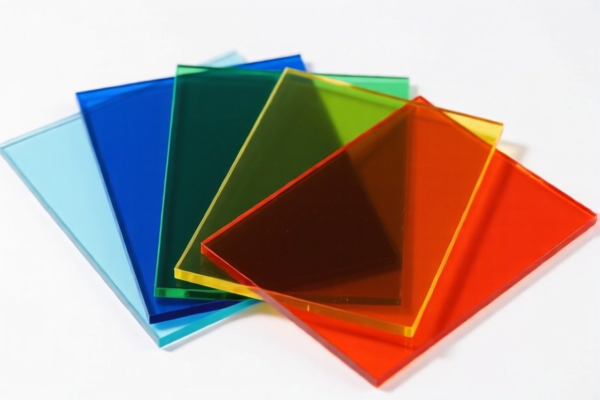
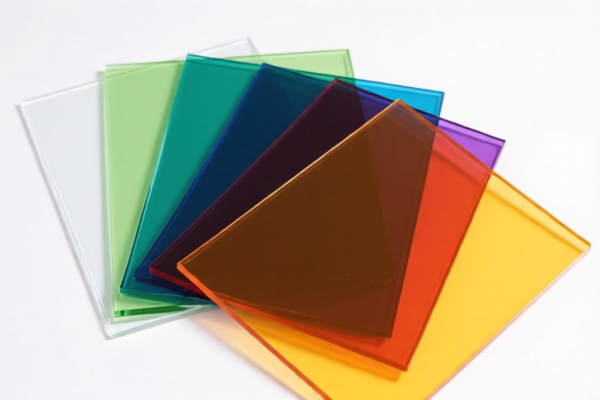
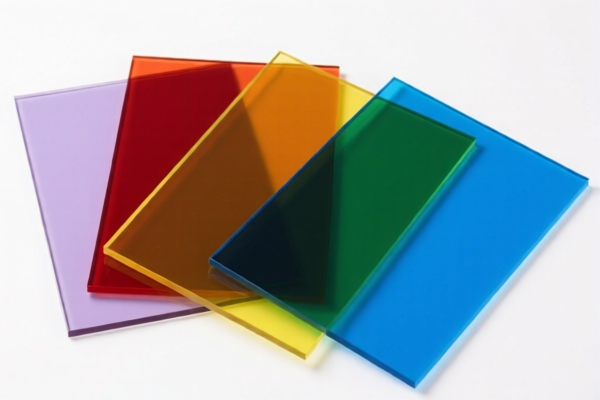
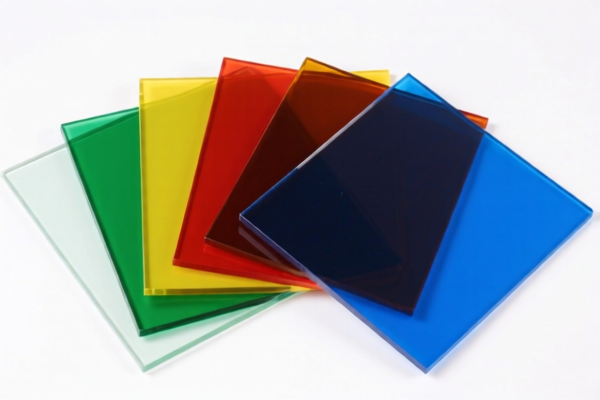
AI Analysis
🎞️ Color Photographic Paper (Sensitized, Unexposed, Silver Halide)
🌐 HS Code Reference & Customs Clearance Guide | 2026 Latest Tariff Analysis | Professional Clearance Strategy
📌 Part 1: Product Definition & Classification: Do You Really Know "Color Film Paper"?
Photographic Paper, Sensitized, Unexposed, specifically for Color Photography (Polychrome), is a critical material in the imaging industry. In international trade, it is strictly categorized under Chapter 37 of the Harmonized System. It is crucial to distinguish this from raw "film" or "printers."
Key Distinction:
This product refers to Silver Halide Papers used for pictorial use (continuous tone). It is not digital printing media (inkjet) nor raw photographic film for cameras. It is chemically treated paper ready for exposure in a darkroom or contact printing process.
⚠️ Critical Classification Point:
- If it is Silver Halide paper for color photography → Goes to 3703.20.30.30
- If it is Silver Halide paper for color photography but in sheets (general pictorial use) → Goes to 3703.90.30.30
- Note: The provided data contains two specific HS codes for this product category. Both carry identical tax structures but may differ slightly in sub-heading nuances (e.g., specific pictorial use vs. general sheet format).
📦 Part 2: HS Code Classification Details (2026 Latest Tariff Authority Comparison)
| HS Code | Product Description | Application Scenario | Key Characteristic |
|---|---|---|---|
3703.20.30.30 |
Photographic paper, sensitized, unexposed: Other, for color photography (polychrome): Silver halide papers For pictorial use (continuous tone): For color photography (polychrome) | Professional color printing, art photography, high-end prints | Specific for Pictorial Use / Continuous Tone |
3703.90.30.30 |
Photographic paper, paperboard and textiles, sensitized, unexposed: Other: Silver halide papers For pictorial use (continuous tone): In sheets | General color photography, bulk sheets, standard pictorial use | Specifically defined as "In sheets" |
🔍 Important Note:
- Both codes fall under Chapter 37 (Photographic or Cinematographic Goods).
- The distinction between.20and.90often relates to specific sub-category definitions within the national tariff schedule. However, for tax purposes in the provided data, they are treated with identical rates.
- "Sensitized, Unexposed" means the paper has been coated with light-sensitive chemicals but has not yet been exposed to an image.
💰 Part 3: 2026 Latest Tariff Rate Detailed Breakdown (Including Surcharges)
✅ Applicable Country: United States (US)
✅ Origin: China (CN) (Assumed based on standard trade context for such inquiries; verify origin)
✅ Effective Date: Current 2026 Standards
🎯 1. 3703.20.30.30 & 3703.90.30.30 —— Color Sensitized Photographic Paper
| Item | Content |
|---|---|
| Base Tariff Rate | 0.0% (ad valorem) |
| Section 301 Surcharge (USITC) | 0.0% |
| IEEPA Surcharge (China-specific) | 0.0% |
| Total Effective Tariff Rate | 0.0% |
| Tax Calculation Basis | CIF Value × 0% = $0 |
| De Minimis Eligibility | ❌ N/A (Since total tax is 0%, de minimis rules are less critical, but documentation is still key) |
| Legal Basis Path | HTSUS:3703.20.30.30 / HTSUS:3703.90.30.30 → No additional Footnotes or IEEPA codes apply for 0% |
📌 Explanation:
- Both HS Codes listed in the provided data show a Total Tax of 0.0%.
- This means there are no base tariffs, no Section 301 surcharges, and no IEEPA additional taxes for these specific photographic paper classifications.
- Result: The import duty is zero. This is a highly favorable tariff position for photographic materials.
🛠️ Part 4: Customs Clearance Practical Advice (Battle-Tested Pitfall Avoidance Guide)
✅ 1. Required Documentation Checklist (None of These Can Be Missing)
| Document | Must Provide | Explanation |
|---|---|---|
| ✅ Commercial Invoice | ✔️ | Must clearly state "Sensitized, Unexposed Color Photographic Paper (Silver Halide)" |
| ✅ Product Specification Sheet | ✔️ | Confirm "Silver Halide" technology, not inkjet or laser. Specify "For Color Photography." |
| ✅ HS Code Justification | ✔️ | Explain why it is 3703.20.30.30 vs 3703.90.30.30 (e.g., specific pictorial use vs. general sheets). |
| ✅ Safety Data Sheet (SDS) | ✔️ | Since it is chemically sensitized, a SDS is often required for safe handling and customs inspection. |
| ✅ Packaging List | ✔️ | Detail "10 Sheets" as specified. Ensure packaging protects against light (light-tight packaging is standard). |
✅ 2. Declaration Tips (Key Mnemonic)
🔥 "Light-Sensitive, Chemical Coat, Silver Halide, Zero Tax!"
| Situation | Correct Declaration | Common Mistake |
|---|---|---|
| Chemically coated paper | 3703.20.30.30 or 3703.90.30.30 |
Misdeclare as "Paper" (4801/4802) → Higher Tax! |
| Digital Inkjet Paper | 4823 or 3824 (if coated) |
Misdeclare as "Photographic Paper" → Wrong Chapter! |
| Exposed/Used Film | 3704.00 (Used photographic plates/film) |
Misdeclare as "Unexposed" → Wrong Subheading! |
| Inkjet Photo Paper | 4823.69 or 4823.90 |
Misdeclare as "Silver Halide" → Severe Penalty |
📌 Critical Warning:
- Do not confuse "Photographic Paper" (Chapter 37) with "Printed Paper" (Chapter 48).
- If the paper is not chemically sensitized (e.g., premium inkjet paper), it DOES NOT belong in 3703. It belongs in 4823.69.10.00 or similar.
- 0% Tax only applies to CH. 3703. Misclassification can lead to 25%-30%+ in retroactive duties.
✅ 3. Special Situations Handling
| Situation | Handling Advice |
|---|---|
| Light-Sensitive Packaging | Declare "Shipped in Light-Tight Packaging" to prevent accidental exposure during transit. |
| Chemical Composition | Provide MSDS/SDS to prove it contains Silver Halide emulsion, not just ink or toner. |
| "10 Sheets" Quantity | Ensure the quantity matches the invoice. Small quantities (like 10 sheets) are low risk but must be declared accurately. |
| Origin Verification | Even with 0% tax, prove origin to avoid any potential future policy changes or anti-dumping inquiries. |
🌍 Part 5: Global Market Comparison (2026 Latest)
| Country/Region | Recommended HS Code | Tariff Rate | Certification Requirements | Notes |
|---|---|---|---|---|
| 🇺🇸 USA | 3703.20.30.30 / 3703.90.30.30 |
0.0% | None (Standard) | Zero Duty! Highly competitive. |
| 🇨🇳 China | 3703.20.30.30 / 3703.90.30.30 |
0.0% | CNCA | Import duties are also typically 0% for these items. |
| 🇪🇺 EU | 3703.20 / 3703.90 |
0.0% | REACH (Chemicals) | No duty, but REACH compliance for chemicals is mandatory. |
| 🇬🇧 UK | 3703.20 / 3703.90 |
0.0% | UK REACH | Post-Brexit, same rates as EU. |
| 🇯🇵 Japan | 3703.20 / 3703.90 |
0.0% | PSE (if applicable) | Generally duty-free for photographic goods. |
📌 Conclusion:
- Global Tariff Advantage: Photographic Silver Halide paper enjoys 0% duty in major markets (US, EU, UK, Japan).
- Key Risk: Not tariffs, but Chemical Regulations (REACH, MSDS) and Accurate Classification (vs. Inkjet paper).
📌 Part 6: Common Errors & Pitfall Guide (Lessons Learned)
❌ Error 1: Declaring "Photographic Paper" as "Office Paper" (4802)
👉 Consequence: Incorrect classification. While office paper might also be 0%, if it's found to be sensitized, it could be flagged for chemical safety violations.
❌ Error 2: Confusing "Silver Halide" with "Inkjet Photo Paper"
👉 Consequence: Major Audit Risk. Inkjet paper is a chemical/coated paper product (Ch. 48), while Silver Halide is a photographic good (Ch. 37). Misdeclaration leads to fines and delays.
❌ Error 3: Not providing MSDS for "Sensitized" goods
👉 Consequence: Customs may hold the shipment for chemical safety review. Since it's sensitized (chemically active), MSDS is mandatory.
❌ Error 4: Ignoring "Unexposed" Status
👉 Consequence: If the paper is exposed/developed, it changes classification to 3704. Ensure it is strictly unexposed.
✅ Correct Declaration Example:
"Photographic Paper, Sensitized, Unexposed, Silver Halide Emulsion, For Color Photography, Pictorial Use, In Sheets, 10 Sheets, Light-Tight Packaging, MSDS Attached"
🎯 Part 7: Conclusion: Professional Declaration, Zero Duty, Safe Passage!
🎯 Remember Mnemonic:
🔹 "Silver Halide, Chapter 37, Zero Duty, Global!"
🔹 "Don't Mix with Inkjet, MSDS is Key, Light Tight, Be Free!"
📌 Pro Tip:
Even though the tax is 0%, always maintain MSDS and Product Specs to prove it is Silver Halide and not a chemical-coated office paper. This prevents unnecessary inspections.
📣 Immediate Action:
📞 Confirm with your supplier: "Is this Silver Halide or Inkjet?"
🚀 If Silver Halide → Use3703.20.30.30or3703.90.30.30.
📦 Ship in Light-Tight Packaging.
✨ Professional Clearance Starts with Precise Classification!
💼 Zero Duty is Achievable with Correct Documentation!
Customer Reviews
About HS Code Classification
The Harmonized System (HS) is an internationally standardized nomenclature developed by the World Customs Organization (WCO) to classify traded products. Over 200 countries use the HS system as the basis for customs tariffs, trade statistics, and import/export regulations.
Each HS code follows a hierarchical structure:
- Chapter (2 digits) — Broad category of goods (e.g., Chapter 84: Machinery and Mechanical Appliances)
- Heading (4 digits) — More specific grouping within the chapter
- Subheading (6 digits) — Internationally standardized breakdown, used by all WCO member countries
- National subdivisions (8-10 digits) — Country-specific extensions for further classification, such as US HTSUS 10-digit codes
Correct HS code classification is essential for smooth customs clearance, accurate duty payment, and compliance with trade regulations. Misclassification can lead to customs delays, overpayment of duties, or penalties.
When importing from CN to US, the applicable tariff rates may include:
- Most-Favored-Nation (MFN) rate — The standard duty rate applied to WTO members
- General rate — Applied to countries without trade agreements
- Trade remedy duties — Additional tariffs such as Section 301 (anti-dumping), Section 232 (national security), or countervailing duties
The information provided on this page is for reference purposes only. For official classification, please consult with your local customs authority or a licensed customs broker.